Stress and Scalp Health: Mechanisms, Symptoms, and Care
8 min read ·
Explore the science of Stress and Scalp Health, detailing the brain-skin axis, barrier disruption, itching, and proven evidence-based care strategies.
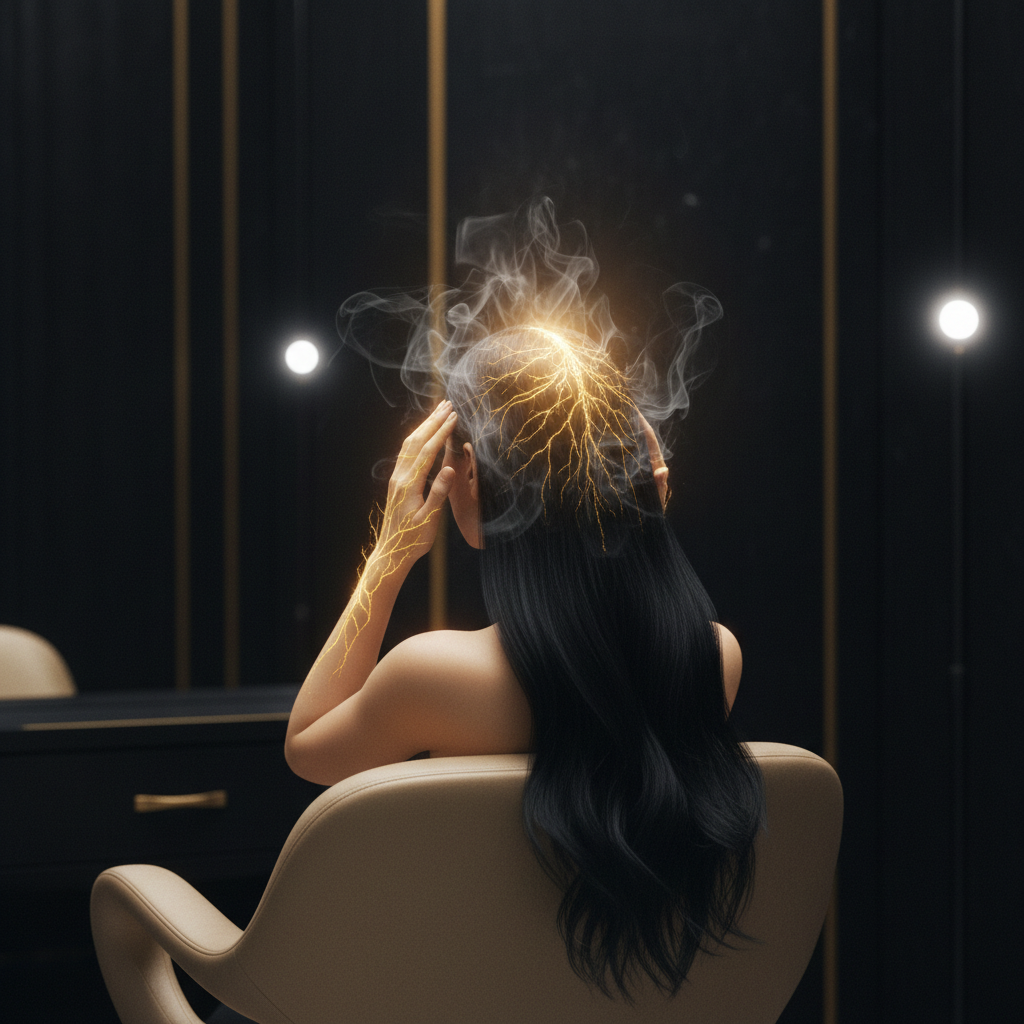
Quick answer: The relationship between Stress and Scalp Health is direct, biological, and mediated by hormones, neurotransmitters, and immune responses. Psychological and physiological stress elevates systemic cortisol and local neuropeptides, which impairs the scalp's epidermal barrier, alters sebum production, and triggers neurogenic inflammation. This disruption frequently exacerbates conditions like seborrhoeic dermatitis, psoriasis, and telogen effluvium. However, topicals alone cannot resolve stress-mediated scalp pathology without addressing the underlying systemic stress response and ruling out secondary medical causes.
Key takeaways
- Psychological stress triggers the brain-skin axis, activating local neuroendocrine signals in the hair follicle and scalp skin.
- Elevated cortisol and substance P disrupt skin barrier integrity, reducing hydration and leaving the scalp prone to irritants.
- Chronic stress alters sebum excretion rates and changes the scalp microbiome balance, often worsening dandruff and seborrhoeic dermatitis.
- Stress-related hair issues must be separated into barrier dysfunction, follicular shedding (such as telogen effluvium), and mechanical damage.
- Topical care supports barrier recovery and symptomatic itch, but true resolution requires managing systemic stressors.
Stress and Scalp Health: what the evidence shows
Research into psychodermatology confirms a bidirectional communication loop known as the brain-skin-follicle axis. When you experience acute or chronic stress, the hypothalamic-pituitary-adrenal (HPA) axis releases corticotropin-releasing hormone (CRH), adrenocorticotropic hormone (ACTH), and cortisol. Skin cells, including sebocytes and keratinocytes, contain fully functional local HPA equivalents. They produce and respond to these exact stress hormones on-site.
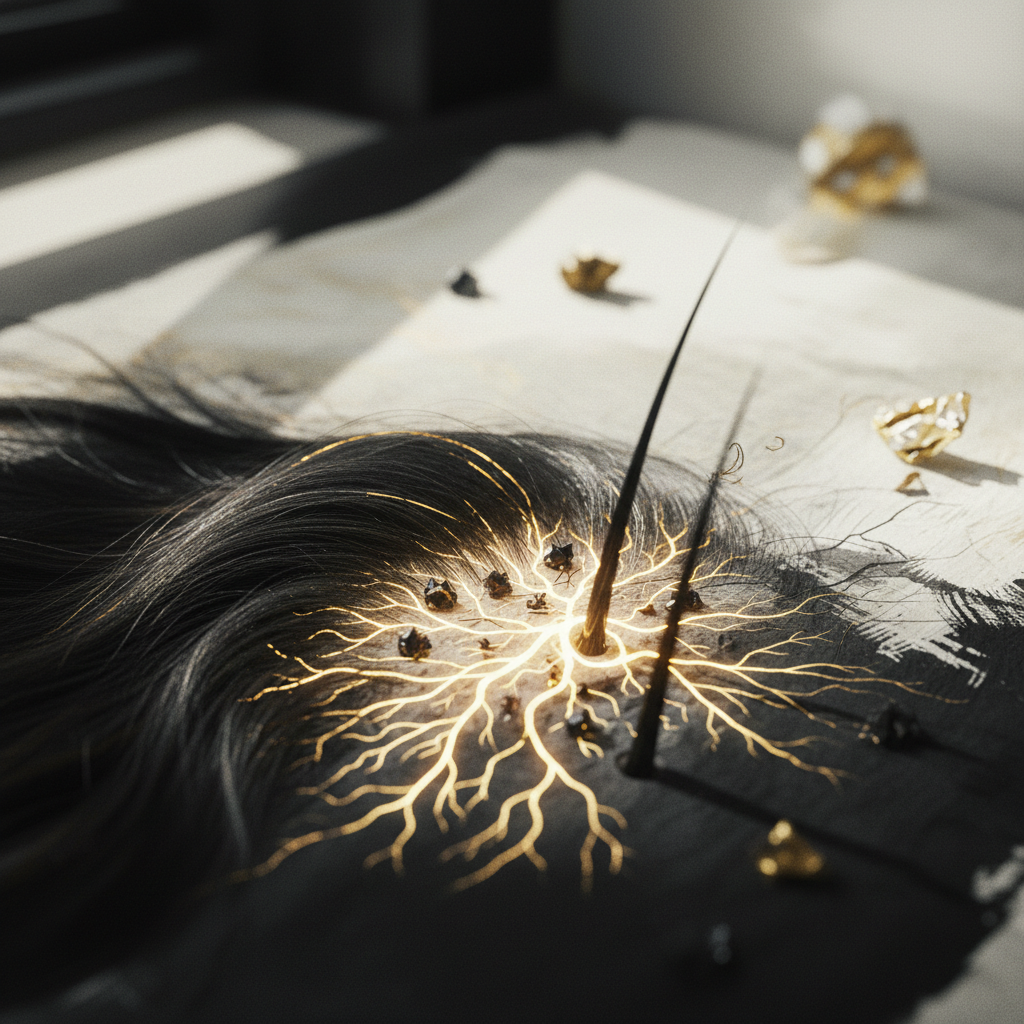
The link between Stress and Scalp Health becomes clear when examining local inflammation. Cortisol and local neuropeptides like substance P and calcitonin gene-related peptide (CGRP) trigger mast cell degranulation in scalp tissue. This process releases histamine, proteinases, and pro-inflammatory cytokines into the surrounding tissue. The clinical outcome is neurogenic inflammation, which manifests as scalp pruritus (itching), burning sensations (trichodynia), erythema (redness), and increased barrier permeability.
Clinical studies consistently show that elevated stress levels correlate with severe flare-ups of chronic inflammatory scalp dermatoses. Scalp psoriasis and seborrhoeic dermatitis both feature elevated inflammatory markers during periods of psychological strain. Stress compromises the stratum corneum barrier, lowering its water-holding capacity and accelerating transepidermal water loss (TEWL). When the barrier falters, common environmental microbes and chemical irritants penetrate more easily, driving a cycle of itching, flaking, and scratching.
What the biological mechanism looks like
The scalp does not react to stress purely as an abstract sensation. A predictable biological sequence unfolds across four distinct pathways:
- Barrier disruption: Stress impairs epidermal lipid synthesis, specifically reducing ceramides and free fatty acids. This spikes transepidermal water loss, leaving the scalp surface dehydrated, tight, and vulnerable to micro-fissures.
- Sebum dysregulation: CRH receptors on sebaceous glands directly stimulate lipid production while shifting the composition of that sebum. The altered oil profile provides excess nourishment for opportunistic yeasts like Malassezia, provoking flaking and irritation.
- Neurogenic itch and trichodynia: Stress sensitises unmyelinated C-nerve fibres in the scalp. Even minor mechanical stimuli, like brushing or resting on a pillow, can translate into genuine discomfort, soreness, or severe itching.
- Follicular arrest: High levels of cortisol and systemic inflammation push active anagen (growth) follicles prematurely into catagen (transition) and telogen (resting) phases. This does not happen overnight. The resulting shedding, known as telogen effluvium, typically appears 2 to 3 months after the initial stress trigger.
Signs your scalp is reacting to stress
Scalp symptoms linked to nervous system arousal usually present with a cluster of sensory and visible complaints. Common signs include:

- Unexplained itching without visible lice or infection: An itchy scalp that flares during work deadlines, life changes, or poor sleep.
- Trichodynia (scalp pain): A bruised, burning, or stinging sensation when moving your hair or touching the crown.
- Sudden flare of flaking or scaling: Existing dandruff or patches of seborrhoeic dermatitis becoming stubborn and inflamed.
- Excessive oiliness followed by dehydration: A greasy root area accompanied by a tight, dry, uncomfortable skin feel.
- Diffuse hair shedding: Higher counts of hair leaving the follicle when washing or brushing, appearing a few months after an emotional or physical shock.
Distinguishing stress manifestations on the scalp
To treat scalp discomfort effectively, you must separate surface barrier issues from deeper follicular events and mechanical snapping.
| Condition / Symptom | Primary Cause | Scalp Sensation | Visible Signs | Typical Timeframe |
|---|---|---|---|---|
| Neurogenic Pruritus | Elevated substance P and mast cell activation | Intense itching, stinging, no relief from washing | Minimal flaking, mild erythema from scratching | Immediate during acute stress |
| Seborrhoeic Flare | Altered sebum, Malassezia overgrowth, HPA activation | Itching, greasy sensation, heat | Yellow, oily scales, red patches along hairline | Days to weeks after stress onset |
| Telogen Effluvium | Follicles shifting to resting phase via systemic cortisol shock | Usually painless, though trichodynia can occur | Diffuse shedding, intact bulbs on shed hairs | 8 to 12 weeks post-stressor |
| Hair Breakage | Mechanical stress, heat, chemical processing, weak barrier | None (shaft only) | Short, broken fibres, uneven lengths, no white bulb | Immediate upon mechanical tension |
What you can do to support your scalp
Addressing stress-induced scalp issues requires a combined strategy: preserving the surface barrier, soothing local nerve activity, and supporting the underlying physiological balance.
Prioritise gentle, non-stripping scalp care
Avoid harsh sulfate surfactants or high-pH cleansers that strip essential ceramides during periods of high stress. Look for scalp formulas with a physiological pH (between 4.5 and 5.5). This protects the acid mantle and deters opportunistic microbial overgrowth.
Minimise friction and heat
Because stress sensitises C-fibres, cut down on mechanical tension. Loosen tight ponytails or braids, use lukewarm water instead of hot showers, and reduce high-heat blow drying. Excessive heat damages fragile stratum corneum lipids and worsens inflammation.
Restore the skin barrier
Ingredients like niacinamide, panthenol (provitamin B5), and light botanical lipids help re-establish moisture retention and soothe local irritation. Niacinamide in particular supports ceramide synthesis and reduces topical oxidative stress.
Address the systemic nervous system
Topical care handles the physical symptoms, but chronic mental strain will continue to trigger mast cells. Incorporate deliberate stress management techniques: consistent sleep schedules (7 to 9 hours nightly), light aerobic exercise, and regulated breathing routines. Lowering circulating cortisol reduces the signal load sent to scalp sebocytes and follicles.
Supporting hair and scalp vitality with Watermans
When managing daily stress and its impact on the scalp, consistent supportive care creates an optimal environment for growth. Watermans approaches hair wellness by focusing on the scalp first. Formulated to nurture both the skin barrier and emerging hair fibres, Watermans Grow Me Shampoo provides a nutrient-dense cleanse without stripping away protective natural lipids. Combining targeted ingredients like biotin, rosemary, caffeine, and niacinamide, it works to invigorate the scalp, calm surface discomfort, and leave hair feeling thicker and more resilient during demanding periods.
When the cause may be something else
Not every itchy or shedding scalp stems from mental tension. It is essential not to assume stress is the sole culprit:
- Nutritional deficiencies: Low ferritin (stored iron), vitamin D, or zinc deficiency can trigger diffuse hair shedding that mimics stress-induced telogen effluvium.
- Thyroid disorders: Both hypothyroidism and hyperthyroidism alter sebum production, texture, and follicular cycles independently of psychological state.
- Contact dermatitis: Allergies to fragrance, preservatives (like methylisothiazolinone), or hair dyes can cause severe itching and redness that looks like stress-induced neurogenic inflammation.
- Fungal or bacterial infections: Tinea capitis or folliculitis require specific antimicrobial treatments, not general stress management.
When to seek professional advice
Consult a GP, dermatologist, or qualified trichologist if you notice:
- Sudden, patchy hair loss (distinct round or oval bald spots, which suggests alopecia areata).
- Pustules, crusting, or fluid weeping on the scalp.
- Scalp itching that interrupts sleep or does not respond to gentle, balancing shampoos after 3 to 4 weeks.
- Persistent scaling with silvery plaques and well-defined margins (indicating potential psoriasis).
- Shedding that continues past six months without signs of slowing down.
Frequently asked questions about Stress and Scalp Health
Can mental stress permanently damage hair follicles?
Routine psychological stress does not permanently destroy hair follicles. Most stress-related hair shedding, such as telogen effluvium, is temporary and reversible once systemic cortisol stabilises. However, persistent scratching from severe, untreated stress-induced itching can cause mechanical trauma or secondary bacterial infections, which may damage follicles over time.
How does understanding Stress and Scalp Health help with dandruff?
Recognising the link between Stress and Scalp Health explains why dandruff treatments sometimes fail during stressful weeks. Stress alters your sebum composition, providing fuel for Malassezia yeasts. It also weakens the skin's barrier. Combining targeted anti-fungal or soothing topicals with stress reduction yields far better long-term results than relying solely on medicated shampoos.
Why does my scalp hurt when I am stressed?
This phenomenon is known as trichodynia. Psychological stress releases neuropeptides like substance P around the hair follicle and scalp skin, sensitising local pain receptors. This makes the simple movement of hair fibres or mild pressure on your roots feel aching, sensitive, or painful, even without visible irritation.
How long after a stressful event does the scalp recover?
Surface barrier symptoms like dryness, itching, and flaking typically improve within 2 to 4 weeks of restoring gentle haircare and lowering acute stress levels. In contrast, hair shedding caused by follicular shifting takes longer, usually running its course over 3 to 6 months before shedding stabilises and normal growth resumes.
Moving forward with a healthier scalp
Understanding the direct connection between Stress and Scalp Health helps shift the focus from chasing quick cosmetic fixes to nurturing your body's regulatory systems. Your scalp is not an isolated surface; it is an active, responsive neuroendocrine organ that mirrors internal equilibrium. By combining barrier-protecting topical routines, gentle scalp hygiene, and intentional lifestyle adjustments to manage your stress response, you can re-establish scalp comfort and support resilient, healthy hair growth.
Sources and references
- British Association of Dermatologists. Telogen Effluvium Guidelines and Information. 2021.
- National Institute for Health and Care Excellence (NICE). Alopecia: Management and Assessment. Clinical Knowledge Summaries. 2022.
- Arck, P. C., et al. "Neurobiology of Stress-Induced Hair Growth Inhibition." Journal of Investigative Dermatology, 2003. DOI: 10.1046/j.1523-1747.2003.12571.x.
- Peters, E. M. J., et al. "Hair and stress: A neurotropic perspective." Experimental Dermatology, 2006. DOI: 10.1111/j.1600-0625.2006.00494.x.
- Chen, Y., & Lyga, J. "Brain-Skin Connection: Stress, Inflammation and Skin Aging." Inflammation & Allergy - Drug Targets, 2014. DOI: 10.2174/1871528113666140522104422.
Find these ingredients in Watermans products
- Zinc: you will find this ingredient in our Hair Vitamins.
- Niacinamide: you will find this ingredient in our Hair Mask.
- Panthenol (Provitamin B5): you will find this ingredient in our Heat Protection Spray.