Signs of Traction Alopecia: Identification, Stages, and Prevention
10 min read ·
Recognise the critical early signs of traction alopecia, from hairline tenderness to the fringe sign, and learn how to reverse mechanical hair loss before it becomes permanent.
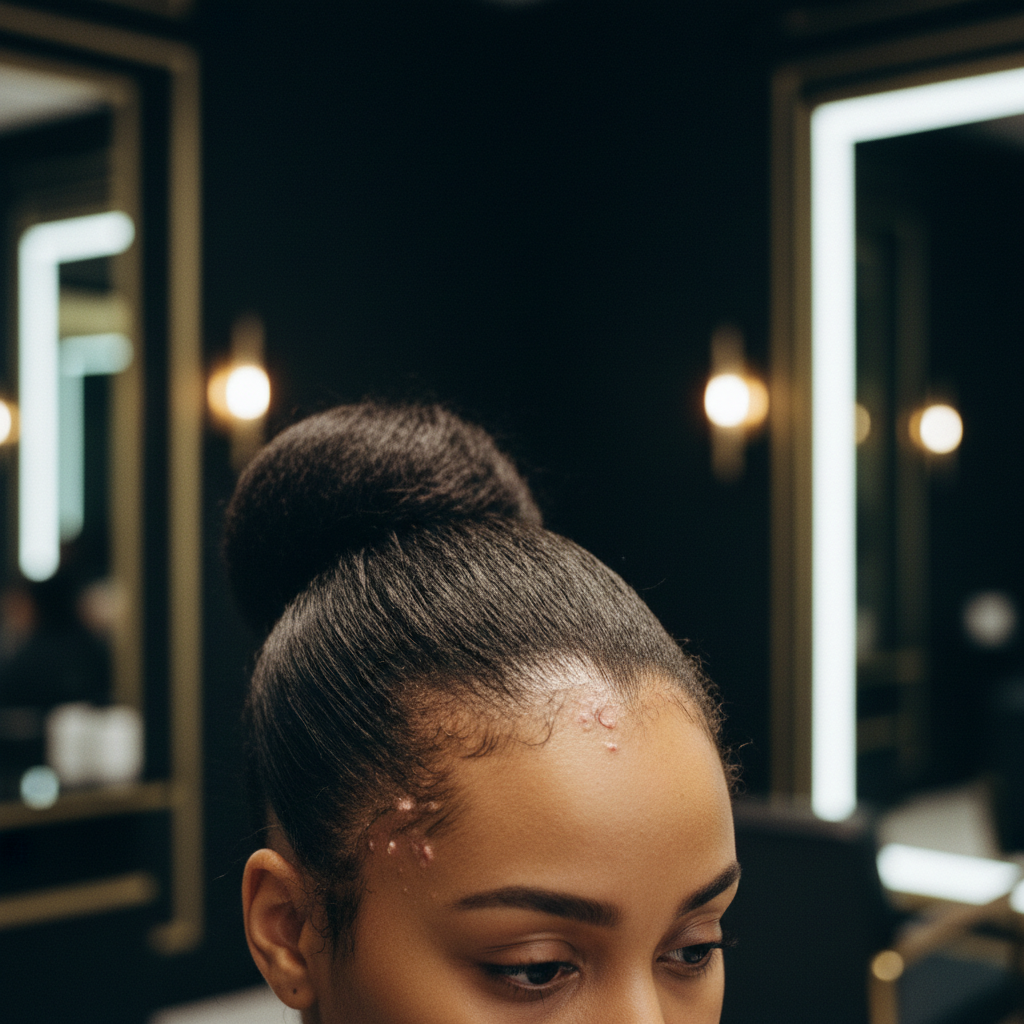
Quick answer: Recognising the early signs of traction alopecia is crucial because this mechanical form of hair loss is completely reversible in its preliminary phases, but can become permanent if persistent physical tension causes irreversible follicular scarring. The primary signs of traction alopecia include scalp tenderness, erythema, folliculitis (small pimples or bumps along the hairline), receding hair margins, and the presence of broken hairs or "fringe sign" along the frontal and temporal edges. If tension is removed promptly, follicles generally recover within months.
Key takeaways
- Traction alopecia is hair loss caused by repetitive, prolonged mechanical pulling on the hair follicle.
- Early warning signs include scalp tenderness, itching, redness, and small follicular pustules or papules where tension is highest.
- A classic clinical hallmark is the "fringe sign", where a thin rim of shorter, finer hairs persists along the immediate hairline while hair behind it recedes.
- The condition is fully reversible in its early, non-scarring stage; prolonged tension leads to permanent follicular scarring (cicatricial alopecia).
- Anyone wearing tight hairstyles, heavy extensions, tight turbans, or continuous sports headwear can develop this condition, regardless of hair texture.
Signs of Traction Alopecia: what the evidence shows
Clinical dermatology categorises the development of traction alopecia into two distinct phases: early (non-cicatricial) and late (cicatricial). Recognising the earliest signs of traction alopecia allows you to intervene long before permanent follicular destruction takes place.
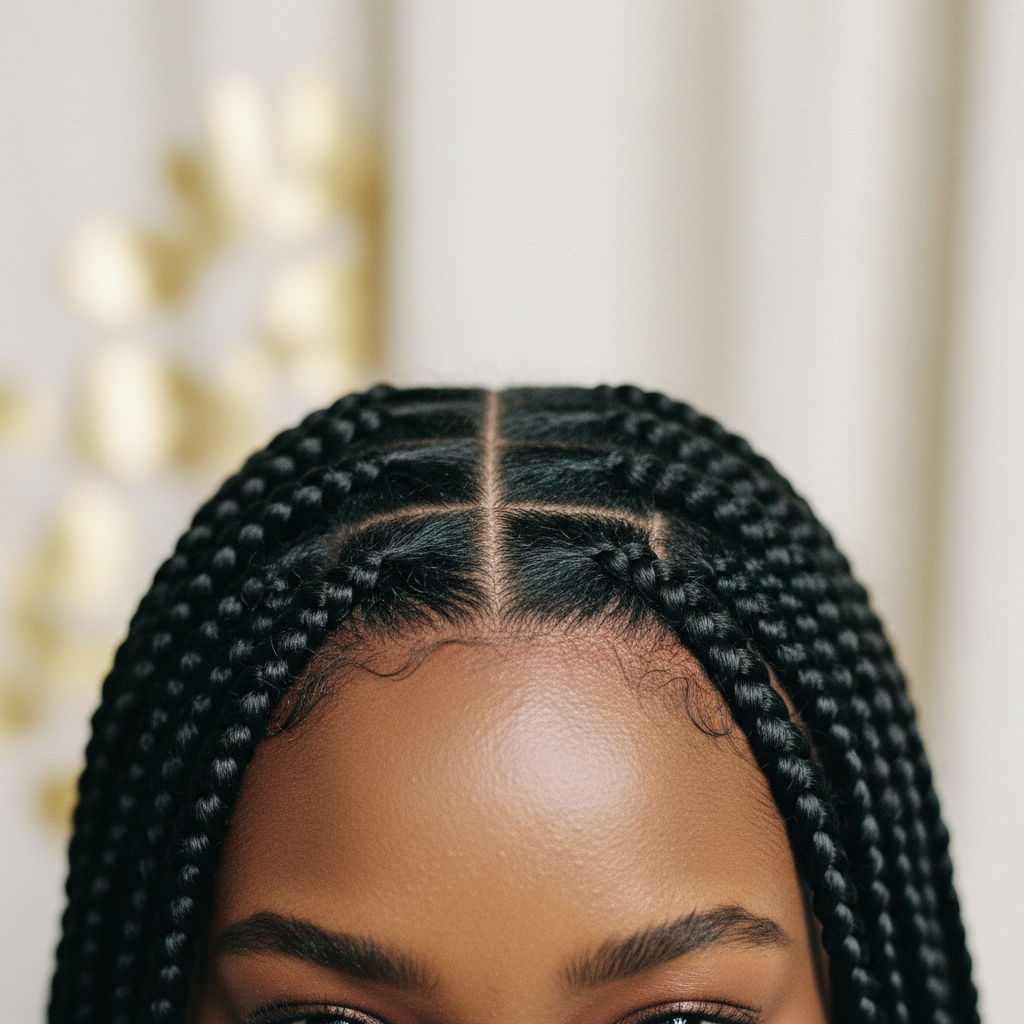
Research published in the Journal of the American Academy of Dermatology and the British Journal of Dermatology confirms that mechanical tension triggers a localised inflammatory cascade around the infundibulum (the upper portion of the hair follicle). As mechanical strain pulls the hair root, the surrounding tissue reacts with inflammation, miniature micro-tears, and eventual follicular detachment.
1. Follicular papules and pustules (traction folliculitis)
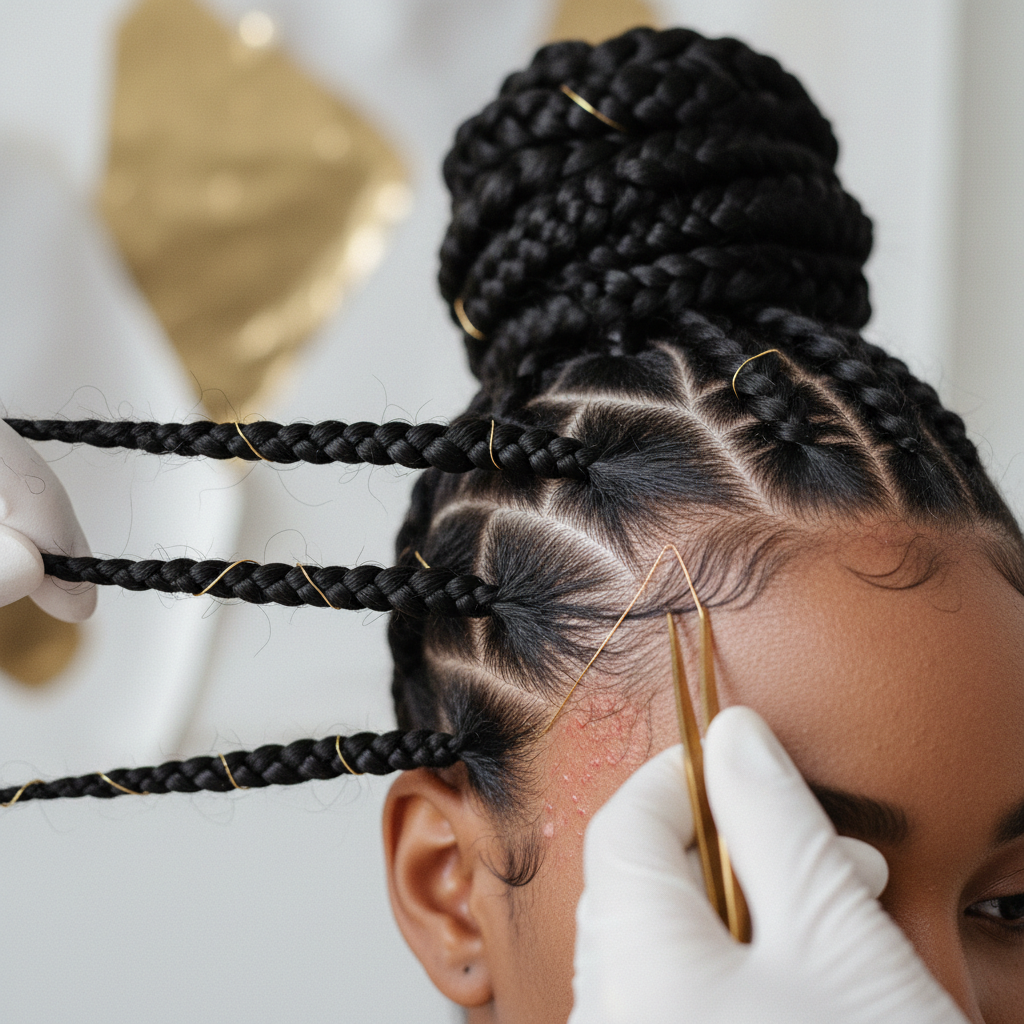
One of the most reliable early warnings is traction folliculitis. Within hours to days of having a tight hairstyle installed, such as micro-braids, tight ponytails, or cornrows, small red bumps (papules) or whitehead-like blisters (pustules) erupt around the hair follicles. These bumps are sterile inflammatory reactions to mechanical tension, not typical bacterial acne.
2. Scalp tenderness, stinging, and itch
Before hair begins to shed, the scalp frequently hurts. Tenderness when resting your head on a pillow, burning, or sudden itching along the margin of the hairstyle signals excessive tension on the dermal nerve endings and follicles. A feeling of headache or scalp tightness immediately after styling is a clear clinical indicator that tension exceeds physiological limits.
3. Hairline recession and thinning
Traction typically targets the areas bearing the greatest mechanical load. For high ponytails and buns, this is the temporal regions and frontal hairline. For heavy dreadlocks or weighted braids, thinning may appear across the crown or along part lines. You will notice the hairline creeping back, creating wider spaces between individual hair fibres.
4. The "fringe sign"
Dermatologists look specifically for the "fringe sign" when diagnosing mechanical hair loss. This occurs along the frontal or temporal hairline, where a delicate, narrow band of fine vellus and intermediate hairs remains intact at the outermost edge, directly in front of an area of bare or thinning scalp. Because these wispy edge hairs were too short to be caught in the tight braid, weave, or band, they escape mechanical tension entirely, remaining behind as clinical evidence.
5. Retained follicular casts
You may observe small, white, keratinous rings sliding along the hair shaft near the scalp. Known as hair casts (pseudonits), these tubular structures represent inner root sheath material that has been mechanically dislodged and pulled upwards as the hair fibre stretches under continuous tension.
Early signs vs late-stage scarring
Understanding where you are on the timeline determines whether hair regrowth is possible without medical intervention.
| Feature | Early Stage (Non-Scarring) | Late Stage (Scarring / Cicatricial) |
|---|---|---|
| Follicular Openings | Visible, patent pores across the scalp | Absent; scalp looks shiny, ivory, and smooth |
| Scalp Sensation | Soreness, itching, stinging, tenderness | Numbness, lack of pain, or normal sensation |
| Skin Appearance | Redness, bumps, small white pustules | Pale, fibrotic, completely featureless skin |
| Reversibility | Fully reversible within 3 to 9 months | Permanent; lost follicles cannot grow new fibres |
| Required Action | Release tension, adopt low-manipulation styles | Consult dermatologist; potential surgical grafting |
What causes the mechanical tension?
The follicle can withstand periodic brushing and movement, but continuous isometric tension alters the biological hair cycle. The hair root is anchored within the dermis by the outer and inner root sheaths. Sustained pulling triggers mechanical trauma, pushing growing anagen hairs prematurely into catagen (the regression phase) and telogen (the resting phase).
Over time, recurrent traction leads to micro-ischaemia (reduced local blood supply to the dermal papilla) and perifollicular fibrosis, where tough scar tissue replaces the dermal sheath and stem cell niche. Once the stem cells in the follicular bulge are destroyed, the follicle can no longer generate a hair fibre.
Common culprits include:
- Tight ponytails, high buns, and slicked-back updos worn daily.
- Box braids, micro-braids, cornrows, and twists installed with high root tension.
- Sew-in weaves, tape extensions, and bonded hair pieces bearing excessive weight.
- Religious or cultural headwear (tight turbans, veils) worn securely against the hairline without breaks.
- Sports equipment (tight swimming caps, helmets, or cycling headbands) worn repeatedly over identical areas.
- Chemical relaxers or perms combined with mechanical pulling, which weakens the protein bonds of the hair fibre and makes the follicle more vulnerable to mechanical trauma.
What the evidence does not show
It is vital to clear up several common misconceptions regarding this condition:
- It is not an autoimmune issue: Unlike alopecia areata, where the body's immune system attacks healthy follicles, traction alopecia is purely physical and mechanical.
- It is not caused by hair products alone: Gels, edge controls, and pomades do not cause traction alopecia on their own. However, using heavy-hold styling waxes to pull hair rigidly against the scalp increases mechanical friction and tension.
- It does not affect only afro-textured hair: While individuals with coiled or afro hair textures often wear protective styles that carry a higher risk if done too tightly, any person of any ethnicity who wears tight hairstyles, sports buns, or heavy extensions can develop the condition.
- Breakage is not the same as traction alopecia: Breakage occurs when the hair shaft snaps due to dryness or chemical damage, leaving the follicle intact and active. Traction alopecia involves mechanical distress directly at the follicular root, causing the root to yield or become damaged.
What you can do: steps to reverse early signs
If you catch the warning signs early, the follicles remain viable, and regrowth is achievable.
1. Release the tension immediately
If a new hairstyle hurts, causes headaches, or displays bumps along your hairline within 24 hours, take it out or loosen it immediately. No aesthetic style is worth permanent follicular loss. Ask your stylist to braid loosely, leaving your delicate edge hairs free.
2. Implement the two-finger rule
When wearing ponytails or buns, you should be able to slide two fingers comfortably underneath the hair tie against your scalp. If the skin on your forehead or temples shifts when you move your ponytail, it is too tight.
3. Rotate styles and take styling breaks
Never move directly from one tight, high-tension style into another. Allow your scalp a minimum of two to four weeks of rest in loose, natural styles between weaves, braids, or extensions. Rotate where your ponytail sits (low nape one day, loose clip the next) to avoid concentrating physical stress on the same follicles.
4. Support follicle recovery and condition
Keep the scalp clean and balanced while recovering from early mechanical stress. A calm, nourished scalp environment supports healthy hair production as follicles reset their cycles.
Products like the Watermans Grow Me range (featuring naturally derived stimulating ingredients like caffeine, rosemary, biotin, and niacinamide) are formulated to revitalise the appearance of thinning edges and keep the scalp environment fresh, balanced, and invigorated. While cosmetic shampoos cannot repair physical scarring, maintaining top-tier scalp hygiene and optimal surface condition provides the ideal foundation as resting follicles transition back into the anagen growth phase.
When the cause may be something else
Hair loss along the margins of the scalp is not always mechanical. A board-certified dermatologist will consider other conditions during a consultation:
- Frontal Fibrosing Alopecia (FFA): A form of scarring alopecia that primarily affects post-menopausal women, causing a receding frontal hairline often accompanied by the loss of eyebrow hair. Unlike traction alopecia, FFA typically lacks the "fringe sign" and exhibits prominent follicular hyperkeratosis.
- Female Pattern Hair Loss (Androgenetic Alopecia): This condition produces diffuse thinning across the crown and central parting, typically preserving the frontal hairline rim.
- Trichotillomania: A behavioural impulse-control disorder involving the compulsive pulling of one's own hair, which results in irregular, asymmetric patches with broken hairs of varying lengths.
- Telogen Effluvium: A temporary, rapid shedding across the entire scalp triggered by systemic stress, illness, nutritional deficits, or hormonal shifts, rather than localised mechanical pulling.
When to see a doctor or dermatologist
Book an appointment with a dermatologist or trichologist if:
- Scalp bumps, pustules, or tenderness persist for more than a few days after releasing tension.
- You see completely smooth, shiny patches of skin where hair used to grow.
- You notice unexplained thinning that does not improve after three months of wearing loose styles.
- Your hairline recession is accompanied by skin discolouration, severe scaling, or loss of body hair elsewhere.
A specialist can use dermoscopy to examine your follicular ostia (pores) up close. If empty, scarred follicles are present, they can provide clinical treatments, such as topical anti-inflammatory solutions or medical-grade interventions, to protect remaining hair.
Frequently asked questions about Signs of Traction Alopecia
How long does it take for early signs of traction alopecia to reverse?
Once you completely eliminate the source of physical tension, early-stage traction alopecia typically begins to reverse within three to six months. Hair grows at an average rate of 1 to 1.25 cm per month, so visible recovery around the hairline usually takes several cycles of the anagen phase to show noticeable density.
Can tight headbands or sports headwear cause signs of traction alopecia?
Yes. Elasticated athletic headbands, tight swimming caps, cycling helmets, and religious head coverings worn tightly in the same position day after day create sustained friction and pull. If you notice tenderness or thinning where the band grips your scalp, switch to looser, seamless fabrics and adjust their placement.
What is the earliest detectable warning sign of traction alopecia?
The very first sign is usually sensory: localized scalp tenderness, a stinging sensation, or an itching feeling along the perimeter of the hair. This is quickly followed by traction folliculitis, which presents as tiny red bumps or pustules at the base of the hair shaft where pulling is strongest.
Does traction alopecia always start at the front hairline?
No. While the temporal and frontal hairlines are the most common sites due to updos and ponytails, traction alopecia develops wherever tension is applied. If you consistently wear a tight bun at the crown, thinning will appear at the crown or the nape of the neck.
Can scarred traction alopecia ever grow back naturally?
No. Once prolonged mechanical tension causes scarring, the hair follicle is permanently destroyed and replaced with fibrotic connective tissue. In this late stage, hair cannot regrow naturally. At that point, surgical hair transplantation or cosmetic styling techniques are the only ways to restore coverage.
Conclusion
Catching the signs of traction alopecia early is the single most important factor in saving your hairline. Mechanical hair loss does not happen overnight; your scalp gives clear warning signals through tenderness, inflammation, bumps, and wispy fringe hairs long before follicles undergo irreversible fibrotic damage. By listening to your scalp, loosening high-tension hairstyles, giving your hair ample rest periods between heavy installations, and maintaining a healthy, nourished scalp environment, you can protect your natural hair density for years to come.
Sources and references
- British Association of Dermatologists. Traction Alopecia Patient Information Leaflet. 2020.
- Journal of the American Academy of Dermatology. Traction alopecia: the root of the problem. 2017.
- American Academy of Dermatology Association. Hairstyles that pull can cause hair loss. 2021.
- International Journal of Dermatology. Traction alopecia: a systematic review of its prevalence, prevention, and treatment. 2018.
- NHS. Hair loss (alopecia). 2023.
Find these ingredients in Watermans products
- Biotin: you will find this ingredient in our Hair Growth Shampoo.
- Niacinamide: you will find this ingredient in our Hair Mask.