Seborrhoeic Dermatitis Treatment: Clinical Evidence and Scalp Care
10 min read ·
A clinical guide to seborrhoeic dermatitis treatment, explaining antifungal agents, biological causes, scale management, and effective scalp care routines.
Quick answer: Effective seborrhoeic dermatitis treatment focuses on controlling the yeast Malassezia, reducing epidermal inflammation, and clearing greasy flakes from the scalp. Medical guidelines recommend topical antifungals such as ketoconazole 2% or ciclopirox olamine, combined with keratolytic agents like salicylic acid to soften scales. The primary limitation of any seborrhoeic dermatitis treatment is that it manages symptoms rather than curing the underlying genetic and immunological tendency, meaning flare-ups often recur when maintenance routines stop.
Key takeaways
- Seborrhoeic dermatitis is a chronic inflammatory skin condition linked to an overgrowth of lipophilic Malassezia yeasts feeding on sebum.
- Medical management centres on topical antifungal shampoos, anti-inflammatory agents, and scale-softening keratolytics.
- Active flare-ups require dedicated medicinal washes left on the scalp for 3 to 5 minutes to penetrate the stratum corneum.
- Maintenance therapy, typically using a therapeutic wash once weekly, prevents the rapid rebound of fungal populations.
- Harsh mechanical scraping damages the skin barrier and can trigger secondary bacterial infections or temporary hair shedding.
Seborrhoeic Dermatitis Treatment: what the evidence shows
Clinical guidelines from the National Institute for Health and Care Excellence (NICE) and the British Association of Dermatologists outline a stepped approach to seborrhoeic dermatitis treatment. Because the condition stems from an inflammatory reaction to oleic acid, a byproduct formed when Malassezia yeast hydrolyses human sebum, suppressing fungal colonisation remains the primary therapeutic objective.
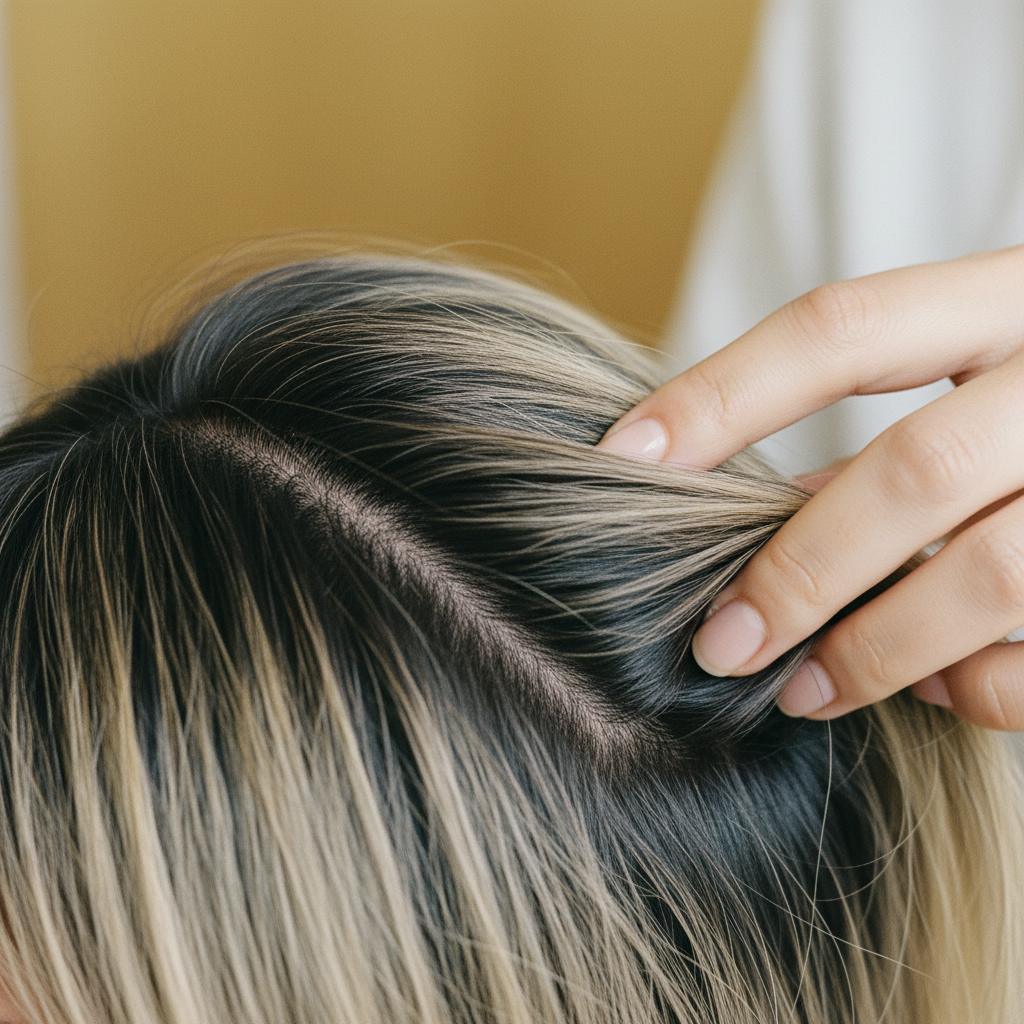
Evidence strongly supports the use of topical antifungal washes. Ketoconazole 2% shampoo used twice weekly for 2 to 4 weeks shows substantial efficacy in clearing erythema (redness) and scaling. Studies report response rates exceeding 70% in randomised controlled trials. Ciclopirox olamine 1% shampoo provides a comparable therapeutic profile, offering both antifungal and secondary anti-inflammatory actions.
Zinc pyrithione (1% to 2%) and selenium sulphide (2.5%) serve as well-evidenced secondary options. Both reduce fungal viability and slow the excessive turnover of epidermal cells. For heavy, adherent plaques, keratolytic agents containing salicylic acid (2% to 3%) or coal tar extracts break down the desmosomes holding dead corneocytes together, allowing scales to wash away without abrasive friction.
When intense erythema and pruritus (itching) occur, clinical protocols permit short courses of mild to moderate topical corticosteroids, such as hydrocortisone 1% or betamethasone valerate 0.025%. These agents quell the immune response quickly, but clinicians limit their use to 7 to 14 days to prevent cutaneous atrophy, telangiectasia, or rebound dermatitis.
What the evidence does not show
Controlled research does not support the claim that seborrhoeic dermatitis stems from poor personal hygiene. Washing hair infrequently may allow sebum and yeast metabolites to accumulate, but the root cause is biochemical and immunological rather than environmental dirt.
Furthermore, there is no strong clinical proof that strict dietary restrictions reliably resolve scalp seborrhoeic dermatitis. While high-glycaemic diets or food intolerances can subtly alter systemic inflammation, clinical trials have not demonstrated that eliminating yeast, sugar, or gluten clears scalp lesions without topical medical intervention.
Natural remedies, such as tea tree oil or diluted apple cider vinegar, show some antimicrobial properties in laboratory settings. However, clinical evidence in humans remains mixed and limited. Undiluted essential oils frequently cause allergic contact dermatitis, which compounds scalp irritation rather than treating it.
The underlying biological mechanism
To treat seborrhoeic dermatitis successfully, you need to understand the biological loop occurring on the scalp:
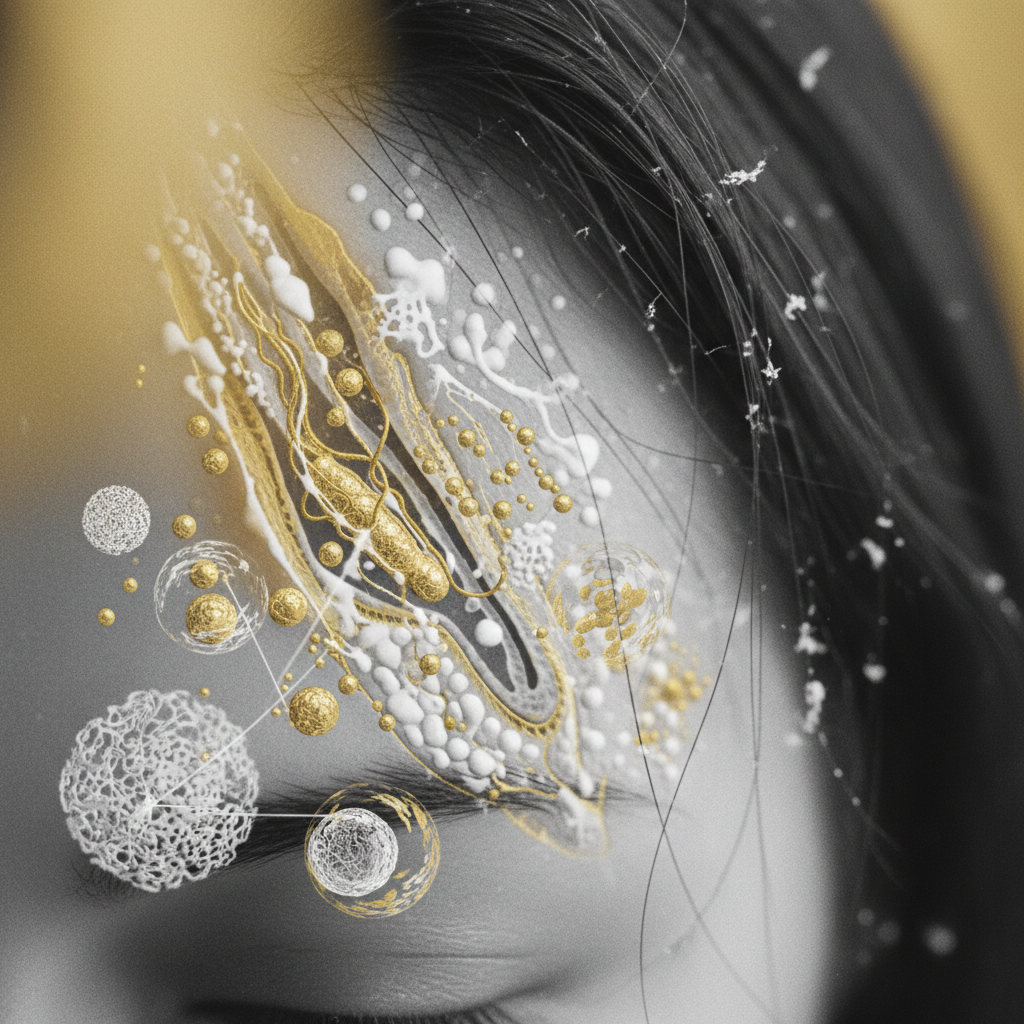
- Sebum production: Sebaceous glands produce lipid-rich sebum under the influence of androgens. This natural lipid mantle consists of triglycerides, squalene, and wax esters.
- Yeast proliferation: Commensal yeasts of the genus Malassezia (predominantly M. Restricta and M. Globosa) require external lipids to survive. They produce extracellular lipases that split sebum triglycerides.
- Free fatty acid release: The lipase action consumes saturated fatty acids, leaving behind irritant unsaturated fatty acids, primarily oleic acid and arachidonic acid.
- Barrier disruption and immune response: In susceptible individuals, these free fatty acids penetrate a vulnerable stratum corneum. This triggers an inflammatory cascade, upregulating cytokines such as IL-1-alpha, IL-6, and TNF-alpha.
- Hyperkeratosis: The epidermis reacts to chronic inflammation by accelerating cell division. Corneocytes migrate to the surface in 7 to 10 days instead of the normal 28 days, clumping together as oily, yellow scales.
Excess Sebum -> Malassezia Lipase Cleavage -> Free Fatty Acid Irritation -> Inflammatory Cytokines -> Rapid Cell Turnover & Flaking
Signs and clinical presentation
Identifying seborrhoeic dermatitis requires distinguishing its signs from ordinary dry scalp or scalp psoriasis. Look for:
- Erythematous plaques: Pink to dull red patches across the scalp, often concentrated along the anterior hairline, crown, and behind the ears.
- Greasy scales: Yellowish, oily flakes that adhere tightly to the scalp and hair shafts, unlike the dry, white, powdery flakes seen in standard pityriasis capitis (dandruff).
- Pruritus: Mild to severe itching, often intensifying when sweating or exposed to heat.
- Burning sensation: A raw, tender feeling across the scalp caused by micro-fissures in the damaged skin barrier.
- Follicular cast formation: Scales enveloping the base of hair shafts, which can occasionally induce telogen effluvium (temporary shedding) if severe inflammation disrupts normal follicular cycling.
Active management options compared
The table below summarises the primary clinical options used in seborrhoeic dermatitis treatment, their specific targets, and typical usage schedules based on UK clinical consensus.
| Agent Class | Active Ingredients | Primary Mechanism | Typical Application Schedule |
|---|---|---|---|
| Topical Antifungals | Ketoconazole 2%, Ciclopirox 1% | Disrupts fungal cell membrane ergosterol synthesis | 2 to 3 times weekly for 2 to 4 weeks; then once weekly |
| Cytostatic / Antifungal | Zinc Pyrithione 1% to 2%, Selenium Sulphide 2.5% | Inhibits cellular transport; slows epidermal turnover | 2 times weekly during active flare |
| Keratolytics | Salicylic Acid 2% to 3%, Coal Tar extracts | Solubilises intercellular cement to loosen adherent scales | 1 to 2 times weekly until thick scales clear |
| Topical Corticosteroids | Hydrocortisone 1%, Betamethasone 0.025% | Rapidly downregulates inflammatory cytokine production | Once daily for 5 to 14 days maximum |
| Topical Calcineurin Inhibitors | Tacrolimus 0.1%, Pimecrolimus 1% | Inhibits T-lymphocyte activation without steroid side effects | Off-label; used in steroid-resistant cases on skin folds |
Practical steps for scalp care
Managing this condition requires a balance between medical actives and barrier preservation. Follow these steps during an active flare:
- Ensure adequate contact time: When using a medicated shampoo containing ketoconazole or zinc pyrithione, lather the product directly onto the scalp skin, not just the hair fibre. Leave it undisturbed for 3 to 5 minutes before rinsing thoroughly. Active molecules need contact time to penetrate the stratum corneum.
- Avoid aggressive exfoliation: Do not pick, scrape, or aggressively brush thick scales off dry skin. This triggers the Koebner phenomenon (worsening inflammation from physical trauma) and can pull hair fibres out prematurely.
- Pre-soften thick crusts: If heavy scales cover the scalp, apply mineral oil or an emollient lotion for 30 minutes prior to washing to loosen the lipid matrix. Then cleanse with a keratolytic shampoo containing salicylic acid.
- Alternate with gentle cleansers: Using strong antifungal shampoos daily can strip the hair fibre, leading to dryness and breakage along the shaft. Wash on alternate days using a mild, sulphate-conscious, pH-balanced cleanser (pH 5.0 to 5.5) to protect cuticle health.
- Maintain a preventative schedule: Once erythema and scaling resolve, transition to a maintenance protocol. Using an antifungal shampoo once every 7 to 14 days prevents Malassezia colonies from repopulating the sebaceous follicles.
Exploring Watermans cosmetic support
While medical actives target the microbiological aspects of seborrhoeic dermatitis, keeping the scalp environment clean and the hair fibre strong remains essential. Cosmetic formulas cannot cure chronic medical dermatitis, but they help maintain cosmetic hygiene between medicated washes.
Watermans products, such as Grow Me Shampoo and Condition Me Conditioner, are formulated to cleanse the scalp surface thoroughly while supporting hair strength and vitality. Incorporating ingredients like biotin, rosemary, caffeine, and argan oil, they offer an invigorating wash experience that cleanses away residual surface oils without harsh abrasive mechanics. For individuals experiencing temporary shedding related to scalp stress, these formulations help support thicker-looking, resilient hair while respecting the scalp environment.
When the cause may be something else
Several scalp conditions mimic seborrhoeic dermatitis. If standard interventions fail to produce improvement within four weeks, consider these alternatives:
- Scalp Psoriasis: Features well-demarcated, thicker, silvery-white plaques that feel dry rather than oily. It frequently extends beyond the hairline and is often accompanied by nail pitting or plaques on elbows and knees.
- Contact Dermatitis: An allergic or irritant response to hair dyes (such as paraphenylenediamine), fragrances, or preservatives. It causes acute burning, blistering, or intense itching immediately following product application.
- Tinea Capitis: A fungal dermatophyte infection common in children. It features circular scaly patches, brittle broken hairs snapped at the follicular orifice (black dot appearance), and occasional cervical lymphadenopathy.
- Atopic Eczema: Typically presents with generalised, severely dry, non-greasy scaling, accompanied by flexural eczema in the creases of the elbows and knees.
When to seek professional advice
Consult a general practitioner, trichologist, or dermatologist under any of the following circumstances:
- Over-the-counter medicated shampoos fail to relieve flaking or redness after 4 weeks of compliant use.
- The scalp develops yellow weeping crusts, pustules, or extreme tenderness, which suggest a secondary bacterial infection (such as Staphylococcus aureus).
- Inflammation spreads substantially onto the face, eyelids (blepharitis), neck, or chest.
- You observe persistent patches of hair loss with scarring, smooth bare skin, or follicular plugging, which may indicate a cicatricial alopecia rather than benign shedding.
Frequently asked questions about Seborrhoeic Dermatitis Treatment
Can seborrhoeic dermatitis cause permanent hair loss?
Seborrhoeic dermatitis does not cause permanent scarring hair loss. Severe inflammation and compulsive scratching can traumatise hair follicles, occasionally causing temporary hair shedding (telogen effluvium) or mechanical hair breakage. Once the underlying inflammation is brought under control through targeted therapy, normal follicular growth cycles resume.
What is the most effective active ingredient in seborrhoeic dermatitis treatment?
Topical ketoconazole 2% remains the gold standard in seborrhoeic dermatitis treatment. Extensive clinical trials show it significantly reduces Malassezia yeast counts, diminishes erythema, and controls flaking. Ciclopirox olamine 1% is equally effective, while zinc pyrithione and selenium sulphide provide excellent secondary options.
How often should I wash my hair if I have scalp seborrhoeic dermatitis?
Most dermatologists recommend washing the scalp daily or every other day during an active flare. Regular washing removes sebum, clearing the lipid source that sustains yeast growth. During flare-ups, rotate a medicated wash two to three times weekly, using a gentle, pH-balanced formula on the other days.
Why does seborrhoeic dermatitis keep coming back?
The condition is a chronic, relapsing disorder. Treatments suppress Malassezia populations and quell cutaneous inflammation, but they do not permanently alter your individual immune response or baseline sebum production. When you discontinue all treatments, yeasts naturally repopulate the follicles, precipitating a new flare-up.
Does cold weather trigger seborrhoeic dermatitis flares?
Yes, dry indoor heating and low outdoor humidity during autumn and winter frequently exacerbate symptoms. Cold air dehydrates the skin barrier, reducing its defensive integrity and allowing irritant fatty acids produced by Malassezia to penetrate more easily, which triggers an inflammatory response.
Navigating your ongoing scalp health
Achieving lasting relief from scaling and erythema requires consistency, patience, and barrier-respectful hair practices. Because seborrhoeic dermatitis is a chronic skin tendency rather than a short-term infection, managing it relies on understanding your specific triggers and maintaining a sustainable cleansing routine.
By integrating clinically supported antifungal washes during active flares and sustaining a gentle maintenance regimen, you can control fungal overgrowth, soothe the scalp barrier, and protect your hair from unnecessary stress. A balanced seborrhoeic dermatitis treatment approach ensures that your scalp stays comfortable and clear over the long term.
Sources and references
- National Institute for Health and Care Excellence (NICE). Seborrhoeic dermatitis: Clinical Knowledge Summary. 2022.
- British Association of Dermatologists. Patient Information Leaflet: Seborrhoeic Dermatitis. 2020.
- Borda, L. J., & Wikramanayake, T. C. Seborrheic Dermatitis and Dandruff: A Comprehensive Review. Journal of Clinical and Investigative Dermatology, 2015.
- Gupta, A. K., & Bluhm, R. Ciclopirox (Loprox) shampoo for treating seborrheic dermatitis. International Journal of Dermatology, 2004.
- Dawson, T. L. Malassezia globosa and restricta: Breakthrough Understanding of the Etiology and Treatment of Dandruff and Seborrheic Dermatitis through Whole-Genome Sequencing. Journal of Investigative Dermatology Symposium Proceedings, 2007.
Find these ingredients in Watermans products
- Zinc: you will find this ingredient in our Hair Vitamins.
- Oleic Acid: you will find this ingredient in our Camellia & Black Castor Hair & Body Oil.