The Science of Keratin
5 min read ·
Keratin, a fibrous structural protein, is the primary building block of hair, skin, and nails, providing strength, protection, and elasticity to these tissues.
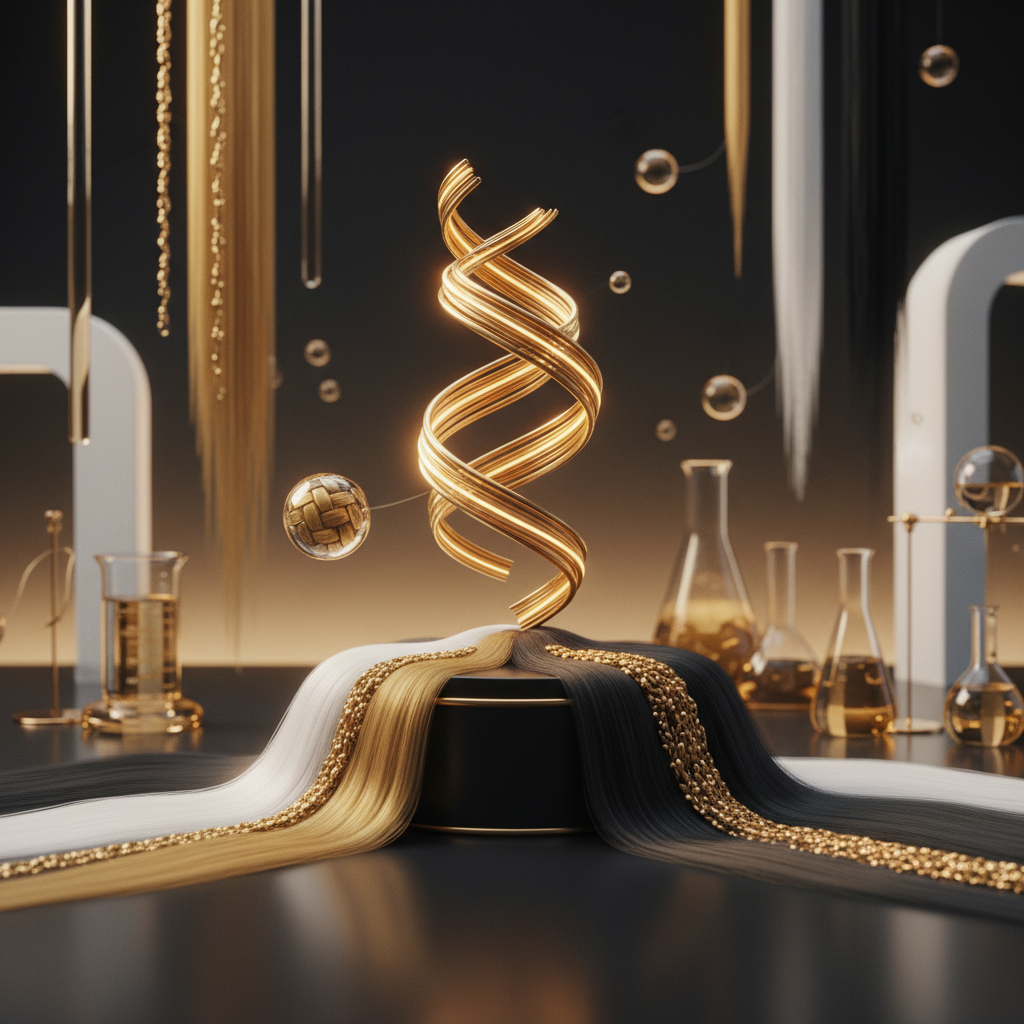
What is Keratin?
Keratin is a family of fibrous structural proteins that form the primary constituent of hair, skin, and nails in humans and many other animals. It is a fundamental component of the integumentary system, providing strength, protection, and elasticity to these tissues. There are two main types of keratin: alpha-keratin and beta-keratin. In humans, all keratin found in hair, skin, and nails is alpha-keratin. Beta-keratin is found in the scales, claws, and feathers of reptiles and birds.
Keratin proteins are rich in the amino acid cysteine, which contains sulfur atoms. These sulfur atoms form disulfide bonds, creating strong cross-links between keratin molecules. These disulfide bonds are crucial for the structural integrity and resilience of hair. The more disulfide bonds present, the stronger and more resistant the hair is to damage.
Keratin's Role in Hair Structure
Hair is primarily composed of keratin. Each strand of hair consists of three main layers:
- Cuticle: The outermost layer, composed of overlapping, transparent, scale-like cells. The cuticle protects the inner layers of the hair shaft and contributes to its shine and smoothness. A healthy cuticle lies flat, reflecting light and preventing moisture loss.
- Cortex: The middle and thickest layer, containing keratin bundles, which give hair its strength, elasticity, and colour (due to melanin pigments). The cortex is where most of the hair's structural integrity resides.
- Medulla: The innermost layer, present in some hair types but not all. Its exact function is still debated, but it is thought to play a role in the hair's overall thickness and insulation.
The keratin within the cortex is arranged in complex, helical structures called intermediate filaments. These filaments are further organized into macroscopic bundles, providing hair with its remarkable tensile strength and flexibility.
Factors Affecting Keratin in Hair
Several factors can impact the health and integrity of keratin in hair:
- Chemical Treatments: Processes like perming, chemical straightening, and colouring involve breaking and reforming disulfide bonds, which can weaken the keratin structure if not done carefully. Over-processing can lead to damage, breakage, and a compromised hair shaft.
- Heat Styling: Excessive heat from styling tools (flat irons, curling irons, blow dryers) can denature keratin proteins, leading to dryness, brittleness, and split ends. Heat causes the hydrogen bonds in keratin to break, and prolonged or intense heat can lead to irreversible damage.
- UV Radiation: Prolonged exposure to ultraviolet (UV) rays from the sun can degrade keratin and melanin, resulting in weakened, discolored, and dry hair. UV radiation generates free radicals that attack the protein structure.
- Environmental Factors: Pollution, harsh weather conditions, and even hard water can strip the hair of its natural oils and weaken the cuticle, making the keratin more vulnerable to damage.
- Nutritional Deficiencies: A diet lacking essential proteins, vitamins (especially A, C, D, E, B vitamins), and minerals (like zinc and iron) can impair the body's ability to produce healthy keratin, leading to dull, weak, or thinning hair.
The Benefits of Keratin for Hair Health
Maintaining healthy keratin is vital for strong, lustrous hair. Here are some key benefits:
- Strength and Durability: Keratin provides hair with its inherent strength, helping it resist breakage and external stressors.
- Elasticity: Healthy keratin allows hair to stretch and return to its original shape without snapping, contributing to its manageability.
- Smoothness and Shine: A smooth, intact cuticle, rich in keratin, reflects light effectively, resulting in shiny, frizz-free hair. When the cuticle is damaged, it becomes rough and raises, leading to a dull appearance and increased tangling.
- Protection: Keratin acts as a protective barrier against environmental damage, heat, and chemical exposure.
Keratin Hair Treatments
"Keratin treatments" or "Brazilian blowouts" are salon services designed to smooth and de-frizz hair. These treatments typically involve applying a liquid keratin formula to the hair, followed by heat sealing. The process temporarily coats the hair shaft, filling in porous areas and creating a smoother, shinier appearance. The primary smoothing agent in many of these treatments is often formaldehyde or formaldehyde-releasing chemicals, which modify the hair's disulfide bonds. While these treatments can provide significant aesthetic benefits, their chemical nature means proper application by a trained professional is crucial to avoid damage.
Alternatively, many haircare products, such as shampoos, conditioners, and masks, contain hydrolyzed keratin. Hydrolyzed keratin is keratin protein that has been broken down into smaller molecules, allowing it to penetrate the hair shaft more effectively or temporarily bind to the outer layers of the hair. These products aim to replenish lost protein, strengthen the hair, reduce breakage, and improve overall texture and appearance. They do not permanently alter the hair's structure in the way a chemical straightening treatment would.
Maintaining Keratin Health
To support healthy keratin and robust hair, consider these practices:
- Gentle Cleansing: Use a mild shampoo that cleanses without stripping natural oils. Watermans GrowMe Shampoo is formulated with hydrolyzed lupin protein, which contains essential amino acids to support hair health and strength.
- Conditioning: Regularly use a conditioner to smooth the cuticle, hydrate the hair, and provide a protective layer. Watermans GrowMe Conditioner complements the shampoo by further nourishing and strengthening the hair.
- Heat Protection: Always apply a heat protection product before using heat styling tools to minimise thermal damage to keratin.
- Balanced Diet: Consume a diet rich in protein, vitamins, and minerals essential for healthy hair growth and keratin synthesis.
- Limit Chemical Exposure: Minimize the frequency of chemical treatments and ensure they are performed by experienced professionals.
- Protective Styling: Opt for hairstyles that reduce tension on the hair shaft and protect it from environmental stressors.
By understanding the science of keratin and implementing supportive haircare practices, individuals can significantly improve the strength, health, and appearance of their hair.
Find these ingredients in Watermans products
- Zinc, you will find this ingredient in our Hair Vitamins.