Scalp Sunburn and Follicle Health: Impact, Recovery, and Prevention
9 min read ·
Learn how UV radiation affects follicle function, how to treat burns, and the clear relationship between Scalp Sunburn and Follicle Health.
Quick answer: The relationship between Scalp Sunburn and Follicle Health centres on acute ultraviolet radiation causing phototoxic injury, epidermal inflammation, and oxidative stress around hair roots. While superficial sunburn temporarily disrupts the scalp barrier and triggers shedding (telogen effluvium) weeks later, the main limitation is that hair follicles sit 2 to 4 millimetres deep within the dermis, protecting stem cells from permanent destruction unless severe blistering burns cause scarring alopecia.
Key takeaways
- Ultraviolet (UV) radiation damages the epidermal barrier of the scalp, creating acute erythema, peeling, and localised oxidative stress.
- Deep follicle stem cells generally sit protected beneath the epidermis, meaning a standard sunburn causes temporary shedding rather than permanent follicle destruction.
- Severe, blistering solar burns can cause scarring and subsequent localized cicatricial alopecia, though this is clinically rare.
- Photodamage to the hair fibre itself degrades keratin protein bonds, causing brittleness, colour fading, and split ends.
- Protective measures include broad-brimmed hats, dedicated scalp sunscreens with an SPF of 30 or higher, and zinc-based physical blockers applied along hair partings.
Scalp Sunburn and Follicle Health: what the evidence shows
Clinical research into Scalp Sunburn and Follicle Health demonstrates that ultraviolet radiation (both UVA and UVB) alters the cutaneous microenvironment surrounding hair follicles. When the scalp sustains an acute solar burn, keratinocytes release pro-inflammatory cytokines such as interleukin-1 (IL-1), interleukin-6 (IL-6), and tumour necrosis factor-alpha (TNF-a). This sudden flood of inflammatory mediators creates vascular dilation, microvascular leakage, and mast cell degranulation across the upper dermis.
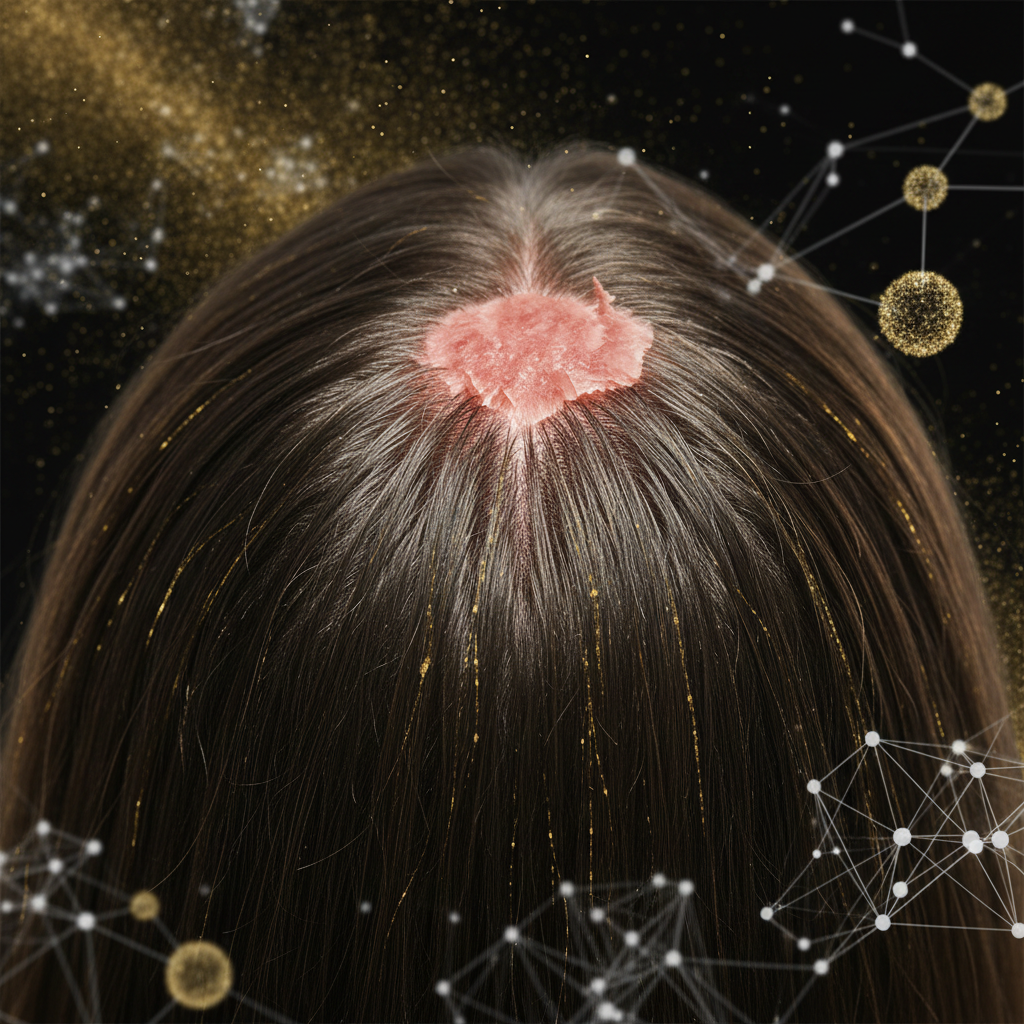
Studies published in photodermatology journals confirm that hair follicles in the active growth phase (anagen) are highly metabolically active and sensitive to surrounding cellular stress. Intense solar exposure triggers free radical formation (reactive oxygen species, or ROS), which overwhelms cutaneous antioxidant reserves. When oxidative stress cascades through the infundibulum (the uppermost segment of the hair follicle), it can prematurely signal anagen hairs to transition into the regression phase (catagen), ultimately leading to premature resting and shedding (telogen).
However, evidence indicates that standard sunburns do not destroy the hair bulb. Hair bulb stem cells reside roughly 2 to 4 mm beneath the skin's surface within the subcutaneous fat and reticular dermis, shielded by overlying cutaneous layers. The true clinical issue is transient follicle distress, disrupted sebum production, and secondary hair shedding.
| Condition Stage | Depth of Tissue Impact | Primary Biological Consequence | Typical Hair Effect | Recovery Timeline |
|---|---|---|---|---|
| Mild Scalp Erythema | Superficial epidermis | Transient capillary dilation, mild microinflammation | Minor shaft dryness, no shedding | 3 to 5 days |
| Moderate Sunburn | Epidermis to papillary dermis | Keratinocyte apoptosis, barrier breakdown, cytokine release | Telogen effluvium shedding 6 to 12 weeks later | 7 to 14 days for skin; 3 to 6 months for hair |
| Severe Blistering Burn | Papillary and reticular dermis | Dermal matrix destruction, bullae formation, necrosis | Risk of permanent scarring alopecia (rare) | 3 to 6 weeks for skin; follicle loss may be permanent |
What the evidence does not show
Research does not show that typical sun exposure causes permanent male or female pattern hair loss (androgenetic alopecia). While androgenetic alopecia leads to thinning hair that exposes the scalp to sunburn, the UV radiation itself is an aggravating secondary factor, not the primary genetic or hormonal cause.
Furthermore, no clinical evidence suggests that topical cosmetic shampoos, scalp oils, or conditioning masks can retroactively reverse cellular DNA damage caused by solar radiation. Once UV-induced thymine dimers form in keratinocyte DNA, cellular repair mechanisms (such as nucleotide excision repair) must resolve the issue internally. Hair oils cannot act as sunscreens unless formulated, tested, and rated with a verified UV filter rating.
The biological mechanism of scalp photodamage
Scalp photodamage operates across two distinct biological targets: the living cutaneous tissue and the non-living hair fibre.
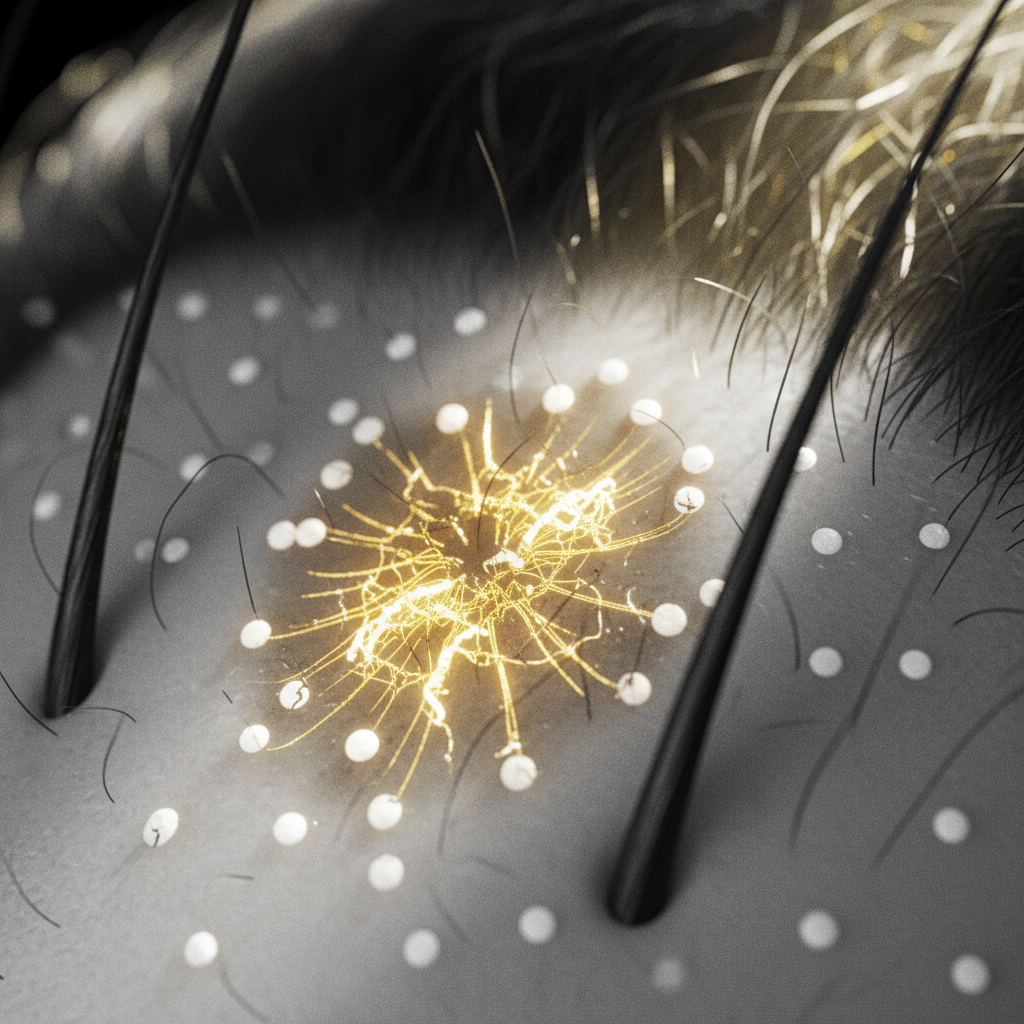
For the cutaneous tissue, UVB rays (290 to 320 nm) penetrate the epidermis, causing direct DNA mutations, keratinocyte apoptosis (visible as "sunburn cells"), and immediate skin redness. UVA rays (320 to 400 nm) penetrate deeper into the papillary dermis, generating reactive oxygen species that degrade collagen and elastin matrices. This oxidative stress degrades the microcapillary network supplying the dermal papilla, temporarily restricting nutrient delivery to growing hair roots.
For the hair fibre itself, UV exposure breaks disulphide bonds within the cortical keratin matrix. This degradation strips the hair of tryptophan and cystine, depleting structural integrity and creating rough cuticles, increased friction, and severe fibre breakage. When people note their hair feels straw-like and thin after a holiday, they are often witnessing a combination of structural shaft breakage from radiation and delayed systemic shedding.
Signs of scalp sunburn to look for
- Hot, tender erythema: A bright pink or deep red colour along the hair parting, crown, or receding hairline that feels warm and sensitive to touch.
- Tightness and surface itching: Disruption of the lipid barrier leads to transepidermal water loss, creating a sensation of extreme scalp tightness.
- Fine or sheet desquamation: Several days post-exposure, the dead epidermal layer flakes off, which is frequently mistaken for an acute flare-up of dandruff.
- Follicular sensitivity (trichodynia): Discomfort or pain when moving the hair or running fingers across the scalp, caused by perifollicular nerve inflammation.
- Delayed diffuse shedding: Sudden increases in loose hairs during brushing or washing occurring roughly 2 to 3 months after a severe sun exposure incident.
Practical steps to protect and recover the scalp
Treating a sunburnt scalp requires anti-inflammatory care, hydration restoration, and strict protection against further UV exposure:
- Cool the tissue: Use cool, non-pressurised water in the shower. Avoid hot water, which increases local blood flow and intensifies throbbing and stinging.
- Apply non-comedogenic hydration: Use pure aloe vera gel or lightweight panthenol (pro-vitamin B5) serums. Avoid heavy, occlusive petroleum-based products or heavy animal fats, as they trap heat inside the dermal tissue.
- Switch to mild cleansers: Opt for sulphate-free, physiological-pH cleansers (pH 4.5 to 5.5). Avoid physical scalp scrubs, salicylic acid exfoliants, or high-alcohol tonics until the skin has completely stopped peeling.
- Resist peeling skin: Let desquamating skin shed naturally. Picking at peeling skin prematurely exposes raw, unhealed basal layers, raising the risk of bacterial infection and permanent scarring.
- Physical protection: Wear a tightly woven UPF 50+ broad-brimmed hat. If hats are impractical, apply an oil-free, non-greasy SPF 30 to 50 sunscreen formulated for the scalp or hair partings.
When the cause may be something else
Redness, scaling, and tenderness on the scalp do not always originate from the sun. Several dermatological conditions mimic sunburn symptoms:
- Contact dermatitis: An allergic or irritant reaction to hair dyes, fragrances, or topical hair treatments can cause sudden burning, redness, and peeling.
- Seborrhoeic dermatitis: This yeast-driven inflammatory condition presents with greasy yellow or white scales and redness, often aggravated by heat and sweat rather than direct UV exposure.
- Lichen planopilaris or Frontal Fibrosing Alopecia: These scarring alopecias present with redness and scaling specifically around follicle openings, accompanied by hair loss along the hairline or crown.
- Actinic keratosis: Rough, scaly, precancerous patches that feel like sandpaper and persist long after a sunburn has healed.
When to seek professional medical advice
Most scalp sunburns resolve within 7 days. However, schedule a visit with a doctor, dermatologist, or trichologist if you encounter:
- Fluid-filled blisters across the scalp, which indicate second-degree partial-thickness burns.
- Signs of systemic illness, including high fever, chills, dizziness, severe headache, or confusion.
- Signs of secondary infection, such as yellow crusting, pus-filled pustules, or throbbing pain that worsens after 48 hours.
- Scabs, bleeding sores, or rough erythematous patches that fail to heal after 4 weeks, which require assessment for non-melanoma skin cancer.
Thoughtful daily care with Watermans
When recovering from solar stress, maintaining a calm, well-conditioned environment is essential for hair retention. Watermans GrowMe Shampoo is formulated as a gentle, sulphate-free cleanser suited for regular maintenance once acute redness has settled. Packed with biotin, rosemary extract, niacinamide, and allantoin, it clears away peeling debris without stripping the recovering lipid barrier, helping maintain a healthy environment for post-sun follicle vitality.
Frequently asked questions about Scalp Sunburn and Follicle Health
Can a single scalp sunburn make your hair fall out permanently?
No, a single mild to moderate sunburn will not cause permanent baldness. While it can cause an acute telogen effluvium shedding cycle several weeks later, the stem cells responsible for generating new hair shafts sit deep within the dermis and remain intact. Only severe, blistering third-degree burns that result in fibrous scar tissue can cause permanent follicle loss.
How does Scalp Sunburn and Follicle Health interact during summer vacations?
During extended outdoor exposure, UV rays degrade the scalp's moisture barrier while simultaneously breaking down hair protein. Sunburn creates microinflammation that stresses follicles, while the sun's rays oxidise melanin and break disulphide bonds in the hair shaft. This dual impact leaves hair visibly thinner, dry, and brittle, with delayed shedding appearing a couple of months down the line.
How can I apply sunscreen to my scalp without making my hair greasy?
Use specialised mineral powder sunscreens containing zinc oxide or titanium dioxide applied with a brush directly along the hair part. Alternatively, select water-based, broad-spectrum SPF 30 or SPF 50 sunscreen sprays designed specifically for scalps, which dry clear and matte without leaving oily residues.
Why does my scalp develop dandruff after a sunburn?
That flaking is not true dandruff (pityriasis capitis). It is epidermal desquamation, the body's natural process of shedding UV-damaged keratinocytes. True dandruff is driven by Malassezia yeast metabolising sebum, whereas post-sun flaking is simply dead skin sloughing off as the healthy lower epidermis regenerates.
Can wearing hats cause hair loss while preventing scalp sunburn?
No, wearing hats does not cause traction alopecia or starve follicles of oxygen. Hair follicles draw oxygen and nutrients from blood capillaries deep in the scalp, not from ambient air. Provided the hat is not exceptionally tight to the point of mechanical friction, wearing a broad-brimmed hat is the safest and most effective way to protect your scalp from UV radiation.
Final considerations on Scalp Sunburn and Follicle Health
Protecting your scalp from ultraviolet damage is just as critical as protecting your face and arms. The evidence regarding Scalp Sunburn and Follicle Health confirms that while standard sunburns rarely cause permanent scarring, the resulting oxidative stress and cutaneous inflammation can disrupt hair growth cycles and trigger noticeable, delayed shedding. By incorporating physical headwear, mineral powders, or targeted sunscreens into your everyday routine, you protect the delicate follicular ecosystem and maintain long-term hair density.
Sources and references
- British Association of Dermatologists. (2020). Sun protection advice for people with hair loss or thinning.
- Sebeti, W., et al. (2008). Photodermatology, Photoimmunology & Photomedicine: UV-induced hair follicle damage and the protective role of melanin.
- Trüeb, R. M. (2009). Oxidative stress in ageing of hair. International Journal of Trichology.
- NHS. (2022). Sunburn: Treatment and prevention guidelines.
- American Academy of Dermatology. (2021). How to treat sunburn.
Find these ingredients in Watermans products
- Zinc: you will find this ingredient in our Hair Vitamins.
- Niacinamide: you will find this ingredient in our Hair Mask.
- Panthenol (Provitamin B5): you will find this ingredient in our Heat Protection Spray.
- Aloe Vera: you will find this ingredient in our Curly Hair Conditioner.