Scalp Micro-Inflammation: The Hidden Factor in Hair Thinning
9 min read ·
Understand Scalp Micro-Inflammation: learn the subclinical mechanisms, early symptoms, evidence-based care, and how low-grade irritation impacts your hair cycle.
Quick answer: Scalp Micro-Inflammation is a low-grade, subclinical inflammatory process occurring around the hair follicles that remains invisible to the naked eye. Unlike acute clinical conditions such as severe psoriasis or contact dermatitis, Scalp Micro-Inflammation does not present with obvious swelling or intense erythema. Instead, it involves microscopic infiltration of immune cells, oxidative stress, and cytokine release within the infundibulum. This sustained irritation degrades the follicular environment and disrupts hair cycling, though it is not a direct standalone cause of permanent scarring alopecia.
Key takeaways
- Subclinical nature: Scalp Micro-Inflammation occurs beneath the surface of the skin without visible redness, open sores, or dramatic scaling.
- Follicular impact: Chronic low-level cytokine release disrupts normal anagen growth and accelerates the transition of hair into the telogen (resting) phase.
- Distinct from breakage: This process affects follicular biology and shedding, whereas cosmetic breakage is physical damage along the existing hair fibre.
- Microbial and environmental triggers: Common drivers include sebum peroxidation, an imbalance of native Malassezia yeasts, UV radiation, and pollution.
- Reversible with care: Anti-inflammatory scalp care, gentle cleansing, and antioxidant topicals help restore equilibrium before long-term structural miniaturisation worsens.
Scalp Micro-Inflammation: what the evidence shows
Research shows that Scalp Micro-Inflammation is a continuous, low-intensity cellular response taking place in the upper portion of the hair follicle (the infundibulum). Histological studies published in peer-reviewed dermatology journals show that tissue biopsies from individuals with common hair thinning frequently reveal an accumulation of activated T-lymphocytes, macrophages, and mast cells clustered around the follicular infundibulum, even when the scalp looks entirely healthy during a routine physical check.
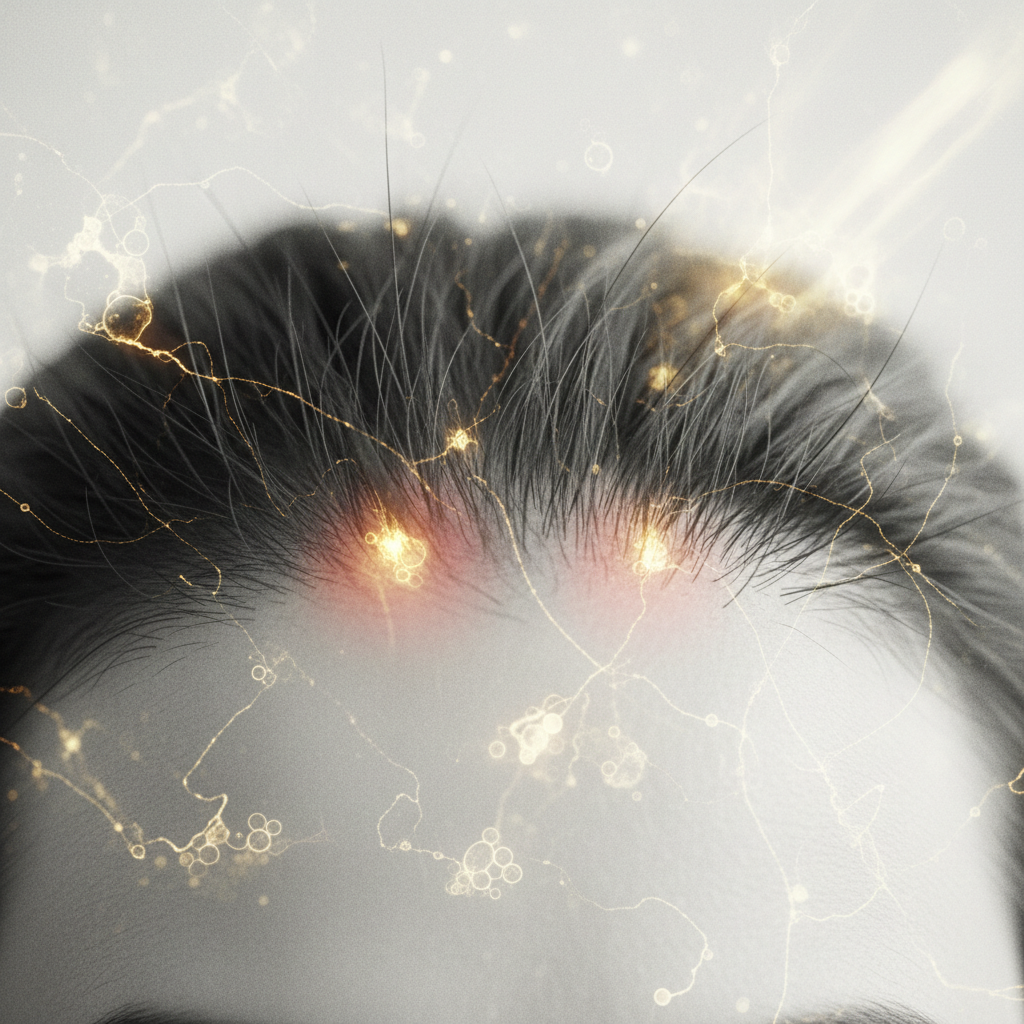
In this subclinical state, the immune system produces elevated levels of inflammatory signalling molecules, primarily interleukin-1 (IL-1 alpha and IL-1 beta), tumour necrosis factor-alpha (TNF-alpha), and prostaglandins. These chemical messengers alter the microenvironment of the follicle. Under physiological conditions, the hair follicle cycle relies on precise signalling to transition from growth (anagen) to regression (catagen) and rest (telogen). Chronic exposure to inflammatory cytokines shortens the anagen phase, forcing follicles to enter the resting phase prematurely.
Furthermore, dermatological biopsies show that micro-inflammation frequently coexists with androgenetic alopecia (pattern hair loss). In genetic thinning, dihydrotestosterone (DHT) binds to androgen receptors in genetically susceptible dermal papilla cells. The presence of low-grade inflammation accelerates this miniaturisation process. While micro-inflammation alone does not create classical genetic pattern baldness, it acts as an aggressive amplifier that speeds up hair thinning and excessive shedding.
What the evidence does not show
It is critical to separate established facts from marketing myths. The evidence does not show that micro-inflammation directly causes permanent scarring alopecia (such as lichen planopilaris or frontal fibrosing alopecia). Scarring alopecias destroy the follicular stem cells located in the hair bulge through high-grade, aggressive autoimmune pathways. Micro-inflammation is confined mostly to the upper infundibulum and does not automatically obliterate the follicle stem cell niche.
Additionally, controlled clinical studies do not support the idea that a single topical wash can instantly "cure" micro-inflammatory states overnight. Cleansing products can remove inflammatory lipid peroxides and reduce yeast populations, but cellular recovery takes weeks of consistent care. Finally, micro-inflammation must never be confused with hair shaft breakage. If hair is snapping midway along the shaft due to chemical bleaching or thermal styling, that is mechanical fibre degradation, not an inflammatory follicular disorder.
Biological mechanisms: how the irritation develops
The development of subclinical inflammation involves an interplay between the cutaneous microbiome, sebum chemistry, and environmental stressors.
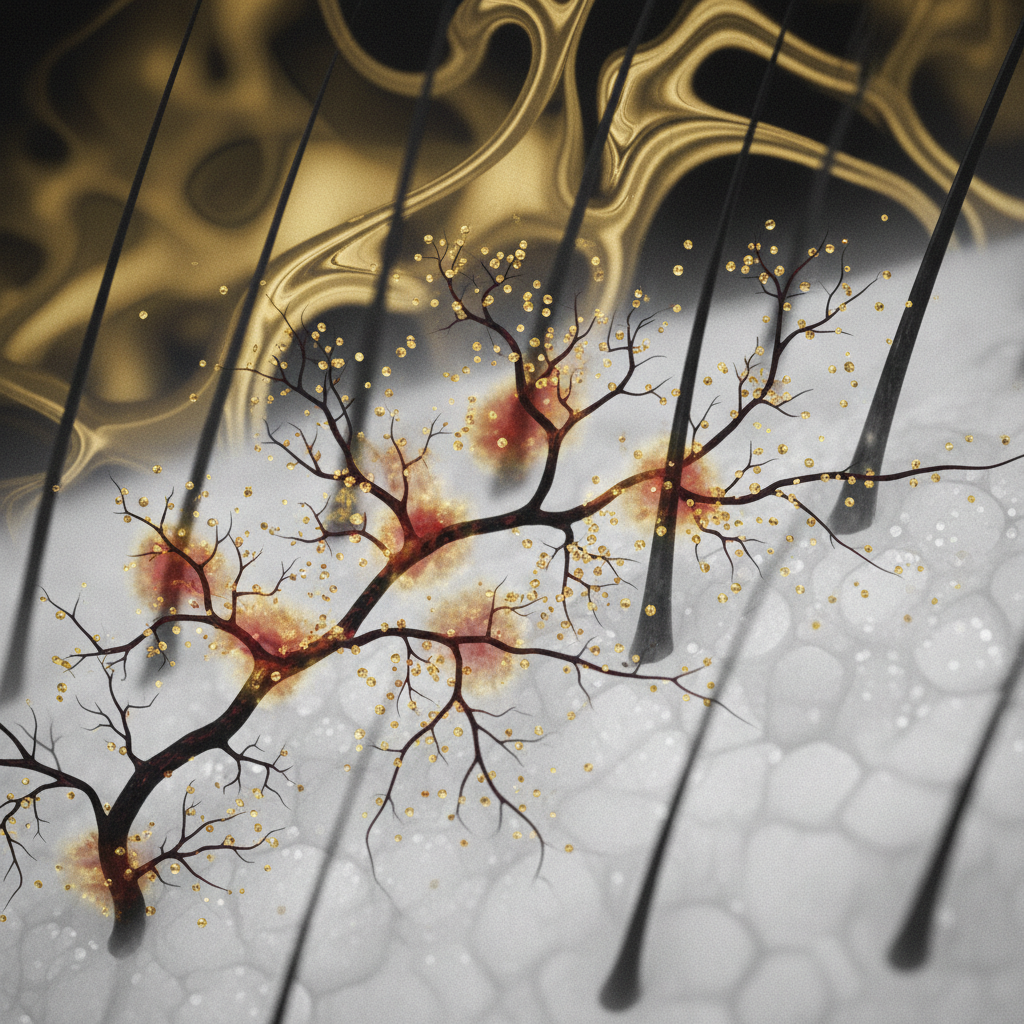
- Sebum peroxidation: The sebaceous glands naturally produce lipids, including squalene, triglycerides, and fatty acids. When exposed to airborne particulate matter (PM2.5) or solar ultraviolet (UV) radiation, these lipids oxidise. Oxidised squalene is a potent irritant that triggers keratinocytes in the follicular canal to release pro-inflammatory cytokines.
- Microbial dysbiosis: The human scalp is populated by Malassezia yeasts (M. Globosa and M. Restricta) alongside bacteria such as Cutibacterium acnes and Staphylococcus epidermidis. Malassezia species feed on sebum triglycerides, breaking them down into free fatty acids, notably oleic acid. In sensitive individuals, these free fatty acids penetrate the stratum corneum, compromising the skin barrier and initiating an immune cascade.
- Oxidative stress and collagen deposition: Continuous cytokine signalling recruits mast cells that degranulate, releasing histamine and leukotrienes. Over years, this sustained, microscopic immune response stimulates fibroblasts to deposit rigid collagen around the follicular infundibulum, a process known as perifollicular fibrosis. This stiffened tissue can constrict the blood supply and space required for healthy follicular expansion during new growth cycles.
Clinical signs: identifying subclinical scalp stress
Because Scalp Micro-Inflammation is fundamentally subclinical, you will rarely see obvious clinical lesions. Instead, trichologists and dermatologists look for specific subtle symptoms and trichoscopic clues:
- Trichodynia (scalp tenderness): A persistent burning, tingling, aching, or stinging sensation across the scalp without visible rash, often felt when moving the hair.
- Perifollicular erythema: Under a trichoscope (10x to 50x magnification), faint pink or reddish halos appear around the exit points of individual follicles.
- Perifollicular hyperkeratosis: Tiny, transparent collars of built-up skin cells (peripilar casts) hugging the base of the hair shaft.
- Increased telogen shedding: A noticeable rise in the daily loss of full-length hairs with small white bulbs at the root, typically exceeding the normal 50 to 100 hairs per day.
- Subtle pruritus: Intermittent, mild itchiness that worsens between washes or after exposure to heavy urban pollution.
Micro-inflammation versus common scalp conditions
To understand where your symptoms fit, compare low-grade inflammation against clinically visible scalp disorders.
| Feature | Scalp Micro-Inflammation | Dandruff / Seborrhoeic Dermatitis | Psoriasis |
|---|---|---|---|
| Visibility | Invisible to naked eye; seen via dermoscopy | Visible oily or dry flakes, mild erythema | Thick, well-demarcated silvery plaques |
| Primary location | Follicular infundibulum (deep pore) | Stratum corneum (epidermal surface) | Hyperproliferative epidermis |
| Key symptoms | Scalp tenderness, faint itching, diffuse shedding | Itching, visible flaking on clothes | Severe itch, bleeding if plaques are lifted |
| Microbial driver | Mild Malassezia lipid degradation | Marked Malassezia overgrowth | Autoimmune T-cell driven, not microbial |
| Follicular impact | Shortens anagen phase; accelerates thinning | Minimal impact on follicle unless scratched | Can cause temporary telogen loss from plaques |
What you can do to restore scalp balance
Managing subclinical inflammation requires balancing the microbiome, soothing the epidermal barrier, and neutralizing oxidative free radicals.
- Cleanse frequently and thoroughly: Wash your scalp every 1 to 2 days if you have an oily scalp, or every 2 to 3 days for dry hair types. Infrequent washing allows sebum to pool, oxidise, and nourish inflammatory yeast populations. Maintain a scalp-friendly pH between 4.5 and 5.5 to preserve the acid mantle.
- Apply topical antioxidants: Ingredients such as niacinamide (vitamin B3), caffeine, green tea extract, and rosemary extract help neutralise free radicals produced by UV light and pollution before they peroxidise surface lipids.
- Use gentle exfoliating acids: Low concentrations of salicylic acid (0.5 to 1.5%) dissolve perifollicular dead skin plugs and sebum deposits without the abrasive friction of physical scrubs.
- Soothe neural receptors: If you experience trichodynia (scalp pain), topicals containing menthol, bisabolol, or aloe vera can calm cutaneous nerve fibres and decrease sensory discomfort.
- Shield from environmental stressors: Wear a breathable hat during peak sunlight hours or use lightweight scalp serums formulated with UV-absorbing antioxidants to prevent lipid peroxidation on exposed parting lines.
The role of targeted haircare: Watermans support
When choosing cosmetic solutions for everyday maintenance, supporting the scalp environment is key to keeping hair looking full and resilient. Watermans formulations are designed to address the external factors that challenge scalp comfort. Watermans GrowMe Shampoo delivers a blend of caffeine, biotin, rosemary extract, niacinamide, and argan oil directly to the scalp during washing.
These ingredients work together cosmetically to wash away oxidised sebum, remove daily urban grime, and deliver topical antioxidants. Pairing it with Watermans ConditionMe Conditioner provides lightweight nourishment to hair fibres, reducing mechanical breakage without leaving heavy occlusive residues that can suffocate the follicular opening. For leave-in support between washes, Watermans Grow More Elixir supplies a targeted, water-based blend of active botanical extracts designed to refresh, hydrate, and maintain a healthier-looking, revitalised scalp foundation.
When the cause may be something else
Subtle scalp discomfort or hair shedding does not always stem from simple micro-inflammation. Systemic internal factors frequently mirror these symptoms. Iron deficiency (ferritin levels below 30 to 50 ug/L), thyroid dysregulation (hypo- or hyperthyroidism), and sudden hormonal drops following pregnancy can cause abrupt telogen effluvium.
Similarly, psychological stress triggers the systemic release of substance P and cortisol, which directly aggravate follicular nerve endings and prompt hair follicles to enter the catagen phase prematurely. If you notice round bald patches, this points toward alopecia areata, an autoimmune condition where the body attacks the hair bulb, rather than micro-inflammation.
When to get professional advice
You should consult a GP, registered trichologist, or consultant dermatologist if you encounter any of the following:
- Rapid, patchy, or asymmetrical hair loss.
- Visible skin changes, including pustules, crusted sores, severe redness, or oozing.
- Scalp pain that disrupts sleep or daily concentration.
- Loss of follicular openings, which can indicate scarring (cicatricial) alopecia.
- Heavy shedding that persists for more than three consecutive months despite proper scalp hygiene.
A medical professional can perform a pull test, evaluate the scalp using a digital dermatoscope, and take targeted blood tests to ensure your hair loss is correctly diagnosed and managed.
Frequently asked questions about Scalp Micro-Inflammation
Can Scalp Micro-Inflammation cause permanent baldness?
On its own, Scalp Micro-Inflammation does not destroy follicular stem cells or cause irreversible scarring alopecia. However, if left unchecked in individuals with a genetic predisposition to pattern baldness, it accelerates the miniaturisation process, causing hairs to return finer, shorter, and sparser with each successive growth cycle.
How is Scalp Micro-Inflammation diagnosed by a professional?
A dermatologist or trichologist diagnoses Scalp Micro-Inflammation using high-magnification trichoscopy. While the scalp looks normal to the naked eye, the dermatoscope reveals characteristic subclinical signs, such as faint reddish rings (perifollicular erythema) and cellular scaling (peripilar casts) surrounding the opening of the hair follicles.
Does an itchy scalp always mean micro-inflammation?
Not necessarily. While mild itchiness is a common symptom of micro-inflammation, itching can also stem from contact allergies, dry skin from harsh cleansers, pediculosis (head lice), or visible inflammatory diseases like seborrhoeic dermatitis. Persistent itching requires a systematic review of your washing habits and topical products.
How long does it take to calm micro-inflammation?
With consistent, gentle cleansing and the regular use of topical antioxidants and soothing agents, scalp comfort typically improves within 2 to 4 weeks. Reducing shedding and restoring hair cycle stability takes longer, generally between 3 and 6 months, because follicles must finish their resting phase before new growth emerges.
A balanced approach to scalp wellness
Maintaining a resilient head of hair requires taking care of the biological soil from which it grows. While Scalp Micro-Inflammation operates silently beneath the visible surface of the skin, its long-term effects on the follicular cycle can noticeably reduce hair volume and vitality. By recognising subtle symptoms early, washing consistently to clear oxidised oils, using protective antioxidant topicals, and seeking expert medical evaluation when required, you can maintain a balanced, healthy scalp ecosystem that supports optimal hair growth.
Sources and references
- British Association of Dermatologists. Alopecia and Scalp Conditions Guidelines. Bad.org.uk
- National Institute for Health and Care Excellence (NICE). Alopecia androgenetica: Clinical knowledge summary. Nice.org.uk
- Magro, C. M., Rossi, A., et al. (2008). The role of inflammation and immunity in androgenetic alopecia. Journal of Drugs in Dermatology, 7(4), 314-319.
- Trüeb, R. M. (2009). Oxidative stress in ageing of hair. International Journal of Trichology, 1(1), 6-14.
- Goren, A., et al. (2015). Subclinical scalp inflammation in hair thinning: A trichoscopic and histological analysis. Dermatologic Therapy, 28(3), 135-139.
Find these ingredients in Watermans products
- Oleic Acid: you will find this ingredient in our Camellia & Black Castor Hair & Body Oil.
- Niacinamide: you will find this ingredient in our Hair Mask.
- Aloe Vera: you will find this ingredient in our Curly Hair Conditioner.