Scalp Massage Techniques: Biological Mechanisms, Methods, and Evidence
10 min read ·
Learn how targeted Scalp Massage Techniques use mechanotransduction to support hair thickness, boost microcirculation, and improve scalp tissue health.
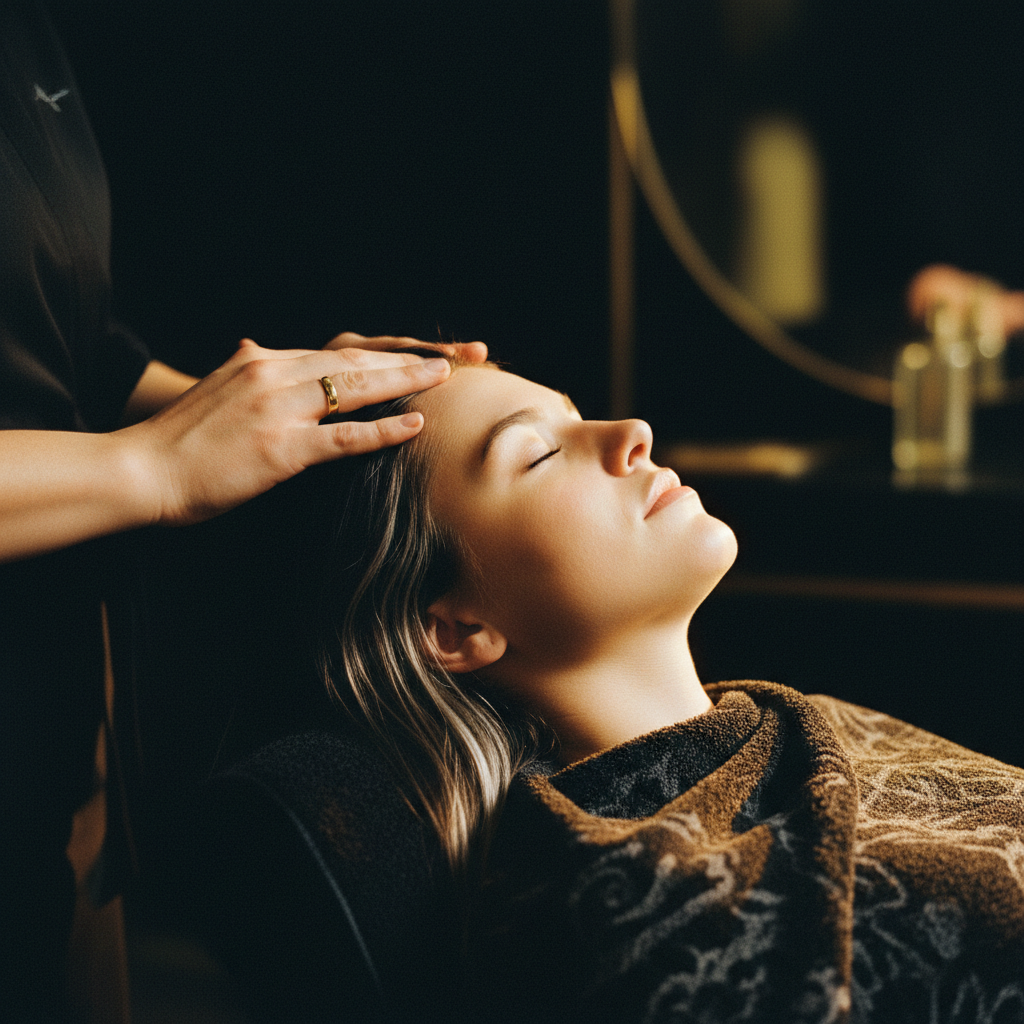
Quick answer: Practising regular Scalp Massage Techniques involves applying deliberate mechanical pressure to the skin and underlying galea aponeurotica using your fingertips or dedicated tools. Clinical research indicates that daily massage can increase local microcirculation, reduce scalp tissue tension, and alter gene expression in dermal papilla cells to support hair thickness. However, the main limitation is that mechanical massage cannot cure genetic miniaturisation, reverse autoimmune alopecias, or replace medical therapies for progressive hair loss disorders.
Key takeaways
- Scalp Massage Techniques exert mechanical shear stress on dermal papilla cells, which has been shown to upregulate genes associated with hair growth.
- Daily mechanical stimulation of approximately 4 minutes can increase hair shaft thickness over a period of 24 weeks.
- Massage increases local cutaneous blood flow temporarily, helping clear metabolic waste and improve nutrient delivery to hair follicles.
- Mechanical manipulation does not treat pattern baldness caused by dihydrotestosterone (DHT) sensitivity, nor does it resolve inflammatory scalp disorders.
- Aggressive friction, rough circular motions, or long fingernails can damage the cuticle layer and cause hair breakage rather than follicular benefits.
Scalp Massage Techniques: what the evidence shows
Scientific interest in mechanical stimulation of the scalp focuses primarily on mechanotransduction. Mechanotransduction is the biological process where cells convert physical mechanical forces into chemical and molecular signals.
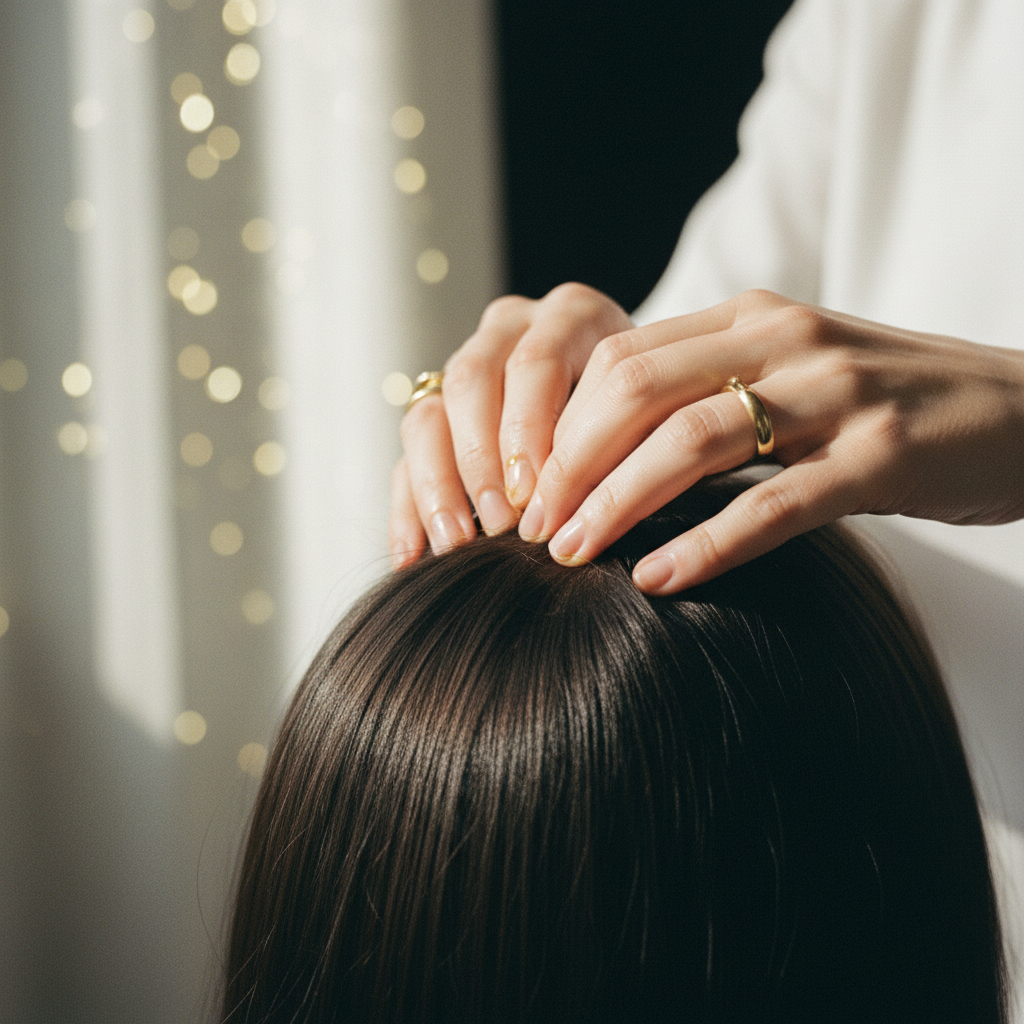
A landmark 2016 study published in Eplasty investigated the effect of standardised scalp massage on nine healthy men over a 24-week period. Participants received 4 minutes of massage daily on one side of their scalp using a mechanical device operating at an oscillation frequency of approximately 170 cycles per minute. The researchers measured hair thickness, hair count, and hair growth rate. At the end of the trial, hair thickness had significantly increased on the massaged side compared to the non-massaged control side. To explore the cellular mechanism, the researchers applied stretching forces to human dermal papilla cells in vitro. This mechanical stretch upregulated hair cycle-related genes such as NOGGIN and downregulated hair loss-related genes like IL-6.
A retrospective study published in Dermatology and Therapy in 2019 surveyed 340 individuals with androgenetic alopecia who performed standardised manual massage for an average of 11 to 20 minutes daily. Roughly 69 percent of respondents reported stabilisation or self-perceived regrowth of their hair, with changes typically noted after 36 to 40 hours of cumulative massage practice.
While these findings are promising, they show that massage influences the structural calibre of existing hair fibres rather than generating entirely new follicles.
What the evidence does not show
It is vital to separate cosmetic and physiological benefits from clinical cures. Controlled trials have not found that manual manipulation can stop genetic hair miniaturisation caused by systemic androgen hormones.
The primary driver of androgenetic alopecia is the binding of dihydrotestosterone (DHT) to genetically sensitive androgen receptors in the dermal papilla. Scalp massage does not alter systemic 5-alpha reductase enzyme activity or clear DHT from follicular tissue.
Furthermore, evidence does not show that scalp massage can treat autoimmune conditions such as alopecia areata, scarring alopecias like lichen planopilaris, or diffuse shedding triggered by systemic stressors (telogen effluvium). Claiming that poor circulation is the sole root cause of baldness is anatomically incorrect. While vascularisation supports healthy follicular cycles, reduced blood flow in balding areas is predominantly an effect of follicular miniaturisation rather than its primary cause.
The biological mechanism of action
The scalp is composed of five anatomical layers: skin, connective tissue, aponeurosis, loose connective tissue, and pericranium. The galea aponeurotica is a tough sheet of fibrous tissue that covers the upper part of the cranium. Chronic tension in the muscles surrounding this sheet (the frontalis, occipitalis, and temporoparietal muscles) can create high mechanical stress across the crown and vertex.
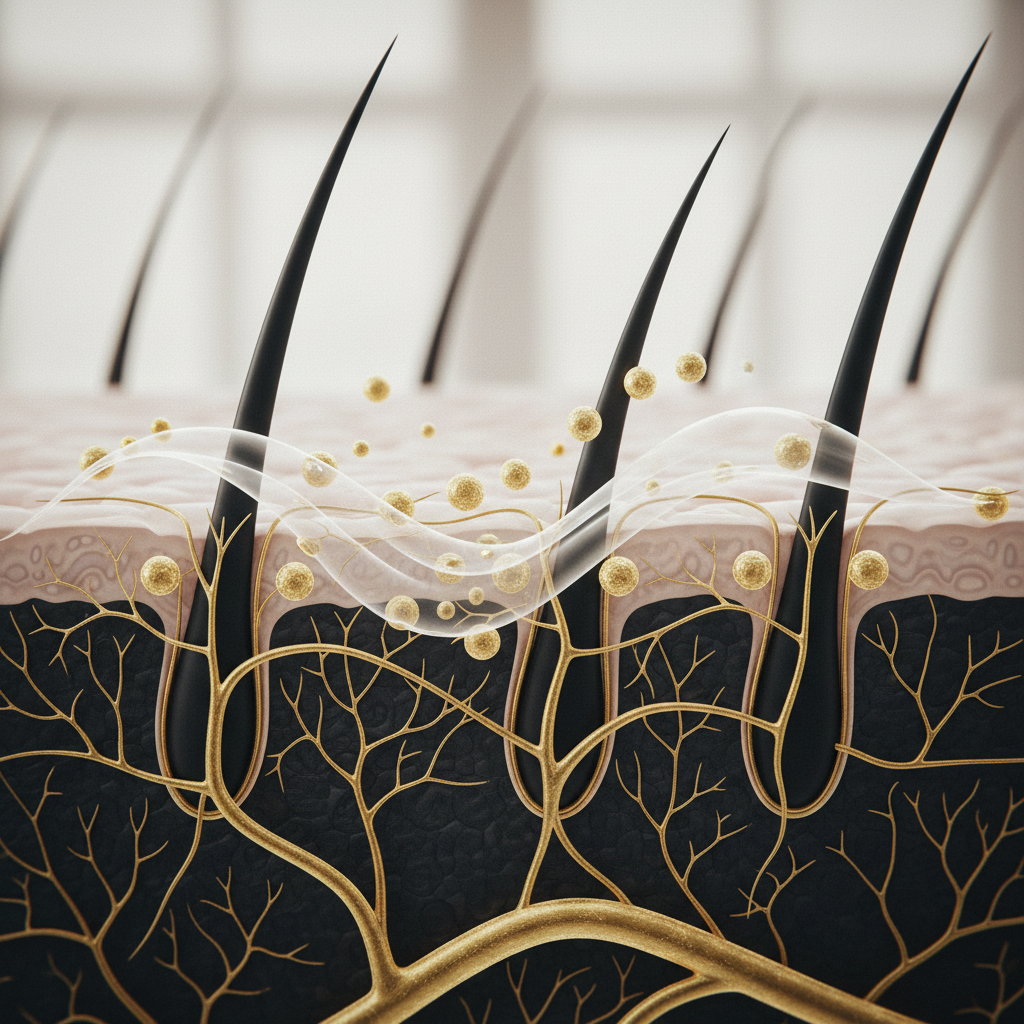
When you practice focused Scalp Massage Techniques, several distinct biological events occur:
- Mechanotransduction in the Dermal Papilla: Direct pressure and shear forces physically deform the dermal papilla cells. This mechanical loading triggers calcium ion influx and downstream intracellular signalling pathways, encouraging the cell to produce growth factors that support the anagen (growth) phase.
- Local Vasodilation: Physical manipulation stimulates local endothelial cells to release nitric oxide. This compound relaxes the smooth muscle in nearby microvessels, leading to temporary vasodilation and increased cutaneous perfusion.
- Reduction of Galeal Tissue Rigidity: Sustained manual pressure works to soften tight, fibrous connective tissue. Improving the pliability of the scalp reduces physical compression on the microvasculature supplying the capillary loops at the base of each follicle.
Step-by-step Scalp Massage Techniques
To obtain the benefits of mechanotransduction without inducing mechanical hair breakage, use methodical, controlled movements. Never slide your dry fingertips across your hair fibres, as repeated friction can strip the protective F-layer of the hair cuticle.
1. The Circular Pressure Technique (Fingertip Anchoring)
- Place the pads of your four fingers firmly on a section of your scalp. Do not use your fingernails.
- Keep your fingers anchored to the skin. Move the scalp skin over the underlying cranial bone in small, slow circles rather than rubbing your fingers over the hair.
- Apply moderate pressure (enough to compress the tissue without causing pain or bruising).
- Maintain the movement for 10 to 15 seconds in one spot, lift your hands completely, reposition them to an adjacent area, and repeat across the temporal, parietal, and occipital regions.
2. The Galea Compression and Pinching Method
- Position the palms of both hands on either side of your head, just above your ears.
- Press inward and upward simultaneously, gently moving the scalp toward the sagittal midline (the top centre of your head).
- Hold the compressed position for 5 seconds to release tension across the galea aponeurotica, then release slowly.
- Work forward from the occipital base up to the frontal hairline.
3. Effleurage (Gentle Gliding Drainage)
- Use the flat surface of your palms or broad finger pads.
- Apply light, sweeping strokes starting from the crown and moving downward toward the nape of the neck and the sides of the neck.
- This light technique encourages lymphatic drainage, reducing localised fluid retention and supporting tissue relaxation.
Manual massage vs mechanical tools
You can perform scalp massage using bare hands or specialised tools such as silicone scalp brushes and electric oscillating massagers. Both approaches have specific advantages and limitations.
| Attribute | Manual Fingertip Massage | Silicone Scalp Brush | Electric Oscillating Massager |
|---|---|---|---|
| Control of Force | High; immediate sensory feedback prevents excessive pressure. | Moderate; requires manual restraint to avoid pressing too hard. | High consistency; pre-calibrated pressure and movement speed. |
| Risk of Hair Tangling | Very low when fingers remain anchored to the skin. | Moderate; bristles can catch if dragged through long or fine hair. | Low to moderate; depends on rotating pad design. |
| Target Depth | Reaches deep connective tissue and galea aponeurotica. | Superficial; primarily exfoliates the epidermis and clears sebum. | Moderate; provides consistent vibratory or kneading shear stress. |
| Cost & Maintenance | Free; requires only clean hands and basic technique. | Inexpensive; simple to wash and sanitise between uses. | Higher investment; requires battery charging and mechanical upkeep. |
| Ideal Context | Daily relaxation, deep tissue tension relief, leave-in serums. | In-shower shampoo lathering, cleansing product build-up. | Structured daily routine for physical mechanotransduction. |
Signs to look for: doing it correctly vs causing harm
Pay close attention to how your hair and scalp respond to daily manipulation. The scalp should feel warm, supple, and relaxed.
Positive signs include:
- Increased scalp mobility (the scalp moves more freely across the skull).
- A mild, warming sensation caused by localised vasodilation.
- Reduced muscular tension in the neck, temples, and forehead.
Warning signs of incorrect technique include:
- Focal hair breakage: If you notice short, snapped hair fibres around your hairline or crown, you are using excessive surface friction instead of anchoring your fingertips.
- Folliculitis or tenderness: Red, sensitive bumps around the follicles suggest excessive pressure, aggressive device bristles, or trapped bacteria from unwashed hands.
- Increased shedding from traction: Pulling or dragging hair strands while massaging can loosen telogen-phase hairs prematurely. Massage should never tug or pull the hair root.
Enhancing massage with topical formulations
You can practice massage on a dry scalp or alongside topical scalp treatments. Applying a water-based tonic or botanical formula before massage can provide minor slip and deliver active cosmetic ingredients directly to the epidermal surface while the tissue is receptive.
Watermans Grow More Elixir is designed specifically as a leave-in topical formulation that complements daily scalp care routines. Featuring ingredients such as biotin, rosemary extract, caffeine, and lupin protein, this non-greasy elixir can be applied directly to targeted areas of the scalp before using the circular pressure technique. Combining a nutrient-rich topical with gentle mechanical stimulation creates an optimal surface environment for thicker-feeling, fuller-looking hair.
When the cause may be something else
If you are experiencing noticeable thinning, excessive shedding, or bald patches, mechanical massage alone will not address the underlying issue. Several conditions mimic simple tension or circulatory issues:
- Androgenetic Alopecia: A progressive genetic condition requiring specific dermatological intervention to manage follicular miniaturisation.
- Telogen Effluvium: Sudden, widespread shedding occurring two to three months after a physiological shock, high fever, childbirth, or acute nutritional deficiency (such as low serum ferritin or zinc).
- Seborrhoeic Dermatitis: An inflammatory skin condition linked to Malassezia yeast overgrowth, causing greasy scaling, erythema, and pruritus. Aggressive massage can exacerbate this inflammation.
- Traction Alopecia: Hair loss caused by sustained mechanical pulling from tight hairstyles, extensions, or harsh physical habits.
When to seek professional advice
Consult an NHS general practitioner, a registered dermatologist, or an accredited trichologist if you encounter any of the following symptoms:
- Sudden, patchy hair loss creating smooth, round circles on the scalp.
- Persistent scalp pain, burning, severe itching, or crusted lesions.
- Shedding exceeding 100 to 150 hairs daily for more than six consecutive weeks.
- Hairline recession or crown thinning that worsens steadily over several months.
A professional can perform dermoscopy (trichoscopy), order relevant blood panels, and formulate a targeted medical treatment plan before substantial follicular miniaturisation takes place.
Frequently asked questions about Scalp Massage Techniques
How often should I practice Scalp Massage Techniques?
To mirror the protocols evaluated in clinical research, practice Scalp Massage Techniques once or twice daily for approximately 4 to 5 minutes per session. Consistency is far more effective than performing prolonged, aggressive massages once a week.
Can scalp massage cause hair breakage?
Yes. If you rub your fingers across your hair or use rigid silicone brushes with circular motions on wet hair, the friction can abrade the cuticle and snap the fibre. Always anchor your fingertips directly to the skin and move the scalp itself.
Should I massage my scalp wet or dry?
You can perform massage on both wet and dry hair. Wet hair fibres are swollen with water and more vulnerable to stretching and snapping, so dry scalp massage is generally safer for fragile, thinning hair. If massaging in the shower, keep your hands stationary on the skin.
Will Scalp Massage Techniques help hair regrow in bald spots?
Scalp Massage Techniques cannot reactivate completely dormant or scarred follicles. If an area of the scalp has been smooth and bald for years, mechanical stimulation will not regenerate lost hair structures.
Do I need to use oils while massaging my scalp?
No. Oils are optional and provide lubrication, but they are not required to generate mechanical shear stress. If you have an oily or dandruff-prone scalp, heavy plant oils can feed Malassezia yeast; a dry massage or a light, water-based elixir is preferable.
Realising the benefits of regular scalp care
Incorporating targeted Scalp Massage Techniques into your daily regimen is a practical, cost-free method to support tissue mobility, enhance cutaneous microcirculation, and stimulate dermal papilla cells. While mechanical stimulation cannot alter genetic hormone pathways or cure progressive hair disorders, it plays a valuable role in a comprehensive hair wellness strategy. By using gentle, anchored fingertip pressure and pairing your routine with balanced topical nutrition, you can cultivate a healthier scalp environment and encourage stronger, more resilient hair growth.
Sources and references
- Koyama, T. Et al. (2016) 'Standardized Scalp Massage Results in Increased Hair Thickness by Inducing Stretching Forces to Dermal Papilla Cells in the Subcutaneous Tissue', Eplasty, 16, e8.
- English, R.S. And Barazesh, J.M. (2019) 'Self-Assessments of Standardized Scalp Massages for Androgenetic Alopecia: Survey Results', Dermatology and Therapy, 9(1), pp. 167 to 178.
- British Association of Dermatologists (2020) Telogen Effluvium: Patient Information Leaflet. Available at: bad.org.uk.
- National Institute for Health and Care Excellence (2022) Alopecia androgenetica: Clinical Knowledge Summaries. Available at: nice.org.uk.
Find these ingredients in Watermans products
- Zinc: you will find this ingredient in our Hair Vitamins.