Scalp Irritation from Bleach: Causes, Prevention, and Care
8 min read ·
Understand the causes, signs, and recovery steps for scalp irritation from bleach, from soothing barrier disruption to identifying chemical burns.
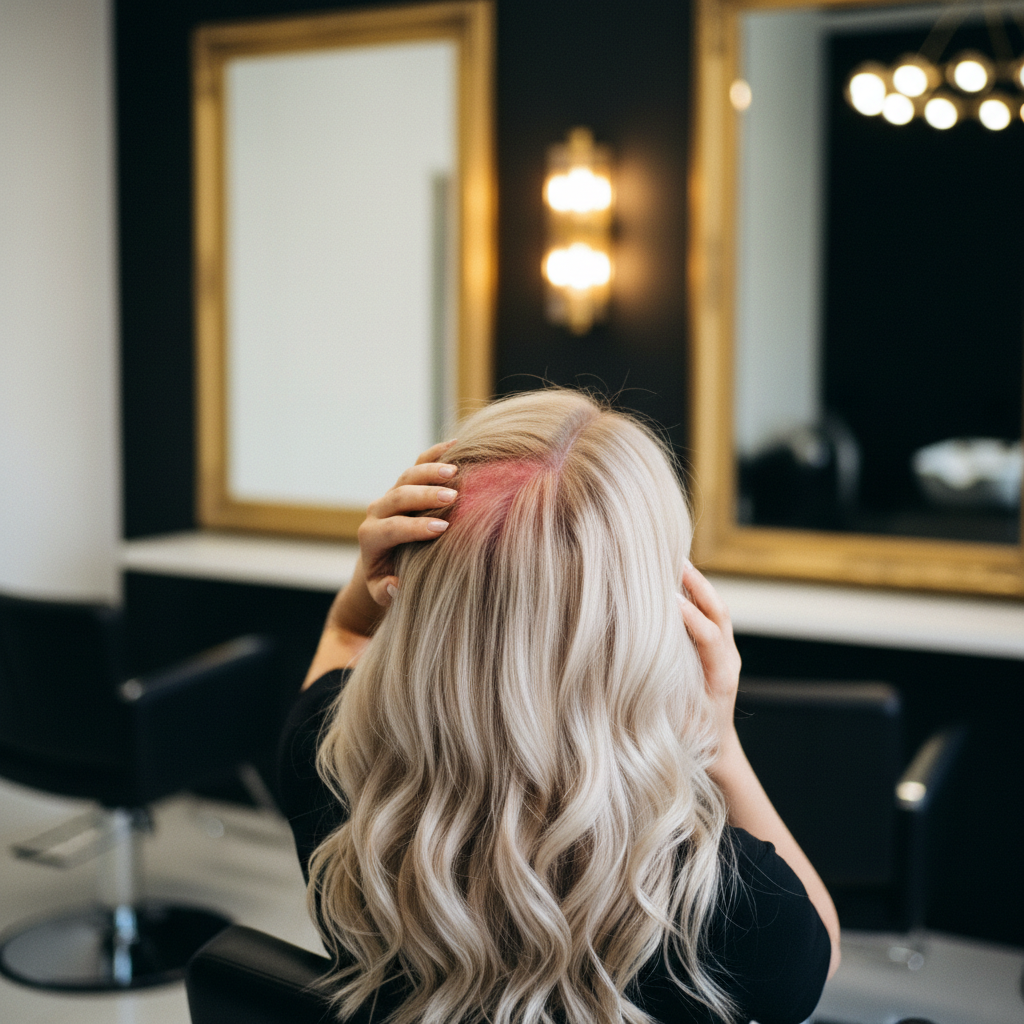
Quick answer: Scalp Irritation from Bleach is a common inflammatory response triggered by alkaline persulphate salts and hydrogen peroxide disrupting the epidermal barrier during lightening services. This reaction ranges from mild erythema, tingling, and dryness to severe chemical burns and contact dermatitis. While immediate rinsing and barrier repair soothe uncomplicated irritation within a few days, serious chemical injury requires prompt medical assessment to protect hair follicles from permanent scarring.
Key takeaways
- Hair bleach operates at a high pH (typically 9.5 to 11.5), which alters the protective lipid barrier of your scalp within minutes of direct contact.
- Mild stinging or tingling is common, but intense burning, oozing, persistent swelling, or blistering indicates chemical damage or contact dermatitis.
- Applying heat, using high developer volumes directly on the scalp, or bleaching on freshly washed hair significantly heightens irritation risk.
- Chemical damage to the hair shaft results in breakage, which must not be confused with follicle loss; however, severe full-thickness burns can cause permanent scarring alopecia.
- Immediate management involves flushing the scalp with cool water and leaving the skin free of harsh styling products until the acid mantle recovers.
Scalp Irritation from Bleach: what the evidence shows
Scalp Irritation from Bleach is primarily an irritant contact dermatitis caused by the chemical synergy of persulphate salts (ammonium, potassium, or sodium persulphate) and concentrated hydrogen peroxide. The scalp naturally maintains an acidic mantle with a pH between 4.5 and 5.5, which keeps the stratum corneum intact and prevents water loss. Bleaching mixtures require an alkaline agent (often ammonium hydroxide) to swell the hair cuticle, pushing the mixture's pH up between 9.5 and 11.5.
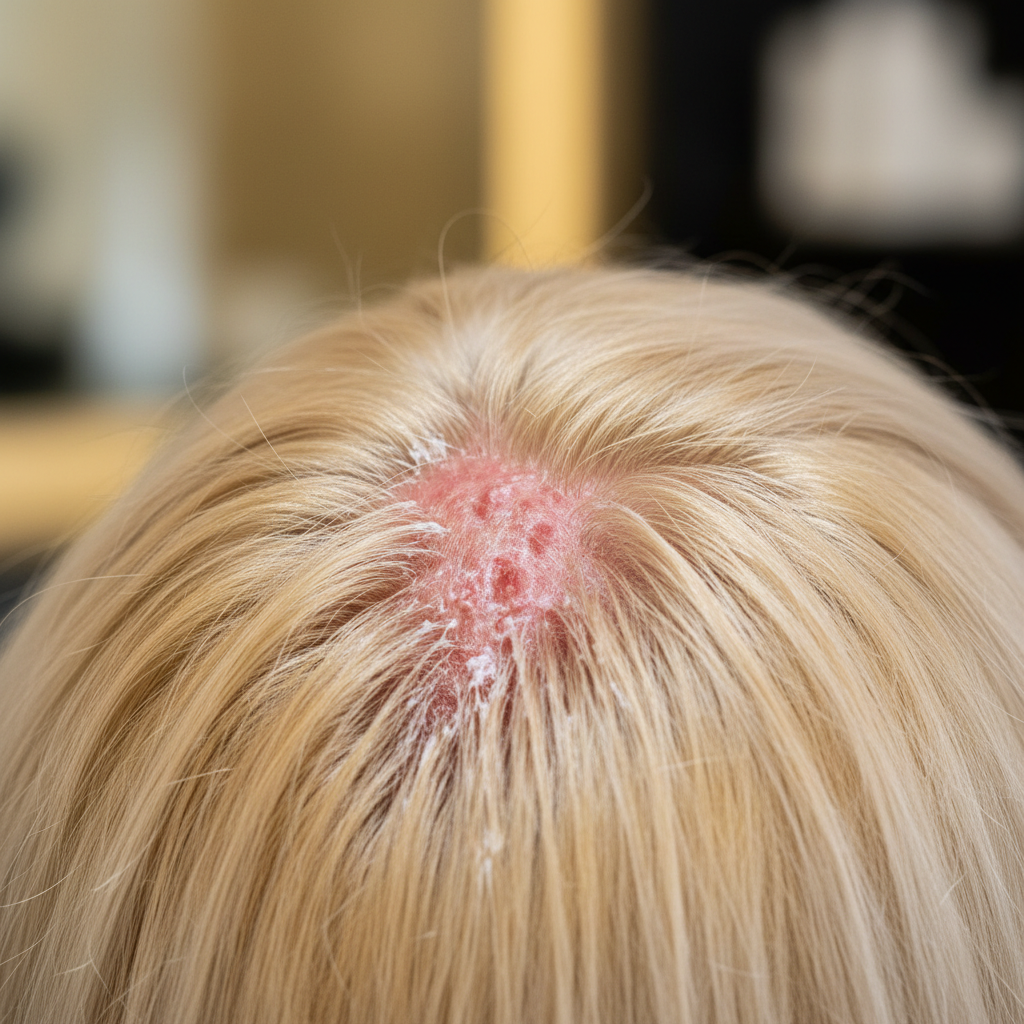
When this high-pH mixture sits against human skin, it saponifies surface sebum and extracts intracellular lipids from the stratum corneum. Clinical studies in dermatology confirm that persulphate compounds are potent oxidising irritants. When left in contact with the scalp during prolonged processing times (often 30 to 60 minutes), the alkaline formula breaches the epidermis, triggering localized histamine release, vasodilation, and neurosensory stinging.
In some cases, the reaction is allergic rather than purely irritant. Persulphates are well-documented type I (immediate) and type IV (delayed) sensitisers. Research published in contact dermatitis literature highlights that individuals can develop true allergic contact dermatitis or even immediate urticaria to persulphates, requiring total cessation of on-scalp bleaching.
How bleaching chemicals alter the epidermal barrier
The mechanism of bleach-induced skin damage relies on oxidation and severe pH disruption. Healthy scalp skin features a tightly packed arrangement of corneocytes cemented by ceramides, cholesterol, and free fatty acids.
- Lipid stripping: Alkaline compounds dissolve the epidermal lipids within 10 to 15 minutes of application, stripping away natural sebum that would otherwise act as a buffer.
- Oxidative stress: Hydrogen peroxide decomposes rapidly into water and free radical oxygen molecules. While this oxidises melanin inside the hair cortex, it simultaneously attacks keratinocyte cell membranes on the scalp surface.
- Exothermic reaction: Bleaching is an exothermic chemical process. If bleach is trapped under plastic wrap or exposed to external heat lamps, localized temperatures spike, speeding up chemical penetration and causing thermal as well as chemical tissue injury.
- Vascular response: The underlying capillaries dilate to deliver immune cells to the irritated skin, manifesting visually as vivid redness (erythema) and physically as throbbing heat.
Recognising the signs: mild reaction versus chemical burn
Identifying the severity of irritation ensures you take the right steps before tissue damage compromises the scalp or follicles.
| Characteristic | Mild Irritant Response | Severe Chemical Burn | Allergic Contact Dermatitis |
|---|---|---|---|
| Onset | During processing or within 2 to 4 hours | Immediate severe burning during processing | 12 to 72 hours after service (type IV) or immediate (type I) |
| Sensation | Tingling, mild itch, light tenderness | Intense, throbbing pain, raw burning sensation | Severe persistent pruritus (itching) |
| Visual Signs | Slight redness, dry flaking after 48 hours | Blisters, ulceration, yellow serous weeping, scabbing | Widespread erythema, oedema, hives, weeping eczema |
| Resolution Time | 2 to 4 days with gentle care | 2 to 6 weeks, risk of scarring | 1 to 3 weeks, requires avoidance of allergen |
| Follicle Impact | None; hair remains anchored | Risk of localized scarring alopecia if deep dermis is destroyed | Temporary telogen effluvium if systemic inflammation occurs |
What you can do to soothe and heal the scalp
When dealing with active irritation after a bleaching service, the priority is restoring the moisture barrier without introducing secondary sensitisers.
Immediate steps
- Rinse thoroughly: Flush the scalp with lukewarm to cool water for at least five to ten minutes to remove any residual persulphate particles trapped near the roots.
- Avoid harsh cleansers: Do not use clarifying, anti-dandruff, or highly fragranced shampoos. These products strip healing lipids and can irritate exposed nerve endings. Use an ultra-gentle, sulphate-free cleanser formulated for sensitive skin.
- Cool compresses: Apply a clean cloth soaked in cool, physiological saline or chilled water to the affected areas for 10 minutes at a time to reduce capillary swelling.
Ongoing recovery
- Support barrier recovery: Emollients containing physiological lipids, such as ceramides, squalane, or panthenol (pro-vitamin B5), help repair the compromised stratum corneum.
- Skip thermal styling: Avoid hot hair dryers, curling irons, and tight hairstyles that place mechanical tension on sore follicles.
- Delay further processing: Do not apply toners, permanent tints containing paraphenylenediamine (PPD), or further lighteners until the scalp has completely healed, which usually takes at least two to four weeks.
Clarifying hair breakage versus follicular loss
It is critical to distinguish between chemical hair breakage and true follicular hair loss following a lightening service.
Bleach alters the protein structure of the hair shaft by cleaving disulphide bonds within the cortex. When hair snaps off close to the scalp due to chemical overprocessing, it can look like sudden shedding. However, this is hair breakage: the follicle beneath the skin remains alive, healthy, and anchored in its growth phase.
True follicular hair loss from bleach only occurs if a chemical burn is severe enough to destroy the hair follicle bulb situated deep in the dermis. This leads to cicatricial (scarring) alopecia, leaving a smooth, shiny patch of skin where pores are no longer visible. Uncomplicated surface irritation will not disrupt follicle cycling or trigger permanent hair loss.
When the cause may be something else
Not all scalp discomfort after a salon visit stems directly from bleach:
- Toner and developer allergy: Toners applied immediately after bleaching frequently contain PPD, resorcinol, or fragrance. Because the scalp barrier is already stripped by bleach, these common contact allergens penetrate far deeper, triggering intense allergic contact dermatitis.
- Pre-existing scalp conditions: Mild, subclinical seborrhoeic dermatitis or psoriasis can flare aggressively when subjected to the high pH of a lightener.
- Mechanical abrasion: Aggressive brushing, combing, or rough shampooing prior to bleaching micro-abrades the skin, creating micro-fissures where bleach concentrates and burns.
When to seek professional medical advice
Mild tightness and minor flaking resolve on their own, but certain clinical presentations require medical care:
- Any sign of blistering, open sores, or deep skin ulceration.
- Weeping clear or yellowish fluid, crusting, or honey-coloured scabs, which may signal a secondary bacterial infection like impetigo or staphylococcal folliculitis.
- Severe swelling extending down towards the forehead, eyelids, or neck.
- Intense pain that fails to improve after 24 hours.
General practitioners or dermatologists can prescribe topical corticosteroids to halt inflammation, topical or oral antibiotics if a bacterial infection has set in, or perform patch testing to verify persulphate or PPD allergies.
Supporting the scalp environment with Watermans
Once acute inflammation clears, maintaining a calm, well-nourished scalp environment helps you support normal hair cycles and maintain resilient strands. Watermans offers non-medicated, trichologist-developed formulations designed to care for hair and scalp wellness.
Using Watermans Grow Me Shampoo provides a gentle wash that refreshes the scalp with rosemary extract, caffeine, biotin, and argan oil without harsh sulphates that dry out fragile skin. Paired with Watermans Condition Me Conditioner, it delivers targeted hydration and cholesterol-rich conditioning to compromised lengths, reinforcing hair resilience against future styling breakage while maintaining the natural balance of your scalp.
Frequently asked questions about Scalp Irritation from Bleach
How long does Scalp Irritation from Bleach typically last?
For uncomplicated cases, mild Scalp Irritation from Bleach resolves within two to four days. As the stratum corneum regenerates, you might notice light flaking or dryness around day three. If pain, redness, or swelling lasts beyond four days, or if the skin develops scabs or blisters, consult a medical professional to check for chemical burns or infection.
Can I bleach my hair if my scalp is already irritated?
No. Never apply lightener to an irritated, broken, or sunburned scalp. The high alkalinity and concentrated hydrogen peroxide will penetrate the weakened barrier immediately, drastically increasing the risk of chemical burns, permanent follicular scarring, or severe allergic sensitisation. Wait until the scalp is completely healed and symptom-free.
Why does bleach burn my scalp more at certain times?
Hormonal shifts, recent shampooing, the use of clarifying treatments, or micro-scratches from brushing remove natural sebum that normally shields the skin. Additionally, using developer strengths higher than 20 volume (6% hydrogen peroxide) on the scalp or applying heat lamps accelerates chemical oxidation, intensifying irritation.
Is it normal for your scalp to scab after bleaching?
Scabbing is not a normal or healthy side effect of bleaching. A scab indicates that the chemical mixture penetrated past the surface layer and destroyed living epidermal cells, producing an open wound. If your scalp scabs, treat it with antiseptic care, avoid all colour services, and see a doctor if signs of infection emerge.
Summary
Scalp Irritation from Bleach happens when caustic chemicals and potent oxidisers overwhelm your scalp's protective moisture barrier. By recognising the differences between expected sensitivity and genuine chemical injury, you can take immediate action to cool the skin, repair the lipid layer, and prevent long-term damage. Respecting processing limits, avoiding on-scalp heat, and seeking medical attention for deep burns ensures your scalp remains healthy enough to support strong, resilient hair.
Sources and references
- British Association of Dermatologists. (2020). Hair dye reactions and persulphate allergy guidance.
- Fisher, A. A. (1986). Contact Dermatitis (3rd ed.). Lea & Febiger.
- Occupational Safety and Health Administration (OSHA). (2012). Chemical Hazards in Hair Salons: Bleaching Agents and Persulfates.
- Uter, W., et al. (2007). Contact allergy to ammonium persulfate: European surveillance data. British Journal of Dermatology, 157(4), 844-846.
- Gavazzoni Dias, M. F. (2015). Hair cosmetics: An overview. International Journal of Trichology, 7(1), 2-15.
Find these ingredients in Watermans products
- Panthenol (Provitamin B5): you will find this ingredient in our Heat Protection Spray.