Understanding Scalp Health and Conditions
9 min read ·
Maintaining good scalp health is fundamental for strong, vibrant hair, and understanding common scalp conditions is key to addressing issues effectively.
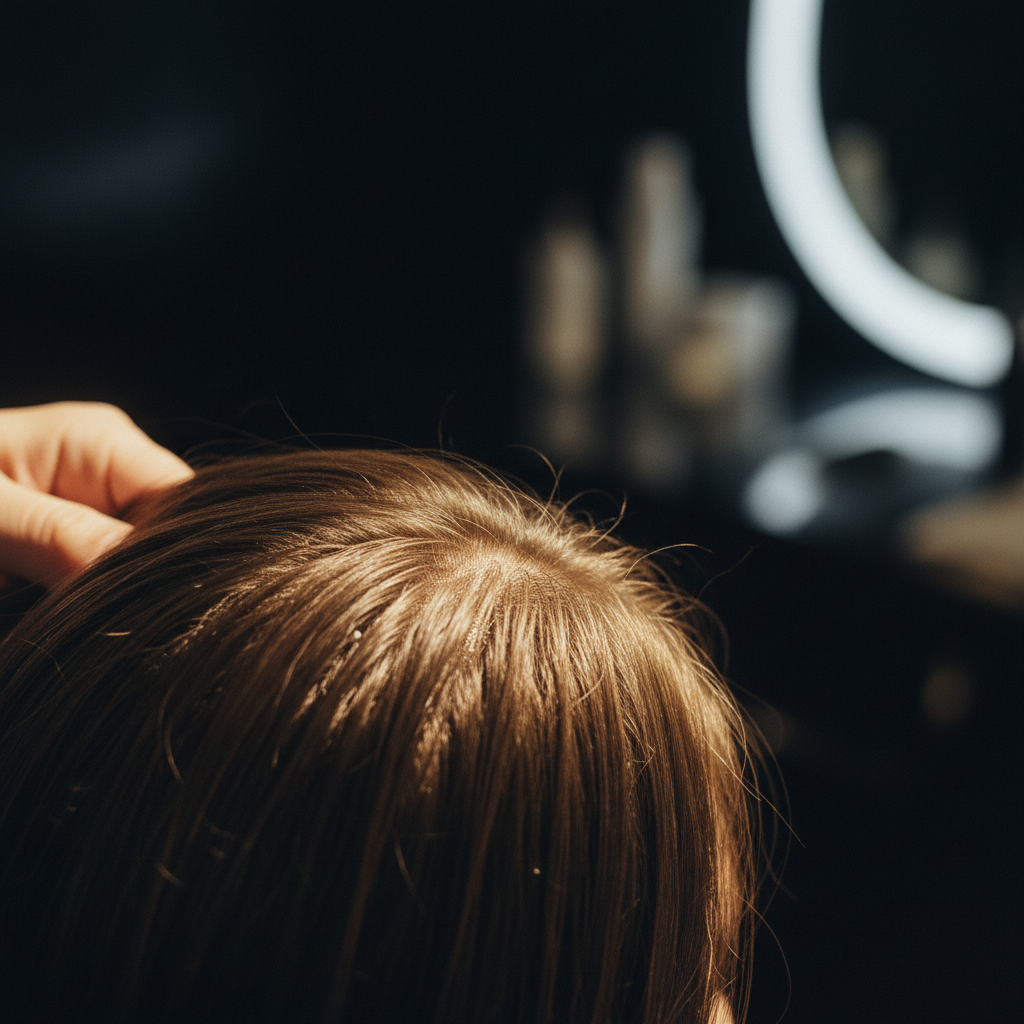
Quick answer: Scalp Health and Conditions refers to the state of the skin on your head, which plays a crucial role in hair growth and overall hair appearance. It encompasses everything from moisture balance and microbial environment to the absence of irritation or disease. Optimal Scalp Health and Conditions are essential for robust hair, as issues like dryness, oiliness, flaking, or inflammation can impact the hair follicle and fibre. However, scalp care alone cannot cure genetic hair loss conditions like male or female pattern baldness.
Key takeaways
- A healthy scalp is the foundation for healthy hair growth, influencing hair strength, shine, and overall appearance.
- Scalp conditions often stem from imbalances in oil production, microbial activity, or environmental factors.
- Common issues include dryness, oiliness, dandruff, and irritation, each requiring different approaches.
- Understanding the signs of an unhealthy scalp can help you address problems early and prevent further complications.
- Good hygiene, gentle products, and a balanced lifestyle are fundamental to maintaining optimal scalp health.
- Persistent or severe scalp problems warrant professional medical advice for proper diagnosis and treatment.
Scalp Health and Conditions: what the evidence shows
Optimal Scalp Health and Conditions are paramount for strong hair growth and appearance. The scalp is a complex ecosystem, a living tissue that extends over the top of the head, housing thousands of hair follicles. Each follicle is a mini-organ responsible for producing a hair fibre. The health of these follicles is directly influenced by the condition of the surrounding skin.
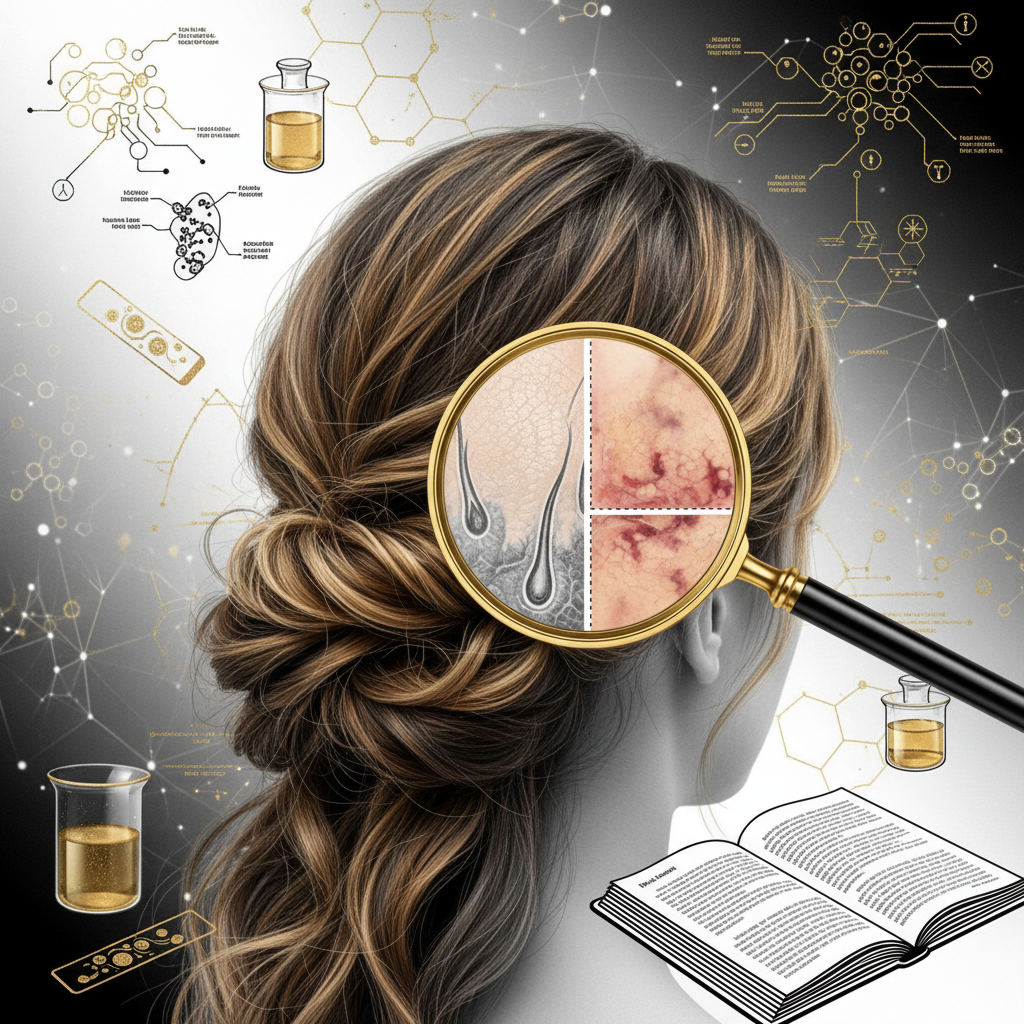
A healthy scalp typically exhibits a balanced microbiome (the community of microorganisms living on the skin), appropriate sebum production, and an intact skin barrier. This barrier protects against environmental aggressors and prevents excessive moisture loss. When this balance is disrupted, various scalp conditions can arise, impacting both the comfort of the individual and the quality of their hair.
For instance, an overproduction of sebum can lead to an oily scalp, which may foster the growth of certain yeasts, such as Malassezia globosa, a common contributor to dandruff. Conversely, insufficient sebum or a damaged skin barrier can result in a dry, itchy scalp. Inflammation, whether from irritation, allergic reactions, or underlying skin conditions, can also impair follicular function and lead to discomfort or even temporary hair shedding.
The mechanism behind scalp health
The scalp's health relies on a delicate balance of several interconnected systems:
- Skin Barrier Function: The outermost layer of the scalp, the stratum corneum, acts as a protective barrier. It prevents transepidermal water loss (TEWL) and blocks irritants and pathogens from entering. A strong barrier is crucial for moisture retention and defence.
- Sebum Production: Sebaceous glands, attached to hair follicles, produce sebum, a natural oil. Sebum lubricates the hair and skin, maintains the skin's acidity (pH 4.5 to 5.5), and forms part of the acid mantle. Too little sebum can cause dryness; too much can lead to oiliness and potential microbial overgrowth.
- Microbiome: The scalp is home to a diverse community of bacteria and fungi. A healthy microbiome helps to suppress harmful organisms and maintain skin immunity. Disruptions, often due to pH changes, product use, or environmental factors, can lead to conditions like dandruff or seborrheic dermatitis.
- Blood Circulation: Adequate blood flow delivers essential nutrients and oxygen to the hair follicles, supporting hair growth and scalp cell regeneration. Poor circulation can potentially impair these processes.
The signs to look for
Recognising the early signs of an unhealthy scalp can help you take action sooner. Look out for:
- Itchiness: A common symptom of many scalp conditions, from dryness to inflammation or fungal overgrowth.
- Flaking: White or yellowish flakes can indicate dandruff, dry scalp, or other dermatological issues.
- Redness or Inflammation: Suggests irritation, sensitivity, or an inflammatory response to an underlying condition.
- Excess Oiliness or Dryness: An imbalanced sebum production, leading to hair that feels greasy quickly or a scalp that feels tight and uncomfortable.
- Sore Spots or Bumps: Can be indicative of folliculitis, allergic reactions, or other skin lesions.
- Unusual Hair Shedding: While normal to shed 50 to 100 hairs daily, increased shedding can sometimes be linked to scalp inflammation or stress on follicles, though it's often unrelated to scalp surface conditions.
What you can do to promote Scalp Health and Conditions
Maintaining a healthy scalp involves a combination of good hygiene practices, appropriate product choices, and lifestyle considerations.
- Gentle Cleansing: Wash your hair regularly with a mild shampoo suitable for your scalp type. This removes excess oil, product build-up, and environmental pollutants without stripping natural oils or disrupting the scalp's pH.
- Conditioning: Use a conditioner on your hair, focusing on the mid-lengths and ends. If your scalp is dry, a light conditioner can sometimes be gently massaged into the scalp, but rinse thoroughly.
- Targeted Treatments: For specific concerns like dandruff or extreme dryness, consider shampoos or treatments containing active ingredients (e.g., salicylic acid, zinc pyrithione for dandruff; hyaluronic acid for dryness).
- Minimise Heat Styling: Excessive heat from styling tools can dry out the scalp and hair. Use heat protectants and lower settings when possible.
- Protect from Environmental Factors: Sunlight, harsh winds, and pollution can all impact scalp health. Wear hats or use UV protective sprays when exposed for extended periods.
- Balanced Diet and Hydration: A diet rich in vitamins, minerals (especially B vitamins, zinc, iron) and essential fatty acids supports skin and hair health from within. Adequate water intake is also crucial.
- Stress Management: High stress levels can exacerbate various skin conditions, including those affecting the scalp. Practices like meditation, yoga, or regular exercise can help.
When the cause may be something else
While many scalp issues are cosmetic and manageable with home care, some persistent or severe symptoms may indicate underlying medical conditions requiring professional diagnosis and treatment. These include:
- Alopecia: Hair loss conditions, such as androgenetic alopecia (male/female pattern baldness), alopecia areata, or scarring alopecias, are not primarily caused by scalp hygiene or typical scalp conditions. These are complex autoimmune or genetic disorders.
- Psoriasis: A chronic autoimmune condition causing thick, silvery scales and red patches, often on the scalp.
- Eczema (Dermatitis): Various forms, including atopic dermatitis and contact dermatitis, can affect the scalp, leading to intense itching, redness, and inflammation.
- Fungal Infections: Tinea capitis (ringworm of the scalp) is a contagious fungal infection that can cause scaly, itchy patches and hair breakage.
- Nutritional Deficiencies: Severe deficiencies in certain vitamins or minerals can impact hair growth and scalp health, though this is less common with a balanced diet.
When to get professional advice
It's advisable to consult a doctor, dermatologist, or trichologist if you experience:
- Persistent or severe itching, redness, or scaling that doesn't improve with over-the-counter treatments.
- Soreness, pain, or open sores on the scalp.
- Significant hair shedding or sudden changes in hair density.
- Signs of infection, such as pus, tenderness, or fever.
- Scalp issues that are significantly impacting your quality of life or causing distress.
Common Scalp Conditions and Their Characteristics
| Condition | Primary Symptoms | Potential Causes | Management Approaches |
|---|---|---|---|
| Dry Scalp | Flakes (small, white), tightness, itchiness | Lack of moisture, cold weather, harsh shampoos | Gentle, moisturising shampoos, scalp oils/serums |
| Oily Scalp | Greasy hair shortly after washing, limp hair | Overactive sebaceous glands, hormonal shifts | Clarifying shampoos, regular washing |
| Dandruff | Flakes (larger, yellowish), itchiness | Malassezia yeast overgrowth, genetics | Anti-dandruff shampoos (zinc pyrithione, selenium sulfide) |
| Seborrheic Dermatitis | Red, greasy, scaly patches, severe itch | Malassezia yeast, inflammation, genetics | Medicated shampoos, topical corticosteroids |
| Contact Dermatitis | Redness, intense itching, blisters, weeping | Allergic reaction to products or environmental irritants | Identify and avoid irritant, topical steroids |
Watermans for Scalp Health and Conditions
Watermans hair care products are formulated with ingredients selected to support optimal Scalp Health and Conditions. Our shampoos and conditioners are designed to cleanse effectively without stripping the scalp's natural moisture barrier, helping to maintain a balanced environment. Ingredients such as biotin, caffeine, and niacinamide are included to nourish the scalp and hair follicles, promoting the appearance of healthier-looking hair. Regular use of Watermans products can contribute to a scalp that feels cleaner, less irritated, and better prepared to support strong, vibrant hair growth. Our range is developed to be gentle, making it suitable for frequent use, and aims to address common concerns such as dryness and product build-up, which can impact overall scalp well-being.
Frequently asked questions about Scalp Health and Conditions
Can diet affect my scalp health?
Yes, your diet can significantly influence the health of your scalp. A balanced intake of essential nutrients, including vitamins A, C, D, E, B vitamins, zinc, iron, and omega-3 fatty acids, supports skin cell regeneration, collagen production, and healthy sebum levels. Deficiencies can sometimes contribute to issues like dryness, oiliness, or inflammation. Eating a varied diet rich in fruits, vegetables, lean proteins, and healthy fats is beneficial for overall Scalp Health and Conditions.
How often should I wash my hair for good scalp health?
The ideal frequency for washing your hair depends on your scalp type, hair texture, and lifestyle. If you have an oily scalp, daily or every other day washing might be necessary to prevent product build-up and manage oil. For a dry or sensitive scalp, washing every 2 to 3 days might be sufficient. The goal is to keep the scalp clean without over-stripping its natural oils. Listen to your scalp and adjust your routine as needed.
Is it normal for my scalp to itch sometimes?
Occasional mild itching can be normal, especially if you're overdue for a wash or have been exposed to environmental irritants. However, persistent, intense, or accompanied by redness, flaking, or sores, it's not normal. Such symptoms could indicate a scalp condition like dandruff, seborrheic dermatitis, or an allergic reaction. If itching is bothersome or doesn't resolve, seeking professional advice is recommended to diagnose the underlying cause.
Can stress cause scalp problems?
Stress is a known factor that can exacerbate many skin conditions, and the scalp is no exception. High stress levels can disrupt hormonal balance, potentially increasing sebum production or triggering inflammatory responses, which can worsen conditions like dandruff or seborrheic dermatitis. While stress doesn't directly cause most scalp conditions, managing it through relaxation techniques and a healthy lifestyle can positively impact overall Scalp Health and Conditions.
What's the difference between a dry scalp and dandruff?
Both dry scalp and dandruff can cause flaking and itching, but they have different origins. A dry scalp occurs when the scalp lacks moisture, leading to small, white, fine flakes and a feeling of tightness. Dandruff, conversely, is typically caused by an overgrowth of the Malassezia yeast, resulting in larger, oilier, yellowish flakes and often more intense itching. Treatment approaches differ, so accurate identification is key to effective management.
Understanding Scalp Health and Conditions
Taking care of your scalp is just as vital as caring for your hair. By understanding the intricate balance required for optimal Scalp Health and Conditions and recognising the signs of common issues, you can proactively address concerns. From maintaining a gentle cleansing routine to choosing appropriate products and knowing when to seek professional help, a well-informed approach will contribute significantly to a comfortable scalp and ultimately, healthier-looking hair.
Sources and references
- American Academy of Dermatology Association, "Dandruff: Diagnosis and treatment", aada.org
- National Eczema Society, "Seborrhoeic Dermatitis", eczema.org
- British Association of Dermatologists, "Psoriasis", bad.org.uk
- PubMed Central, "The role of the scalp microbiome in health and disease", 2020
- National Health Service (NHS), "Hair loss", nhs.uk
- Journal of Clinical and Aesthetic Dermatology, "An Overview of Seborrheic Dermatitis", 2013
Find these ingredients in Watermans products
- Zinc: you will find this ingredient in our Hair Vitamins.
- Niacinamide: you will find this ingredient in our Hair Mask.