Scalp Health and Care: An Evidence-Based Guide to a Thriving Scalp
15 min read ·
Understanding and maintaining good Scalp Health and Care is crucial for strong, vibrant hair growth and overall well-being, though its impact on specific hair loss conditions varies.
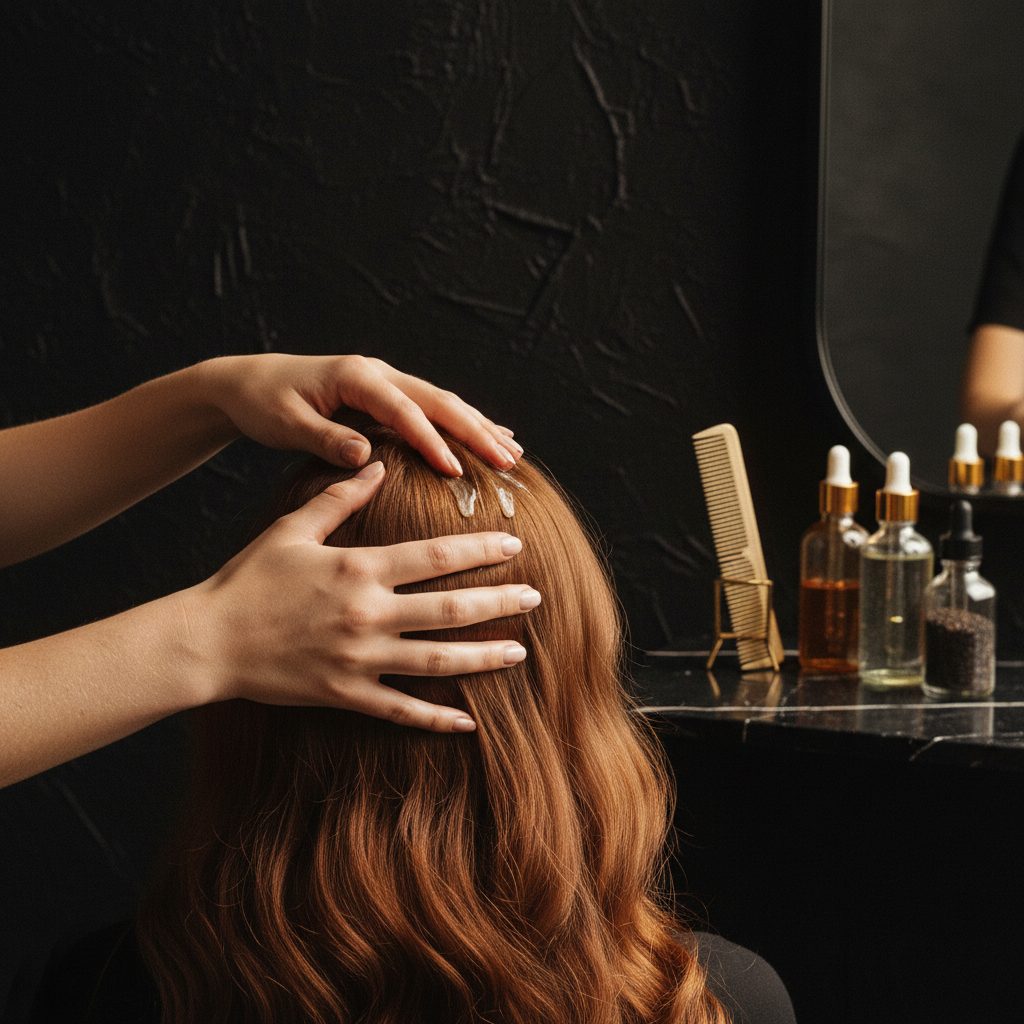
Quick answer: Scalp Health and Care refers to the practices and conditions that support the skin on your head, ensuring it remains balanced and functional to promote healthy hair growth and prevent common issues like dryness, oiliness, or irritation. Achieving optimal Scalp Health and Care involves understanding its delicate ecosystem and adopting routines that respect its natural balance, although it's important to note that cosmetic care alone cannot treat underlying medical conditions that cause hair loss.
Key takeaways
- A healthy scalp is fundamental for optimal hair growth and fibre quality, acting as the foundation for follicles.
- The scalp's delicate ecosystem includes skin layers, hair follicles, sebaceous glands, and a protective acid mantle, all working in balance.
- Common scalp concerns like dandruff, oiliness, and dryness often stem from disruptions to this natural balance.
- Effective Scalp Health and Care involves gentle cleansing, pH-balanced products, a nutrient-rich diet, and sun protection.
- While many issues are manageable with good routines, persistent or severe symptoms warrant professional medical advice.
- Understanding the specific mechanisms behind common scalp conditions helps in choosing targeted and effective treatments.
Scalp Health and Care: what the evidence shows
Scalp Health and Care encompasses the physiological state of the skin on your head and the practices you adopt to maintain its optimal function. A healthy scalp is essential because it provides the foundation for your hair follicles, which are responsible for growing hair fibres. When the scalp's environment is balanced, it supports healthy hair growth, minimises issues like itching or flaking, and contributes to the overall appearance of your hair. Conversely, an unhealthy scalp can lead to various problems, including discomfort, inflammation, and suboptimal conditions for hair growth.
The scalp is a complex anatomical area, similar to the skin elsewhere on your body but with a much higher density of hair follicles and sebaceous glands. It comprises several layers: the epidermis (outer protective layer), dermis (containing follicles, nerves, and blood vessels), and subcutaneous tissue. The average human scalp contains approximately 100,000 hair follicles. Each follicle is a miniature organ, nourished by blood vessels that deliver oxygen and nutrients crucial for the hair growth cycle. Sebaceous glands, associated with each hair follicle, produce sebum, a natural oil that lubricates the scalp and hair, contributing to its protective barrier.
The Scalp's Protective Barrier: pH and the Acid Mantle
One critical aspect of Scalp Health and Care is maintaining its natural pH balance. The surface of healthy skin, including the scalp, is slightly acidic, typically ranging from pH 4.5 to 5.5. This acidity is due to the "acid mantle," a fine, protective film composed of sebum, sweat, and amino acids. This acid mantle acts as the scalp's first line of defence against bacterial and fungal proliferation, helps to seal the hair cuticle, and prevents excessive moisture loss.
When the scalp's pH balance is disrupted, often by harsh alkaline products (with a pH above 7), this protective barrier can be compromised. An elevated pH can cause the hair cuticles to lift, leading to increased porosity, dryness, and a higher risk of breakage. It can also create an environment less resistant to the overgrowth of microbes like Malassezia globosa, a yeast implicated in dandruff. Using pH-balanced hair care products (those with a pH close to that of the scalp) helps preserve this vital protective barrier, supporting the health of both the scalp and the hair fibre. You can learn more about this in our article The Science of Conditioners: How Hair Care Formulations Work.
Common Scalp Conditions and Their Impact on Scalp Health and Care
Several conditions can affect the scalp, disrupting its balance and leading to discomfort or affecting hair appearance. Understanding these conditions is key to effective Scalp Health and Care.
Dandruff (Pityriasis Capitis)
Dandruff is a very common non-inflammatory scalp condition characterised by the shedding of visible flakes of dead skin cells, often accompanied by itching. It is estimated to affect up to 50% of the adult population globally.
Mechanism: While the exact cause is not fully understood, dandruff is strongly associated with an overgrowth of Malassezia globosa, a lipophilic (fat-loving) yeast that is a normal inhabitant of the scalp microbiome. This yeast metabolises the triglycerides in sebum, producing oleic acid. For individuals sensitive to oleic acid, this can trigger an inflammatory response, leading to an accelerated turnover of epidermal cells. Instead of shedding invisibly, these cells clump together with sebum, forming the noticeable white flakes.
Impact on Scalp Health and Care: Dandruff primarily causes discomfort and cosmetic concerns. While it doesn't directly cause hair loss (follicular) or breakage, persistent scratching can damage the scalp, potentially harming follicles and leading to temporary hair shedding or breakage of fragile hair. Effective management is crucial for comfort and overall Scalp Health and Care.
Management: Anti-dandruff shampoos containing active ingredients are the primary treatment. Common active ingredients include:
- Zinc Pyrithione: An antifungal and antibacterial agent that inhibits the growth of Malassezia.
- Selenium Sulphide: Reduces Malassezia growth and slows down skin cell turnover.
- Ketoconazole: A broad-spectrum antifungal agent effective against Malassezia species. Available in both over-the-counter and prescription strengths.
- Salicylic Acid: Helps to loosen and shed scales, though it does not address the underlying fungal cause.
Regular use as directed is important. For mild cases, washing every other day with an anti-dandruff shampoo can be effective. Our article Dandruff: Causes and Treatments Explained provides more detailed information.
Seborrhoeic Dermatitis
Seborrhoeic dermatitis is a chronic inflammatory skin condition that affects areas rich in sebaceous glands, including the scalp, face (especially around the nose and eyebrows), and chest. It presents as red, inflamed patches covered with greasy, yellowish scales.
Mechanism: Similar to dandruff, Malassezia yeast plays a significant role, but the immune response is more pronounced, leading to greater inflammation and greasiness. Genetic predisposition, hormonal fluctuations, stress, and certain medical conditions (e.g., neurological disorders, HIV) can exacerbate the condition.
Impact on Scalp Health and Care: Seborrhoeic dermatitis can cause intense itching, burning sensations, and visible flaking. The inflammation can sometimes affect hair follicle function, potentially leading to increased temporary hair shedding, but it does not typically cause permanent hair loss. Managing the inflammation and yeast overgrowth is central to restoring Scalp Health and Care.
Management: Treatment often involves stronger versions of the ingredients used for dandruff, sometimes combined with topical corticosteroids for short-term control of inflammation. Prescription antifungal creams or medicated shampoos are common. Lifestyle adjustments, such as stress management and avoiding harsh products, can also help. For more, see Oily Scalp: Causes, Management, and When to Seek Help.
Psoriasis of the Scalp
Scalp psoriasis is a chronic autoimmune condition characterised by well-defined, red patches covered with thick, silvery-white scales. It can range from mild, almost unnoticeable patches to severe, covering the entire scalp and extending beyond the hairline.
Mechanism: Psoriasis results from an overactive immune system that mistakenly attacks healthy skin cells, causing them to reproduce too rapidly. Skin cells, which normally mature and shed over about a month, instead do so in a few days, leading to a buildup of immature cells on the skin's surface forming scales.
Impact on Scalp Health and Care: Scalp psoriasis can be intensely itchy and painful. Vigorous scratching or picking at scales can lead to temporary hair shedding or hair breakage. In severe cases, the inflammation can scar hair follicles, potentially causing localised permanent hair loss, though this is rare. Effective management is vital for comfort and preventing complications affecting hair integrity.
Management: Treatment aims to slow skin cell growth and reduce inflammation. This can include topical corticosteroids, vitamin D analogues (like calcipotriol), coal tar shampoos, and salicylic acid preparations to soften scales. In moderate to severe cases, phototherapy or systemic medications (oral or injectable) may be prescribed by a dermatologist.
Contact Dermatitis (Irritant and Allergic)
Contact dermatitis on the scalp is an inflammatory reaction that occurs when the skin comes into contact with an irritating substance or an allergen.
Mechanism:
- Irritant Contact Dermatitis: This is the more common type, occurring when the skin is exposed to a substance that directly damages the skin barrier. Examples include harsh shampoos, excessive use of styling products, or chemical treatments like dyes or relaxers.
- Allergic Contact Dermatitis: This is an immune system reaction to a substance (an allergen) that is usually harmless to most people. Common allergens in hair products include fragrances, preservatives (e.g., methylisothiazolinone), para-phenylenediamine (PPD) in hair dyes, and certain plant extracts. The immune system becomes sensitised to the allergen, and subsequent exposure triggers an inflammatory response, which can be delayed by 24 to 72 hours.
Impact on Scalp Health and Care: Both types cause itching, redness, inflammation, and sometimes blistering or oozing. The intense itching can lead to scratching, potentially causing scalp damage, secondary infections, and temporary hair shedding or breakage. Identifying and avoiding the trigger is paramount for restoring Scalp Health and Care.
Management: The primary treatment is to identify and strictly avoid the offending irritant or allergen. Mild corticosteroid creams or lotions can help reduce inflammation and itching. For severe reactions, oral corticosteroids may be prescribed. Patch testing by a dermatologist can help identify specific allergens.
Practical Steps for Optimal Scalp Health and Care
Adopting a consistent and gentle hair care routine, alongside a healthy lifestyle, significantly contributes to maintaining good Scalp Health and Care. Here's what you can do:
Gentle Cleansing and Product Choice
- Wash Regularly, Not Excessively: The frequency of washing depends on your scalp type and activity level. People with oily scalps may benefit from daily or every other day washing, while those with dry scalps might wash every 2 to 3 days. The goal is to remove dirt, oil, and product buildup without stripping the scalp's natural moisture. Our guide Choosing the Right Shampoo: A Comprehensive Guide to Hair Cleansing can help.
- Use pH-Balanced Shampoos: Opt for shampoos formulated to be gentle and pH-balanced (typically between pH 4.5 and 5.5) to protect your scalp's acid mantle. This helps maintain the natural barrier function and reduces irritation. Look for sulphate-free shampoos if you have a sensitive scalp, as sulphates can sometimes be drying. See Sulfate-Free Shampoo Benefits for more information.
- Focus Shampoo on the Scalp: When washing, gently massage shampoo into your scalp with your fingertips, rather than your nails, to lift dirt and sebum. Let the lather rinse through the lengths of your hair. Apply conditioner primarily to the hair lengths and ends, avoiding direct application to the scalp if you have an oily scalp, unless it is a scalp-specific treatment.
- Lukewarm Water: Use lukewarm water for washing and rinsing. Hot water can strip natural oils and potentially irritate the scalp, leading to dryness or increased oil production as the sebaceous glands compensate.
- Rinse Thoroughly: Ensure all shampoo and conditioner is rinsed from your hair and scalp to prevent product residue buildup, which can irritate and weigh down hair. Read How to Do a Clarifying Wash: A Guide to Deep Hair Cleansing for more.
Lifestyle and Environmental Factors
- Balanced Diet and Hydration: A diet rich in essential nutrients, including vitamins (especially B vitamins, D, E), minerals (zinc, iron, selenium), and omega-3 fatty acids, supports overall skin and hair health. Adequate water intake is also crucial for maintaining scalp hydration. For instance, zinc is a cofactor for many enzymes involved in hair follicle function. You can find zinc in foods like meat, shellfish, legumes, nuts, and dairy.
- Stress Management: Chronic stress can exacerbate many skin conditions, including those affecting the scalp, by influencing hormone levels and immune responses. Incorporating stress-reduction techniques like meditation, yoga, or regular exercise can be beneficial for overall well-being and Scalp Health and Care.
- Sun Protection: The scalp is susceptible to sunburn, especially along the parting or if hair is thinning. Prolonged sun exposure can damage scalp skin and hair follicles. Wear a hat or use a scalp-specific SPF product when exposed to strong sunlight.
- Avoid Over-styling and Harsh Treatments: Excessive heat styling, tight hairstyles that pull on the scalp, and harsh chemical treatments can all stress the scalp and hair, leading to damage or irritation. Our article Heat Styling Safety Best Practices offers guidance.
Scalp Massage and Exfoliation
- Gentle Scalp Massage: Regular, gentle scalp massage can help stimulate blood circulation to the hair follicles, potentially improving nutrient delivery. It can also help loosen dead skin cells and relieve tension. Use your fingertips in small, circular motions for a few minutes daily.
- Consider Scalp Exfoliation: For some, occasional scalp exfoliation can help remove dead skin cells and product buildup, especially for those prone to oiliness or flaking. However, it should be done gently and infrequently to avoid irritation. Individuals with inflammatory conditions like psoriasis or seborrhoeic dermatitis should consult a professional before exfoliating. Learn more in Scalp Exfoliation: Uncovering the Evidence for a Healthier Scalp.
Table: Common Scalp Concerns and Basic Care Strategies
| Scalp Concern | Primary Causes | Symptoms | General Scalp Health and Care Strategy |
|---|---|---|---|
| Oily Scalp | Overactive sebaceous glands, hormones, genetics | Greasy hair, oiliness, potential itching | Gentle, frequent cleansing; sebum-regulating products; avoid heavy conditioners on scalp. See Oily Scalp Care: Understanding and Managing Excess Sebum. |
| Dry Scalp | Lack of sebum, harsh products, dehydration, climate | Tightness, itching, small flakes (dry dandruff) | Hydrating shampoos and conditioners; minimise hot water; humidifiers; avoid harsh sulphates. See Hair Hydration: The Science Behind Keeping Hair Moist. |
| Dandruff | Malassezia yeast overgrowth, oleic acid sensitivity | Visible white flakes, itching | Antifungal shampoos (zinc pyrithione, selenium sulphide, ketoconazole); regular washing. See Dandruff: Causes and Treatments Explained. |
| Itchy Scalp | Dryness, dandruff, allergies, product residue, inflammation | Persistent itching, discomfort | Identify and remove irritants; use soothing ingredients (e.g., allantoin, bisabolol); gentle cleansing. See Anti-inflammatory Ingredients: Soothing Your Scalp for Healthier Hair. |
When to Seek Professional Advice for Scalp Health and Care
While many aspects of Scalp Health and Care can be managed through at-home routines and over-the-counter products, there are times when professional medical advice is necessary. It's important to consult a dermatologist or a trichologist (a hair and scalp specialist) if you experience any of the following:
- Persistent Symptoms: If itching, redness, flaking, or irritation persist despite consistent efforts with appropriate at-home care.
- Severe Symptoms: Intense pain, burning, significant inflammation, or widespread crusting or scabbing on the scalp.
- Hair Loss or Thinning: Any sudden, unexplained, or significant hair shedding or thinning should be evaluated by a professional to rule out underlying medical conditions or specific forms of alopecia. This is distinct from hair breakage.
- Open Sores or Infections: Signs of bacterial or fungal infection, such as pus-filled lesions, warmth, or increasing tenderness.
- Impact on Quality of Life: If your scalp condition significantly affects your daily life, sleep, or self-esteem.
A professional can provide an accurate diagnosis, differentiate between various conditions, and recommend targeted treatments, which may include prescription medications, specialised procedures, or advice on managing chronic conditions effectively.
Frequently asked questions about Scalp Health and Care
What are the main signs of a healthy scalp?
A healthy scalp generally looks clear, with no visible redness, inflammation, or excessive flaking. It should feel comfortable, without persistent itching, tenderness, or tightness. Hair follicles should appear distinct, and hair should grow without unusual shedding or breakage. A balanced moisture level, neither excessively oily nor dry, is also a key indicator of good Scalp Health and Care.
Can diet affect Scalp Health and Care?
Absolutely. Your diet plays a significant role in overall skin and hair health. A balanced diet rich in vitamins (like A, C, D, E, and B vitamins, especially biotin), minerals (iron, zinc, selenium), and essential fatty acids (omega-3s) provides the necessary building blocks and cofactors for healthy hair follicle function and a resilient scalp barrier. Deficiencies can lead to issues like dryness, dull hair, or increased hair shedding.
How often should I wash my hair for optimal Scalp Health and Care?
The ideal washing frequency varies based on individual scalp type, activity level, and product use. There is no universal "right" answer. Generally, an oily scalp might benefit from daily or every other day washing, a normal scalp every 2 to 3 days, and a dry scalp every 3 to 4 days. The goal is to keep the scalp clean without stripping natural oils or causing irritation.
Is scalp exfoliation necessary for good Scalp Health and Care?
Scalp exfoliation is not universally necessary for everyone, but it can be beneficial for some individuals, particularly those prone to product buildup, excess oil, or mild flaking. It helps remove dead skin cells and clear follicles. However, it should be done gently and sparingly (e.g., once every 1 to 2 weeks) to avoid irritation. Those with sensitive or inflamed scalps should consult a professional before exfoliating.
What role does hard water play in Scalp Health and Care?
Hard water contains high levels of dissolved minerals like calcium and magnesium. These minerals can accumulate on the scalp and hair, leading to buildup that makes hair feel dull, dry, and brittle. For the scalp, this mineral residue can cause dryness, irritation, and potentially exacerbate conditions like dandruff. Regular clarifying washes or using shower filters can help mitigate the effects of hard water on Scalp Health and Care. Learn more about Hard Water and Hair Damage: Understanding the Impact on Your Hair.
Watermans Haircare for Scalp Health and Care
Watermans hair care products are formulated with ingredients that support a healthy scalp environment, aiming to cleanse gently, maintain moisture, and create optimal conditions for hair growth. For example, our shampoos and conditioners are designed to be pH-balanced, helping to protect the scalp's natural acid mantle. Ingredients such as rosemary extract and niacinamide, found in some Watermans products, are included for their potential to support circulation and scalp vitality. Addressing specific scalp needs like oiliness or dryness with Watermans products can contribute to improved comfort and the appearance of healthier, stronger-feeling hair.
Sources and references
- American Academy of Dermatology Association. (n.d.). Dandruff: Diagnosis and treatment. Aad.org
- National Institute of Arthritis and Musculoskeletal and Skin Diseases (NIAMS). (2020). Psoriasis. Nih.gov
- Journal of Clinical and Aesthetic Dermatology. (2014). Seborrheic Dermatitis: An Overview. PubMed Central. PMC4073356
- Draelos, Z. D. (2010). Hair Cosmetics: An Overview. Journal of Cosmetic Science, 61(1), 3-15.
- Trueb, R. M. (2007). The value of pH in hair care products. International Journal of Trichology, 1(2), 65-66.
- Biniek, K., et al. (2013). The pH of the skin surface and its effect on the barrier function. Skin Pharmacology and Physiology, 26(3), 160-170.
Find these ingredients in Watermans products
- Zinc: you will find this ingredient in our Hair Vitamins.
- Oleic Acid: you will find this ingredient in our Camellia & Black Castor Hair & Body Oil.
- Niacinamide: you will find this ingredient in our Hair Mask.