Scalp Folliculitis and Care: Causes, Symptoms, and Evidence-Based Relief
9 min read ·
A clinical guide to Scalp Folliculitis and Care, detailing causes, visible symptoms, effective cleansing routines, and medical guidance for a healthy scalp.
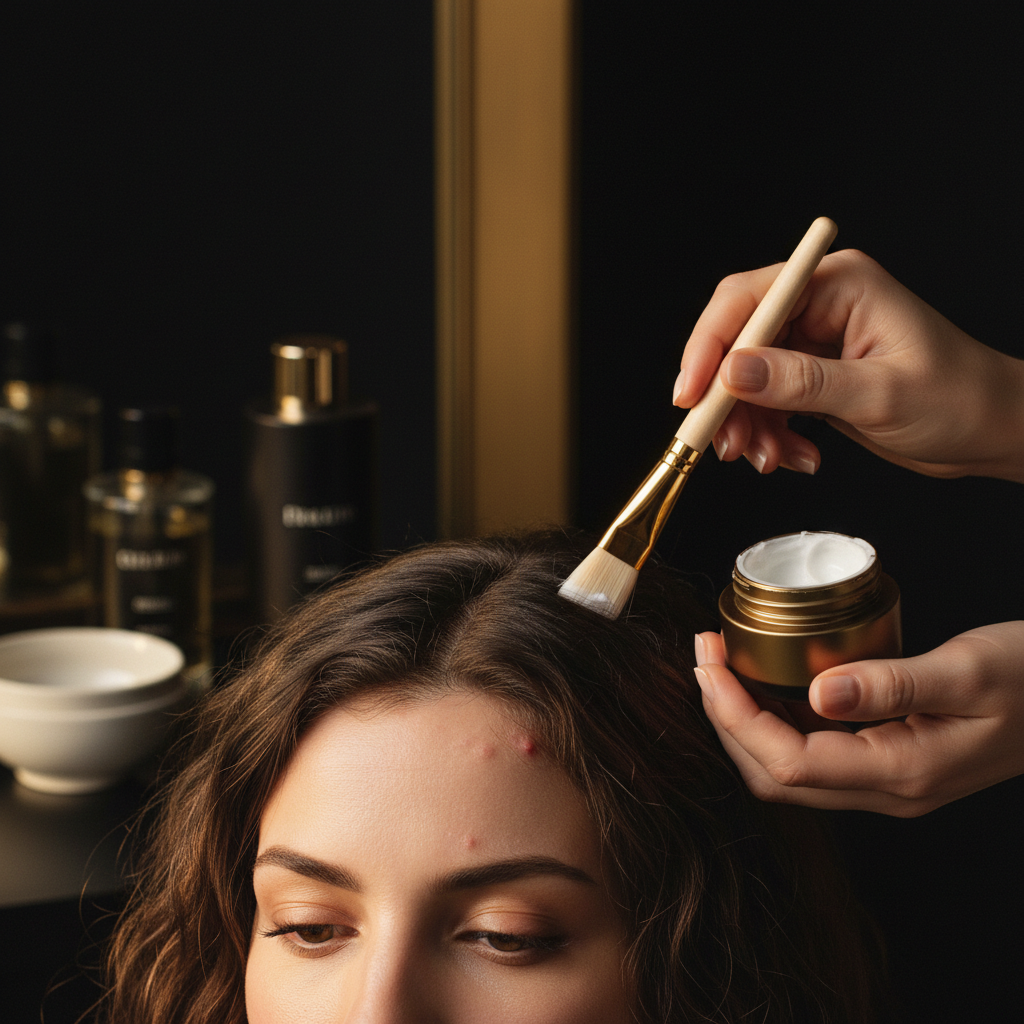
Quick answer: Scalp Folliculitis and Care involves understanding an inflammatory disorder of the hair follicles that presents as tender, itchy, or pustular bumps across the scalp. Driven by bacterial, fungal, or non-infectious triggers, effective management relies on antiseptic cleansing, reducing physical friction, and avoiding occlusive styling products. Cosmetic care supports barrier hygiene and calms irritation, but severe or persistent cases require medical diagnosis to rule out scarring forms of alopecia.
Key takeaways
- Scalp folliculitis is an inflammation of one or more hair follicles, often triggered by Staphylococcus aureus, Malassezia yeasts, or physical friction.
- It appears primarily as small, red papules or surface pustules that itch, sting, or feel tender when touched or brushed.
- Superficial folliculitis usually resolves without causing follicular damage, whereas deep or chronic variations risk scarring and permanent hair loss.
- Practical care involves using gentle, non-comedogenic cleansers, avoiding heavy scalp waxes or oils, and maintaining clean headwear.
- Over-the-counter antimicrobial washes can manage mild flares, but spreading inflammation, swelling, or systemic symptoms demand dermatological review.
Scalp Folliculitis and Care: what the evidence shows
Clinical dermatology classifies scalp folliculitis as an infectious or reactive inflammatory condition centred on the follicular unit. Superficial variants, historically termed folliculitis simplex or impetigo of Bockhart, remain confined to the upper portion of the follicle. In contrast, deeper variants penetrate the entire follicle length and can progress into painful furuncles or scarring processes.
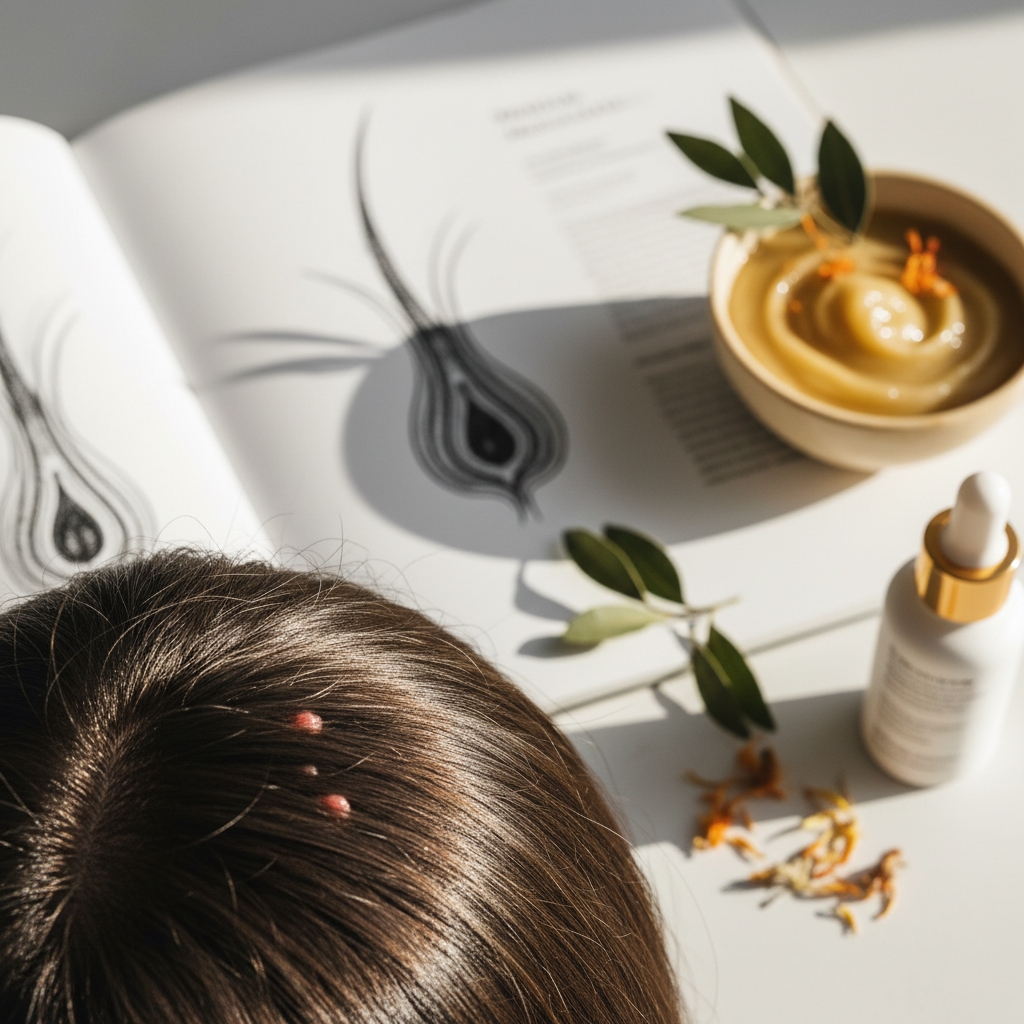
Microbiological studies consistently show that Staphylococcus aureus serves as the primary bacterial culprit in superficial infections. However, the scalp microbiome is complex. Fungal organisms, particularly Malassezia species (formerly known as Pityrosporum), frequently drive fungal folliculitis. This fungal variant often thrives in warm, humid microenvironments or beneath occlusive hair products that trap sweat and sebum against the skin surface.
The medical consensus on proper care stresses follicular decompression and microbial control. Gentle cleansing with mild surfactants prevents sebum buildup from creating an anaerobic environment. Clinical guidelines highlight that aggressive physical scrubbing worsens follicular inflammation rather than clearing it, as mechanical micro-tears allow pathogens to penetrate deeper into the dermis.
The underlying mechanisms of follicular inflammation
Every hair follicle on your scalp forms a tiny invagination of the epidermis equipped with its own sebaceous gland. This structure produces sebum, a lipid-rich mixture that naturally lubricates the hair fibre and maintains a healthy cutaneous acid mantle (typically sitting between pH 4.5 and 5.5).
When excessive sebum, keratinised dead skin cells, or heavy styling residues accumulate at the follicular opening (the ostium), a physical blockage forms. This plug traps natural skin flora beneath the surface. Trapped bacteria or yeasts rapidly multiply, consuming sebum lipids and releasing free fatty acids along with chemotactic factors.
Your immune system responds to these microbial by-products by sending neutrophils and lymphocytes directly into the follicular wall. The resulting influx of inflammatory cells causes local tissue swelling, redness (erythema), and the characteristic accumulation of white blood cells that forms a visible pustule at the skin surface.
Signs and symptoms to monitor
Recognising the signs of follicular disruption early allows for swift, targeted hygiene adjustments before secondary complications emerge. Look for the following clinical presentations:
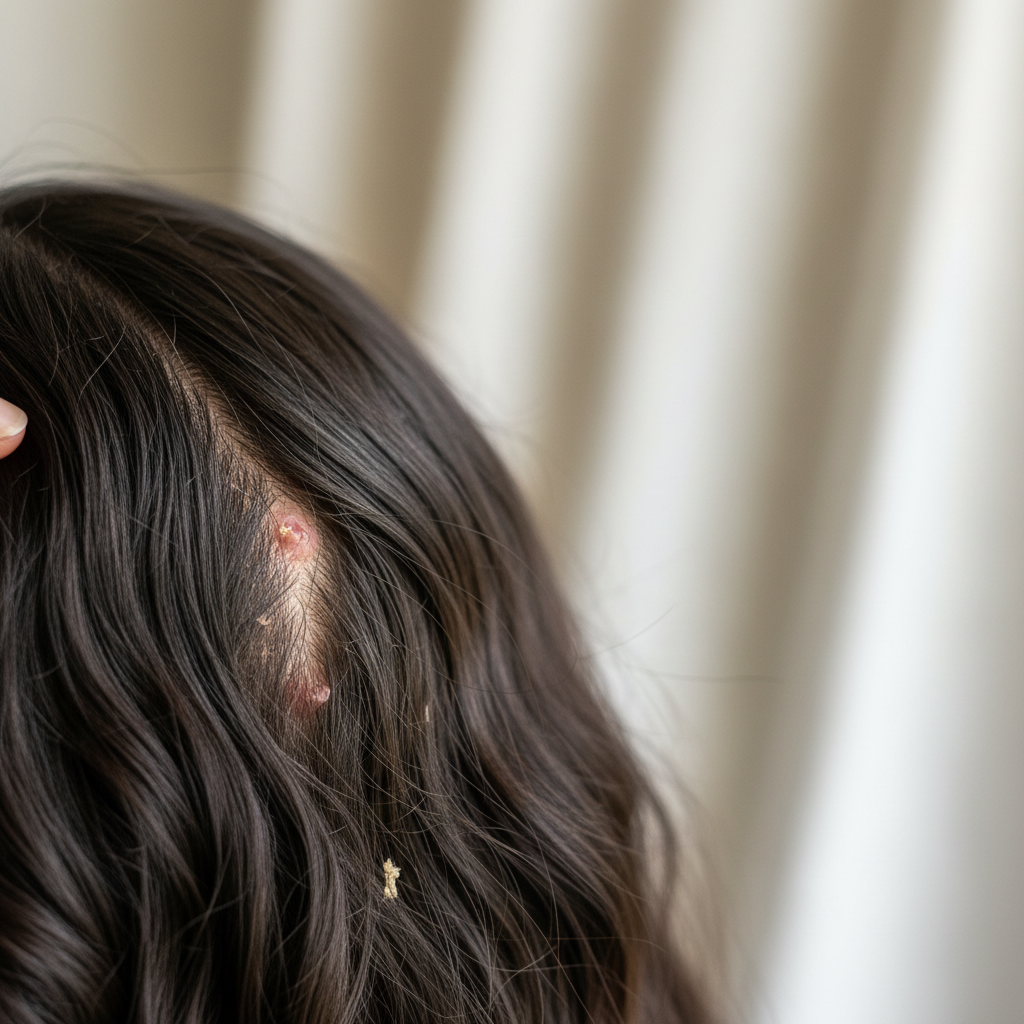
- Perifollicular papules: Small, erythematous bumps concentrated around individual hair shafts rather than widespread across bare skin.
- Follicular pustules: Pinhead-sized, yellowish or white pus-filled blisters that frequently have a hair emerging directly from their centre.
- Sensory changes: Distinct sensations of burning, sharp itching, or tenderness that intensifies when sleeping or brushing hair.
- Crusting: Dried, honey-coloured or brown crusts that adhere to the scalp after a pustule ruptures.
- Localised warmth: A noticeable feeling of heat across affected patches of the scalp during an active flare.
What you can do: evidence-based home care routines
Establishing an effective home care routine hinges on reducing microbial burden while preserving the integrity of the scalp skin barrier. The following protocols provide practical relief:
1. Reassess your wash frequency and technique
Wash your hair regularly with a gentle, balanced shampoo (pH 5.0 to 5.5). If your scalp tends toward oiliness, daily washing during warm weather or after heavy exercise stops sweat and sebum from oxidising within the follicular pore. Massage the scalp with the soft pads of your fingers. Never use fingernails, as scratching drives surface bacteria directly into damaged follicular walls.
2. Eliminate occlusive waxes, butters, and heavy oils
Heavy mineral oils, petroleum jelly, and dense plant butters create an impermeable layer across the scalp. This barrier suffocates the follicle and provides a feast for lipophilic organisms such as Malassezia. Switch to lightweight, water-soluble styling products and ensure they are applied exclusively to the mid-lengths and ends rather than directly onto the scalp.
3. Maintain hygiene of contact items
Pillowcases, hats, helmets, and hairbrushes gather dead skin cells, sweat, and bacterial colonies. Change and wash pillowcases at least twice weekly in hot water (at or above 60 degrees Celsius). Disinfect hair tools with warm, soapy water and an alcohol-based sanitiser regularly to prevent reinfecting freshly cleaned follicles.
4. Apply soothing topical ingredients
Mild antimicrobial agents such as dilute tea tree oil (formulated at cosmetic concentrations under 5 percent to prevent contact dermatitis), salicylic acid, or piroctone olamine can help keep follicular ostia clear. Salicylic acid acts as a keratolytic agent, dissolving the sticky cellular glue that binds dead skin cells inside the follicle.
Comparing scalp conditions: identifying the root cause
Scalp folliculitis shares visual similarities with several common scalp disorders. Correct identification ensures you choose the right care approach.
| Condition | Primary Cause | Typical Appearance | Key Distinguishing Factor |
|---|---|---|---|
| Superficial Folliculitis | S. Aureus or Malassezia | Small pustules or tender red bumps centred around hairs | Discrete, tender bumps, often triggered by heat or friction |
| Seborrhoeic Dermatitis | Malassezia overgrowth and barrier dysfunction | Greasy, yellowish flakes on diffuse red patches | Flaking is widespread rather than confined to individual hair pores |
| Scalp Acne | Sebaceous overactivity and Cutibacterium acnes | Comedones (blackheads/whiteheads), cysts, papules | Often extends to the forehead, temples, and upper back |
| Folliculitis Decalvans | Chronic neutrophilic inflammation (complex cause) | Crops of pustules, tufting of hairs ("doll's hair") | Results in scarring alopecia and permanent follicular destruction |
What the evidence does not show
There is no credible scientific evidence demonstrating that scalp folliculitis is caused by poor personal hygiene alone. While irregular washing can exacerbate follicular plugging, the condition often occurs in individuals who wash daily, particularly athletes or people wearing protective helmets.
Furthermore, controlled clinical studies do not support the idea that pure essential oils (such as undiluted tea tree, rosemary, or oregano oil) are safe home remedies. Applying concentrated essential oils to an inflamed scalp often causes severe allergic contact dermatitis, worsening tissue swelling and mimicking a worsening infection. Similarly, natural food-grade oils (like coconut oil or olive oil) do not "feed" or heal an infected follicle; they provide a lipid-rich fuel source that accelerates fungal proliferation.
When the cause may be something else
If your symptoms resist standard antimicrobial cleansing, several alternative conditions must be considered. Folliculitis keloidalis nuchae appears as firm, keloid-like papules on the nape of the neck, occurring most commonly in individuals with tightly coiled hair textures due to mechanical irritation and ingrown hairs.
Another serious variant is dissecting cellulitis of the scalp (perifolliculitis capitis abscedens et suffodiens), an uncommon, chronic condition marked by painful, fluctuating nodules and interconnecting sinus tracts. Finally, erosive pustular dermatosis can mimic infection in older adults with sun-damaged skin. None of these conditions will clear with standard over-the-counter washes, and all require specialist dermatological intervention.
When to seek professional advice
Consult a GP, dermatologist, or qualified trichologist promptly if you notice any of the following warning signs:
- Bumps that merge into large, fluctuant, or intensely painful swellings.
- Crusting accompanied by noticeable hair shedding or patches where hairs fail to regrow.
- Systemic symptoms such as fever, chills, or swollen lymph nodes around the neck or behind the ears.
- Symptoms that fail to improve after 14 days of dedicated over-the-counter care.
- Signs of scarring, where the follicular openings completely disappear, leaving smooth, shiny skin.
Medical management may involve prescription topical antibiotics (such as clindamycin), oral antibiotics (such as doxycycline or flucloxacillin), oral antifungals, or short courses of topical corticosteroids to calm severe tissue inflammation.
Supporting scalp resilience
Maintaining long-term scalp wellness involves creating an environment where the skin barrier functions optimally and hair fibres grow unhindered. A balanced scalp environment minimizes the risk of micro-inflammation that can disrupt the hair cycle. High-performance cosmetic formulations containing niacinamide, caffeine, biotin, and rosemary extract support scalp microcirculation and soothe everyday irritation. Watermans produces cosmetic scalp solutions and revitalising shampoos formulated without harsh sulphates, providing a gentle cleansing foundation that washes away impurities without stripping natural moisture barriers.
Frequently asked questions about Scalp Folliculitis and Care
How long does it take for scalp folliculitis to clear up?
Mild, superficial folliculitis typically improves within 7 to 10 days once you adopt an appropriate care routine. This includes using gentle antimicrobial cleansing, avoiding occlusive products, and eliminating friction. If the condition persists beyond two weeks, or if individual bumps grow larger and more painful, a medical consultation is required to identify the specific pathogen.
Can scalp folliculitis cause permanent hair loss?
Superficial variants of the condition rarely cause permanent hair loss because the inflammation remains confined to the upper portion of the follicle, leaving the stem cells in the hair bulge unharmed. However, deep, chronic, or scarring forms such as folliculitis decalvans destroy the regenerative structures of the follicle, replacing healthy tissue with fibrosis and causing irreversible hair loss.
What is the most effective approach to Scalp Folliculitis and Care at home?
The most reliable routine for Scalp Folliculitis and Care combines a mild antimicrobial or exfoliating shampoo (containing ingredients like salicylic acid or piroctone olamine) with strict personal hygiene. Avoid scratching, wash hats and pillowcases frequently at 60 degrees Celsius, keep hair free from heavy waxes, and dry your hair completely after workouts to prevent sweat accumulation.
Should I stop washing my hair if my scalp is inflamed and sore?
No, you should not stop washing your hair. Reducing wash frequency allows excess sebum, dead skin cells, and microbial populations to build up further, worsening the inflammation. Instead, switch to an ultra-gentle, pH-balanced cleanser and wash with lukewarm water. Use the soft pads of your fingers rather than nails to protect fragile follicular tissue.
Scalp Folliculitis and Care in summary
Navigating Scalp Folliculitis and Care successfully requires distinguishing between temporary surface inflammation and deeper dermatological conditions. By implementing consistent, non-abrasive hygiene habits, eliminating pore-blocking styling products, and respecting the scalp skin barrier, you can manage mild flares effectively. For symptoms that do not resolve swiftly, or whenever signs of scarring appear, seek professional medical guidance to protect both scalp health and hair density.
Sources and references
- British Association of Dermatologists. Folliculitis Information Leaflet, updated 2022.
- National Institute for Health and Care Excellence (NICE). Boils, carbuncles, and staphylococcal folliculitis: Clinical Knowledge Summary, 2021.
- American Academy of Dermatology. Acne-like breakouts could be folliculitis, 2023.
- Journal of the American Academy of Dermatology. Diagnostic and treatment guidelines for scalp pustular dermatoses, 2019.
- World Health Organization. Guidelines on Core Components of Infection Prevention and Control Programmes, 2017.
Find these ingredients in Watermans products
- Niacinamide: you will find this ingredient in our Hair Mask.