Scalp Flaking: Causes, Mechanisms, and Evidence-Based Management
8 min read ·
Discover the true causes of Scalp Flaking, from Malassezia yeast to dry skin. Learn how cell turnover drives flakes and explore proven strategies for scalp care.
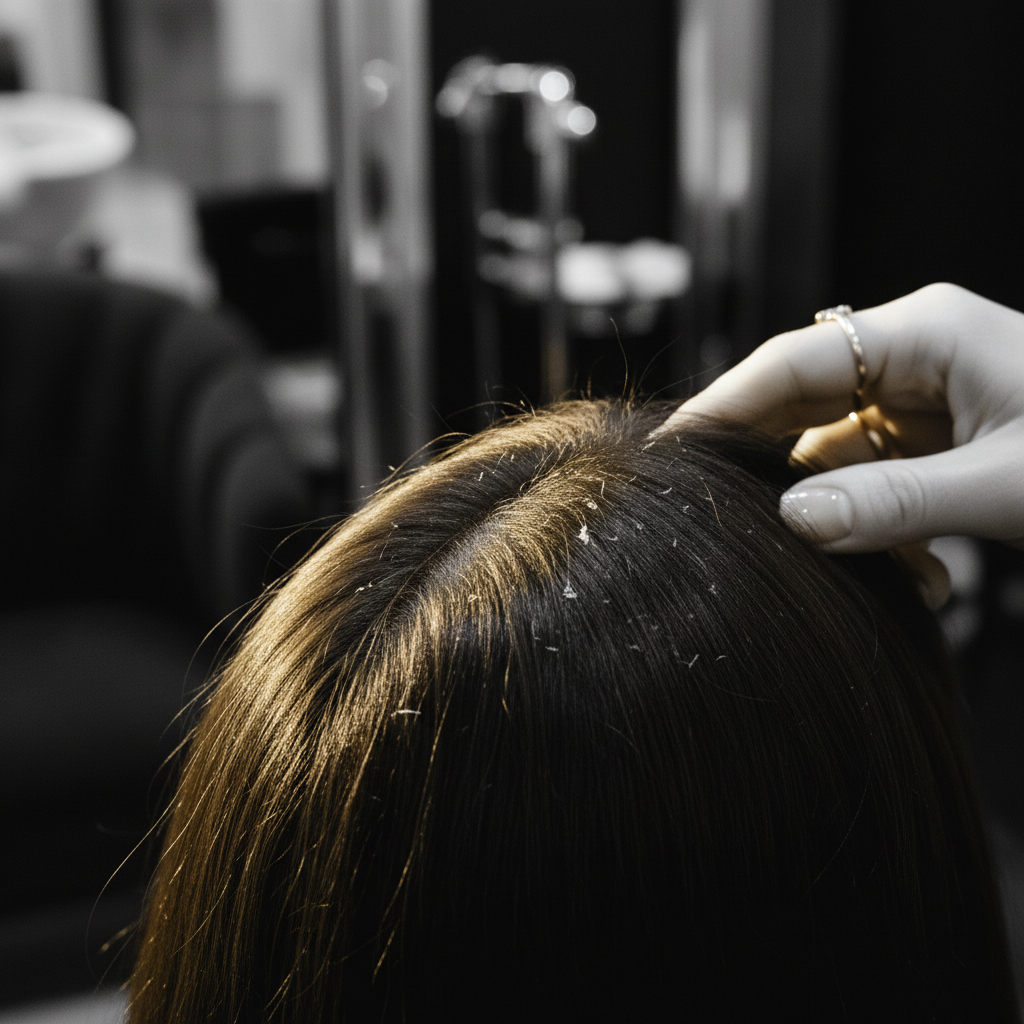
Quick answer: Scalp Flaking is the visible shedding of dead epidermal cells from the surface of the scalp, driven by accelerated cell turnover, barrier disruption, or microbial imbalance. While commonly mistaken for simple dry skin, true Scalp Flaking most often stems from seborrhoeic dermatitis or pityriasis capitis triggered by Malassezia yeasts. Cosmetic washes and active scalp formulas can control everyday flaking effectively, but severe inflammation, silvery plaques, or hair shedding require clinical evaluation to rule out psoriasis or infection.
Key takeaways
- Scalp Flaking occurs when the normal 28-day epidermal renewal cycle accelerates to 7 to 14 days, causing immature corneocytes to clump together.
- Malassezia globosa and Malassezia restricta yeasts metabolise scalp sebum into irritating free fatty acids, specifically oleic acid, which triggers flaking in susceptible individuals.
- Dry scalp flakes are typically small, white, and non-adherent, while seborrhoeic flakes are larger, oily, yellowish, and accompanied by erythema (redness).
- Regular washing reduces the lipid food source for yeast, directly countering the misconception that frequent shampooing worsens flaking.
- Cosmetic care supports the scalp barrier, but thick adherent crusts, bleeding, or widespread redness warrant medical diagnosis.
Scalp Flaking: what the evidence shows
Clinical dermatology demonstrates that Scalp Flaking is primarily an inflammatory and proliferative response rather than a lack of hydration alone. In a balanced scalp, stratum corneum cells shed invisibly as single microscopic units. When the barrier is compromised, these cells detach in visible sheets containing hundreds or thousands of cohesive corneocytes.
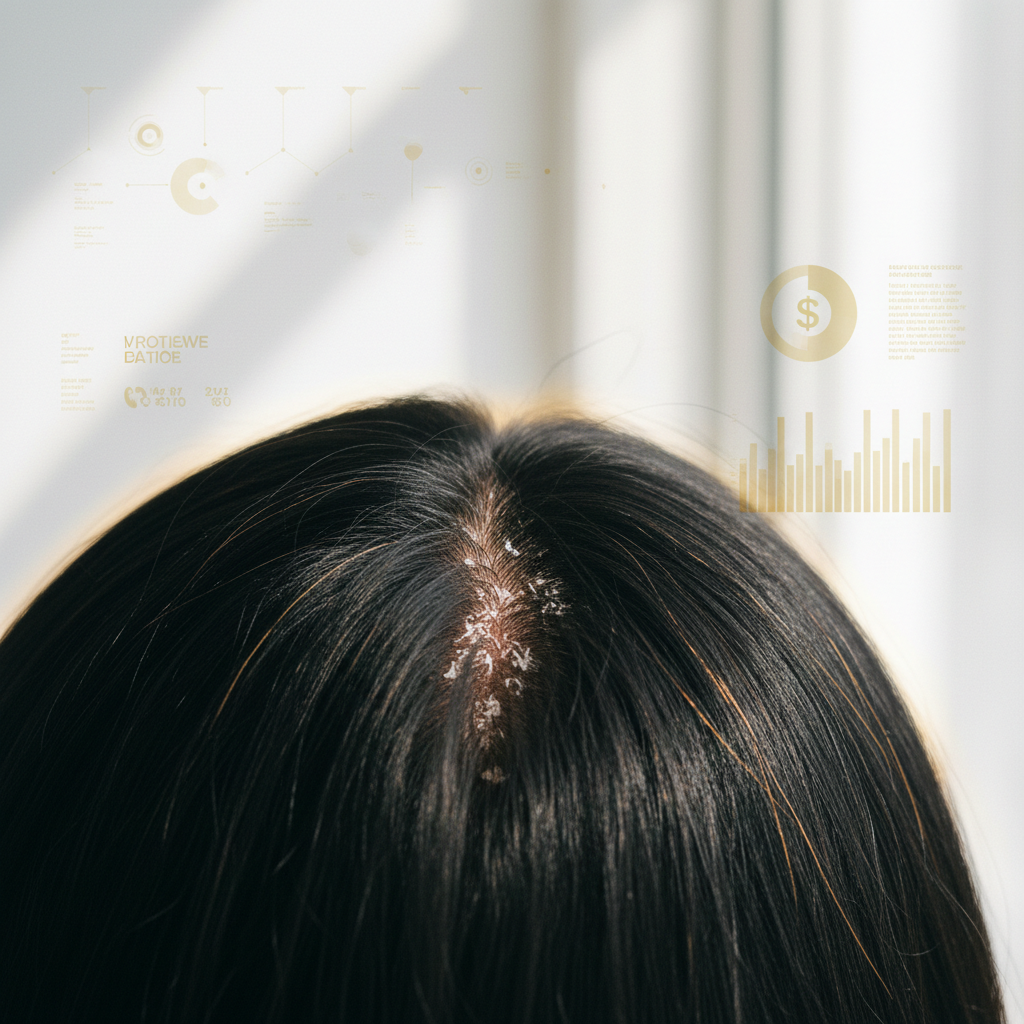
Peer-reviewed studies indicate that three factors converge to create common flaking: sebum secretion, the presence of Malassezia yeasts, and individual barrier susceptibility. Malassezia thrives in lipid-rich environments. The yeast produces lipases that break down triglycerides in sebum, releasing oleic acid. In roughly half the global population, oleic acid penetrates the stratum corneum, induces subclinical inflammation, and disrupts epidermal differentiation. This disruption causes incomplete keratinisation, leading to the rapid shedding known as dandruff or seborrhoeic dermatitis.
Research also shows that product residue, hard water mineral deposits, and infrequent cleansing aggravate the problem. Infrequent washing allows sebum and dead cells to accumulate, creating an ideal breeding ground for microbial overgrowth.
What the evidence does not show
Scientific literature does not support the widespread belief that Scalp Flaking is caused solely by dehydration or drinking insufficient water. Systemic hydration is vital for general health, but drinking more water does not correct Malassezia-mediated barrier disruption or regulate sebaceous gland output.
The evidence also refutes the idea that heavy plant oils (such as coconut, olive, or argan oil) cure flaking. Because Malassezia species depend on exogenous lipids with carbon chain lengths between C11 and C24, applying plant oils often feeds the yeast, worsening both the flaking and underlying erythema.
Finally, cosmetic products do not treat autoimmune conditions like scalp psoriasis. While anti-dandruff ingredients reduce common scaling, they cannot alter the systemic immune pathways driving psoriatic plaque formation.
Understanding the biological mechanisms
The scalp has the highest density of hair follicles and sebaceous glands on the human body. Sebaceous glands secrete sebum, a lipid mixture rich in squalene, wax esters, triglycerides, and cholesterol.
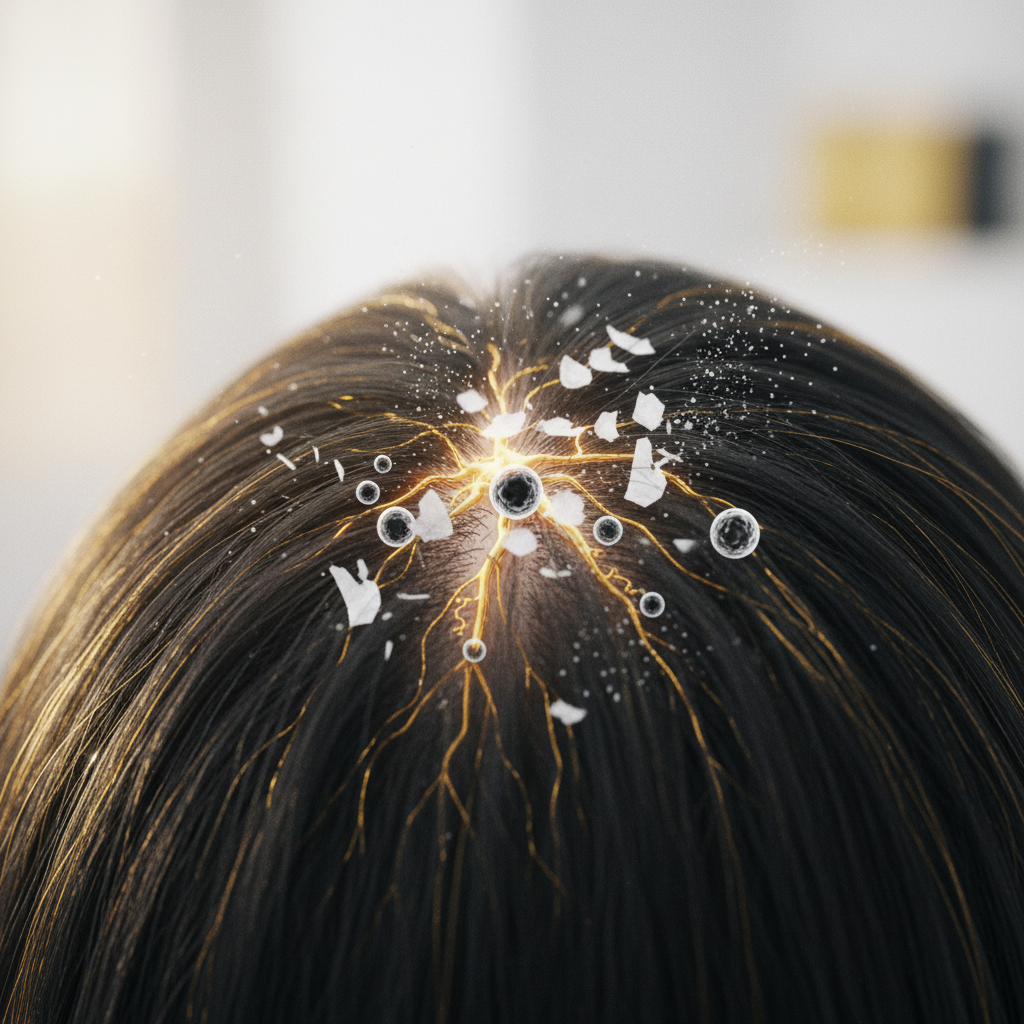
- Microbial lipolysis: Malassezia yeast hydrolyses triglycerides, consuming the saturated fatty acids it requires to survive. It leaves behind unsaturated free fatty acids, notably oleic acid and arachidonic acid.
- Barrier penetration: Free fatty acids penetrate the paracellular pathways of the stratum corneum, altering lipid organisation and membrane fluidity.
- Hyperproliferation: The underlying keratinocytes release pro-inflammatory cytokines (such as IL-1alpha and IL-8). The basal layer responds by speeding up cellular transit from the standard 25 to 30 days down to 10 days or fewer.
- Parakeratosis: Nucleated, incompletely matured keratinocytes reach the surface. Retaining their intracellular adhesion plaques, they slough off in large, visible clumps.
Differentiating dry scalp from seborrhoeic dermatitis
Understanding the visual and physical characteristics of your flakes ensures you choose the correct management strategy.
| Feature | Dry Scalp Flaking | Seborrhoeic Dermatitis (Dandruff) | Scalp Psoriasis |
|---|---|---|---|
| Flake Appearance | Small, dry, white, powdery | Larger, greasy, yellowish, clumping | Thick, silvery-white, laminated |
| Scalp Texture | Dry, tight, matte | Oily, shiny, occasionally moist | Well-demarcated raised plaques |
| Itch Level | Mild to absent | Moderate to intense | Variable, often burning or sore |
| Redness | Minimal to none | Patchy erythema, pink or red zones | Deep red, clearly bordered margins |
| Underlying Driver | Low humidity, harsh surfactants | Malassezia yeast overgrowth and sebum | Autoimmune T-cell hyperproliferation |
| Hairline Spread | Stays within hair area | Can affect eyebrows, ears, nasolabial folds | Often extends past hairline onto forehead |
Practical steps to manage and minimise flaking
Managing flaking requires a consistent routine focused on clarifying the scalp, regulating microbial levels, and supporting the epidermal moisture barrier.
- Increase wash frequency: Wash your hair every 1 to 2 days if you have an oily scalp. This physically removes dead corneocytes, excess sebum, and Malassezia metabolites before irritation takes hold.
- Use active clarifying cleansers: Look for formulas containing salicylic acid (to chemically dissolve inter-cellular bonds between flakes), piroctone olamine (to regulate yeast populations gently), or zinc pyrithione.
- Maintain proper water temperature: Wash with lukewarm water (around 37 to 38 degrees Celsius). Excessively hot water strips essential structural ceramides from the scalp, triggering reactive barrier weakness.
- Avoid heavy oil masks: Skip pure vegetable oils on the roots. If you have dry lengths, apply conditioning oils exclusively from the mid-lengths down to prevent feeding the microflora on the scalp.
- Exfoliate gently: Use chemical exfoliants containing beta-hydroxy acids rather than abrasive physical scrubs, which can tear delicate scalp tissue and aggravate inflammation.
Supporting the scalp with Watermans
When addressing visible flaking linked to build-up and barrier stress, choosing gentle yet clarifying formulas is critical. Harsh, stripping shampoos can disrupt the scalp's natural pH (which sits naturally between 4.5 and 5.5), causing rebound dryness.
Watermans Grow Me Shampoo offers a balanced approach for daily maintenance. Formulated with rosemary, biotin, niacinamide, and allantoin, it works to clean the scalp surface thoroughly without depleting moisture. By lifting away surface residue and environmental debris, it helps foster a refreshed, healthier-looking scalp environment where hair can thrive. Pairing regular cleansing with targeted scalp hygiene helps keep the scalp visibly clear and flake-free.
When the cause is something else
Not all flaking is dandruff or dry skin. Several other conditions mimic standard flaking:
- Contact dermatitis: Allergic or irritant reactions to hair dyes (particularly paraphenylenediamine), fragrances, or preservatives create acute redness, weeping, and subsequent peeling.
- Tinea capitis: A fungal dermatophyte infection common in children that causes patchy scaling, broken hair stubs ("black dot" sign), and localized swelling.
- Lichen planopilaris: A scarring alopecia presenting with peripolluclar erythema and subtle scaling around individual hair bases, which can lead to permanent follicular damage if ignored.
When to seek professional advice
Consult a GP, dermatologist, or qualified trichologist if:
- Flaking does not improve after 4 weeks of consistent use of clarifying or anti-dandruff shampoos.
- The scalp becomes visibly inflamed, intensely painful, swollen, or produces yellowish fluid or crusting.
- Scalp flaking is accompanied by noticeable hair shedding, thinning patches, or localized bald spots.
- Thick, silvery plaques develop that bleed when scratched (Auspitz sign).
Frequently asked questions about Scalp Flaking
Does Scalp Flaking cause permanent hair loss?
No, Scalp Flaking itself does not cause permanent hair loss or damage hair follicles directly. However, intense itching can lead to vigorous scratching, which physically damages the hair shaft and leads to hair breakage. Severe, untreated inflammation can also temporarily trigger telogen effluvium (diffuse hair shedding), but follicular capacity remains intact once the inflammation resolves.
How often should I wash my hair if I have Scalp Flaking?
If your Scalp Flaking stems from dandruff or seborrhoeic dermatitis, wash your hair every 1 to 2 days. Frequent cleansing removes the excess sebum that feeds Malassezia yeast and washes away dead corneocytes before they clump together. If your flaking is due to an arid climate or dry skin, washing 2 to 3 times weekly with a mild, hydrating formula is ideal.
Can using dry shampoo make Scalp Flaking worse?
Yes, relying heavily on dry shampoo often aggravates Scalp Flaking. Dry shampoos absorb oil rather than removing it. Over time, starches, powders, and trapped sebum accumulate on the scalp. This creates an occlusive environment that can trap yeasts and irritate the stratum corneum, intensifying scaling.
Does cold weather trigger Scalp Flaking?
Cold weather frequently exacerbates flaking. Low outdoor humidity combined with indoor central heating strips moisture from the outer layers of the scalp, weakening the skin barrier. Additionally, people tend to wash their hair with hotter water in winter, which can further strip lipids and provoke flaking.
Managing your scalp health over time
Understanding the root cause of Scalp Flaking is the first step toward achieving a comfortable, clear scalp. Whether your flaking is triggered by accelerated cell turnover from Malassezia activity, product build-up, or simple surface dryness, targeted topical hygiene and consistent cleansing yield measurable improvements. Monitor changes in flake size, texture, and scalp sensitivity, and seek medical guidance whenever redness, pain, or widespread scaling persists.
Sources and references
- British Association of Dermatologists. Seborrhoeic Dermatitis Patient Information Leaflet. 2020.
- Dawson, T. L. Malassezia globosa and restricta: Breakthrough Understanding of the Etiology and Treatment of Dandruff and Seborrheic Dermatitis through Whole-Genome Analysis. Journal of Investigative Dermatology Symposium Proceedings, 2007.
- National Health Service (NHS). Dandruff: Overview, Causes, and Treatments. 2022.
- Ro, B. I., & Dawson, T. L. The Role of Sebaceous Metabolism in the Pathogenesis of Dandruff and Seborrheic Dermatitis. Journal of Clinical and Aesthetic Dermatology, 2005.
- Schwartz, J. R., et al. A Comprehensive Pathophysiology of Dandruff and Seborrheic Dermatitis - Towards a More Complete Understanding of Scalp Health. Dermatology, 2013.
Find these ingredients in Watermans products
- Zinc: you will find this ingredient in our Hair Vitamins.
- Oleic Acid: you will find this ingredient in our Camellia & Black Castor Hair & Body Oil.
- Niacinamide: you will find this ingredient in our Hair Mask.