Scalp Conditions: Understanding Causes, Symptoms, and Management
11 min read ·
Scalp Conditions refer to a range of issues affecting the skin on your head, from common concerns like dandruff to more complex inflammatory responses. Understanding these conditions, their symptoms, and effective management strategies is key to maintaining a healthy scalp and supporting optimal hair health.
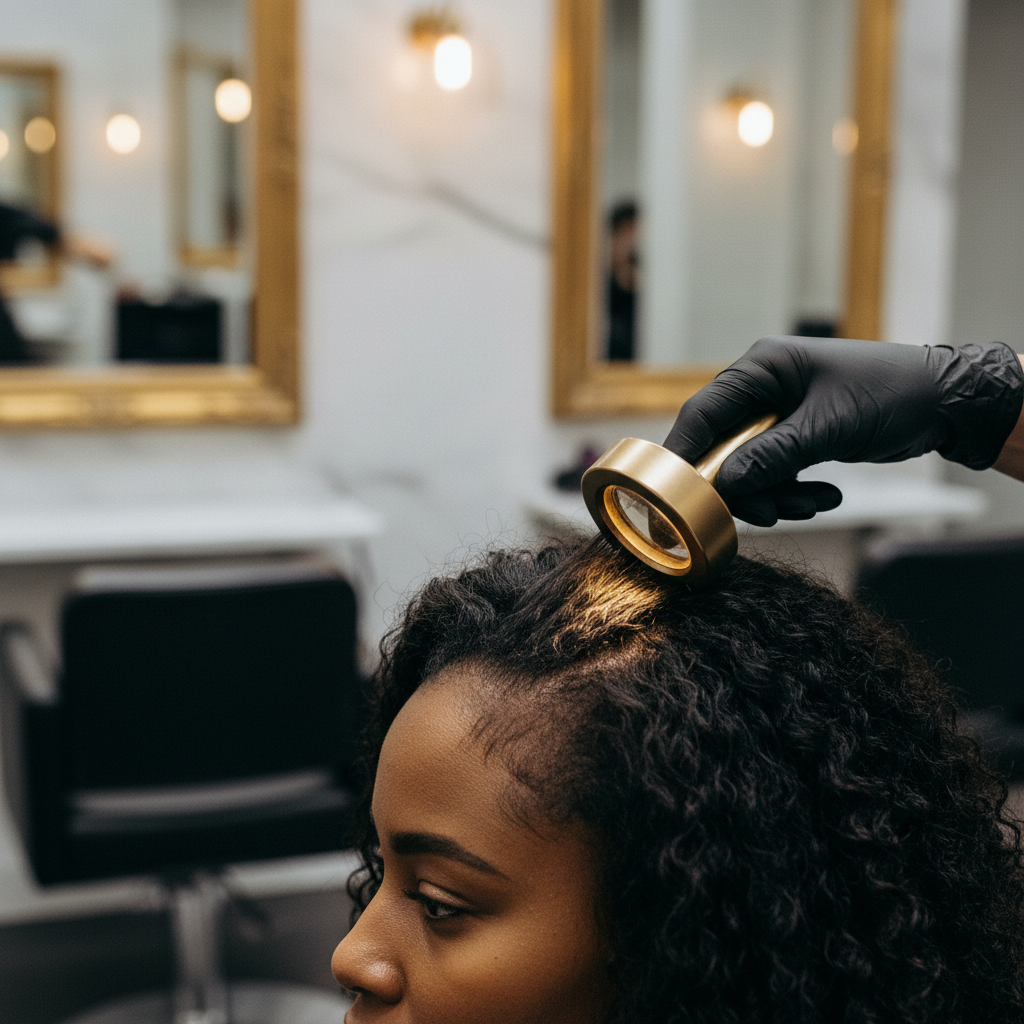
Quick answer: Scalp Conditions are disruptions to the normal health and function of the skin covering your head, encompassing a range of issues from flaking and itching to inflammation and infection. These conditions can impact hair growth and comfort. While many Scalp Conditions are manageable with targeted care, some may require professional medical advice for diagnosis and treatment. Always distinguish between conditions that affect the scalp itself and those primarily affecting the hair fibre or follicle.
Key takeaways
- Scalp Conditions are diverse, affecting the skin on the head, and can range from mild flaking to severe inflammation.
- Common conditions include dandruff, seborrhoeic dermatitis, psoriasis, contact dermatitis, folliculitis, and fungal infections.
- Many Scalp Conditions are linked to an imbalance in the scalp's microbiome, particularly an overgrowth of Malassezia yeast.
- Symptoms like itching, flaking, redness, and discomfort are common across various conditions, making accurate diagnosis important.
- Effective management often involves specific shampoos, topical treatments, and sometimes dietary or lifestyle adjustments.
- Professional medical advice is recommended for persistent, severe, or worsening Scalp Conditions, or if hair loss is observed.
Scalp Conditions: what the evidence shows
Scalp Conditions are a broad category of dermatological issues that affect the skin of the head, impacting comfort, appearance, and often hair health. The scalp is a unique environment, home to hair follicles, sebaceous glands, and a complex ecosystem of microorganisms, collectively known as the scalp microbiome. When this delicate balance is disturbed, various conditions can arise. Research indicates that many common Scalp Conditions, particularly dandruff and seborrhoeic dermatitis, are closely linked to the overgrowth of naturally occurring yeasts on the scalp, such as Malassezia globosa and Malassezia restricta (Piérard-Franchimont et al., 2004; Gaitanis et al., 2012).
Dandruff (Pityriasis Capitis)
Dandruff is a very common Scalp Condition characterised by the shedding of visible, white or grey skin flakes from the scalp. It affects an estimated 50% of the global adult population (Manuel and Ranganathan, 2011). The mechanism involves an accelerated turnover of epidermal cells on the scalp. While some shedding is normal, dandruff occurs when this process becomes rapid and disorganised. The primary cause is widely accepted to be the metabolic activity of Malassezia yeasts on scalp sebum, leading to the production of irritant fatty acids like oleic acid. For individuals sensitive to oleic acid, this triggers an inflammatory response, increasing skin cell proliferation and resulting in the characteristic flaking and itching.
Signs to look for include:
- Fine, loose, white or grey flakes on the scalp, hair, and shoulders.
- Mild to moderate scalp itching.
- Occasionally, mild redness or irritation, though less pronounced than in seborrhoeic dermatitis.
What you can do: Dandruff is typically managed with over-the-counter shampoos containing active ingredients like zinc pyrithione, selenium sulphide, or ketoconazole, which target Malassezia growth. Regular use, as directed, is usually effective. For more information, see our guide on Dandruff: Causes and Treatments Explained.
Seborrhoeic Dermatitis
Seborrhoeic dermatitis is a chronic inflammatory skin condition that frequently affects the scalp, alongside other sebaceous gland-rich areas like the face, chest, and back. It is considered a more severe and inflammatory form of dandruff. The pathogenesis is multifactorial, involving an overgrowth of Malassezia species, sebaceous gland activity, and an individual's immune response (Gupta et al., 2014). It is not directly caused by poor hygiene, though infrequent washing can exacerbate symptoms by allowing sebum and yeast to accumulate.
Signs to look for include:
- Red, inflamed patches on the scalp.
- Greasy, yellowish scales or crusts that may be adherent to the hair shaft.
- Intense itching and sometimes a burning sensation.
- Can lead to temporary hair thinning in severe, chronic cases due to inflammation affecting follicles.
What you can do: Management often involves medicated shampoos and topical corticosteroids or antifungal creams prescribed by a doctor. Lifestyle adjustments, such as stress reduction, may also help. For more details on managing oiliness, refer to our articles Oily Scalp Care: Understanding and Managing Excess Sebum and Sebum Regulation: Understanding and Managing Scalp Oiliness.
Scalp Psoriasis
Scalp psoriasis is a non-contagious, chronic autoimmune condition where skin cells grow too rapidly, leading to the formation of thick, silvery scales and red, raised patches on the scalp. This accelerated cell turnover, which is typically 3 to 4 days instead of the usual 28 days, is driven by an overactive immune system (National Psoriasis Foundation). While it is an immune-mediated disease, triggers can include stress, injury to the skin, infections, and certain medications.
Signs to look for include:
- Thick, well-defined, red patches covered with silvery-white scales.
- Dryness, cracking, and potential bleeding if scales are picked or scratched.
- Intense itching, which can be severe.
- Temporary hair loss in affected areas due to the thickness of scales or aggressive scratching, but the hair follicles themselves are usually not destroyed.
What you can do: Treatment for scalp psoriasis varies depending on severity and may include topical corticosteroids, calcipotriol, coal tar, salicylic acid, or even systemic medications in severe cases. A dermatologist can provide an accurate diagnosis and treatment plan. Regular moisturising and gentle handling of the scalp are important. For similar topics, see our article on Anti-inflammatory Ingredients: Soothing Your Scalp for Healthier Hair.
Contact Dermatitis
Contact dermatitis of the scalp is an inflammatory reaction that occurs when the scalp comes into contact with an irritant or an allergen. This immune response is triggered by specific substances. Irritant contact dermatitis (ICD) is more common and caused by direct damage to skin cells, often by harsh chemicals, strong detergents (e.g., certain sulphates), or excessive use of heat styling products. Allergic contact dermatitis (ACD) is a delayed hypersensitivity reaction, meaning symptoms may not appear for 24 to 72 hours after exposure to an allergen (e.g., certain fragrances, preservatives, or hair dyes) to which the individual has been previously sensitised.
Signs to look for include:
- Redness and inflammation of the scalp.
- Intense itching, often described as an unbearable urge to scratch.
- Swelling, tenderness, or a burning sensation.
- In severe cases, blisters, oozing, or crusting.
- Dry, flaky skin, especially after the initial inflammatory phase.
What you can do: Identifying and avoiding the offending irritant or allergen is paramount. Mild cases may improve with gentle, fragrance-free shampoos and topical corticosteroids. Patch testing by a dermatologist can help identify specific allergens. Switching to sulfate-free or milder hair products may be beneficial. See also Sulfate-Free Shampoo Benefits and The Benefits of Sulfate-Free Hair Products.
Folliculitis
Folliculitis is an inflammation of the hair follicles, often presenting as small, red, pimple-like bumps. It can affect any area where hair grows, including the scalp. This condition occurs when hair follicles become damaged or blocked, making them susceptible to infection by bacteria (most commonly Staphylococcus aureus), fungi, or sometimes mites. Factors like shaving, tight hairstyles, excessive sweating, or certain medical conditions can increase the risk (Patterson et al., 2017).
Signs to look for include:
- Small, red bumps or pus-filled pimples centred around hair follicles.
- Tenderness, pain, or discomfort.
- Itching or a burning sensation.
- Crusting of lesions as they heal.
What you can do: Mild folliculitis may resolve on its own. For persistent or widespread cases, topical or oral antibiotics or antifungal medications may be prescribed. Avoiding tight headwear, maintaining good hygiene, and using gentle hair products can help prevent recurrence. If you have fine hair, consider our guide on Fine Hair: A Complete Guide to Understanding and Care.
Tinea Capitis (Ringworm of the Scalp)
Tinea capitis is a contagious fungal infection of the scalp and hair shafts, predominantly affecting children. It is caused by dermatophyte fungi, which thrive on keratin. The fungi invade the stratum corneum of the scalp and the hair shaft, leading to inflammation and breakage of the hair (Elewski et al., 2011).
Signs to look for include:
- Patches of scaling and redness on the scalp.
- Brittle hair that breaks off at or near the scalp surface, leading to localised areas of hair loss (alopecia).
- Small black dots (stubs of broken hairs) within affected patches.
- Pus-filled sores (kerions), which are a severe inflammatory reaction, may develop.
- Itching and tenderness.
What you can do: Tinea capitis requires oral antifungal medication, usually for several weeks, as topical treatments alone are often insufficient to penetrate the hair shaft effectively. A doctor will diagnose this condition, often using a Wood's lamp examination or fungal culture, and prescribe appropriate treatment. Good hygiene and avoiding sharing hair tools can help prevent spread.
When the cause may be something else
While the aforementioned are common Scalp Conditions, various other factors can mimic or contribute to scalp issues. For instance, nutritional deficiencies (e.g., iron, biotin, zinc) can impact scalp health and hair quality, potentially leading to dryness or thinning (Almohanna et al., 2019). Hormonal imbalances, stress, and certain medications can also affect sebaceous gland activity or immune responses, influencing the scalp environment. Autoimmune disorders beyond psoriasis, such as lupus, can sometimes manifest with scalp symptoms. It's important to note that environmental factors, like exposure to hard water, can also contribute to scalp and hair issues; see Hard Water and Hair Damage: Understanding the Impact on Your Hair.
When to get professional advice
You should consult a healthcare professional, such as your GP or a dermatologist, if you experience any of the following:
- Persistent or worsening symptoms: If your Scalp Conditions do not improve with over-the-counter treatments after a few weeks.
- Severe itching, pain, or inflammation: These could indicate a more serious underlying issue.
- Sudden or unexplained hair loss: Especially if accompanied by scalp irritation or scaling, this warrants prompt investigation.
- Signs of infection: Such as pus, fever, or spreading redness.
- Large, thick scales or crusts: These may require prescription-strength treatments.
- Uncertainty about the diagnosis: A medical professional can accurately identify the condition and recommend the most effective course of action.
Frequently asked questions about Scalp Conditions
Can diet affect Scalp Conditions?
While direct causal links are still being researched, a balanced diet rich in vitamins (especially B vitamins, vitamin D), minerals (zinc, iron), and essential fatty acids (omega-3s) supports overall skin health, including the scalp. Nutritional deficiencies can sometimes exacerbate existing Scalp Conditions or lead to symptoms like dryness or poor hair quality. However, diet alone is rarely the sole cause or cure for most clinically diagnosed Scalp Conditions.
Is it possible to have multiple Scalp Conditions at once?
Yes, it is possible to experience more than one Scalp Condition concurrently. For example, an individual with psoriasis might also develop seborrhoeic dermatitis. Additionally, prolonged scratching from one condition can irritate the scalp and potentially lead to secondary bacterial infections. This complexity highlights why professional diagnosis is crucial for effective, targeted treatment plans.
How does stress impact Scalp Conditions?
Stress does not directly cause most Scalp Conditions, but it can act as a significant trigger or exacerbating factor for many existing ones. High stress levels can influence the immune system and hormonal balance, which in turn can worsen inflammatory conditions like psoriasis, seborrhoeic dermatitis, or even trigger flare-ups of dandruff. Managing stress through lifestyle changes can therefore be a helpful complementary strategy.
What's the difference between hair shedding and hair loss related to Scalp Conditions?
Hair shedding (telogen effluvium) is a temporary increase in daily hair fall, often uniform across the scalp, and is not usually indicative of follicular damage. Hair loss, particularly as seen with certain Scalp Conditions like tinea capitis or severe inflammatory conditions, can be more localised and indicate damage to the hair follicle itself. In these cases, the hair may break off or the follicle may be compromised, potentially leading to slower regrowth or more permanent thinning if not addressed. It's important to differentiate this from hair breakage, which refers to the fibre snapping along the shaft due to external damage.
Do Scalp Conditions cause hair loss?
Some Scalp Conditions can indeed lead to temporary hair loss, but this is usually due to severe inflammation, persistent scratching, or physical disruption of the hair follicle. For example, tinea capitis directly causes hair breakage and localised hair loss. Conditions like severe seborrhoeic dermatitis or psoriasis can also lead to temporary thinning or hair loss in affected areas due to chronic inflammation. However, once the underlying scalp condition is treated and inflammation subsides, hair growth often resumes. It is crucial to distinguish this from genetic hair loss (alopecia) or hair breakage from mechanical stress. For further reading, see Hair Damage: Causes, Signs, and Solutions.
Watermans and Scalp Conditions
Watermans hair care products are formulated to support a healthy scalp environment, which can be beneficial when managing some Scalp Conditions, particularly those involving dryness, oiliness, or sensitivity. Our formulations aim to gently cleanse and nourish the scalp, helping to maintain its natural balance. For instance, Watermans Grow Me® Shampoo contains ingredients like caffeine, biotin, and niacinamide, which are known for their beneficial effects on scalp circulation and hair vitality. Watermans products are designed to be sulfate-free, which can be less irritating for sensitive scalps prone to conditions like contact dermatitis. While Watermans products are not medicinal treatments for diagnosed Scalp Conditions, they can complement medical advice by promoting a healthier environment for the scalp and hair.
Sources and references
- Almohanna, H. M., et al. (2019). The Role of Vitamins and Minerals in Hair Loss: A Review. Dermatology and Therapy, 9(1), 51-70.
- Elewski, B. E., et al. (2011). Tinea Capitis: A Current Perspective. Journal of the American Academy of Dermatology, 65(3), 573-583.
- Gaitanis, G., et al. (2012). The Malassezia Microbiome in Healthy and Diseased Skin. Frontiers in Cellular and Infection Microbiology, 2, 85.
- Gupta, A. K., et al. (2014). Seborrheic Dermatitis. Dermatologic Clinics, 32(3), 395-401.
- Manuel, F., & Ranganathan, S. (2011). A New Postulate on Two Seborrheic Dermatitis-Associated Malassezia Species. Journal of Clinical and Diagnostic Research, 5(2), 263-268.
- National Psoriasis Foundation. Scalp Psoriasis. Available from: https://www.psoriasis.org/about-psoriasis/types/scalp (Accessed 2023).
- Patterson, J. W., et al. (2017). Weedon's Skin Pathology (4th ed.). Churchill Livingstone Elsevier.
- Piérard-Franchimont, C., et al. (2004). Pityrosporum ovale and Pityrosporum orbiculare are two species. Mycoses, 47(7), 335-339.
Find these ingredients in Watermans products
- Zinc: you will find this ingredient in our Hair Vitamins.
- Oleic Acid: you will find this ingredient in our Camellia & Black Castor Hair & Body Oil.
- Niacinamide: you will find this ingredient in our Hair Mask.