Scalp Care: A Foundation for Healthy Hair Growth
10 min read ·
Effective Scalp Care is crucial for maintaining a healthy environment where hair follicles can thrive, influencing hair growth and overall hair quality.
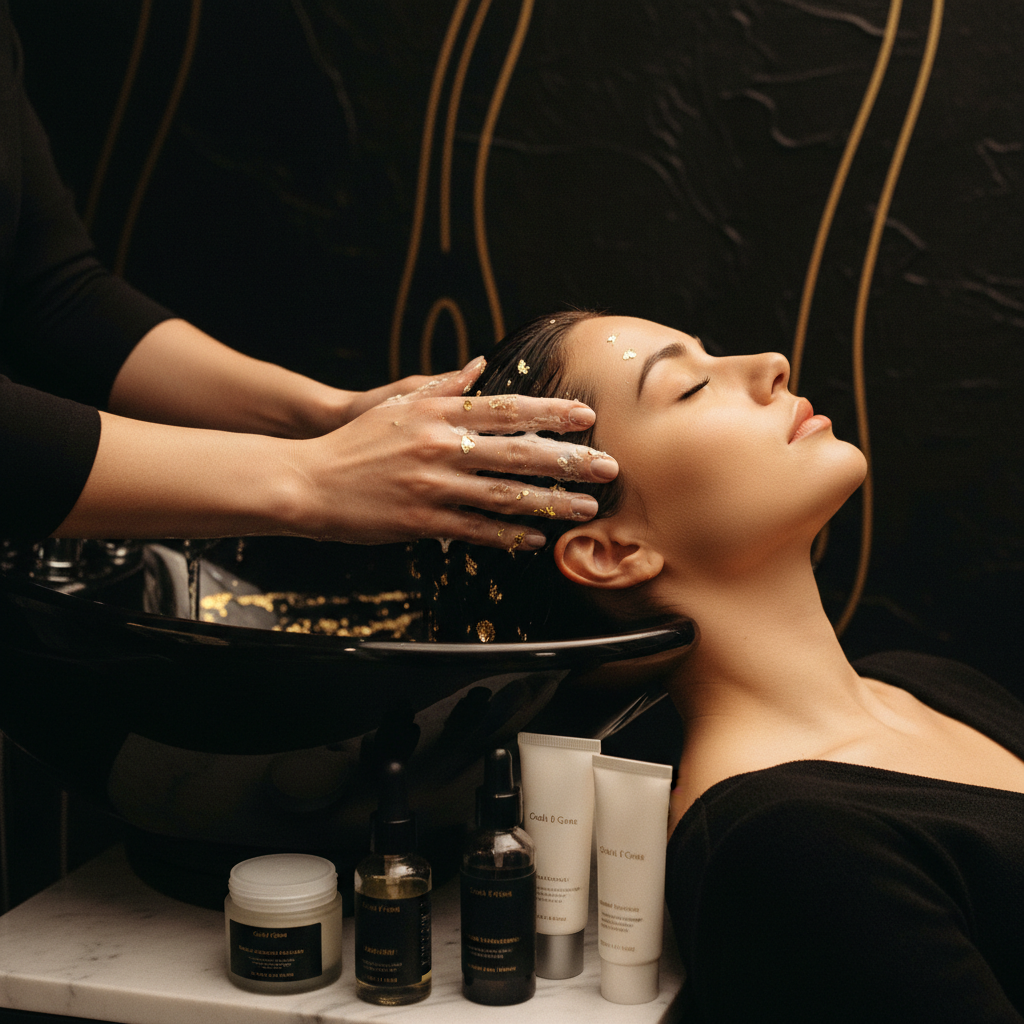
Quick answer: Scalp Care involves a range of practices focused on maintaining the health of the skin on your head, which is essential for supporting robust hair growth. It addresses issues like dryness, oiliness, and irritation to create an optimal environment for hair follicles. While good Scalp Care supports hair health, it cannot reverse genetic hair loss conditions or severe medical issues without professional intervention.
Key takeaways
- Scalp health underpins hair health: A well-cared-for scalp provides the necessary foundation for strong, healthy hair fibre development.
- Common issues are manageable: Conditions like dandruff, dryness, and excess oil are often treatable with targeted Scalp Care routines and ingredients.
- Cleansing and moisturising are fundamental: Regular, gentle cleansing removes buildup, while appropriate moisturising maintains the scalp's barrier function.
- Protection is key: Shielding the scalp from UV radiation, harsh styling, and aggressive treatments helps prevent damage and irritation.
- Consistency matters: Like skincare, consistent Scalp Care delivers the best results, contributing to long-term hair and scalp well-being.
- Professional advice for persistent problems: If scalp issues persist or worsen, consulting a trichologist or dermatologist is advisable.
Scalp Care: what the evidence shows
Scalp Care refers to practices that maintain the health of the scalp, which is the skin covering the head. This skin is unique, featuring a high density of hair follicles and sebaceous glands, a complex microbiome, and a rich network of blood vessels. Its health directly influences the growth and condition of the hair fibre, as each hair strand originates from a follicle embedded within the scalp.
Research indicates that an unhealthy scalp environment can negatively impact hair. For instance, inflammation, oxidative stress, or an imbalance in the scalp microbiome can lead to issues such as excessive hair shedding, reduced hair growth, or weakened hair fibres. Studies have also shown that certain scalp conditions, like seborrheic dermatitis (dandruff), can interfere with the hair growth cycle and contribute to hair fibre damage.
The mechanisms by which Scalp Care supports hair health are multifaceted:
- Nutrient supply: A healthy scalp ensures optimal blood circulation, which delivers oxygen and essential nutrients to the hair follicles, vital for their function and the anagen (growth) phase of the hair cycle.
- Barrier function: The scalp skin acts as a protective barrier. Good Scalp Care helps maintain this barrier, preventing moisture loss and protecting against environmental aggressors and irritants.
- Microbiome balance: The scalp hosts a diverse community of microorganisms. Maintaining this balance is crucial, as an overgrowth of certain microbes (e.g., Malassezia yeasts) can lead to conditions like dandruff.
- Reduced inflammation: Inflammatory responses on the scalp can damage hair follicles and disrupt hair growth. Effective Scalp Care aims to reduce inflammation, creating a more conducive environment for healthy hair.
What the evidence does not show about Scalp Care
While good Scalp Care is beneficial for supporting hair health and managing common scalp conditions, it is important to clarify its limitations. Scalp Care alone cannot cure genetic hair loss conditions like androgenetic alopecia (pattern baldness) or alopecia areata. These conditions have complex underlying causes that require specific medical treatments, which may include topical medications, oral drugs, or other interventions prescribed by a healthcare professional. Cosmetic Scalp Care products are not intended to, and cannot, treat these medical conditions.
Similarly, while maintaining a clean and nourished scalp can help mitigate hair shedding caused by temporary factors like product buildup or inflammation, it does not treat telogen effluvium, a type of hair shedding triggered by significant physiological stress or hormonal changes. For such conditions, identifying and addressing the root cause is paramount. Furthermore, Scalp Care does not directly repair existing hair fibre damage, which is best addressed with conditioning treatments, such as those discussed in The Science of Conditioners: How Hair Care Formulations Work, and by preventing further damage, as explored in Hair Damage: Causes, Signs, and Solutions.
Signs your scalp needs attention
Recognising the signs of an unhealthy scalp is the first step towards effective Scalp Care. Common indicators include:
- Itching: Persistent itching can signal dryness, irritation, inflammation, or an underlying condition like dandruff or contact dermatitis.
- Flaking: White or yellowish flakes are a hallmark of dandruff or a very dry scalp. Oily flakes often point to seborrheic dermatitis, while finer, drier flakes suggest a dry scalp.
- Redness or inflammation: Areas of redness or visible inflammation can indicate sensitivity, allergic reactions, or infections.
- Excess oiliness: A greasy scalp and hair, often requiring frequent washing, suggests overactive sebaceous glands, as detailed in Oily Scalp Care: Understanding and Managing Excess Sebum.
- Dryness or tightness: A feeling of tightness, especially after washing, or visible dryness can indicate a compromised skin barrier and lack of moisture.
- Unusual odour: While mild odours are normal, a strong or unpleasant scent can signal bacterial or fungal overgrowth.
- Increased hair shedding: While normal to shed 50 to 100 hairs daily, a noticeable increase can sometimes be linked to scalp inflammation or an unhealthy follicular environment. However, significant shedding often has systemic causes.
Components of a comprehensive Scalp Care routine
Effective Scalp Care involves a balanced approach tailored to individual needs. Here's what you can do:
- Gentle Cleansing: Regularly wash your hair and scalp to remove excess sebum, dead skin cells, product buildup, and environmental pollutants. The frequency depends on your scalp type and lifestyle, but 2 to 3 times a week is common for many. Use a shampoo appropriate for your scalp concerns, focusing on cleansing the scalp rather than just the hair fibre. Look for sulfate-free options if you have a sensitive scalp, as discussed in Sulfate-Free Shampoo Benefits.
- Targeted Treatments: Incorporate products designed to address specific scalp issues. This might include:
- Anti-dandruff shampoos: Containing ingredients like piroctone olamine, salicylic acid, or selenium sulphide to manage fungal overgrowth or reduce flaking.
- Scalp exfoliants: Either mechanical scrubs or chemical exfoliants (like AHAs or BHAs) to remove dead skin cells and buildup, as explored in Scalp Exfoliation: Uncovering the Evidence for a Healthier Scalp.
- Scalp serums or tonics: Formulated with active ingredients (e.g., niacinamide, peptides, botanical extracts) to hydrate, soothe, or stimulate the scalp, as discussed in Anti-inflammatory Ingredients: Soothing Your Scalp for Healthier Hair.
- Moisturising: If you have a dry scalp, use a lightweight, non-comedogenic scalp moisturiser or oil. Ingredients like hyaluronic acid, glycerin, or jojoba oil can help maintain the scalp's hydration and barrier function.
- Protection: Shield your scalp from harsh environmental factors. Wear a hat in strong sunlight to prevent UV damage, especially if your hair is thinning or you have a parting. Avoid excessive heat styling, which can dry out the scalp, and use protective styling practices. Minimise tight hairstyles that can cause tension and irritation to hair follicles.
- Gentle Handling: Avoid aggressive scrubbing, scratching, or brushing, which can irritate the scalp and potentially damage follicles. When drying, blot your hair gently instead of rubbing vigorously.
When the cause may be something else
While a good Scalp Care routine can address many common issues, some persistent or severe scalp problems may indicate an underlying medical condition requiring professional diagnosis and treatment. For example:
- Psoriasis: A chronic autoimmune condition causing red, scaly patches on the scalp.
- Eczema (Atopic Dermatitis): Can manifest on the scalp as itchy, dry, inflamed skin.
- Folliculitis: Inflammation or infection of the hair follicles, often presenting as small, red, itchy pustules.
- Fungal infections: Such as tinea capitis (ringworm), which can cause scaly, itchy patches and sometimes hair loss.
- Alopecia types: Conditions like androgenetic alopecia, alopecia areata, or scarring alopecias have distinct causes and presentations that are not resolved by general Scalp Care.
If you experience severe pain, widespread inflammation, oozing sores, significant hair loss, or if your scalp condition does not improve with regular Scalp Care, it is important to seek professional advice.
When to get professional advice
Consult a general practitioner, dermatologist, or trichologist if:
- Over-the-counter Scalp Care products and home remedies do not improve your symptoms after several weeks.
- Your scalp condition is causing significant discomfort, pain, or affecting your quality of life.
- You notice open sores, signs of infection (pus, increasing redness), or lesions that are changing in size or appearance.
- You are experiencing noticeable or sudden hair loss alongside scalp symptoms.
- You have a persistent rash that doesn't respond to typical treatments.
These specialists can accurately diagnose the condition and recommend appropriate medical treatments or interventions.
Understanding Scalp Exfoliation Types
| Exfoliation Type | Mechanism | Benefits | Considerations |
|---|---|---|---|
| Mechanical | Physical scrubbing with granules or a brush | Instant removal of surface buildup, can stimulate circulation, provides immediate gratification. | Can be abrasive if done too vigorously, potentially causing micro-tears or irritation, not suitable for inflamed scalps. |
| Chemical (AHA/BHA) | Dissolves dead skin cells and buildup through chemical action (e.g., salicylic acid, glycolic acid). | Deeper cleanse, gentler for sensitive or inflamed scalps if formulated correctly, can help regulate sebum, effective for dandruff. | Requires careful patch testing, some AHAs may increase sun sensitivity, not all chemical exfoliants are suitable for daily use. |
Frequently asked questions about Scalp Care
How often should I cleanse my scalp?
The ideal frequency for scalp cleansing varies based on your scalp type, hair texture, and lifestyle. Those with an oily scalp or who exercise frequently might benefit from washing every 1 to 2 days. For drier scalps or thicker, curlier hair, washing every 3 to 7 days may be sufficient to avoid stripping natural oils. Observe how your scalp feels and adjust your Scalp Care routine accordingly; the goal is to cleanse without over-drying or causing irritation.
Can diet affect my scalp health?
Yes, diet plays a significant role in overall health, including that of your scalp and hair. A balanced diet rich in vitamins, minerals, and proteins supports healthy hair follicle function and scalp barrier integrity. Essential nutrients like zinc, iron, biotin, and vitamins A, C, D, and E contribute to healthy skin and hair. Deficiencies can sometimes manifest as dry scalp, increased shedding, or impaired hair growth. Therefore, good nutrition is an integral part of comprehensive Scalp Care.
Is it normal for my scalp to itch sometimes?
Occasional mild itching can be normal, especially if you've gone a few days without washing or after certain activities. However, persistent, intense, or painful itching is not normal and should not be ignored. It could be a sign of dryness, product buildup, an allergic reaction, or an underlying scalp condition like dandruff, seborrheic dermatitis, or psoriasis. If itching is bothersome or accompanied by other symptoms, seeking advice for your Scalp Care is recommended.
What are humectants, and how do they benefit the scalp?
Humectants are ingredients that attract and retain moisture from the air, helping to keep the scalp hydrated. Common humectants include glycerin, hyaluronic acid, and panthenol. When applied to the scalp, they draw water to the skin's surface, improving its moisture content and suppleness. This can be particularly beneficial for dry or flaky scalps, helping to maintain a healthy skin barrier and reduce discomfort, as further detailed in Humectants: Understanding How They Hydrate and Protect Your Hair.
Promoting healthy hair with consistent Scalp Care
Maintaining a healthy scalp is fundamental to encouraging strong, vibrant hair. By understanding the unique needs of your scalp and adopting a consistent Scalp Care routine, you create an optimal environment for hair follicles to thrive. This involves gentle cleansing, targeted treatments for specific concerns, adequate moisturising, and diligent protection from environmental stressors. While Scalp Care supports the visible health and feel of your hair, it is also a vital component of your overall well-being, contributing to comfort and confidence. Remember, just like the skin on your face, your scalp benefits from regular, thoughtful attention.
Sources and references
- American Academy of Dermatology Association, "Dandruff: Diagnosis and Treatment", Year of publication varies based on access. https://www.aad.org/public/diseases/hair-loss/types/dandruff
- National Eczema Society, "Scalp Eczema", Year of publication varies based on access. https://eczema.org/information-and-advice/types-of-eczema/scalp-eczema/
- British Association of Dermatologists, "Seborrhoeic dermatitis", Year of publication varies based on access. https://www.bad.org.uk/pils/seborrhoeic-dermatitis/
- Journal of Clinical and Aesthetic Dermatology, "The Hair Follicle: A Specialized Sebaceous Gland Unit", Year of publication varies based on access to specific issue.
- International Journal of Trichology, "Scalp Microenvironment and Hair Growth", Year of publication varies based on access to specific issue.
Find these ingredients in Watermans products
- Zinc: you will find this ingredient in our Hair Vitamins.
- Niacinamide: you will find this ingredient in our Hair Mask.
- Panthenol (Provitamin B5): you will find this ingredient in our Heat Protection Spray.