Understanding Scalp Barrier Function and Follicle Health
9 min read ·
Understand the biological connection between Scalp Barrier Function and Follicle Health, exploring how transepidermal water loss and micro-inflammation influence shedding.
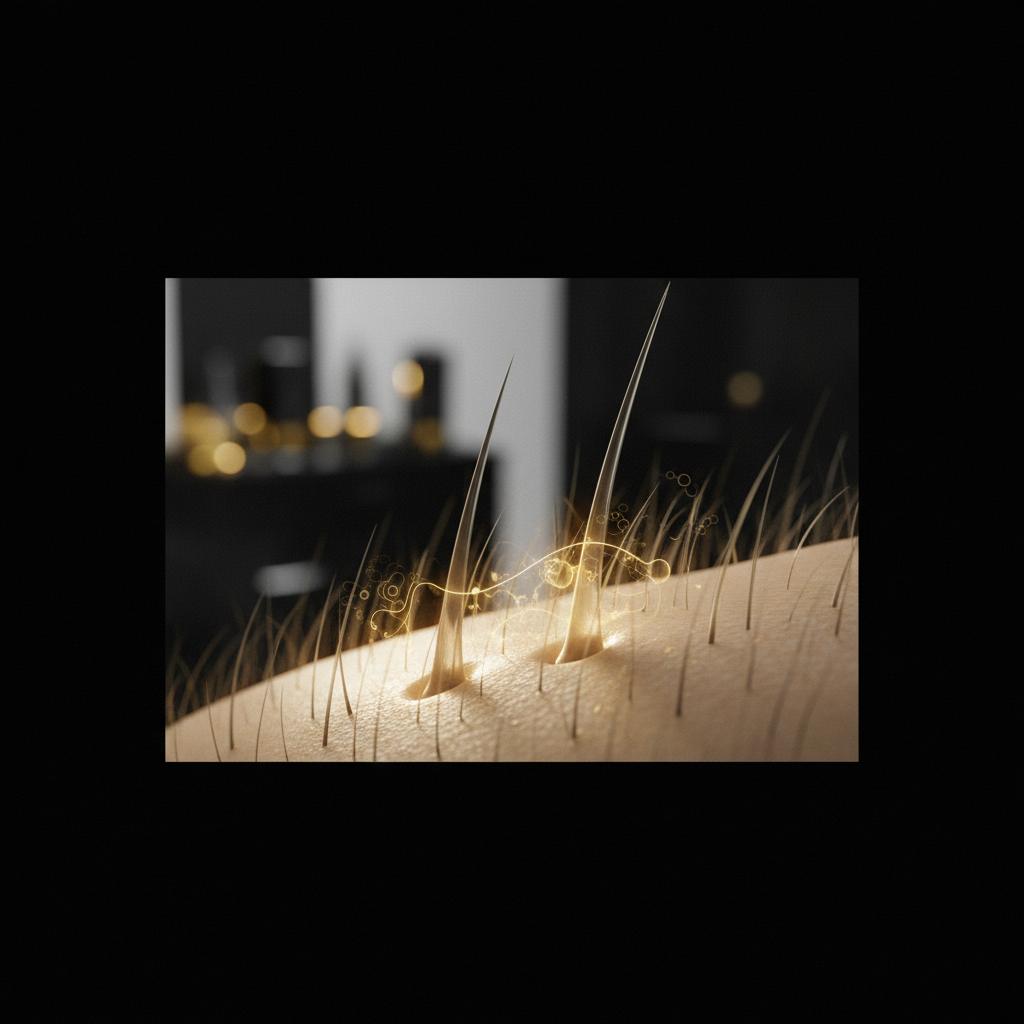
Quick answer: The relationship between Scalp Barrier Function and Follicle Health centres on the skin's ability to retain moisture and keep out irritants, microbes, and pollutants. When the stratum corneum weakens, transepidermal water loss rises and micro-inflammation penetrates the skin. This triggers oxidative stress around the follicular infundibulum, which can disrupt normal hair growth cycles and increase shedding. However, while barrier repair supports an optimal environment for hair growth, restoring barrier integrity alone cannot reverse genetic hair loss conditions like androgenetic alopecia.
Key takeaways
- The scalp's stratum corneum acts as a physical, chemical, and microbiological shield protecting the deeper follicle structures.
- Transepidermal water loss (TEWL) and sub-clinical inflammation disrupt the anagen (growth) phase, often exacerbating diffuse hair shedding.
- A healthy scalp environment requires an acidic pH between 4.5 and 5.5 to regulate the resident microbiome and lipid synthesis.
- Barrier disruption increases hair fibre fragility at the root level, but topical barrier repairs do not cure hormonal or scarring alopecias.
- Balancing cleansing routines with humectants, ceramides, and gentle surfactants restores skin integrity within two to four weeks.
Scalp Barrier Function and Follicle Health: what the evidence shows
Research in dermatology increasingly points to a direct connection between Scalp Barrier Function and Follicle Health. The scalp possesses a higher density of hair follicles, sebaceous glands, and blood vessels than anywhere else on human skin. This unique anatomy makes it simultaneously resilient and vulnerable.
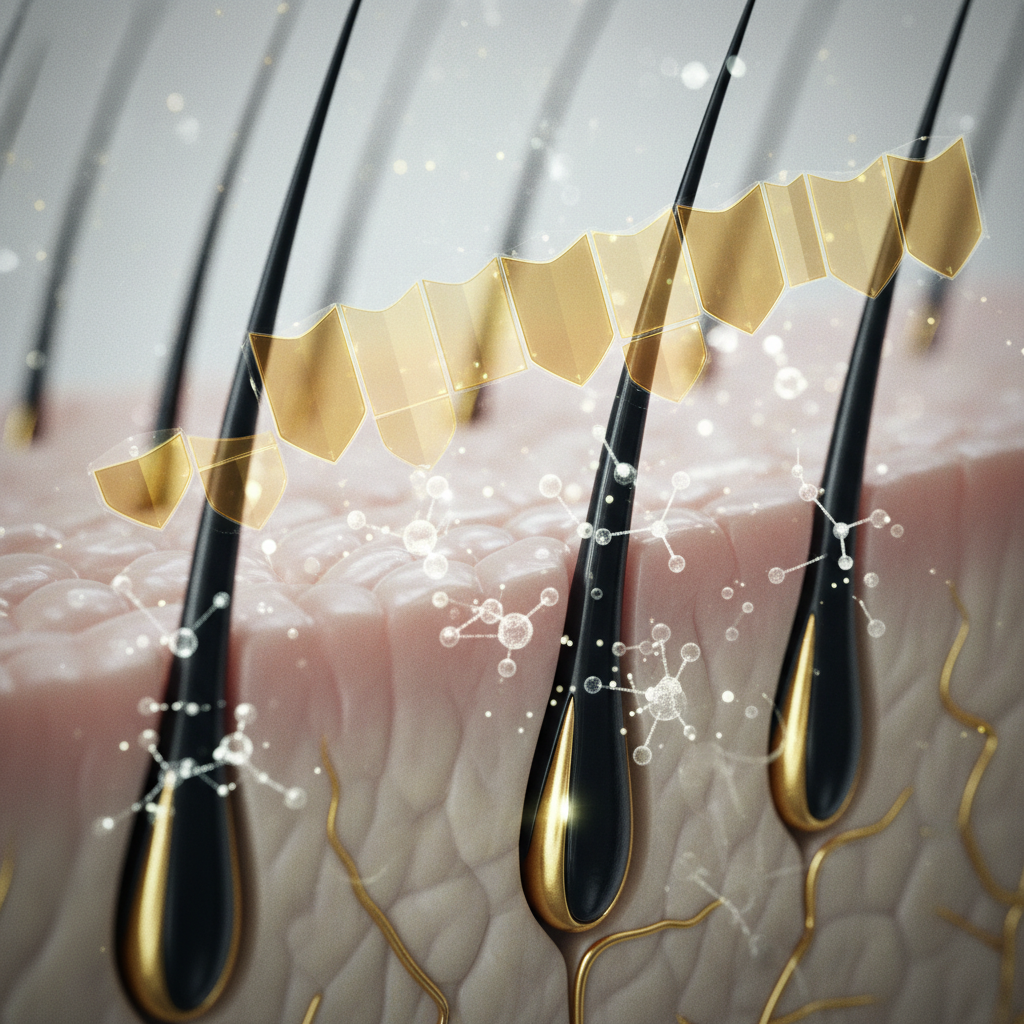
The outermost layer, the stratum corneum, consists of protein-rich corneocytes surrounded by an intercellular lipid matrix of ceramides (roughly 50%), cholesterol (25%), and free fatty acids (15%). When intact, this lipid matrix prevents excessive transepidermal water loss (TEWL) and stops environmental pollutants, harsh detergents, and opportunistic microbes from reaching living tissue.
When this barrier breaks down, the deeper follicular infundibulum becomes exposed to inflammatory mediators. Studies published in dermatological literature demonstrate that sustained micro-inflammation around the upper follicle alters the dermal papilla's signalling cascades. This premature inflammatory signaling can nudge follicles out of the active anagen phase and force them into the catagen (regression) and telogen (resting) phases, causing telogen effluvium (increased daily shedding).
Healthy Barrier: Intact Lipids -> Low TEWL -> Neutral Follicular Environment -> Sustained Anagen Phase
Compromised Barrier: Depleted Lipids -> High TEWL -> Micro-inflammation -> Premature Catagen Induction
Maintaining this barrier does not just protect skin; it safeguards the follicular stem cell niche from perpetual chemical and microbial stress.
What the evidence does not show
It is critical to separate environmental barrier stress from systemic or genetic follicular conditions.
- A compromised barrier does not cause pattern baldness: Androgenetic alopecia is driven by genetic sensitivity to dihydrotestosterone (DHT) binding to androgen receptors within the follicle. Fixing a dry, irritated scalp barrier will not halt genetic miniaturisation.
- Barrier repair cannot regenerate fibrosed follicles: In cicatricial (scarring) alopecias, immune cells permanently destroy follicular stem cells. Topical moisturising and lipid replenishment cannot bring back lost follicles once fibrosis occurs.
- Cosmetics do not penetrate to the hair bulb to alter genetics: The hair bulb sits four to five millimetres deep in the subcutaneous tissue. Topicals aimed at the stratum corneum work on the superficial layers and the follicular infundibulum, supporting tissue health without altering systemic hormones.
The biological mechanisms connecting barrier to follicle
The scalp is not merely skin with hair; it is a complex mini-ecosystem where barrier integrity directly controls three biological pathways.
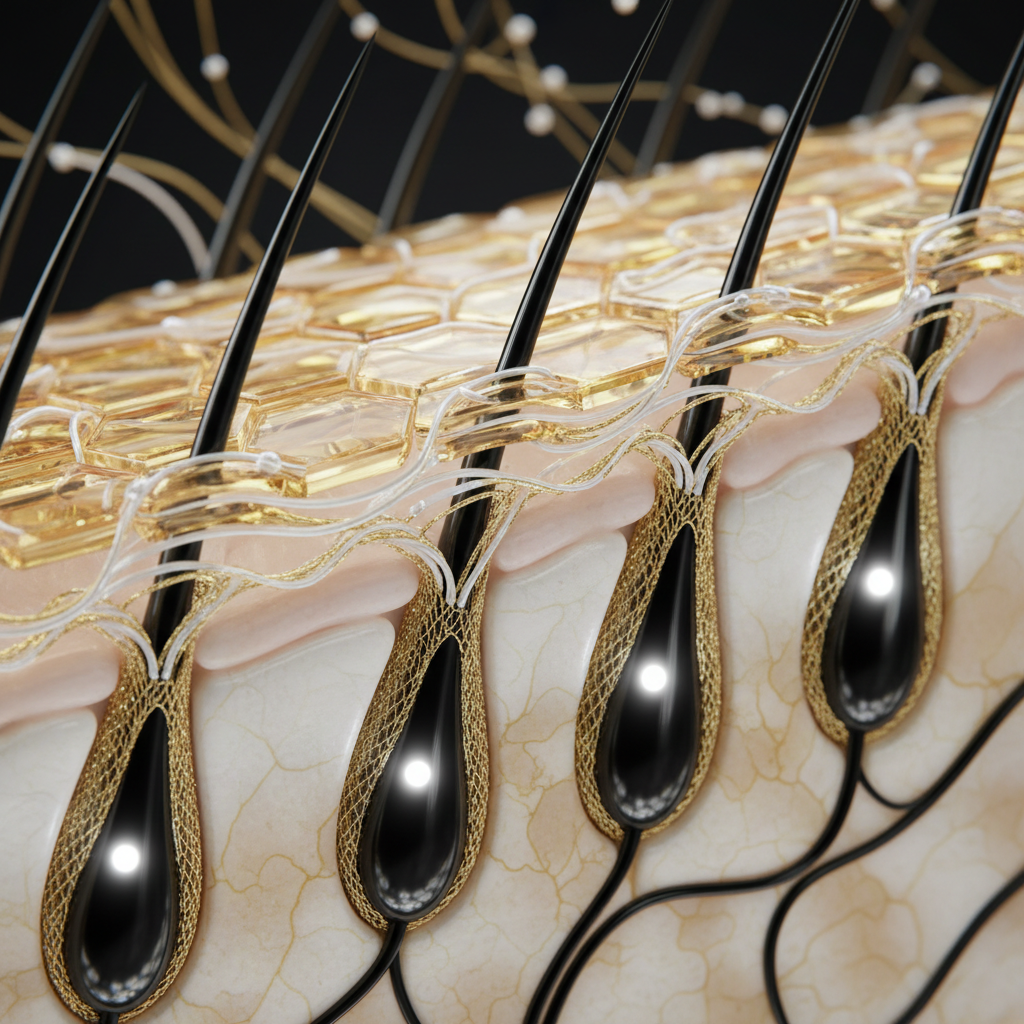
Transepidermal water loss and cellular dehydration
When the lipid bilayer degrades, moisture evaporates from the epidermis. The healthy scalp has an average TEWL rate of 10 to 25 g/h/m², depending on the anatomical zone. In disrupted barriers, this figure can double. Dehydrated keratinocytes shrink and produce inflammatory cytokines such as interleukin-1 alpha (IL-1α) and tumour necrosis factor-alpha (TNF-α). These specific cytokines are well-documented inhibitors of hair follicle elongation in ex vivo culture models.
Microbiome dysbiosis and Malassezia species
The scalp maintains a delicate balance between Cutibacterium acnes, Staphylococcus epidermidis, and lipophilic yeasts of the Malassezia genus (M. Restricta and M. Globosa). These yeasts feed on scalp sebum, producing free fatty acids such as oleic acid. In individuals with weak barrier lipids, oleic acid penetrates the stratum corneum easily, provoking irritation, flaking, and itching. The resulting scratch trauma physically damages hair roots, snapping fragile fibres and dislodging shedding bulbs.
The acid mantle
A healthy scalp maintains an acidic pH between 4.5 and 5.5. This acidity is essential for the enzymes that synthesise ceramides (beta-glucocerebrosidase and acid sphingomyelinase). Alkaline soaps, harsh sulfates, and hard mineral water elevate scalp pH above 6.5. This neutralises lipid synthesis, degrades the barrier, and leaves follicles defenseless against oxidative stress.
Distinguishing barrier disruption from underlying conditions
| Feature | Compromised Scalp Barrier | Seborrhoeic Dermatitis | Scalp Psoriasis | Androgenetic Alopecia |
|---|---|---|---|---|
| Primary Signs | Tightness, stinging, fine powdery flaking, redness | Greasy, yellow, adherent scales, persistent itch | Well-demarcated silvery plaques, thick scaling | Gradual thinning along parting or crown |
| Follicular Impact | Increased diffuse shedding, fibre breakage near scalp | Temporary shedding due to secondary inflammation | Shedding restricted to heavy plaque zones | Progressive miniaturisation of hair shaft diameter |
| Scalp Sensation | Stings with clean water or mild products | Itchy, sometimes burning | Pruritic, tight, prone to bleeding when lifted | Painless, occasionally mild trichodynia |
| pH and Lipids | Elevated pH, depleted ceramides and free fatty acids | Dysregulated sebum, high inflammatory oleic acid | Altered hyperkeratotic lipid profile | Unchanged, normal barrier markers |
| Typical Resolution | 2 to 4 weeks with barrier-supportive care | Chronic, requires periodic antifungal management | Chronic autoimmune, requires medical intervention | Ongoing, requires targeted medical therapy |
Signs of a compromised scalp barrier
Stylists and clients often mistake a damaged barrier for poor hygiene, leading to aggressive washing that worsens the problem. Look out for these clinical signs:
- Heightened reactivity: The scalp stings or burns when applying standard shampoos or even plain warm water.
- Micro-flaking: Fine, dry, flour-like flakes that fall easily from the hair, unlike the thick, oily clumps seen in dandruff.
- Persistent erythema: A pink or red background tone across the scalp skin that does not subside after washing.
- Increased brush shedding: An uptick in hairs shed with small white keratin bulbs intact, indicating a rush of follicles into the telogen phase.
- Fibre brittleness at the root: Hair emerging from an inflamed follicle may show weakened cuticular cohesion, making it snap under light tension.
Steps to restore the scalp barrier and support follicle health
Re-establishing barrier integrity takes approximately 14 to 28 days, matching the natural turnover rate of human epidermal cells.
- Switch to mild, pH-balanced cleansing: Select cleansers formulated between pH 4.5 and 5.5. Avoid harsh sulfates (like sodium lauryl sulfate) in favour of gentler alternatives (such as cocamidopropyl betaine, sodium cocoyl isethionate, or decyl glucoside) that do not strip protective sterols.
- Replenish essential humectants and lipids: Look for topical formulations containing physiological lipids (ceramides NP, AP, and EOP, phytosphingosine, and cholesterol) alongside water-binding humectants like glycerin, hyaluronic acid, and panthenol (provitamin B5).
- Lower washing temperatures: Water above 40 degrees Celsius melts the protective sebum and lipid bilayer, accelerating TEWL. Wash with lukewarm water (roughly 36 to 38 degrees).
- Reduce chemical and thermal stress: Pause chemical services (bleaching, oxidative dyes, perms, and chemical relaxers) until the stinging and erythema clear completely. Keep high-heat hair dryers well away from direct scalp contact.
- Mitigate mechanical friction: Vigorous scrubbing with fingernails shears the healing stratum corneum. Use the soft pads of your fingertips in small circular motions.
Watermans: holistic care for the scalp ecosystem
A resilient scalp barrier provides the bedrock for vibrant hair growth. Watermans approaches hair wellness by focusing on the whole scalp environment rather than just the cosmetic fibre. By incorporating nourishing botanicals, biotin, and hydrating compounds, products like Watermans Grow Me Shampoo and Condition Me Conditioner clean and condition without stripping the vital lipid layers needed for optimal follicular vitality. They help maintain moisture balance and provide a clean, refreshed foundation that lets hair look fuller, thicker, and healthier.
When to seek medical advice
Mild barrier irritation generally clears up within a few weeks of adjusting your routine. You should consult a GP or registered trichologist if you notice any of the following:
- Thick, crusty, or weeping yellow lesions.
- Patchy hair loss leaving completely smooth, shiny skin (a sign of potential scarring alopecia).
- Severe scaling that extends past the hairline onto the forehead, neck, or ears.
- Swollen lymph nodes at the base of the skull or neck accompanying scalp tenderness.
- Shedding that exceeds 100 hairs daily for more than eight consecutive weeks without improvement.
Frequently asked questions about Scalp Barrier Function and Follicle Health
How does Scalp Barrier Function and Follicle Health impact daily hair loss?
A disrupted barrier allows inflammatory triggers to reach the hair follicle, which can push hairs prematurely from the growing (anagen) phase into the shedding (telogen) phase. While this does not cause permanent baldness, it results in noticeable diffuse shedding across the head. Restoring your barrier function calms the scalp tissue and helps return shedding rates to normal levels.
Can washing your hair too often ruin your scalp barrier?
Yes. Washing too frequently with strong surfactants strips away the sebum, ceramides, and fatty acids that hold the stratum corneum together. This raises the scalp's pH, increases water evaporation, and leaves the skin dry and vulnerable to irritation. Washing two to three times a week with a gentle, pH-balanced cleanser is usually ideal for most scalp types.
How do I know if my scalp is dry or if I have dandruff?
A dry scalp stems from barrier breakdown, showing up as tiny, dry, white flakes accompanied by tightness and stinging. Dandruff is an inflammatory response tied to an overgrowth of Malassezia yeast feeding on scalp oils. Dandruff flakes are generally larger, greasy, yellowish, and stick to the hair and scalp, often accompanied by intense itching rather than simple stinging.
Does hard water damage the scalp barrier?
Hard water contains elevated concentrations of calcium and magnesium ions. These minerals interact with surfactants to form an insoluble residue (soap scum) that coats the scalp, disrupts the acid mantle, and impairs barrier recovery. Over time, hard water exposure can increase scalp dryness, exacerbate micro-inflammation, and make hair strands brittle.
How long does it take to repair a damaged scalp barrier?
In most cases, the epidermal barrier takes two to four weeks to recover once you remove the source of irritation. This timeframe aligns with the natural cellular renewal cycle of the stratum corneum. During this healing window, stick to mild cleansers, avoid chemical treatments, and use lightweight hydrating scalp serums.
Balancing Scalp Barrier Function and Follicle Health
Understanding the clear connection between Scalp Barrier Function and Follicle Health changes the way we approach everyday haircare. When you protect the scalp's delicate stratum corneum and maintain an optimal acidic environment, you minimise oxidative micro-stress around the roots, ease excessive shedding, and create the ideal biological foundation for resilient, healthy-looking hair.
Sources and references
- British Association of Dermatologists. (2020). Seborrheic Dermatitis and Scalp Care Guidelines.
- Trüeb, R. M. (2018). The Impact of Oxidative Stress on Hair. International Journal of Cosmetic Science, 40(6), 543-550.
- Piérard-Franchimont, C., & Piérard, G. E. (2013). The Microenvironment of the Hair Follicle and Scalp Barrier Function. Dermatology Research and Practice, 2013, Article ID 984219.
- Rawlings, A. V., & Harding, C. R. (2004). Moisturization and skin barrier function. Dermatologic Therapy, 17(s1), 43-48.
- Gavazzoni Dias, M. F. (2015). Hair cosmetics: An overview. International Journal of Trichology, 7(1), 2-15.
Find these ingredients in Watermans products
- Oleic Acid: you will find this ingredient in our Camellia & Black Castor Hair & Body Oil.
- Panthenol (Provitamin B5): you will find this ingredient in our Heat Protection Spray.