Scalp Acne: Causes, Symptoms, and Management
8 min read ·
Understand the causes, signs, and evidence-based treatments for Scalp Acne, including how to tell it apart from folliculitis and protect healthy hair follicles.
Quick answer: Scalp Acne refers to inflammatory or non-inflammatory breakouts that develop along the hairline or across the hairy scalp. It occurs when hair follicles and sebaceous glands become clogged with sebum, shed keratinocytes, and micro-organisms such as Cutibacterium acnes or Malassezia yeasts. While standard acne treatments clear mild blemishes, true scalp breakouts frequently mimic other clinical conditions like folliculitis or seborrhoeic dermatitis, meaning misdiagnosis is common and deep-seated lesions require medical evaluation rather than cosmetic scrubs.
Key takeaways
- Scalp Acne develops when excess sebum and dead skin cells clog the pilosebaceous unit, creating an environment where bacteria and yeasts multiply.
- Breakouts frequently overlap with folliculitis, an inflammation of the hair follicle caused by fungal or bacterial overgrowth.
- Heavy cosmetic oils, thick pomades, sweat retention under headwear, and infrequent washing are common lifestyle triggers.
- Gentle exfoliation with chemical keratolytic agents (such as salicylic acid) helps prevent follicular plugging without scratching the skin barrier.
- Persistent pustules, painful cysts, or hair shedding around lesions warrant a visit to a GP or dermatologist to rule out scarring conditions.
Scalp Acne: what the evidence shows
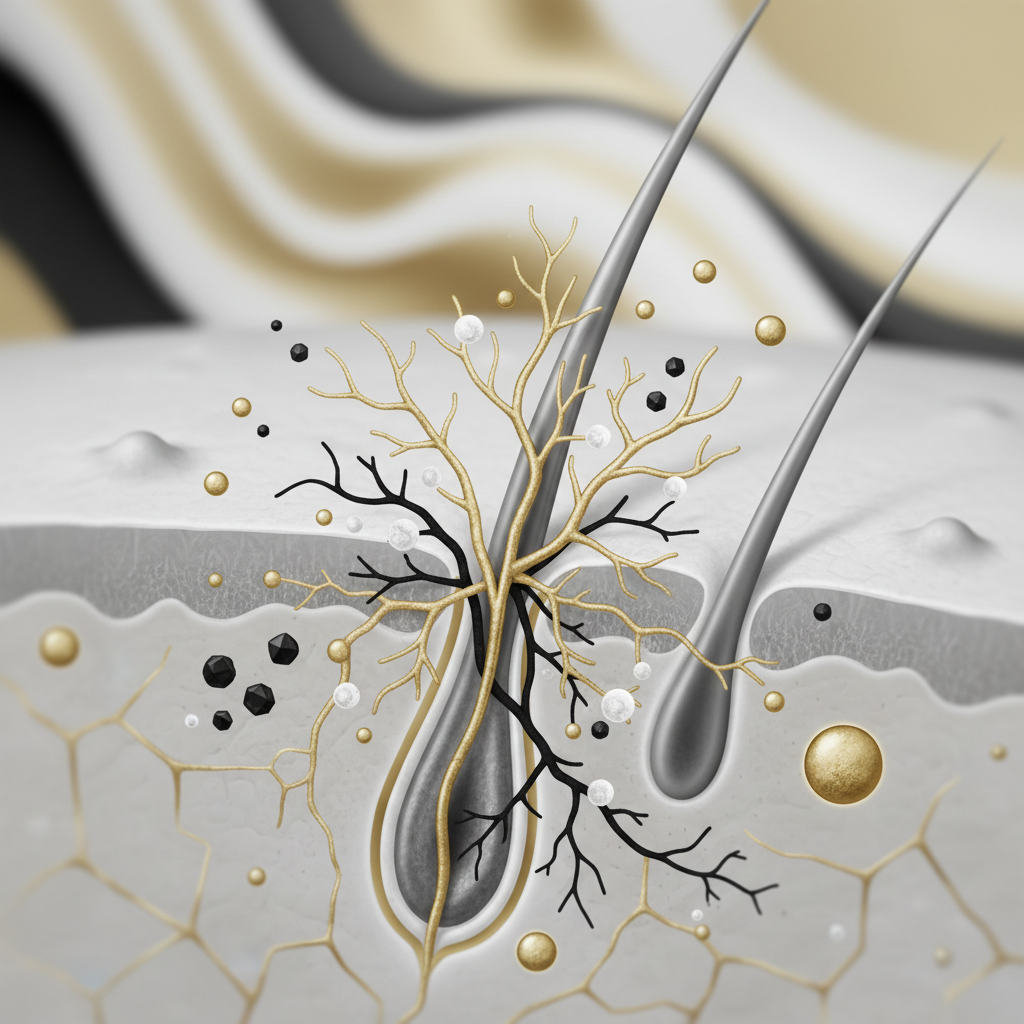
Dermatological research shows that the human scalp houses the highest density of sebaceous glands on the body, alongside a complex micro-ecosystem of bacteria and fungi. Scalp Acne occurs primarily within the pilosebaceous unit, where hair shafts emerge from the dermis. Just as facial acne develops, follicular hyperkeratinisation (where skin cells shed abnormally and stick together) pairs with high sebum excretion rates. This combination forms a plug, or microcomedone.
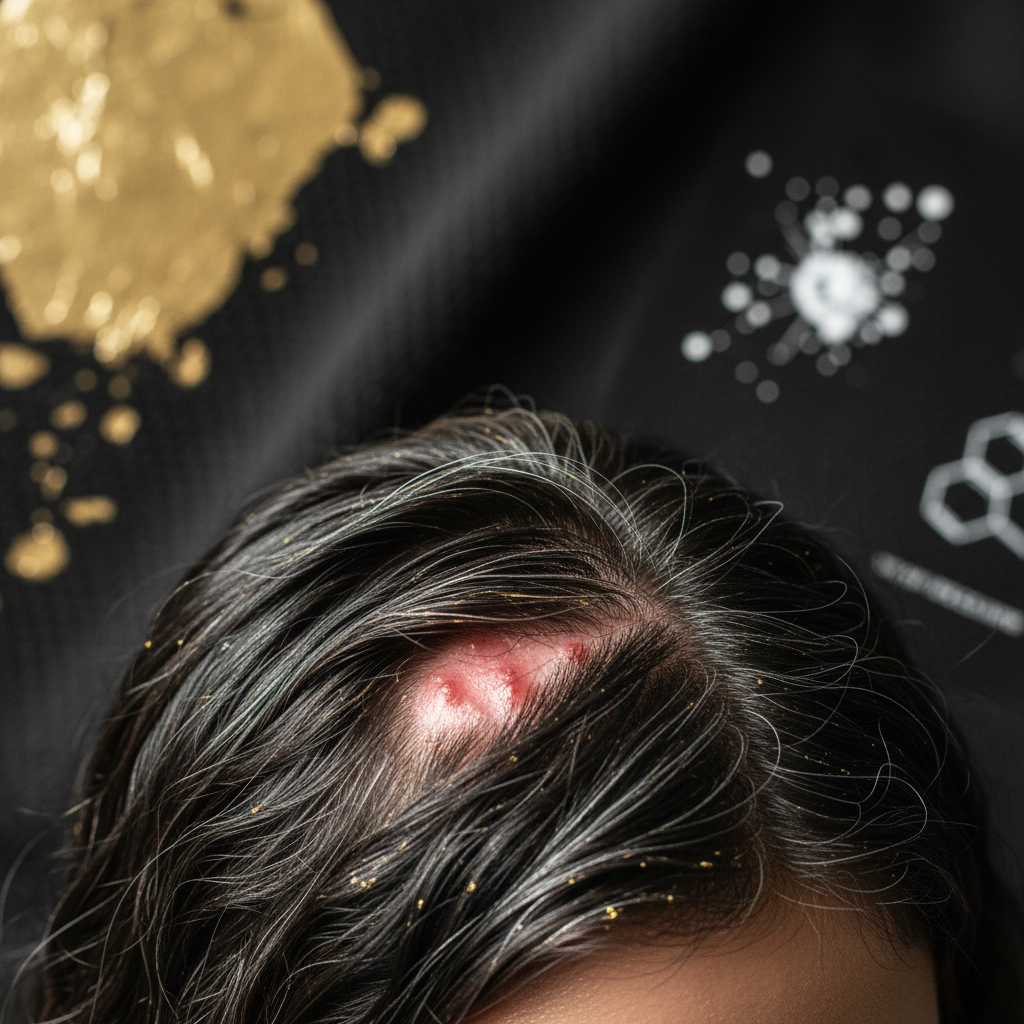
When a pore blocks, local populations of Cutibacterium acnes thrive in the oxygen-deprived, lipid-rich environment. The bacteria trigger an inflammatory cascade by stimulating toll-like receptors on local immune cells. This immune response leads to red papules, surface pustules, or deeper inflammatory nodules.
The British Association of Dermatologists notes that while comedones (blackheads and whiteheads) characterise classical acne vulgaris, scalp breakouts frequently present as superficial follicular pustules. Because the scalp is dense with hair fibres, friction, micro-trauma from brushing, and trapped heat amplify the inflammation, leading to tenderness and itching that is rarely seen with facial blemishes.
What the evidence does not show
Controlled research does not support several persistent myths about scalp breakouts:
- Poor hygiene is rarely the primary cause: While irregular washing allows sebum and dead cells to accumulate, Scalp Acne is fundamentally an inflammatory and hormonal disorder. Scrubbing the scalp aggressively with harsh soaps does not cure the issue; instead, it strips the acid mantle (disrupting its natural pH of roughly 4.5 to 5.5) and triggers reactive irritation.
- Dandruff does not directly turn into acne: Pityriasis capitis (simple dandruff) involves superficial flaking driven by Malassezia yeast activity. While Malassezia can cause pityrosporum folliculitis, simple dandruff flakes do not mechanically plug pores to create classical acne vulgaris cysts.
- Dietary fats do not migrate directly to the scalp: Consuming greasy foods does not pump oil straight into hair follicles. Although high-glycaemic diets can influence systemic insulin and insulin-like growth factor 1 (IGF-1), stimulating sebaceous output, diet alone rarely causes isolated scalp breakouts.
The biological mechanism and common triggers
Understanding why breakouts appear on the scalp requires looking at how sebum production, microbial balance, and external factors interact.
1. Sebum overproduction and hormonal shifts
Androgens stimulate sebocytes to produce sebum. During puberty, menstrual cycles, periods of psychological stress, or endocrine imbalances (such as polycystic ovary syndrome), elevated androgen levels enlarge sebaceous glands. The resulting oil slick coats the follicle canal.
2. Acne cosmetica and pomade acne
Topical hair products often contain comedogenic ingredients. Heavy mineral oils, petrolatum, waxes, silicones, and rich vegetable butters can settle along the hairline and parietal zones. When these agents seal dead skin cells into the follicle mouth, they cause a distinct presentation known clinically as acne cosmetica or "pomade acne".
3. Friction and occlusive headwear
Mechanical irritation (acne mechanica) arises from tight baseball caps, cycling helmets, hairbands, and religious head coverings. Friction rubs surface keratin into the follicular opening, while trapped heat and sweat accelerate microbial proliferation.
Signs to look for: distinguishing breakouts from other conditions
Scalp Acne often looks identical to other inflammatory scalp conditions. Identifying the exact nature of the bump ensures you choose the correct approach.
| Condition | Primary Cause | Typical Appearance | Common Location | Sensation |
|---|---|---|---|---|
| Scalp Acne | Sebum excess, keratin plugs, C. Acnes | Papules, pustules, occasional closed comedones | Hairline, crown, upper neck | Mild tenderness, occasionally throbbing |
| Bacterial Folliculitis | Staphylococcus aureus overgrowth | Small, discrete pustules surrounding a hair shaft | Diffuse across the hairy scalp | Itchy, tender, inflamed |
| Pityrosporum Folliculitis | Malassezia yeast overgrowth | Uniform, pinhead-sized, itchy red papules | Hairline, temples, upper back | Intensely itchy, worsens with sweat |
| Seborrhoeic Dermatitis | Immune reaction to yeast by-products | Greasy, yellowish flakes atop red patches | Scalp, eyebrows, behind ears | Itching, burning, visible scaling |
| Folliculitis Decalvans | Chronic neutrophilic inflammation | Crops of painful pustules, crusts, tufted hairs | Vertex and crown | Painful, causes scarring hair loss |
What you can do to manage Scalp Acne
For mild to moderate blemishes, adjusting your haircare routine can successfully clear follicular congestion and soothe inflammation.
Introduce chemical exfoliants
Avoid rough physical scrubs, which tear follicle openings and spread bacteria. Opt for chemical keratolytics instead:
- Salicylic acid (0.5% to 2%): A lipid-soluble beta-hydroxy acid that penetrates oily pores to dissolve sticky keratin plugs and calm inflammation.
- Lactic acid or glycolic acid: Alpha-hydroxy acids that hydrate while breaking the bonds holding dead surface cells together.
Evaluate your cleansing routine
Wash your hair regularly, especially after vigorous exercise. Sweat carries mineral salts and oils that irritate the skin barrier if left to dry. Choose a clarifying or balancing shampoo formulated to respect the scalp's natural pH. When rinsing, tilt your head back or wash your face and back after your shampoo to ensure residual surfactants and conditioners do not pool along your hairline.
Audit styling products
Keep rich hair oils, heavy pomades, and silicone-based finishing serums at least 2 to 3 centimetres away from the roots. Apply them only to the mid-lengths and ends where moisture is actually needed.
When the cause may be something else
If lesions do not respond to clarifying shampoos or over-the-counter keratolytic care within 4 to 6 weeks, the bumps may not be simple acne.
Scalp-specific conditions like acne necrotica (necrotising lymphocytic folliculitis) present with itchy, crusted papules that leave small pitted scars. Dissecting cellulitis of the scalp (perifolliculitis capitis abscedens et suffodiens) produces interconnected, fluctuating nodules that discharge pus and destroy hair follicles. These conditions are serious dermatological disorders that require prescription management, such as oral retinoids or immunomodulators.
When to get professional advice
Consult a GP, dermatologist, or registered trichologist if you notice:
- Bumps that feel intensely painful, indurated (hard), or cystic.
- Lesions that weep yellow crusts, bleed, or produce an unpleasant odour.
- Visible hair shedding around inflamed areas, or patches where hair fails to grow back after a breakout clears.
- Widespread itching that keeps you awake at night.
A specialist can take a swab or skin scraping to culture the causative organism, differentiating between standard bacteria, resistant fungal species, or sterile inflammatory conditions.
Supporting scalp balance with Watermans
Maintaining a balanced, clean environment at the follicle entrance is essential for preventing congested pores. Watermans approaches hair wellness through gentle scalp care rather than harsh, stripping detergents. The Watermans Grow Me range delivers balancing botanical ingredients, including rosemary, niacinamide, and allantoin, which support the scalp's natural barrier function. By thoroughly removing daily grime, excess sebum, and environmental build-up without disturbing healthy moisture levels, targeted formulations keep the hairline fresh, balanced, and receptive to healthy hair growth.
Frequently asked questions about Scalp Acne
Can Scalp Acne cause permanent hair loss?
Standard Scalp Acne rarely causes permanent hair loss because inflammation typically stays confined to the upper portion of the follicle. However, picking, scratching, or suffering from severe deep-seated lesions can cause mechanical damage and secondary infections. If an untreated infection destroys the follicular stem cells located in the dermal bulge, it can lead to permanent scarring alopecia.
How often should I wash my hair if I have breakouts?
Most dermatologists recommend washing every 1 to 2 days if you are prone to breakouts. Infrequent washing allows sebum, dead skin cells, and ambient pollutants to settle into follicular openings. Use a gentle, sulphate-free balancing shampoo on alternating days to keep pores clear without overdrying the surrounding hair fibres.
Should I pop pimples on my scalp?
You should never pop, squeeze, or scratch pimples on your scalp. Popping forces bacteria and inflammatory debris deeper into the dermal tissue, turning a mild surface pustule into an inflamed nodule. It also introduces bacteria from your fingernails, raises the risk of secondary infection, and can permanently damage the hair follicle.
Can wearing hats or helmets make Scalp Acne worse?
Yes. Headwear creates heat, pressure, and moisture retention while trapping sweat and sebum against the skin. This friction mechanically plugs follicles, producing acne mechanica. Wash hats, sweatbands, and helmet linings regularly, and remove them promptly after exercise to let your scalp breathe.
Summary on managing Scalp Acne
Managing Scalp Acne requires treating the scalp with the same targeted care usually reserved for facial skin. By understanding that follicular blockages stem from a mix of natural sebum, shed keratinocytes, and micro-organisms, you can avoid harsh scrubbing in favour of gentle chemical exfoliation and non-comedogenic haircare. Keep styling products away from your roots, wash promptly after exercise, and consult a dermatologist if your breakouts become cystic, painful, or accompanied by hair loss.
Sources and references
- British Association of Dermatologists. Acne Vulgaris Guidelines and Patient Information. 2020.
- American Academy of Dermatology Association. Folliculitis: Signs, Symptoms, and Causes. 2022.
- Dessinioti, C., & Katsambas, A. The role of Cutibacterium acnes in acne pathogenesis. Clinics in Dermatology, 2017.
- Zaenglein, A. L., et al. Guidelines of care for the management of acne vulgaris. Journal of the American Academy of Dermatology, 2016. DOI: 10.1016/j.jaad.2015.12.029.
- World Trichology Society. Scalp Conditions: Follicular Disorders and Management. 2021.
Find these ingredients in Watermans products
- Niacinamide: you will find this ingredient in our Hair Mask.