How to Repair the Look of Damaged Hair: An Evidence-Based Guide
12 min read ·
Discover practical, evidence-based strategies to repair the look of damaged hair and restore its vitality and shine, enhancing its cosmetic appearance.
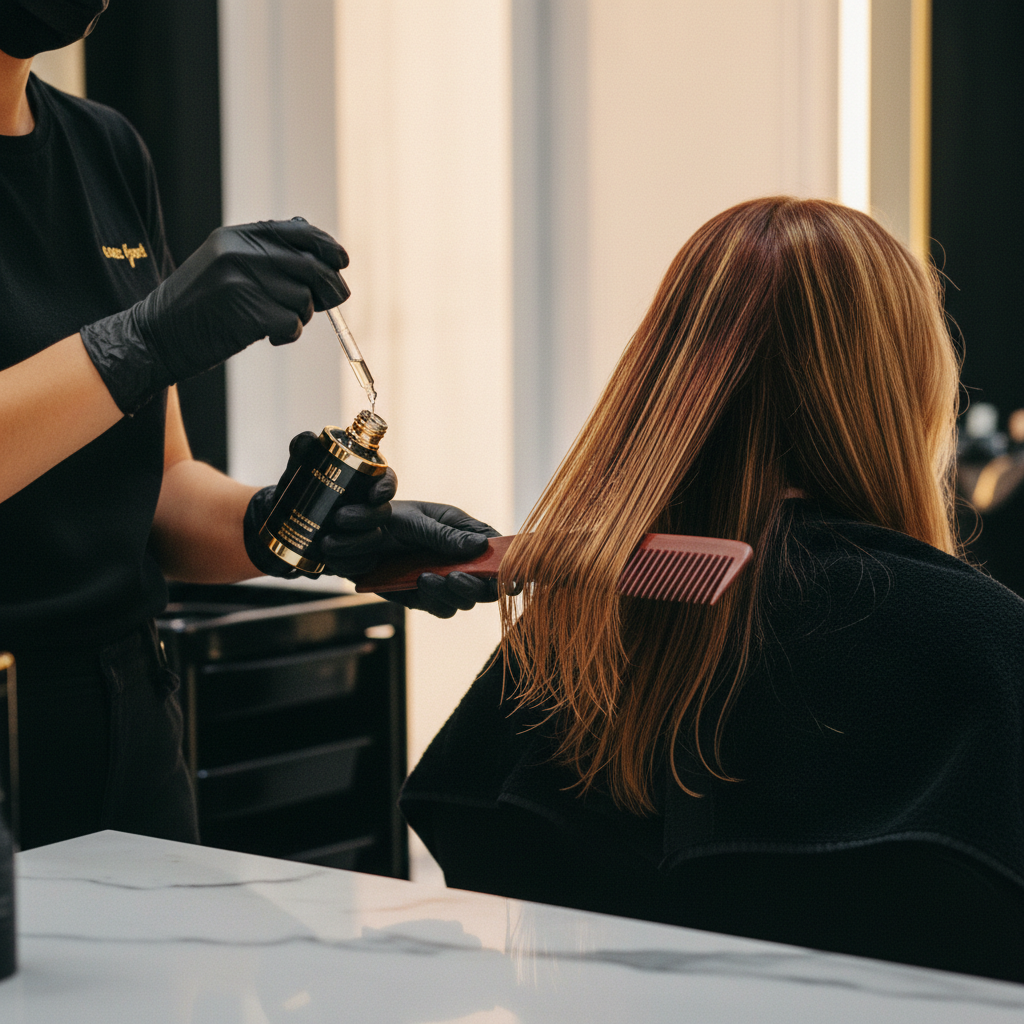
Quick answer: How to repair the look of damaged hair primarily involves cosmetic approaches that improve its appearance, feel, and manageability. This means using products and techniques that smooth the hair cuticle, replace lost moisture, strengthen the hair fibre, and prevent further physical damage. While true structural repair of already damaged hair is limited, consistent care can significantly enhance its cosmetic condition and overall health, making it look and feel healthier.
Key takeaways
- Cosmetic "repair" focuses on improving the look, feel, and strength of damaged hair, as true structural repair of severed bonds is not possible.
- Identifying the cause of damage (heat, chemical, mechanical) is crucial for effective treatment and prevention.
- Gentle handling, deep conditioning, and protein treatments can temporarily smooth the cuticle and strengthen the hair fibre.
- Minimising exposure to damaging factors like excessive heat and harsh chemicals is vital for preventing future damage.
- Regular trims remove split ends, which are a sign of irreparable damage to the hair shaft.
- Professional advice is important when damage is severe or combined with scalp issues or unusual hair shedding.
How to repair the look of damaged hair: what the evidence shows
How to repair the look of damaged hair involves a multi-faceted approach, predominantly focusing on cosmetic improvements and preventing further deterioration. The hair fibre, once it emerges from the scalp, is biologically dead. This means it cannot truly "heal" itself in the way skin or other living tissues can. Therefore, repairing the look of damaged hair is about managing its condition, improving its cosmetic appearance, and protecting it from additional harm.
Hair damage often stems from physical, chemical, or thermal stressors that compromise the hair's outer layer, the cuticle, and sometimes penetrate to the inner cortex. When the cuticle scales are lifted or missing, hair can feel rough, look dull, become tangled easily, and be prone to breakage. Products and practices aimed at repair work by temporarily smoothing these lifted cuticles, replacing lost moisture, and adding protective layers to the hair shaft.
Understanding the mechanism of "repair"
The hair shaft is primarily made of keratin proteins. Damage can break the disulphide bonds within these proteins, strip away the protective lipid layer, or lift the overlapping cuticle cells. When we talk about how to repair the look of damaged hair, we are generally referring to these mechanisms:
- Cuticle smoothing: Conditioners, masks, and certain styling products contain ingredients like silicones, oils, and cationic surfactants. These deposit onto the hair surface, filling in gaps, smoothing down lifted cuticle scales, and creating a more uniform, reflective surface. This makes hair feel softer, look shinier, and reduces friction, which helps prevent tangles and further mechanical damage. This process is temporary and washes off with subsequent shampooing.
- Moisture replenishment: Damaged hair often lacks moisture, making it brittle. Humectants (like glycerin and panthenol) attract water, while emollients (like fatty alcohols and natural oils) help to seal that moisture into the hair shaft. This improves elasticity and reduces the likelihood of breakage. For a deeper understanding, explore "Hair Hydration: The Science Behind Keeping Hair Moist" and "Humectants: Understanding How They Hydrate and Protect Your Hair".
- Protein reinforcement: Hydrolysed proteins (e.g., wheat protein, rice protein, keratin protein) have a small molecular weight, allowing them to penetrate the hair shaft to some degree. They can temporarily bond to damaged areas, offering internal support and making the hair feel stronger and more resilient. However, overuse of protein can make hair stiff and brittle, so balance is key. The "Science of Conditioners: How Hair Care Formulations Work" provides more detail.
- Protective barriers: Film-forming polymers and some oils create a physical barrier on the hair surface, protecting it from environmental aggressors, heat, and mechanical friction. This helps to prevent new damage while the hair recovers its cosmetic condition.
Signs of damaged hair
Recognising the signs is the first step in addressing damage. While these symptoms can overlap, they often point to specific types of damage:
- Rough texture and dullness: Hair feels coarse and lacks its natural shine. This often indicates a raised or compromised cuticle. Explore "Understanding Hair Porosity: How Your Hair Absorbs and Retains Moisture" for related information.
- Increased frizz: Especially in humid conditions, damaged hair struggles to maintain its structure because the lifted cuticles allow moisture to penetrate unevenly. Refer to "Dealing with Frizzy Hair" and "How to Reduce Frizz in Hair" for more insights.
- Split ends and breakage: Split ends are a clear sign of fibre damage where the hair shaft has split lengthwise, often at the ends. Breakage refers to the hair snapping along its length. These are often irreparable cosmetic issues that need to be trimmed off. It is important to distinguish hair breakage from hair shedding or hair loss.
- Poor elasticity: Healthy hair can stretch a little when wet and return to its original length. Damaged hair may stretch excessively, become gummy, or snap easily when stretched. Chemical treatments often affect elasticity.
- Tangles easily: Rough, lifted cuticles create friction between hair strands, leading to more tangles and knots.
What causes hair damage?
Understanding the source of damage is key to effective prevention and to repair the look of damaged hair. Common culprits include:
- Heat styling: Excessive use of blow dryers, straighteners, and curling irons without heat protection can cause direct damage to the keratin structure, leading to dryness, brittleness, and breakage. See "Heat Styling: Understanding Its Effects and How to Protect Your Hair" for more information.
- Chemical treatments: Perms, relaxers, bleaching, and colouring significantly alter the hair's internal structure, breaking and reforming disulphide bonds. This can leave hair porous, weak, and prone to damage if not done carefully. Consult "Chemical Hair Treatments: What They Are and How They Affect Hair" and "Maintaining Colour-Treated Hair" for related reading.
- Mechanical stress: Aggressive brushing, tight hairstyles, friction from towels or pillowcases, and even robust detangling can cause the cuticle to lift and eventually break. Gentle handling is paramount.
- Environmental factors: UV radiation from the sun, chlorine from swimming pools, and even hard water can contribute to hair damage. "Hard Water and Hair Damage: Understanding the Impact on Your Hair" explains this in more detail.
- Poor hair care practices: Using harsh shampoos, not conditioning adequately, or skipping regular trims can exacerbate damage over time.
Practical steps to repair the look of damaged hair
To cosmetically repair and improve the condition of damaged hair, a consistent and gentle routine is essential. Here's what you can do:
- Gentle Cleansing: Choose a mild, sulfate-free shampoo. Sulfates can sometimes be too harsh for already compromised hair, stripping away natural oils and moisture. Focus on cleansing the scalp and allow the lather to gently run down the lengths of your hair. For insight into gentler options, refer to "Sulfate-Free Shampoo Benefits" or "The Benefits of Sulfate-Free Hair Products".
- Deep Conditioning and Masks: These are crucial for reintroducing moisture and smoothing the cuticle. Look for masks rich in emollients, humectants, and hydrolysed proteins. Apply after shampooing, ensuring even distribution from mid-lengths to ends. Leave on for the recommended time, typically 5 to 20 minutes, for optimal penetration. For extremely damaged hair, consider using a mask once or twice a week. "Choosing the Right Hair Conditioner" offers further guidance.
- Protein Treatments: If your hair feels gummy, overly stretchy when wet, or generally weak, it might benefit from a targeted protein treatment. These can temporarily fortify the hair shaft. However, use them cautiously and according to instructions, as too much protein can lead to stiffness and increased breakage. Balance protein with moisture.
- Leave-in Conditioners and Oils: After washing, apply a leave-in conditioner or a small amount of lightweight hair oil to damp hair. These provide an extra layer of moisture, protection, and help to smooth the cuticle, making hair easier to detangle and reducing frizz. "Hair Moisturizers: What They Are and How They Work" provides more information.
- Heat Protection: If you must use heat styling tools, always apply a heat protectant spray. These products create a barrier that minimises thermal damage to the hair shaft. Use the lowest effective heat setting and limit frequency. See "Heat Styling Safety Best Practices" for comprehensive advice.
- Gentle Detangling: Always detangle wet hair with a wide-tooth comb, starting from the ends and working your way up. Avoid aggressive brushing, especially on wet hair, as it is more vulnerable to breakage. For afro or curly hair, specific techniques are vital; refer to "How to Detangle Afro Hair Without Breakage: An Evidence-Based Guide" and "Caring for Curly Hair".
- Regular Trims: There's no product that can truly fuse split ends back together. The only way to remove them permanently is to trim them off. Regular trims, every 6 to 12 weeks depending on your hair's condition and growth rate, prevent split ends from travelling further up the hair shaft and causing more widespread damage.
- Protective Styling: Consider styles that minimise manipulation and exposure to environmental stressors, especially for longer or delicate hair. "Protective Styling: A Comprehensive Guide" offers many options.
When to seek professional advice
While many aspects of how to repair the look of damaged hair can be managed at home, there are times when professional input is beneficial:
- Severe chemical damage: If your hair has become severely compromised after a chemical service, a professional stylist can assess the extent of the damage and recommend in-salon treatments or a strategic cutting plan.
- Unusual hair shedding or loss: If hair damage is accompanied by significant hair shedding from the root (telogen effluvium) or patches of hair loss (alopecia), it's crucial to consult a dermatologist or trichologist. Hair breakage is distinct from hair loss, and medical conditions require professional diagnosis and treatment.
- Persistent scalp issues: If damaged hair is linked to a persistently itchy, inflamed, or scaling scalp, a dermatologist can diagnose underlying conditions like psoriasis, eczema, or severe dandruff. Refer to "Understanding Scalp Health" for general information.
- No improvement with home care: If you've consistently followed a damage repair routine for several months and see no significant improvement, a professional can offer a fresh perspective and tailored advice.
Comparison of Hair Damage Types and Repair Strategies
| Type of Damage | Common Causes | Key Characteristics | Cosmetic Repair Focus | Prevention Strategies |
|---|---|---|---|---|
| Heat Damage | High-temperature styling tools, excessive blow-drying | Dryness, brittleness, split ends, reduced elasticity | Moisture replenishment, cuticle smoothing, protein support | Heat protectants, lower heat settings, air drying |
| Chemical Damage | Bleaching, perms, relaxers, strong dyes | Porosity, extreme dryness, gummy texture, breakage | Intense conditioning, protein reconstruction, pH balancing | Professional application, strand tests, longer gaps between services |
| Mechanical Damage | Aggressive brushing, tight styles, friction, rough towels | Breakage, frayed ends, frizz, split ends | Lubrication, cuticle smoothing, reduced friction | Gentle detangling, protective styling, microfibre towels |
| Environmental Damage | UV radiation, chlorine, hard water, pollution | Dryness, dullness, discolouration | Antioxidants, moisture sealing, UV filters | Hats, rinse hair before swimming, clarifying washes, UV protection |
Frequently asked questions about How to repair the look of damaged hair
Can hair products truly "repair" damaged hair?
No, hair products cannot truly "repair" damaged hair in a biological sense because hair is a non-living tissue. What they do is cosmetically improve its appearance, texture, and strength. Ingredients like proteins, silicones, and moisturisers temporarily smooth the cuticle, fill in gaps, and create a protective layer, making the hair feel and look healthier until the next wash. This is how to repair the look of damaged hair.
How long does it take to repair the look of damaged hair?
The timeframe varies depending on the severity of the damage and your consistency with a new care routine. You might see cosmetic improvements in texture and shine within a few weeks to a month. However, for significant changes, especially reducing visible breakage and split ends, it can take several months, as these issues need to be trimmed away as new, healthier hair grows. Patience and consistent care are key.
Should I cut off all my damaged hair?
While trimming damaged ends is essential, you don't always need to cut off all your hair. For split ends, regular micro-trims (every 6-12 weeks) can gradually remove them. For more extensive damage, a significant cut might be the fastest way to improve your hair's overall health and appearance, allowing you to start fresh with a more manageable length. Discuss options with a professional stylist.
Are protein treatments always good for damaged hair?
Protein treatments can be very beneficial for damaged hair, especially if it feels weak or overly stretchy. They temporarily reinforce the hair structure. However, it's a balance. Too much protein, or using it too frequently, can lead to protein overload, making hair feel stiff, brittle, and more prone to breakage. It's best to use them as directed and observe how your hair responds, balancing with moisturising treatments.
Does hard water contribute to hair damage?
Yes, hard water can contribute to hair damage. The high mineral content, particularly calcium and magnesium, can build up on the hair and scalp. This mineral residue can make hair feel rough, dull, and brittle, and can also interfere with the effectiveness of shampoos and conditioners. Regular clarifying washes can help remove this build-up. See "Hard Water and Hair Damage: Understanding the Impact on Your Hair" for more information.
Conclusion
Learning how to repair the look of damaged hair is an ongoing journey of consistent care, gentle practices, and thoughtful product selection. While biological repair isn't possible for non-living hair fibres, the cosmetic improvements achievable through targeted treatments and preventative measures can dramatically transform its appearance and feel. By understanding the causes of damage and implementing a diligent routine, you can restore your hair's strength, shine, and overall vitality, maintaining a healthier-looking mane. Remember that patience and consistency are your greatest allies in this process.
Watermans products for damaged hair
Watermans Haircare offers products designed to support healthier-looking hair and complement your damage repair routine. Our formulas often include ingredients known for their conditioning and strengthening properties, such as hydrolysed proteins and natural extracts. For example, our conditioners are developed to smooth the cuticle and improve manageability, helping to reduce breakage from tangling. Our masks provide intense hydration and nourishment, which is crucial for hair that feels dry or brittle. Used as part of a comprehensive care regimen, Watermans products can assist in enhancing the cosmetic condition of damaged hair, making it look and feel softer, shinier, and more resilient. Explore our range to find suitable additions to your hair care.
Sources and references
- American Academy of Dermatology Association. Hair Care: How to Tame Frizzy Hair. (No date available on specific article) aad.org
- Gavazzoni Dias, M. F. R. (2015). Hair Cosmetics: An Overview. International Journal of Trichology, 7(1), 2-15. Doi: 10.4103/0974-7753.153926
- Robbins, C. R. (2012). Chemical and Physical Behavior of Human Hair (5th ed.). Springer. (No DOI for book, but widely referenced)
- National Institutes of Health (NIH). Hair Anatomy and Physiology. (General information from a trusted source, no specific article for citation)
- British Association of Dermatologists. Hair Care. (General information, no specific article for citation) bad.org.uk