Product Selection for Your Hair Type
3 min read ·
Choosing the right haircare products depends on understanding your hair's unique characteristics and addressing its specific needs.
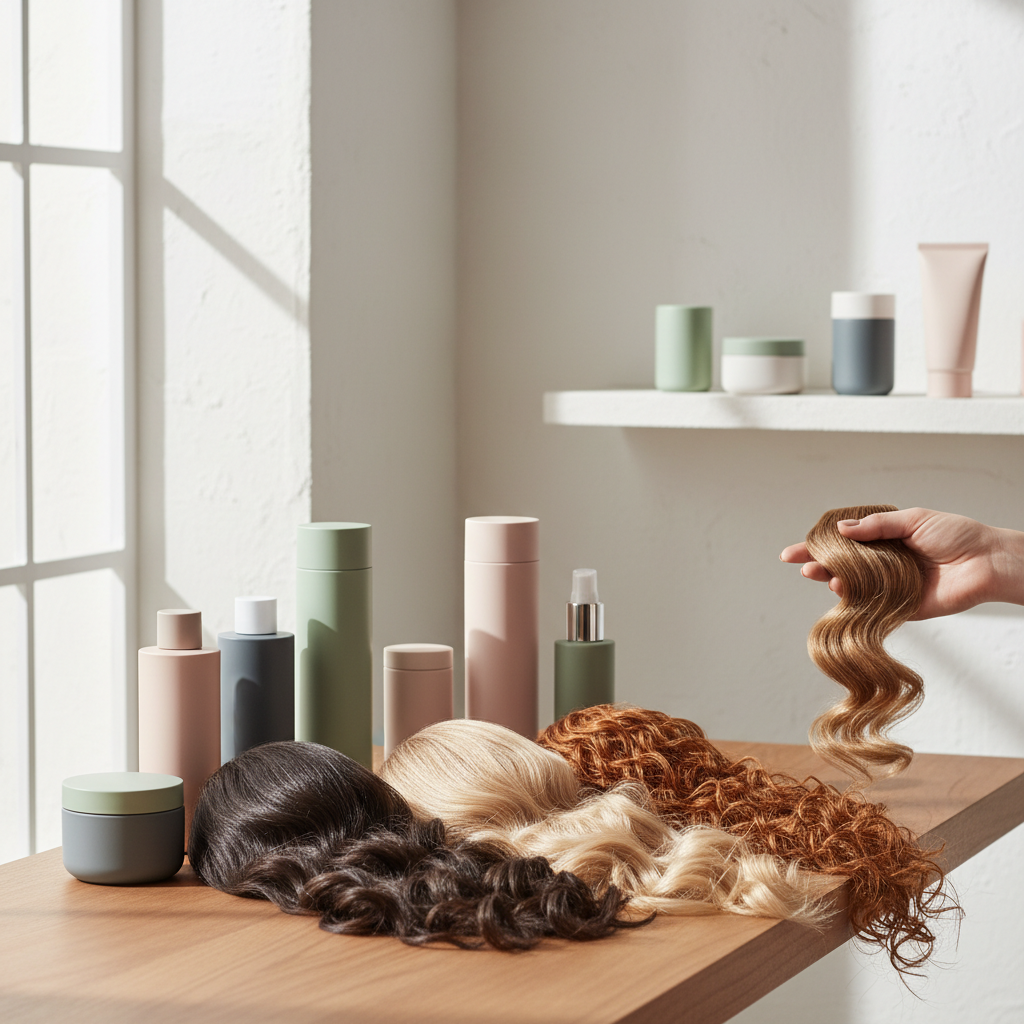
Every individual's hair is unique, demanding a tailored approach to product selection. The efficacy of any haircare regimen hinges on identifying your hair's characteristics and providing it with the appropriate ingredients and formulations.
Understanding Hair Structure and Needs
Before selecting products, it is essential to understand the fundamental aspects of your hair:
- Hair Type: This refers to the natural shape and texture of your hair strands (straight, wavy, curly, coily).
- Hair Structure: This examines the diameter of individual strands (fine, medium, coarse).
- Scalp Condition: The health of your scalp is paramount, dictating issues like oiliness, dryness, flakiness, or sensitivity.
- Hair Concerns: These are specific issues you wish to address, such as dryness, damage, frizz, thinning, or lack of volume.
- Chemical Treatments: Perms, relaxers, colour treatments, or keratin treatments alter hair structure and require specific care.
Hair Type and Texture
Straight Hair
Straight hair often struggles with oiliness at the scalp due to sebum traveling easily down the smooth shaft. It can also lack volume.
- Recommended Products: Lightweight shampoos and conditioners, clarifying shampoos (periodically), volumizing mousses or sprays.
- Ingredients to Look For: Proteins (e.g., wheat protein) for strength, light oils (e.g., jojoba) for moisture without weigh-down, salicylic acid for scalp exfoliation.
- Ingredients to Avoid: Heavy butters or oils, highly emollient formulations that can lead to greasiness.
Wavy Hair
Wavy hair has a natural "S" shape and can range from loose waves to defined ones. It often experiences a balance of oiliness and dryness, and can be prone to frizz.
- Recommended Products: Hydrating shampoos and conditioners, anti-frizz serums, styling creams designed for waves.
- Ingredients to Look For: Humectants (e.g., glycerin) to attract moisture, lightweight oils (e.g., argan oil) for shine and frizz control, gentle surfactants.
- Ingredients to Avoid: Products with high alcohol content (can dry out hair), excessive silicones that can build up.
Curly and Coily Hair
Curly and coily hair, characterized by spiral or zig-zag patterns, is naturally drier because sebum struggles to travel down the bends of the hair shaft. It is also more prone to breakage.
- Recommended Products: Moisturizing and sulfate-free shampoos, rich conditioners, leave-in conditioners, deep conditioning masks, curl creams, oils and butters for sealing.
- Ingredients to Look For: Emollients (e.g., shea butter, coconut oil), humectants, protein (in moderation, to strengthen), slip-inducing ingredients (e.g., marshmallow root extract) for detangling.
- Ingredients to Avoid: Sulfates (can be too stripping), heavy mineral oil (can create buildup), products with drying alcohols.
Hair Structure (Fine, Medium, Coarse)
| Hair Structure | Characteristics | Product Considerations |
|---|---|---|
| Fine | Small diameter, delicate, easily weighed down | Lightweight, volumizing, avoid heavy conditioning treatment |
| Medium | Average diameter, generally resilient, versatile | Balanced hydration, can tolerate a wider range of products |
| Coarse | Large diameter, strong, often porous, can be dry | Rich, deeply moisturising, nourishing oils, leave-ins |
Scalp Condition
- Oily Scalp: Look for clarifying shampoos, scalp scrubs, and lightweight conditioners applied only to the ends. Ingredients like tea tree oil or salicylic acid can help regulate oil production.
- Dry/Flaky Scalp: Choose hydrating and gentle shampoos. Ingredients like aloe vera, hyaluronic acid, or colloidal oatmeal can soothe and moisturise the scalp.
- Sensitive Scalp: Opt for fragrance-free, dye-free, and hypoallergenic products. Avoid harsh sulfates and strong essential oils.
Addressing Specific Hair Concerns
- Damage/Breakage: Products rich in proteins (hydrolyzed wheat protein, keratin) and cementing lipids (ceramides) help rebuild and strengthen the hair shaft. Deep conditioning treatments are crucial.
- Frizz: Look for anti-humectant ingredients (though this is contested, with some preferring humectants in humid climates), conditioning agents like silicones (ensure they are water-soluble) or natural oils to smooth the cuticle.
- Thinning Hair: Products containing stimulants like caffeine, niacin, or biotin can support scalp health and encourage a healthy growth environment. It is important to remember that such products support existing hair and scalp health rather than growing new hair where follicles are no longer active. Watermans Hair
Find these ingredients in Watermans products
- Biotin, you will find this ingredient in our Hair Growth Shampoo.
- Wheat Amino Acids, you will find this ingredient in our Heat Protection Spray.
- Aloe Vera, you will find this ingredient in our Curly Hair Conditioner.