Preventing Mechanical Hair Breakage: Science, Signs, and Solutions
8 min read ·
Learn the science of Preventing Mechanical Hair Breakage. Discover practical methods to reduce friction, detangle safely, and protect fragile hair fibres.
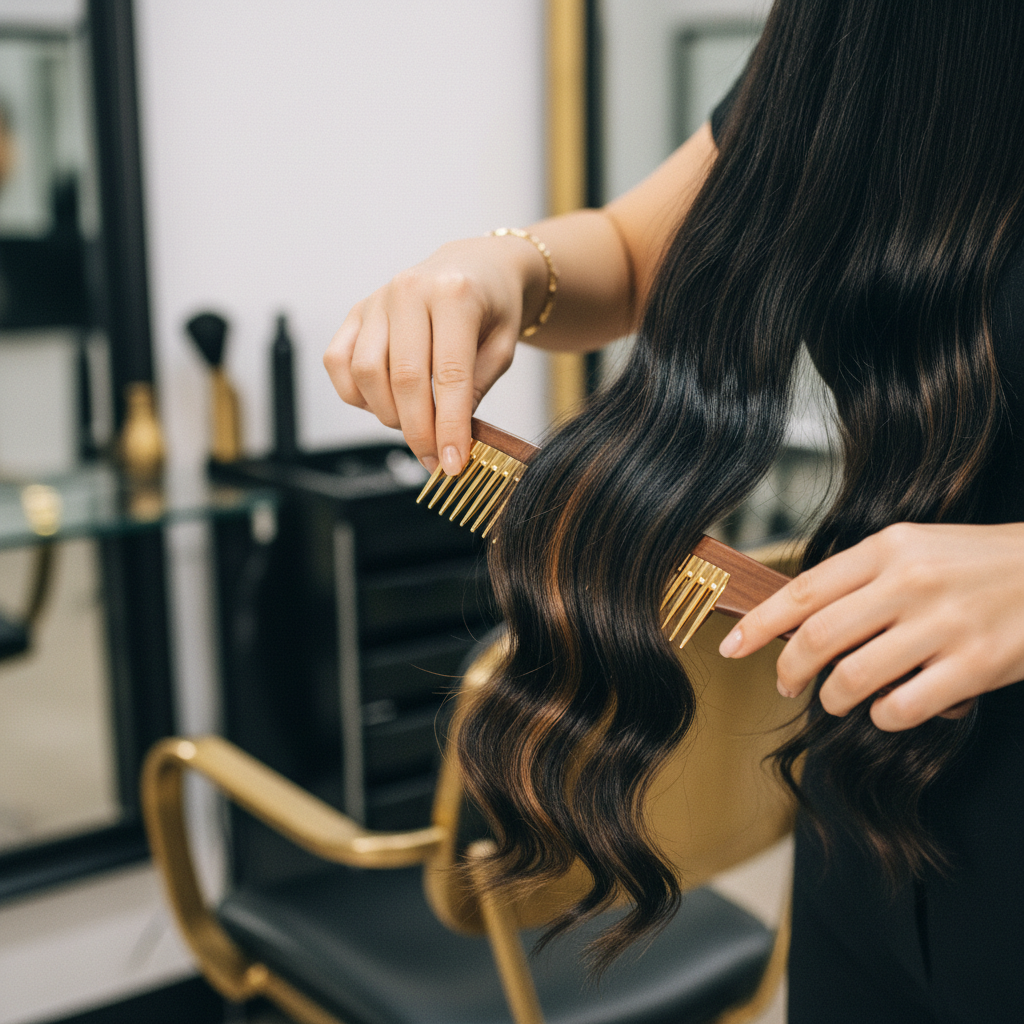
Quick answer: Preventing Mechanical Hair Breakage requires reducing the external friction, tension, and physical stress applied to the hair shaft during daily grooming. Unlike genetic hair loss, mechanical breakage occurs when physical force exceeds the tensile strength of the hair fibre, causing cuticle chipping and cortex fractures. Preventing this damage involves detangling gently from tips to roots, using protective styling, choosing snag-free accessories, and maintaining moisture-protein balance. However, cosmetic adjustments cannot repair a fully fractured hair shaft; split ends must be trimmed to halt progression.
Key takeaways
- Mechanical breakage happens along the hair fibre due to physical force, distinct from root-level hair shedding or follicular alopecia.
- Wet hair is vulnerable because water temporarily breaks hydrogen bonds, increasing fibre elasticity up to 30 percent while halving tensile resistance.
- Grooming tools, tight hairstyles, rough cotton pillowcases, and vigorous towel drying are the leading physical culprits.
- Lubricating the hair with conditioning agents reduces the friction coefficient, substantially lowering grooming-induced stress.
- Regular micro-trims remain essential because mechanical splits travel upward along the cortex if left unaddressed.
Preventing Mechanical Hair Breakage: what the evidence shows
Preventing Mechanical Hair Breakage centres on managing the physical forces applied to the hair cuticle and cortex. Hair is primarily composed of keratinised protein filaments held together by strong covalent disulphide bonds and weaker, transient hydrogen bonds. Whenever you brush, comb, braid, or rub your hair, physical friction acts against the outer protective cuticle scales.
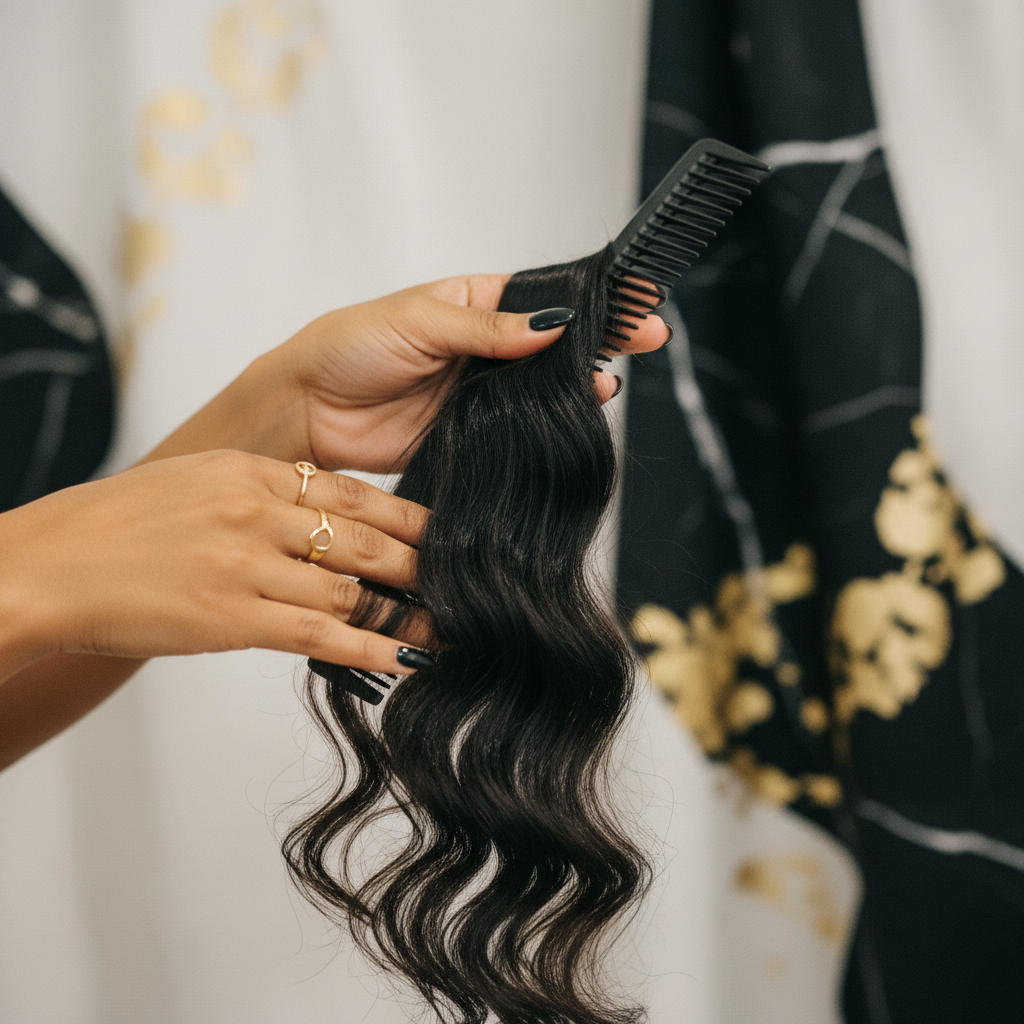
Studies published in the Journal of Cosmetic Science show that repeated combing exerts cumulative shear stress on the cuticle. When that stress exceeds what the cuticle can tolerate, the outer cells lift, chip, and peel away. Once this protective shield is breached, the inner cortex is exposed to friction, resulting in longitudinal fissures known as trichorrhexis nodosa or split ends.
Preventing Mechanical Hair Breakage involves keeping the friction coefficient of the hair surface as low as possible. Research demonstrates that conditioning agents, silicones, and plant oils deposit a micro-thin hydrophobic layer over the fibre. This layer smooths raised cuticles and reduces the mechanical work required to pass a comb through wet or dry hair by up to 50 percent.
The physical mechanisms behind mechanical damage
To stop breakage, you must understand the mechanical stresses acting on hair fibres:
Tensile stress and stretching
Tensile stress occurs when hair is pulled lengthwise. Dry hair can typically stretch by roughly 15 to 20 percent of its original length before snapping. When saturated with water, hair can stretch up to 30 to 50 percent due to weakened hydrogen bonds. However, its ultimate tensile strength (the force required to snap the fibre) decreases when wet. Forcing a fine-tooth comb through wet, tangled hair stretches fibres past their elastic limit, causing permanent structural deformity and snapping.
Friction and shear stress
Friction arises from rough towel drying, harsh brushing, and sleeping on coarse fabrics. The cuticle layer consists of overlapping scales pointing downward toward the hair tip. Backcombing or rubbing hair back and forth forces these scales upward. Once cuticle scales break off, the cortex loses structural support and splits under minimal tension.
Torsional stress and localised tension
Torsional stress is caused by twisting hair tightly during braiding, styling, or twirling. Constant tension from tight ponytails, weaves, or elastic bands compresses the hair shaft at a single pivot point. Over time, the repeated localized strain crushes the cuticle cells, producing a weak spot that snaps under routine brushing.
Recognising the signs of mechanical breakage
Because mechanical breakage can mimic other hair concerns, you must examine the broken fibres carefully.
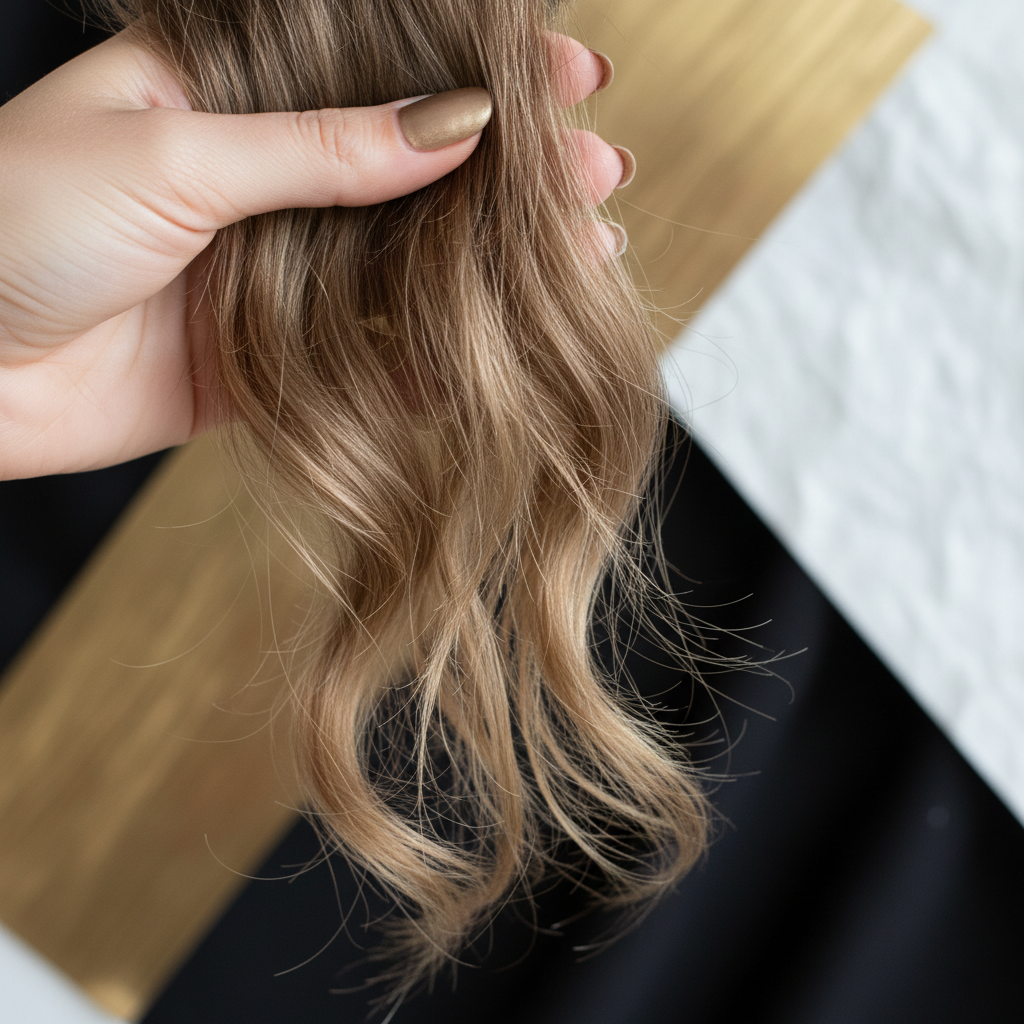
| Feature | Mechanical Breakage | Normal Shedding (Telogen) | Chemical Damage |
|---|---|---|---|
| Fibre Length | Short, uneven fragments | Full-length strands | Variable fragments, gummy when wet |
| Root Bulb | Absent; blunt or frayed end | Small white bulb present at tip | Absent; frayed or disintegrating end |
| Pattern | Concentrated around crown, nape, or hairline | Diffuse across the entire scalp | Uniform across chemically treated zones |
| Fibre Texture | Rough, split, or notched ends | Normal shaft tapering | Porous, stretchy, snaps under low load |
| Primary Cause | Brushing, friction, tight styles | Natural hair cycle turnover | Bleach, relaxers, perms |
Practical steps for Preventing Mechanical Hair Breakage
Adopting low-friction habits protects the structural integrity of your hair fibres daily:
1. Master wet and dry detangling technique
Never drag a comb from the scalp down to the ends. Start detangling at the bottom 2 to 3 inches of the hair, gently working out knots before moving progressively upward. Always use a wide-tooth comb or a flexible-bristle detangling brush. If detangling wet hair, always apply a slippery conditioner or leave-in treatment first to lubricate the fibres.
2. Ditch the rough cotton bath towel
Standard terrycloth towels feature tiny loops that snag individual hair fibres, creating severe friction and peeling cuticle scales when rubbed vigorously. Instead, gently squeeze excess water out of your hair using a smooth microfibre towel or a soft cotton t-shirt. Blot and press rather than rub.
3. Upgrade sleep surfaces and protective habits
Tossing and turning against a standard cotton pillowcase creates continuous friction for six to eight hours each night. Switching to a silk or satin pillowcase significantly reduces nocturnal friction. If your hair is long or prone to knotting, securing it in a loose pineapple, a low braid, or wearing a satin bonnet prevents nighttime tangling.
4. Re-evaluate styling tension and accessories
Avoid rubber bands or hair elastics with metal clasps, which pinch and slice through the hair shaft. Choose silk or satin scrunchies, seamless elastic loops, or spiral plastic ties that distribute pressure across a wider surface area. Avoid maintaining tight ponytails or slicked buns in the exact same position every day; rotate styles to prevent repeated stress on the same section of hair.
5. Incorporate functional leave-in conditioning
Leave-in conditioners, light oils, and serums do more than add shine. They seal the cuticle and lower surface friction, helping adjacent strands slide past each other smoothly rather than catching and snapping.
When the cause is something else
If your hair is breaking despite gentle mechanical handling, the underlying cause may be internal or chemical:
- Chemical over-processing: Excessive bleaching, colouring, or chemical relaxing permanently breaks the cystine disulphide bonds within the cortex. Hair damaged in this way will snap under even the gentlest handling.
- Thermal fatigue: Daily use of flat irons and curling wands above 185 degrees Celsius melts the hair's natural keratin and causes moisture inside the shaft to vaporise rapidly, forming micro-bubbles (bubble hair) that fracture easily.
- Internal health and nutritional deficiencies: Severe caloric restriction, iron deficiency anaemia, or zinc deficiency can lead to the production of an inherently weaker hair shaft during the anagen phase.
- Traction alopecia: Prolonged mechanical tension does not just break the shaft; it can physically pull the follicle from the dermal papilla. If you experience scalp tenderness, inflamed bumps, or a receding hairline from tight styles, you are dealing with traction alopecia, which requires removing the tension source immediately to avoid permanent follicle scarring.
Supporting hair strength with Watermans
While mechanical breakage happens along the length of the hair shaft, healthy hair growth begins at the scalp. A resilient fibre emerges from a nourished, well-cared-for follicle.
Watermans GrowMe Shampoo and ConditionMe Conditioner are formulated to support the feel and cosmetic condition of hair from root to tip. GrowMe provides a targeted blend of biotin, rosemary, caffeine, and argan oil to refresh the scalp environment, while ConditionMe works as a moisturising treatment designed to smooth cuticle scales, soften dry lengths, and reduce combing friction. By keeping hair fibres hydrated and supple, ConditionMe helps lower the mechanical resistance that leads to snapping during everyday washing and styling.
Frequently asked questions about Preventing Mechanical Hair Breakage
Can damaged hair bonds be repaired after mechanical breakage?
No. Once a hair fibre physically snaps or splits into a longitudinal fissure, cosmetic products cannot permanently re-fuse the broken keratin. Certain bonding treatments can temporarily patch and cross-link exposed areas to slow down further splitting, but the only permanent solution for a broken or split end is a clean trim with sharp hairdressing shears.
Does brushing 100 strokes a day help with Preventing Mechanical Hair Breakage?
No, the old advice to brush hair 100 strokes daily actually accelerates mechanical breakage. Every stroke of a brush creates cumulative friction against the delicate cuticle layer. Brushing should only be done to detangle or style, using as few strokes as necessary with a flexible, wide-spaced tool to preserve cuticle integrity.
Why is wet hair more prone to mechanical breakage than dry hair?
Wet hair absorbs water, which temporarily disrupts the weak hydrogen bonds that give hair its rigid structure. This makes the fibre highly elastic, allowing it to stretch much further than dry hair. However, its overall tensile strength decreases, meaning that aggressive pulling or combing wet hair overextends it past its recovery point, leading to immediate snapping.
How often should I trim my hair to stop breakage from travelling?
A light trim every 8 to 12 weeks is generally recommended to remove damaged ends before they split further up the hair shaft. If you regularly use heat tools or wear high-friction styles, checking your ends every 6 to 8 weeks can help you catch physical wear early, preserving length and overall density.
Conclusion
Preventing Mechanical Hair Breakage is entirely within your control through gentle, consistent haircare habits. By understanding that hair is a delicate biological fibre that weakens under tension, friction, and moisture, you can make simple adjustments to preserve your lengths. Use wide-tooth detangling tools, avoid tight styling, switch to low-friction sleep accessories, and keep strands conditioned to ensure your hair stays resilient, healthy-looking, and protected against day-to-day physical stress.
Sources and references
- Journal of Cosmetic Science, "Combing damage of hair and its prevention", 2007.
- International Journal of Trichology, "Hair cosmetics: An overview", 2015.
- Skin Appendage Disorders, "Hair shaft damage from cosmetic procedures and grooming practices", 2018.
- British Association of Dermatologists, "Hair breakage and cosmetic grooming considerations", 2021.
Find these ingredients in Watermans products
- Zinc: you will find this ingredient in our Hair Vitamins.