Preventing Hair Breakage and Split Ends
5 min read ·
Understanding the causes and implementing preventative measures are key to maintaining hair health and minimizing breakage and split ends.
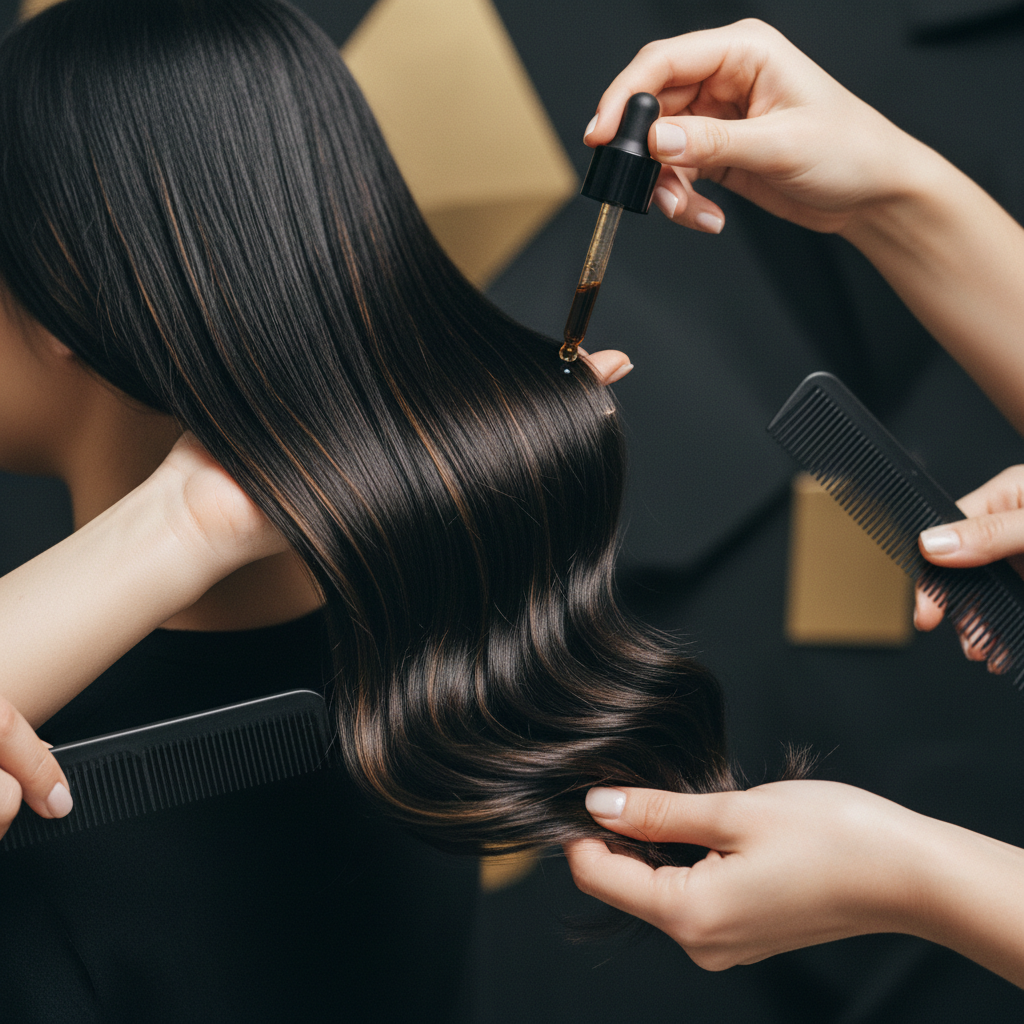
Hair breakage and split ends are common concerns that indicate damage to the hair shaft. Hair breakage refers to the hair strand snapping along its length, while split ends, or trichoptilosis, occur when the hair fibre splits into two or more fragments at its tip. Both conditions are often interconnected and arise from similar damaging factors. Recognizing the underlying causes is the first step toward effective prevention.
Causes of Hair Breakage and Split Ends
Several factors contribute to the structural degradation of hair, leading to breakage and split ends. These can be broadly categorized as mechanical, chemical, and environmental.
Mechanical Damage
Mechanical damage results from physical stress on the hair. This includes:
- Aggressive Brushing and Combing: Forceful detangling, especially on wet hair, can stretch and snap strands. Wet hair is more elastic and prone to damage, as hydrogen bonds within the hair are temporarily weakened.
- Tight Hairstyles: Styles that involve pulling the hair tightly, such as high ponytails, braids, or buns, create tension on the hair shaft and follicle, leading to breakage over time. This is particularly prevalent around the hairline.
- Friction: Rubbing hair against abrasive surfaces, such as certain pillowcases or rough towels, can cause the cuticle scales to lift and eventually chip away, weakening the hair.
- Heat Styling: Excessive or improper use of heat styling tools like flat irons, curling irons, and blow dryers can dehydrate the hair, denature its structural proteins, and lead to brittleness. Temperatures exceeding 180°C (350°F) can cause significant damage if applied without protection.
Chemical Damage
Chemical processes alter the internal structure of the hair, making it more vulnerable to damage.
- Chemical Treatments: Services such as colouring, bleaching, perming, and chemical straightening involve strong alkaline or acidic agents that break down the disulfide bonds within the hair cortex. While these processes reshape the hair, they can also compromise its integrity, leading to porosity and increased susceptibility to breakage.
- Over-processing: Repeated chemical treatments, especially without adequate recovery time or conditioning, can severely weaken the hair, making it brittle and prone to breakage.
Environmental Damage
External elements can also contribute to hair damage.
- UV Radiation: Prolonged exposure to sunlight can degrade the protein structure of the hair and weaken the cuticle, leading to dryness and frizz.
- Chlorine and Saltwater: Chlorine, commonly found in swimming pools, can strip hair of its natural oils, leaving it dry and porous. Saltwater can also dehydrate the hair and cause friction between strands.
- Environmental Pollutants: Air pollution can deposit particulate matter on the hair, leading to oxidative stress and cuticle damage.
Strategies for Prevention
Preventing breakage and split ends involves a combination of gentle practices, protective measures, and mindful product choices.
Gentle Hair Care Practices
- Detangle Carefully: Always detangle hair from the ends upwards, using a wide-tooth comb or a dedicated detangling brush. Work in small sections to avoid pulling. For wet hair, consider applying a leave-in conditioner or detangling spray to provide slip.
- Wash Gently: Use a sulfate-free shampoo to avoid stripping natural oils. Focus on cleansing the scalp and allow the lather to rinse through the ends. Avoid vigorous rubbing of the hair strands.
- Condition Religiously: Apply conditioner to the mid-lengths and ends of the hair after every shampoo. Conditioners help to smooth the cuticle, improve elasticity, and provide a protective layer. Consider deep conditioning treatments weekly or bi-weekly.
- Blot, Don't Rub: After washing, gently blot hair with a microfibre towel or old cotton t-shirt to absorb excess water. Avoid rubbing, which can rough up the cuticle.
- Loosen Up: Opt for looser hairstyles to minimise tension on the hair shaft and scalp.
Protective Measures
- Heat Protection: Always apply a heat protectant product before using heat styling tools. These products create a barrier between the hair and the heat, often containing silicones to reduce friction and hydrolysed proteins to strengthen the hair shaft.
- Sun Protection: Wear a hat or use UV-protective hair products when exposed to prolonged sunlight.
- Swim Smart: Wet hair with clean water and apply a leave-in conditioner before swimming in chlorinated or saltwater to create a barrier and reduce absorption. Rinse hair thoroughly with clean water immediately after swimming.
- Regular Trims: While trims do not repair split ends, they prevent the split from traveling further up the hair shaft. Aim for a trim every 6-8 weeks to keep ends healthy.
Nutritional and Lifestyle Factors
- Balanced Diet: A diet rich in proteins, vitamins (especially A, C, E, and biotin), and minerals (like iron and zinc) supports healthy hair growth and strength. Hair is primarily composed of keratin, a protein, so adequate protein intake is crucial.
- Hydration: Drinking sufficient water contributes to overall health, including the hydration of hair strands from within.
Product Choices
When selecting products, look for formulations designed to strengthen and protect the hair. Products containing ingredients like keratin, biotin, and natural oils can help fortify the hair shaft and enhance its resilience. Regular use of a hair growth shampoo and conditioner can also contribute to overall hair health and reduce the likelihood of breakage.
| Practice | Why it helps | Benefit |
|---|---|---|
| Gentle Detangling | Reduces physical stress on wet hair | Prevents snapping and stretching |
| Heat Protectant | Creates a barrier against high temperatures | Minimizes protein denaturation and dryness |
| Regular Trims | Removes compromised ends | Stops splits from progressing up the shaft |
| Deep Conditioning | Replenishes moisture and smooths cuticle | Enhances elasticity and reduces frizz |
| Looser Hairstyles | Decreases tension on hair follicles and strands | Prevents breakage at stress points |
By adopting these preventative strategies, individuals can significantly reduce the incidence of hair breakage and split ends, leading to stronger, healthier, and more resilient hair.
Find these ingredients in Watermans products
- Zinc, you will find this ingredient in our Hair Vitamins.