Pola Shampoo: Scalp Science, Evidence, and Haircare Realities
8 min read ·
Learn what Pola shampoo does for the scalp and hair fibre. Discover the science behind Japanese scalp care, realistic results, and evidence-based routines.
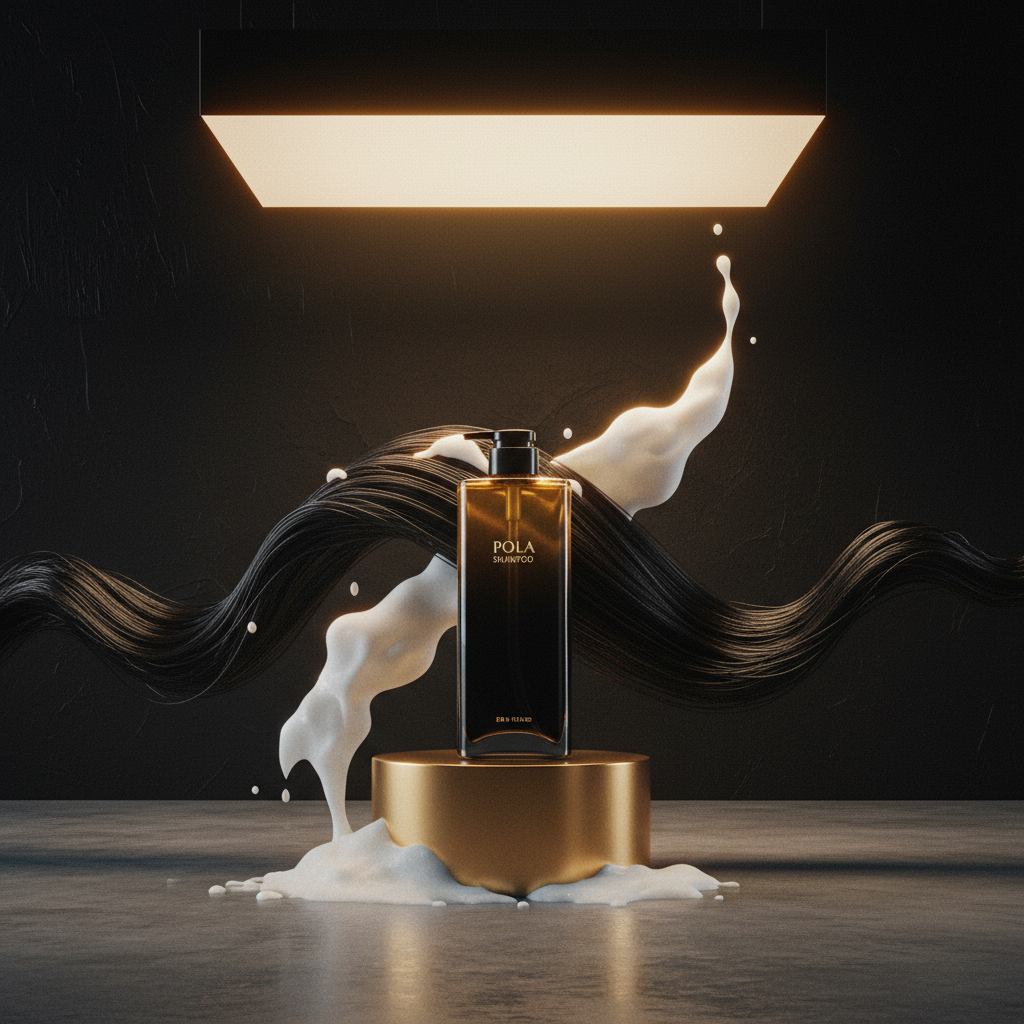
Quick answer: Pola shampoo refers to Japanese cosmetic hair cleansers formulated primarily to balance the scalp microbiome, clear sebum build-up, and enhance hair density and volume through botanical extracts and amino-acid surfactants. While Pola shampoo excels at improving scalp condition, boosting root lift, and reducing breakage from grooming friction, it is classified as a cosmetic product. As such, it cannot treat, reverse, or cure clinical follicular hair loss conditions such as androgenetic alopecia or autoimmune alopecia areata.
Key takeaways
- Cosmetic focus: Formulated with mild surfactants and botanical conditioning agents, Pola shampoo aims to clear the follicular infundibulum of lipid oxidisation without stripping moisture.
- Follicle environment: Regular cleansing supports an optimal scalp microbiome, helping to minimise micro-inflammation linked to excessive sebum production.
- Breakage versus loss: While nourishing washes can drastically reduce fibre breakage, they do not alter internal follicular cycles or arrest genetic pattern baldness.
- pH balance: High-end Japanese formulations typically maintain a scalp-friendly pH between 5.0 and 5.5, preserving the acid mantle and keeping hair cuticles smooth.
- Ingredient safety: Botanical extracts and mild cleansers provide strong aesthetic results, but individuals with sensitive scalps should monitor for contact allergies to plant botanicals.
Pola shampoo: what the evidence shows
Pola shampoo sits within the category of prestige Japanese scalp-care cosmetics (often referred to as "head spa" care). These formulations rest on the principle that the scalp ages similarly to facial skin. As skin matures, dermal elasticity declines, blood microcirculation decreases, and sebum composition changes, occasionally resulting in oxidised squalene that clogs follicular openings.

Scientific assessments of premium botanical shampoos show distinct cosmetic benefits:
- Mild cleansing systems: Unlike harsh industrial degreasers relying heavily on sodium lauryl sulphate (pH 7.0 to 8.0 when unbuffered), modern Japanese luxury cleansers use amino-acid-based or amphoteric surfactants. These operate within a physiological pH range of 4.5 to 5.5. Research shows that maintaining this acidic baseline prevents the hair shaft from swelling excessively, protecting the keratin matrix from leaching during washing.
- Surface lipid management: Formulations designed to clear oxidised scalp sebum successfully lower local populations of Malassezia yeasts. By keeping lipid peroxide levels low, these shampoos reduce sub-clinical erythema (redness) and itchy irritation.
- Fibre lubricity: Conditioning polymers and botanical lipids deposit microscopically along the cuticular scales. This lowers the dry and wet friction coefficient of the hair by up to 40 percent in laboratory combing assays, directly preventing split ends and mid-shaft snapping.
However, clinical research into hair biology indicates that topical cosmetic shampoos have very brief scalp contact times (typically 1 to 3 minutes). While conditioning agents and humectants adsorb onto the cuticle, active botanicals do not penetrate deeply into the dermal papilla to alter genetic hair cycling.
What the evidence does not show
There is no credible scientific evidence demonstrating that Pola shampoo can regenerate dormant hair follicles or treat genetic hair disorders. It is vital to separate cosmetic performance from medical dermatology.
- It cannot reverse androgenetic alopecia: Male and female pattern hair loss is driven by follicular sensitivity to dihydrotestosterone (DHT) and genetic signalling pathways. Over-the-counter cosmetic shampoos do not suppress systemic or tissue-level DHT sufficiently to reverse follicular miniaturisation.
- It does not halt telogen effluvium: Sudden, diffuse shedding triggered by metabolic shocks, severe stress, post-febrile illnesses, or nutritional deficits occurs because growing anagen follicles are prematurely pushed into the resting telogen phase. A topical wash cannot resolve an internal systemic trigger.
- It cannot alter hair diameter from inside the root: While humectants and film-forming polymers can temporarily coat the hair shaft to make it look 5 to 10 percent thicker, they do not permanently increase the biological thickness of hair fibres emerging from the matrix.
The mechanism: how scalp cleansing protects the fibre
Healthy hair growth requires an environment free from chronic inflammatory build-up. When sebum accumulates on the scalp, skin flora break triglycerides down into free fatty acids. Under ultraviolet light and oxygen, these fatty acids oxidise into lipid peroxides, which provoke oxidative stress around the follicular infundibulum.
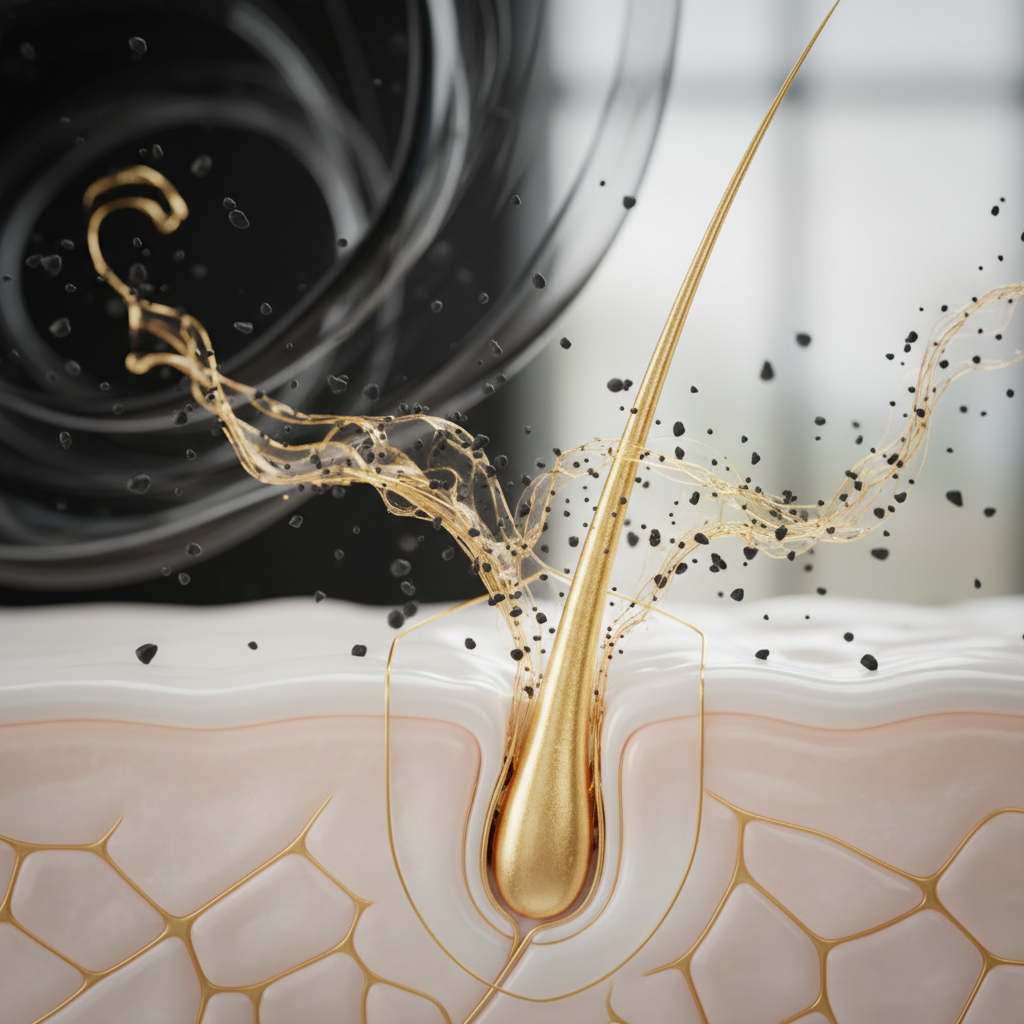
Over months, unmanaged scalp build-up can weaken the anchor of the hair fibre in the follicle, accelerating premature shedding. Using a cleansing formulation like Pola shampoo works via three distinct physical actions:
- Micellar capture: Surfactant molecules form spherical micelles that encapsulate hydrophobic sebum and environmental grime, allowing them to rinse away with warm water without eroding essential stratum corneum ceramides.
- Acid-mantle preservation: Maintaining an acidic wash environment preserves the scalp's antimicrobial peptide shield, keeping opportunistic bacteria and fungal colonies in balance.
- Cuticle alignment: Low-friction rinsing closes the outer overlapping scales of the cuticle. When cuticles remain flat, moisture retention within the hair cortex remains high, resisting environmental dehydration and styling heat.
Identifying hair breakage versus genuine shedding
Before evaluating any scalp wash, you must identify whether your concerns stem from true hair loss or physical fibre damage. Misidentifying the problem leads to disappointment and delayed medical care.
| Characteristic | Hair breakage | Hair shedding (Telogen effluvium) | Genetic miniaturisation (Alopecia) |
|---|---|---|---|
| Visual sign | Short, snapped fragments without a white bulb | Full-length strands ending with a tiny white bulb | Gradual thinning, visible scalp, finer wispy hairs |
| Primary site | Mid-shafts, ends, around the hairline from tension | Diffuse loss across the entire scalp surface | Vertex, crown, and frontal hairline |
| Root cause | Mechanical strain, heat, chemical bleaching | Systemic illness, hormone shifts, nutritional dips | DHT sensitivity and genetic inheritance |
| Shampoo effect | High: reduces friction and improves elasticity | Low: cleanses scalp but cannot stop the cycle | Low: improves cosmetic volume without altering genetics |
| Timeframe to resolve | Immediate improvement with gentle care | 3 to 6 months after correcting the internal cause | Ongoing management with medical supervision |
When to explore other causes
If you notice your parting widening, rapid thinning at the crown, or handfuls of hair dislodging in the shower (over 100 to 150 hairs daily for more than 4 weeks), cosmetic shampoo is not the answer. These signs frequently point to systemic conditions that require clinical investigation.
Common underlying contributors include:
- Thyroid dysfunction: Both hyperthyroidism and hypothyroidism disrupt the normal follicular cycle, causing diffuse thinning and dry, brittle hair.
- Serum ferritin depletion: Iron stores below 30 to 50 ng/mL can compromise the energy-intensive anagen growth phase.
- Hormonal fluctuations: Post-partum states, perimenopause, polycystic ovary syndrome (PCOS), or discontinuing oral contraceptives alter androgen-to-oestrogen ratios.
- Autoimmune presentations: Patchy, coin-sized bare spots suggest alopecia areata, which requires targeted anti-inflammatory or immunosuppressive dermatological care.
When to seek professional advice
Consult a GP, dermatologist, or registered trichologist if you experience:
- Sudden, patchy, or scarring scalp changes.
- Persistent tenderness, burning, severe itching, or crusting along the hair roots.
- Hair falling out in large clumps during regular brushing.
- No improvement in hair shedding after 3 months of lifestyle adjustment.
A medical specialist can perform blood panels, a pull test, or a dermoscopic scalp examination to deliver an accurate diagnosis.
A holistic approach to hair wellness: Watermans
While premium cosmetics like Pola shampoo provide a refined cleansing ritual, maintaining resilient hair requires attention to both the scalp surface and overall hair hygiene. Watermans approaches hair wellness by pairing gentle, sulphate-free cleansing with focused scalp support. Products such as Watermans GrowMe shampoo integrate ingredients like biotin, caffeine, rosemary extract, niacinamide, and hydrolysed lupin protein.
Rather than relying on harsh degreasing agents, this combination cleanses the follicular environment, supports the acid mantle, and deposits structural conditioning agents that reinforce fragile strands against daily brushing strain. Incorporating a nutrient-rich, non-stripping cleanser into your regimen ensures that the hair emerging from healthy follicles retains its maximum cosmetic vitality and tensile strength.
Frequently asked questions about Pola shampoo
Will Pola shampoo cure my receding hairline?
No. A receding hairline is typically driven by androgenetic alopecia, which involves genetic sensitivity to the hormone dihydrotestosterone (DHT). While Pola shampoo can effectively clear away surface debris and create a cleaner foundation for styling, it does not possess the medical capacity to reverse genetic follicle miniaturisation or regrow dead follicles.
Can Pola shampoo be used daily on colour-treated hair?
Yes, provided the specific formulation is sulphate-free and pH-balanced. Premium Japanese cleansers generally use amino-acid surfactants that respect the hair cuticle. Because the cuticle remains flat, artificial colour molecules are less prone to washing out compared with using high-pH, clarify-heavy cleansers.
Does Pola shampoo stop hair breakage?
It can help reduce breakage significantly. Breakage occurs when dry or chemically processed strands snap under friction. The conditioning agents and humectants in Pola shampoo lubricate the hair fibre, lowering brushing resistance and helping the hair shaft retain moisture.
How long does it take to see results from a scalp-focused shampoo?
Aesthetic improvements such as a cleaner scalp, improved root lift, and reduced flaking often show within 1 to 2 washes. Improvements in strand strength and fewer snapped hairs from friction typically become noticeable over 4 to 8 weeks of consistent use as damaged lengths receive routine protection.
Summary
Choosing the right hair cleanser depends on balancing scientific reality with your daily styling goals. Pola shampoo represents the sophisticated formulation philosophy of Japanese scalp care, excelling at gentle cleansing, maintaining an acidic pH, and protecting the cuticles from mechanical damage. While it cannot treat medical hair loss or overwrite genetic factors, it provides a luxurious and practical cosmetic foundation for anyone seeking a fresh, comfortable scalp and softer, more resilient hair.
Find these ingredients in Watermans products
- Niacinamide: you will find this ingredient in our Hair Mask.