Nourishing Hair Masks: Benefits, Mechanisms, and Use
3 min read ·
Nourishing Hair Masks are intensive conditioning treatments designed to deliver concentrated ingredients to the hair fibre.
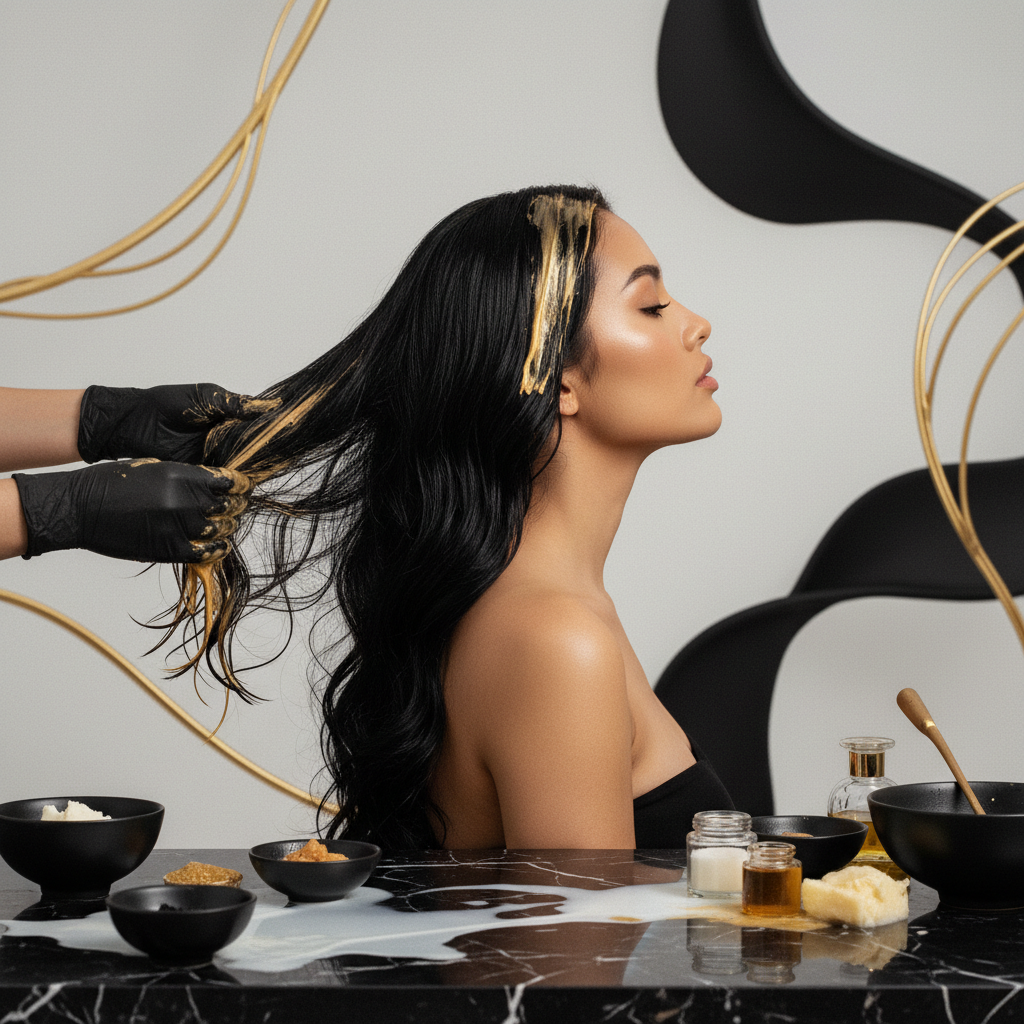
Quick answer: Nourishing Hair Masks are intensive conditioning treatments that deliver concentrated ingredients to the hair fibre and scalp, aiming to improve hydration, strength, and overall hair condition. They work by penetrating the hair shaft more deeply than regular conditioners, helping to repair damage, reduce breakage, and enhance shine. While they can significantly improve the cosmetic appearance and feel of hair, they cannot alter hair growth patterns or treat underlying medical conditions causing hair loss or shedding.
Key takeaways
- Nourishing hair masks are treatments designed to deliver a high concentration of beneficial ingredients to the hair and scalp.
- They typically work by coating the hair cuticle and sometimes penetrating deeper into the cortex, providing intense hydration and nourishment.
- Regular use can help improve hair's elasticity, reduce breakage, enhance shine, and make hair feel softer and smoother.
- The effectiveness of a hair mask depends on its ingredients, how it's used, and the specific needs of your hair type.
- While highly effective for cosmetic improvement, they do not treat medical conditions like alopecia or significantly impact the hair growth cycle.
Nourishing Hair Masks: what the evidence shows
Nourishing Hair Masks are widely recognised for their ability to improve hair's cosmetic appearance and feel. Unlike daily conditioners, which primarily offer surface-level conditioning, hair masks are formulated with higher concentrations of active ingredients, often left on for a longer duration to allow for deeper penetration and more profound effects. The benefits observed include enhanced moisturisation, increased tensile strength, reduced friction between hair strands, and a smoother cuticle, all contributing to less breakage and a healthier-looking mane.
Research into hair care often focuses on the interaction between products and the hair fibre. Studies have shown that ingredients common in hair masks, such as certain oils, proteins, and humectants, can bind to the hair shaft. For instance, some plant-derived oils, like coconut oil, have been shown to penetrate the hair shaft, reducing protein loss for both undamaged and damaged hair when used as a pre-wash or post-wash treatment. Proteins, such as hydrolysed wheat or keratin, can temporarily patch up cuticle damage, leading to a smoother feel and reduced vulnerability to environmental stressors.
The improvement in hair condition from Nourishing Hair Masks is primarily cosmetic and structural. They strengthen the hair fibre from the outside in, making it more resilient to physical styling and environmental damage. This can lead to a noticeable reduction in hair breakage, which is often mistaken for hair loss. The thicker, richer consistency of masks often means they contain more emollients and occlusives, which seal moisture into the hair, providing long-lasting hydration.
The mechanism: how Nourishing Hair Masks work
Nourishing Hair Masks work through a combination of mechanisms, largely dependent on their specific ingredients. Generally, they aim to:
- Hydrate and moisturise: Humectants (like glycerine and hyaluronic acid) draw water into the hair, while emollients (like fatty alcohols, natural oils, and butters) soften and smooth the hair. Occlusives (such as silicones or certain waxes) form a protective barrier on the hair surface, sealing in moisture and preventing water loss.
- Strengthen: Hydrolysed proteins (e.g., keratin, wheat, soy) can temporarily fill gaps and weak spots in the hair cuticle, improving its integrity and making it more resistant to breakage. They don