Moisture and Hair Hydration: Essential for Healthy Hair
10 min read ·
Moisture and Hair Hydration refers to the water content within the hair shaft, crucial for maintaining elasticity, strength, and appearance.
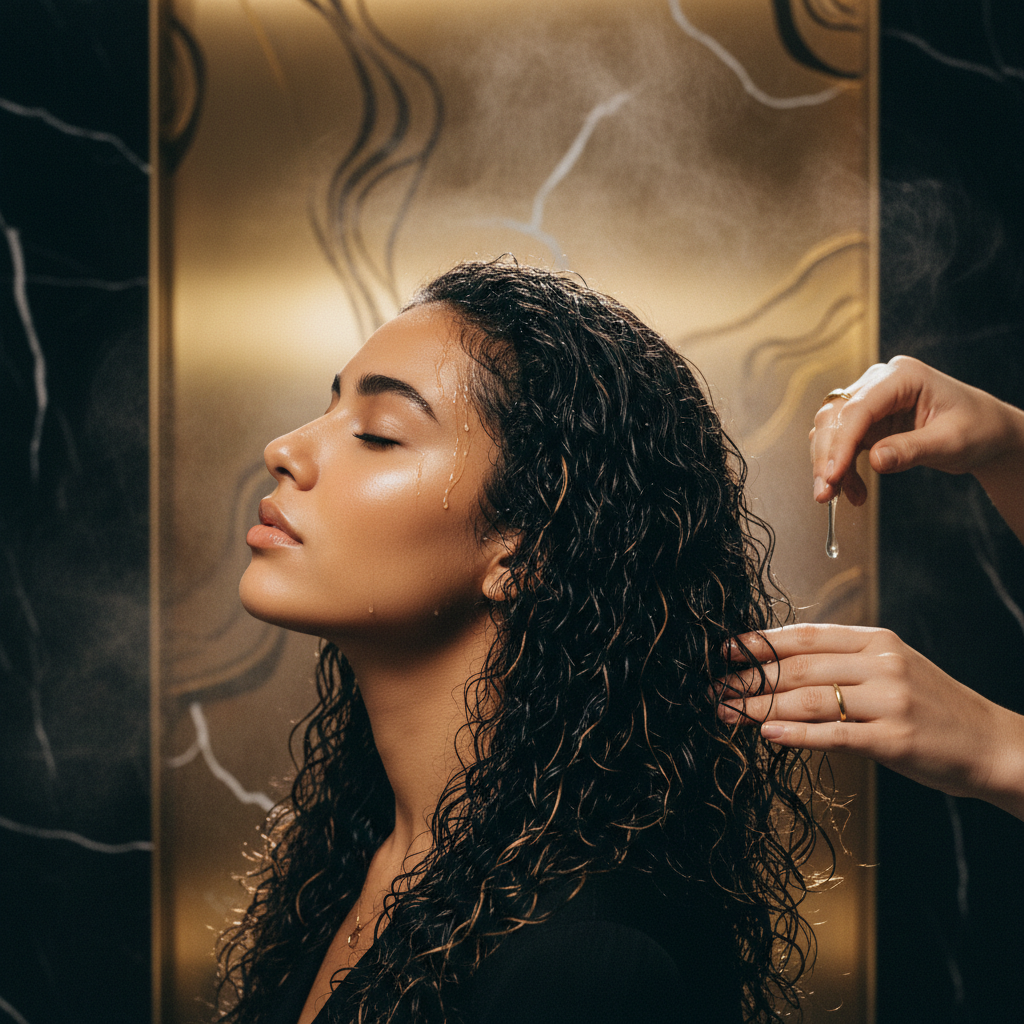
Quick answer: Moisture and Hair Hydration describes the presence of water within the hair's structure, primarily its cortex, which is fundamental for maintaining the hair's elasticity, strength, and healthy appearance. Adequate hydration helps hair remain pliable, soft, and more resistant to damage from environmental factors and styling. Its effectiveness, however, is significantly influenced by individual hair characteristics like porosity.
Key takeaways
- Moisture, primarily water, is vital for hair health, contributing to elasticity, strength, and softness.
- Hair porosity dictates how well hair absorbs and retains moisture, influencing product choice and care routines.
- Humectants attract water, emollients smooth the hair, and occlusives seal in moisture, each playing a role in hydration.
- Signs of insufficient Moisture and Hair Hydration include dryness, brittleness, dullness, and frizz.
- Gentle cleansing, regular conditioning, and heat protection are crucial for maintaining optimal hair moisture.
- Diet and sufficient water intake indirectly support overall hair and scalp health, aiding hydration from within.
Moisture and Hair Hydration: what the evidence shows
Moisture and Hair Hydration refers to the water content within the hair fibre. This water is primarily found in the cortex, the innermost layer of the hair, and is essential for its structural integrity and mechanical properties. Hair that is well-hydrated is more elastic, meaning it can stretch and return to its original state without breaking, and feels softer and smoother.
The cuticle, the outermost protective layer of the hair, plays a crucial role in regulating moisture. When the cuticle layers are smooth and lie flat, they can effectively trap water inside the hair shaft and protect it from environmental stressors. Damage to the cuticle, from factors like chemical treatments or excessive heat, can lead to increased porosity, making it harder for hair to retain moisture.
The mechanism of hair hydration
Hair absorbs water through the cuticle and into the cortex. This process is influenced by the hair's protein structure, particularly the keratin, which has a natural affinity for water. The water molecules bond with the proteins within the hair, allowing the fibre to become more flexible and less prone to breakage. When hair loses this internal water, it becomes stiff, brittle, and susceptible to damage.
Cosmetic products assist Moisture and Hair Hydration through different mechanisms:
- Humectants: These ingredients, such as glycerin or panthenol, attract water from the atmosphere and pull it into the hair shaft. They are most effective in environments with moderate to high humidity.
- Emollients: Ingredients like fatty alcohols or natural oils help to smooth the hair's surface by filling in gaps in the cuticle, creating a softer feel and improving light reflection for shine.
- Occlusives: Substances like heavier oils or butters form a protective barrier on the hair surface, sealing in the water that has been absorbed and preventing its escape into the environment. This is especially important for hair with high porosity.
Maintaining the hair's natural lipid barrier, which includes ceramides and fatty acids, is also vital for preventing water loss. These lipids act as a natural sealant, helping the cuticle to lie flat and reduce evaporation.
What the evidence does not show
While external products can significantly improve the cosmetic feel and appearance of hair by enhancing Moisture and Hair Hydration, they do not inherently change the hair's internal structure permanently. The effects of most hydrating products are temporary and require consistent application. There is also currently insufficient evidence to suggest that specific cosmetic ingredients can "repair" severely damaged hair in a way that fully restores its original, healthy state. Instead, they provide cosmetic improvements, protect against further damage, and make the hair feel stronger and more pliable.
Signs of insufficient Moisture and Hair Hydration
When hair lacks adequate water content, it exhibits several common characteristics:
- Dryness: The hair feels rough, coarse, or straw-like to the touch.
- Brittleness: Hair becomes stiff and can snap easily, leading to hair breakage rather than shedding from the follicle.
- Dullness: Hair loses its natural lustre and appears lifeless, as its rough surface scatters light instead of reflecting it smoothly.
- Frizz: The cuticle layers are raised, allowing atmospheric moisture to penetrate unevenly, causing the hair shaft to swell and appear unruly. See also:
[Dealing with Frizzy Hair](/article/dealing-frizzy-hair)and[How to Reduce Frizz in Hair](/article/reduce-hair-frizz). - Lack of Elasticity: The hair does not stretch well when wet or dry; instead of stretching and returning to its shape, it breaks. This is a key indicator of internal dehydration.
- Tangling: Dry, rough cuticles can catch on each other, leading to increased knotting and tangling.
What you can do to support Moisture and Hair Hydration
Effective Moisture and Hair Hydration involves a consistent routine tailored to your hair type and porosity. Here are some strategies:
- Gentle Cleansing: Opt for sulfate-free shampoos, which cleanse without stripping the hair's natural oils and moisture. Over-washing can also deplete natural oils; consider washing less frequently if your hair feels consistently dry. For very dry or coily hair, co-washing (using a conditioner to cleanse) can be beneficial. See also:
[Sulfate-Free Shampoo Benefits](/article/sulfate-free-shampoo-benefits)and[The Benefits of Sulfate-Free Hair Products](/article/sulfate-free-benefits). - Regular Conditioning: Always follow shampoo with a rinse-out conditioner to detangle, smooth the cuticle, and replenish moisture.
Choosing the Right Hair Conditioneris important. - Leave-in Conditioners: These provide continuous hydration and protection throughout the day, particularly useful for porous or dry hair.
- Deep Conditioning Treatments: Weekly or bi-weekly deep conditioners or hair masks deliver concentrated hydrating ingredients that penetrate deeper into the hair shaft for intense moisture. These can be especially beneficial for hair prone to dryness or damage.
- Seal in Moisture: After applying water-based products, use a hair oil or butter to create a barrier that locks in hydration and prevents water loss, especially important for high porosity hair or afro-textured hair. See also:
Moisturizing Afro-Textured HairandHow to Stop Afro Hair from Feeling Dry. - Heat Protection: Excessive heat from styling tools can rapidly evaporate moisture from the hair. Always use a heat protectant spray or cream before applying heat. See
Heat Styling Safety Best PracticesandHeat Styling: Understanding Its Effects and How to Protect Your Hair. - Environmental Protection: Protect your hair from harsh sun, wind, and extremely dry air using scarves, hats, or protective styles. Chlorine and saltwater can also strip moisture; rinse hair before and after swimming.
- Internal Hydration and Nutrition: While external care is paramount, drinking adequate water and consuming a balanced diet rich in essential fatty acids (omega-3s), vitamins (especially B vitamins, A, C, E), and minerals (iron, zinc) indirectly supports overall hair and scalp health. These nutrients contribute to healthy sebum production and the formation of strong hair fibres.
When the cause may be something else
If you consistently struggle with dry, brittle hair despite following a diligent hydrating routine, other factors might be at play:
- Hard Water: Water with high mineral content can build up on hair, making it feel dry and rough, and preventing moisture from penetrating effectively. See
Hard Water and Hair Damage: Understanding the Impact on Your Hair. - Chemical Treatments: Repeated colouring, perms, relaxers, or keratin treatments can alter the hair's structure, increasing porosity and making it difficult to retain moisture. See
Chemical Hair Treatments: What They Are and How They Affect Hair. - Medical Conditions: Certain medical conditions, nutritional deficiencies, or medications can impact hair health, leading to dryness or texture changes. Thyroid disorders, for example, can manifest as dry, brittle hair.
When to get professional advice
If you've tried various hydrating routines and your hair remains persistently dry, brittle, or shows signs of significant damage, it's advisable to consult a trichologist or dermatologist. They can help identify underlying medical causes, analyse your hair's condition (e.g., porosity, damage level), and recommend a tailored treatment plan or products. A professional can also distinguish between hair breakage due to dryness and hair shedding or hair loss conditions like alopecia, which require different approaches.
Common Ingredients for Moisture and Hair Hydration
| Ingredient Type | Function in Hair | Examples | Hair Types Benefiting Most |
|---|---|---|---|
| Humectants | Attract and draw moisture from the air into the hair. | Glycerin, Propylene Glycol, Panthenol (Provitamin B5), Hyaluronic Acid | All, especially dry or low humidity environments |
| Emollients | Smooth and soften the hair's surface, filling gaps in the cuticle. | Fatty alcohols (Cetearyl Alcohol), Shea Butter, Jojoba Oil, Argan Oil | All, especially coarse, frizzy, or damaged hair |
| Occlusives | Form a protective barrier to seal in moisture and reduce evaporation. | Mineral Oil, Petrolatum, heavier Silicones (Dimethicone), heavy Plant Oils (Castor Oil), Butters (Shea Butter) | Dry, high porosity, or afro-textured hair |
| Hydrolysed Proteins | Temporarily strengthen and repair damaged areas, can also hold some moisture. | Hydrolysed Wheat Protein, Keratin, Silk Protein | Damaged, fine, or chemically treated hair |
Frequently asked questions about Moisture and Hair Hydration
How does hair porosity affect Moisture and Hair Hydration?
Hair porosity refers to the hair's ability to absorb and retain moisture, dictated by the state of its cuticle. Low porosity hair has tightly closed cuticles, making it hard for moisture to penetrate but easy to retain once absorbed. High porosity hair has raised or damaged cuticles, allowing easy absorption but also rapid moisture loss. Understanding your porosity helps you select appropriate products and techniques to effectively manage Moisture and Hair Hydration.
Can drinking more water hydrate my hair directly?
While drinking adequate water is crucial for overall bodily health, including the health of your scalp and hair follicles, its direct impact on the moisture level of the hair shaft itself is limited. The hair fibre is not directly connected to the body's circulatory system in the same way skin is. Hydration of the hair shaft primarily relies on external factors like conditioners and humectants, which draw water into the hair. However, good internal hydration supports healthy hair growth from the scalp.
Is "moisturised hair" the same as "hydrated hair"?
The terms "moisturised" and "hydrated" are often used interchangeably in haircare, but there's a subtle distinction. "Hydration" specifically refers to the absorption of water into the hair shaft, making it pliable and elastic. "Moisturisation" is a broader term that encompasses both hydrating (adding water) and sealing (preventing water loss) to keep the hair soft and smooth. Essentially, all hydrated hair is moisturised, but moisturised hair isn't always deeply hydrated; it might just have oils sealing its surface.
Why does my hair still feel dry after conditioning?
Several factors could lead to persistent dryness. Your hair might have high porosity, meaning it absorbs moisture easily but loses it quickly. Ensure you're sealing in moisture with an oil or butter after conditioning. The conditioner itself might not be rich enough for your hair type, or you might be using too much heat styling without adequate protection. Hard water can also create a barrier, preventing conditioners from working effectively. Consider a deep conditioning treatment or a clarifying wash to remove build-up.
Can hair products cause dryness?
Yes, certain hair products can contribute to dryness. Shampoos with harsh sulfates can strip the hair of its natural oils. Products containing high levels of drying alcohols (like ethanol or isopropyl alcohol) can evaporate moisture. Also, relying solely on products that contain heavy silicones without proper cleansing can lead to product build-up, which may prevent moisture from penetrating the hair shaft over time. Using products formulated for the wrong hair type can also be counterproductive.
Watermans and Frojus for Moisture and Hair Hydration
At Watermans, we understand the critical role Moisture and Hair Hydration plays in maintaining healthy, strong hair. Our formulations are developed with ingredients chosen to support optimal hair moisture balance, helping to combat dryness and improve hair's overall appearance. For afro, curly or wavy hair, our sister brand Frojus offers targeted solutions for moisture retention.
Find these ingredients in Watermans and Frojus products
- Panthenol (Provitamin B5): A powerful humectant and emollient, Panthenol draws moisture into the hair, enhancing elasticity and smoothness. You'll find this ingredient in our GrowMe® range, designed to support healthy hair.
- Shea Butter: A rich emollient and occlusive, Shea Butter helps to seal in moisture, smooth the hair cuticle, and provide a protective barrier against moisture loss. This nourishing ingredient is featured in Frojus conditioners, specifically formulated for afro, curly, and wavy hair.
- Argan Oil: Known for its emollient properties, Argan Oil helps to moisturise, soften, and add shine to hair without feeling heavy. It is a key ingredient in Watermans Elixir, providing hydration and frizz control.
Sources and references
- British Association of Dermatologists (BAD), www.bad.org.uk
- Dermatology Times, "Understanding Hair Porosity: A Key to Healthy Hair", 2021
- Journal of Cosmetic Science, "Water in hair: its content, interactions, and function", 2013
- National Institutes of Health (NIH), PubMed, www.ncbi.nlm.nih.gov/pubmed
- The International Journal of Trichology, "Hair Cosmetics: An Overview", 2015
- University of California, San Francisco (UCSF) Health, "Hair Loss", www.ucsfhealth.org
Find these ingredients in Watermans products
- Argan Oil: you will find this ingredient in our Hair Growth Shampoo.
- Zinc: you will find this ingredient in our Hair Vitamins.
- Shea Butter: you will find this ingredient in our Curly Hair Conditioner.