Managing Sensitive Scalp: Clinical Causes, Symptoms, and Daily Care
8 min read ·
Discover evidence-based strategies for managing sensitive scalp. Learn how to soothe irritation, protect the skin barrier, and restore everyday comfort.
Quick answer: Successfully managing sensitive scalp requires repairing an impaired epidermal skin barrier and calming hyper-reactive sensory nerve endings. Sensitive scalp is characterised by subjective discomfort such as itching, burning, tingling, or tightness, frequently without visible erythema or flaking. Resolution involves switching to mild, pH-balanced (pH 4.5 to 5.5) cleansers, avoiding harsh surfactants, fragrances, and extreme wash temperatures, and reinforcing scalp lipid levels. However, cosmetic adjustments cannot cure chronic dermatological disorders like psoriasis or seborrhoeic dermatitis, which require targeted medical intervention.
Key takeaways
- Scalp sensitivity is defined as a neurosensory condition involving epidermal barrier breakdown and hyper-responsive cutaneous nerve fibres (C-fibres).
- Symptoms are primarily subjective: burning, prickling, tightness, and itching often occur without prominent redness or visible inflammation.
- Common triggers include alkaline shampoos, synthetic fragrances, sulphates, thermal stress, hard water minerals, and environmental pollutants.
- Restoring the scalp skin barrier demands cleansers formulated within a physiological pH range of 4.5 to 5.5 alongside barrier-replenishing lipids.
- Persistent tenderness accompanied by severe scaling, pustules, or patchy hair shedding signals an underlying medical condition requiring professional dermatological evaluation.
Managing Sensitive Scalp: what the evidence shows
Managing sensitive scalp effectively begins with understanding its clinical prevalence and physiological basis. Observational studies published in the International Journal of Trichology and the British Journal of Dermatology report that between 32% and 44% of individuals experience scalp sensitivity. While the rest of the facial skin frequently exhibits visible erythema when irritated, the scalp often displays intense sensory symptoms with completely normal surface morphology.
Clinical trials demonstrate that sensitive scalp is largely an altered neurosensory phenomenon linked to cutaneous barrier dysfunction. When the stratum corneum thins or loses its intercellular lipid matrix (composed of ceramides, cholesterol, and free fatty acids), external irritants penetrate more freely. This penetration provokes the release of pro-inflammatory cytokines like interleukin-1 alpha (IL-1α) and stimulates unmyelinated C-nerve fibres located near the dermo-epidermal junction. These nerve endings release neuropeptides such as substance P and calcitonin gene-related peptide (CGRP), transmitting sensations of burning, stinging, or generalised pain to the central nervous system.
Research also confirms that daily habits significantly modulate this sensitivity. Frequent use of high-pH alkaline soaps (pH > 6.5) swells the hair cuticle and degrades the scalp's natural acid mantle, driving transepidermal water loss (TEWL). Lowering cleansing product pH to match the physiological scalp surface (pH 4.5 to 5.5) measurably calms sensory irritation and preserves the microbiome balance.
What the evidence does not show
Controlled research does not support several persistent assumptions surrounding sensitive scalp care:
- Natural ingredients are inherently safer: Botanical extracts, essential oils (such as tea tree, peppermint, or citrus oils), and raw plant pastes are leading culprits behind contact allergy and scalp dermatitis. Being plant-derived does not lower neurosensory reactivity.
- Sensitive scalp causes follicular hair loss: Sensory scalp discomfort does not cause androgenetic alopecia or cicatricial alopecia. While chronic, aggressive scratching can cause mechanical traction or breakage, sensitive scalp itself does not damage the dermal papilla.
- Infrequent washing resolves sensitivity: Avoiding cleansing allows sebum, sweat, particulate matter, and commensal yeast (Malassezia) to accumulate. The breakdown of sebum into free fatty acids by yeast actually aggravates barrier disruption and inflames sensory nerves.
Mechanisms: why the scalp becomes reactive
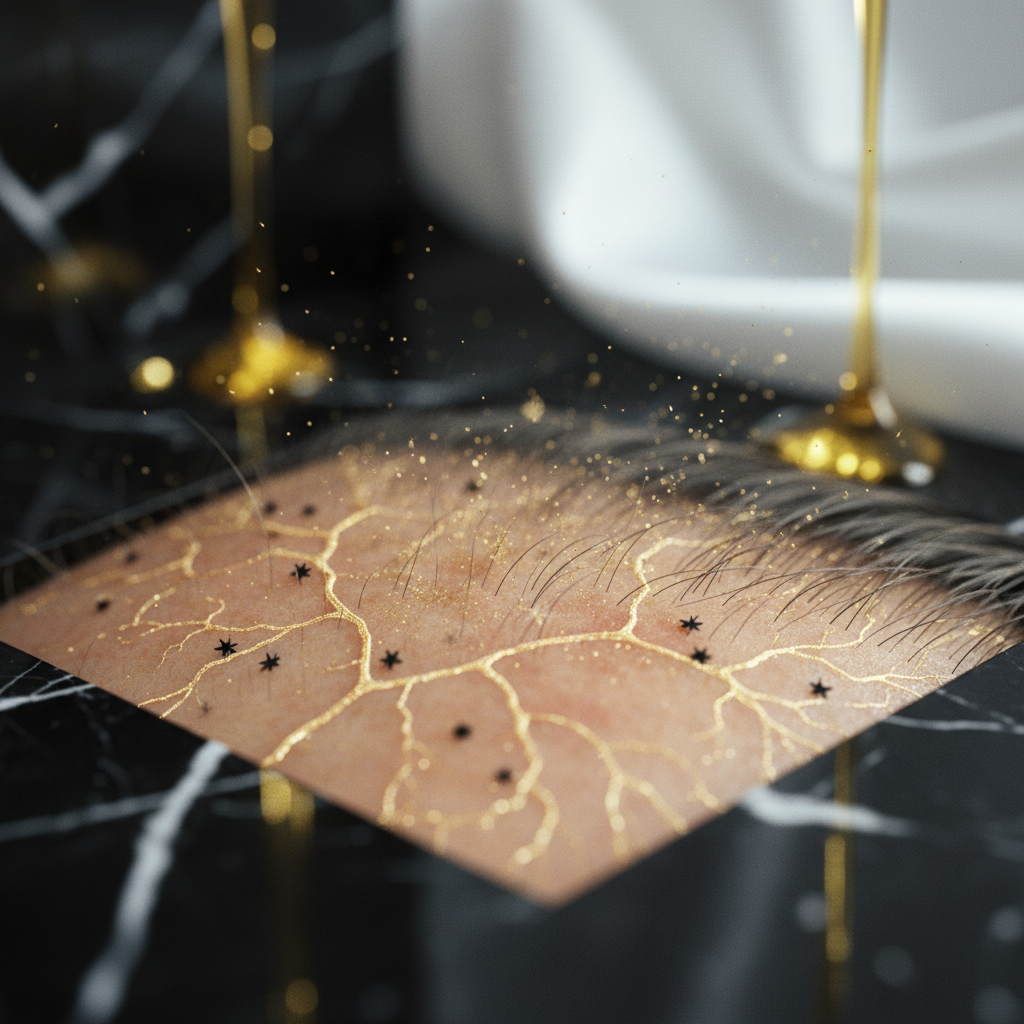
The scalp possesses a unique anatomical profile compared to other skin sites. It contains approximately 100,000 hair follicles, an extensive capillary network, and the highest concentration of sebaceous glands on the human body. This rich environment creates specific pathways for sensitivity.
External Triggers (Detergents, Heat, Fragrance)
 │
 ▼
 Stratum Corneum Breakdown
 (Depleted ceramides + elevated TEWL)
 │
 ▼
 Increased Permeability
 (Irritants reach living epidermal layers)
 │
 ▼
 Sensory Nerve Hyper-Reactivity
(TRPV1 activation -> Substance P release)
 │
 ▼
Perceived Itching, Burning, Stinging, and Tightness
The primary mechanism involves the transient receptor potential vanilloid-1 (TRPV1) receptor. Expressed on sensory neurons and keratinocytes, TRPV1 acts as a sensor for heat, chemical irritants, and osmotic shifts. In sensitive scalps, TRPV1 receptors are often upregulated or hyperexcitable. Once stimulated, they trigger the sensations of pruritus (itching) and trichodynia (scalp pain or tenderness).
Concurrently, barrier disruption increases transepidermal water loss. In healthy scalp tissue, a robust lipid barrier prevents hydration loss and blocks irritant entry. When harsh anionic surfactants or high heat strip these lipids, the barrier breaks down, creating a continuous loop of dehydration and nerve stimulation.
Signs and symptoms: sensitive scalp vs other conditions
Differentiating between neurosensory sensitivity and formal dermatological disorders ensures correct care.
| Feature | Sensitive Scalp | Seborrhoeic Dermatitis | Scalp Psoriasis | Contact Dermatitis |
|---|---|---|---|---|
| Primary Sensation | Stinging, burning, tightness, light itching | Moderate to intense itching | Soreness, tightness, persistent itch | Intense burning, acute itching |
| Visible Redness | Absent or very faint | Distinct greasy, yellowish erythema | Well-defined red plaques | Bright, patchy erythema |
| Flaking Type | Minimal or fine dry flakes | Oily, yellowish, adherent flakes | Thick, silvery-white adherent scales | Swelling, occasional micro-blisters |
| Trigger Factors | Cleansers, heat, styling, stress | Malassezia overgrowth, sebum shifts | Autoimmune dysfunction, stress | Specific allergen or chemical contact |
| Primary Management | Gentle, pH-balanced care, barrier lipids | Antifungals (e.g. ketoconazole), zinc | Keratolytics, prescribed corticosteroids | Patch testing, complete trigger removal |
Practical protocol for managing sensitive scalp
A methodical regimen reduces irritant load while restoring cutaneous resilience.
1. Re-evaluate cleansing practices
- Wash hair with water between 36°C and 38°C. Water above 40°C strips structural lipids and excites TRPV1 receptors.
- Use shampoos formulated within the physiological pH range of 4.5 to 5.5 to safeguard the enzymatic processes that maintain the acid mantle.
- Avoid cleansers containing aggressive primary surfactants such as sodium lauryl sulphate (SLS). Seek milder amphoteric or non-ionic alternatives like cocamidopropyl betaine, sodium cocoyl isethionate, or decyl glucoside.
2. Streamline topical formulations
- Pause leave-in styling products containing high concentrations of denatured alcohol, which rapidly evaporates while drying out the scalp.
- Avoid fragranced sprays, chemical styling aerosols, and dry shampoos that leave powdery residues against the follicular ostia.
- Eliminate concentrated leave-on essential oils until the skin barrier stabilises.
3. Support the cutaneous barrier
- Look for topical scalp serums containing physiological lipids (ceramides, phytosterols), panthenol (provitamin B5), allantoin, or niacinamide to encourage barrier repair and soothe nerve pathways.
- Protect the scalp from extreme UV exposure using hats made of breathable, natural fibres, as solar radiation directly provokes inflammatory cytokines in the scalp epidermis.
When the cause is something else
Sensory scalp issues do not always stem solely from surface barrier deficits. Several systemic and physiological conditions present with similar sensations:
- Trichodynia: Often described as pain or stinging at the hair roots, trichodynia frequently co-occurs with acute hair shedding (telogen effluvium) or emotional distress. It is thought to stem from neurogenic inflammation around hair follicles rather than simple product intolerance.
- Neuropathic pruritus: Nerve compression in the cervical spine can radiate upward, creating localised patches of persistent itching or numbness across the occipital or parietal zones of the scalp (notalgia paraesthetica or scalp dysaesthesia).
- Nutritional deficiencies: Inadequate levels of ferritin, vitamin D3, or zinc can weaken epidermal renewal, making skin tissue vulnerable to standard mechanical stress.
When to seek professional advice
Consult a GP, dermatologist, or qualified trichologist if you encounter:
- Rapid, diffuse hair shedding alongside tenderness.
- Crusts, pustules, weeping fluid, or bleeding.
- Thick, silver-white plaques that resist over-the-counter care.
- Persistent swelling or swelling around the lymph nodes behind the ears or at the base of the skull.
- Symptoms that fail to improve after 3 to 4 weeks of consistent, gentle, non-irritating care.
Thoughtful formulation: Watermans
When managing sensitive scalp, daily routine products must be chosen with barrier preservation in mind. Watermans focuses on balanced formulations developed to support general scalp condition and foster strong-feeling hair. Watermans GrowMe Shampoo is formulated without harsh, stripping sulphates, relying on gentle cleansing agents that preserve the natural acid mantle rather than drying the epidermal surface. By blending vital nutrients, rosemary, and caffeine in a balanced base, it supports a revitalised, healthy-looking scalp environment without subjecting sensitive skin to aggressive cleansers.
Summary for managing sensitive scalp
Successfully managing sensitive scalp is a process of systematic elimination and steady barrier restoration. By prioritising pH-balanced formulas, lowering thermal stress, and eliminating unnecessary chemical irritants, you give the scalp's delicate barrier the opportunity to recover. When the stratum corneum is intact, sensory nerve endings settle, leaving the scalp calm, comfortable, and well-equipped to support resilient, healthy hair growth.
Frequently asked questions about Managing Sensitive Scalp
How often should I wash my hair when managing sensitive scalp?
Wash every 2 to 3 days using a gentle, pH-balanced cleanser. Washing daily with harsh detergents can strip protective surface lipids, whereas leaving the scalp unwashed for longer than 3 to 4 days permits sebum, sweat, and environmental residue to collect. This buildup irritates hyper-reactive nerve endings and fuels commensal microbes that trigger inflammation.
Does cold water help soothe a sensitive scalp?
Lukewarm water (around 36°C to 38°C) is best. While cold water does not strip natural oils, freezing cold rinses cause abrupt vasoconstriction and can be uncomfortable. Extremely hot water is the true culprit, as it degrades epidermal lipids, accelerates transepidermal water loss, and directly triggers TRPV1 thermal receptors, increasing burning and itchiness.
Can hair dye trigger sensitive scalp symptoms?
Yes. Permanent hair dyes rely on alkalising agents (such as ammonia or ethanolamine) to swell the hair cuticle, along with oxidative developers like hydrogen peroxide. These chemicals severely disrupt the scalp's acid mantle and can irritate nerve endings. Paraphenylenediamine (PPD) is also a recognised contact allergen. Always conduct an epidermal patch test 48 hours prior to any chemical colour service.
Is an itchy scalp always a sign of a sensitive scalp?
Not necessarily. Pruritus (itching) can stem from numerous distinct causes, including seborrhoeic dermatitis, contact allergy, scalp ringworm (tinea capitis), head lice, or psoriasis. Sensitive scalp is defined by discomfort occurring primarily in the absence of obvious primary skin lesions or severe flaking. If intense itching persists alongside scaling or inflammation, consult a medical professional for an accurate diagnosis.
Sources and references
- Misery, L., et al. (2011). 'Sensitive scalp: does this condition exist? An epidemiological approach.' Experimental Dermatology, 20(2), pp. 115 to 118.
- Saint-Martory, C., et al. (2008). 'Sensitive skin, sensitive scalp: an epidemiological study.' Journal of the European Academy of Dermatology and Venereology, 22(8), pp. 1024 to 1027.
- British Association of Dermatologists. (2020). 'Contact Dermatitis: an overview and diagnostic guidance.' BAD Clinical Guidelines.
- Gavazzoni Dias, M. F., et al. (2014). 'The Shampoo pH can Affect the Hair: Myth or Reality?' International Journal of Trichology, 6(3), pp. 95 to 99.
- Draelos, Z. D. (2010). 'Essentials of Hair Care often Neglected: Hair Cleansing.' International Journal of Trichology, 2(1), pp. 24 to 29.
Find these ingredients in Watermans products
- Zinc: you will find this ingredient in our Hair Vitamins.
- Niacinamide: you will find this ingredient in our Hair Mask.
- Panthenol (Provitamin B5): you will find this ingredient in our Heat Protection Spray.