Managing Scalp Inflammation: Evidence-Based Causes, Treatments, and Follicle Care
8 min read ·
Managing Scalp Inflammation requires barrier repair, pH-balanced care, and targeted actives. Learn evidence-backed methods to soothe irritation and protect follicles.
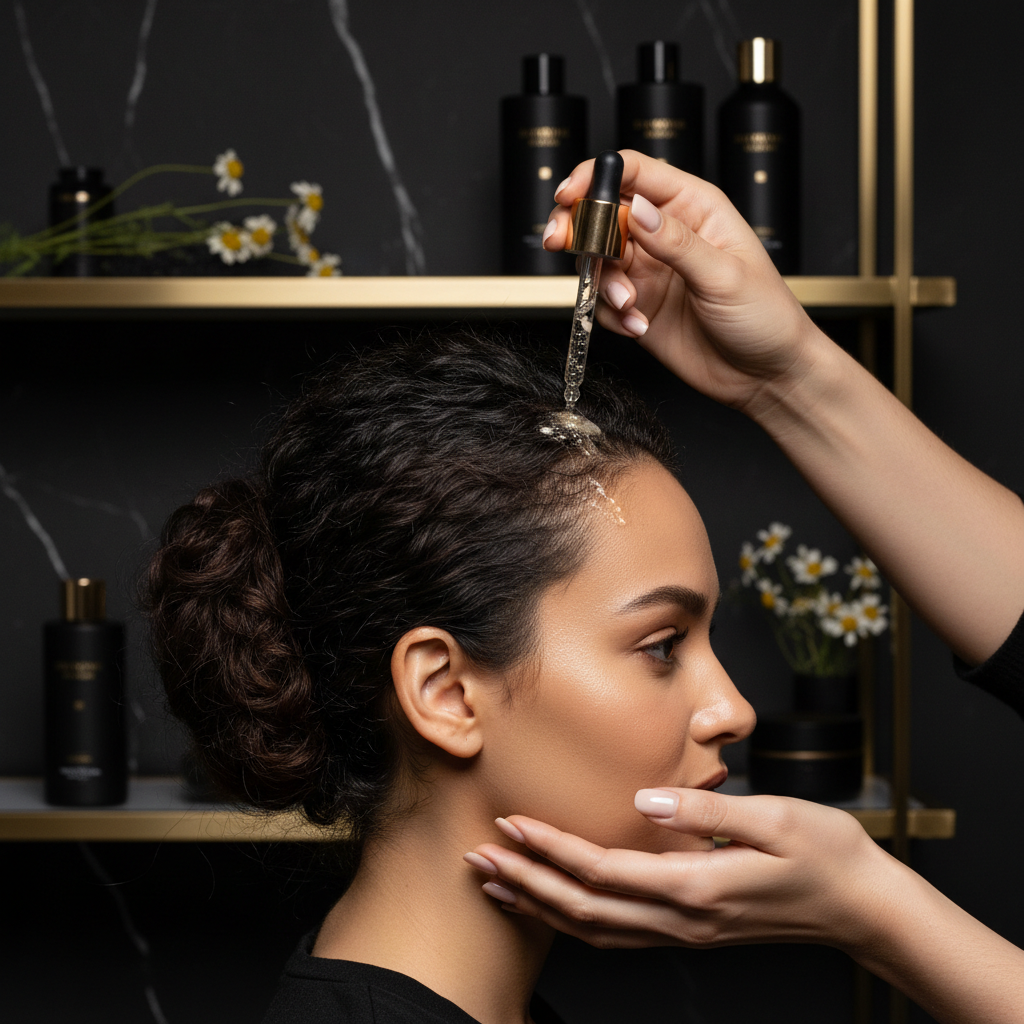
Quick answer: Managing Scalp Inflammation requires identifying the underlying trigger, calming immune overactivity, and restoring the epidermal barrier. Mild cases linked to sebum build-up or microbial imbalance often respond well to targeted topical cleansers and anti-inflammatory botanicals. However, managing scalp inflammation has clear limitations: cosmetic and over-the-counter routines cannot resolve chronic autoimmune conditions such as scalp psoriasis or scarring alopecias on their own. Severe, persistent redness, pustules, or hair shedding require clinical diagnosis and medical intervention from a doctor or trichologist.
Key takeaways
- Scalp inflammation stems from diverse triggers, including microbial overgrowth (Malassezia), contact dermatitis, autoimmune activity, and mechanical irritation.
- Unchecked inflammation damages follicular integrity, which can trigger diffuse telogen shedding or, in severe scarring conditions, permanent follicle loss.
- Managing Scalp Inflammation relies on regulating sebum, supporting the acid mantle (ideal scalp pH sits between 4.5 and 5.5), and eliminating irritants.
- Over-the-counter botanical actives and clarifying cleansers provide symptomatic comfort for mild flaking and redness, but they do not cure medical skin conditions.
- Persistent tenderness, crusting, burning, or sudden hair loss warrants an immediate evaluation by a dermatologist.
Managing Scalp Inflammation: what the evidence shows
Managing Scalp Inflammation effectively begins with understanding that inflammation is a biological defence mechanism gone into overdrive. The scalp possesses a dense network of blood vessels, sebaceous glands, and hair follicles, making it uniquely reactive to internal and external stressors.
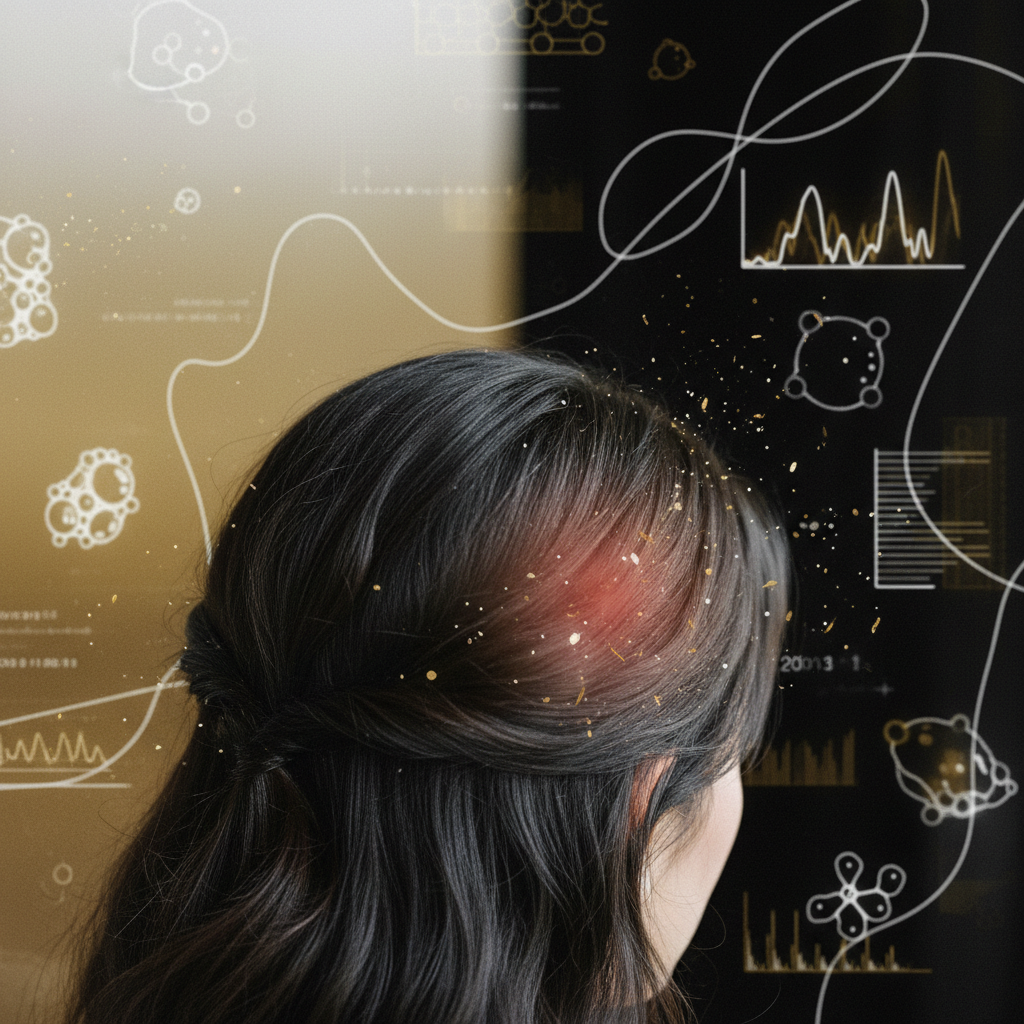
Dermatological research shows that chronic micro-inflammation around the hair follicle plays a pivotal role in various scalp disorders. In conditions like seborrhoeic dermatitis, the yeast-like fungus Malassezia restricta metabolises sebum into unsaturated fatty acids (specifically oleic acid). In susceptible individuals, these fatty acids breach the skin barrier, prompting keratinocytes to release pro-inflammatory cytokines such as interleukin-1 alpha (IL-1α) and interleukin-8 (IL-8). This cascade produces visible erythema (redness), scaling, and persistent pruritus (itching).
Clinical trials confirm that anti-fungal agents, mild keratolytic agents (such as salicylic acid), and topical anti-inflammatory ingredients reduce this cytokine load. By suppressing the chemical signals that summon inflammatory cells to the dermis, you relieve itching and allow the stratum corneum to repair itself.
What the evidence does not show
There is no scientific evidence that a single miracle product can cure all types of scalp irritation. Managing Scalp Inflammation does not mean applying heavy culinary oils, such as pure coconut or olive oil, directly to an inflamed scalp. In fact, research indicates that free fatty acids in certain oils can feed Malassezia species, worsening conditions like seborrhoeic dermatitis.
Furthermore, evidence does not support the idea that "detoxing" your scalp through abrasive physical scrubs resolves inflammatory cascades. Physical scrubbing often causes micro-tears in the delicate epidermal layer, worsening barrier compromise and driving inflammation deeper into the perifollicular tissue. Cosmetic washes also cannot reverse follicular scarring caused by autoimmune conditions like lichen planopilaris or frontal fibrosing alopecia.
Mechanisms: how inflammation disrupts hair growth
Inflammation attacks scalp health through vascular and cellular disruption. When pro-inflammatory cytokines flood the perifollicular zone, they trigger oxidative stress. This oxidative environment damages the delicate matrix cells within the hair bulb.
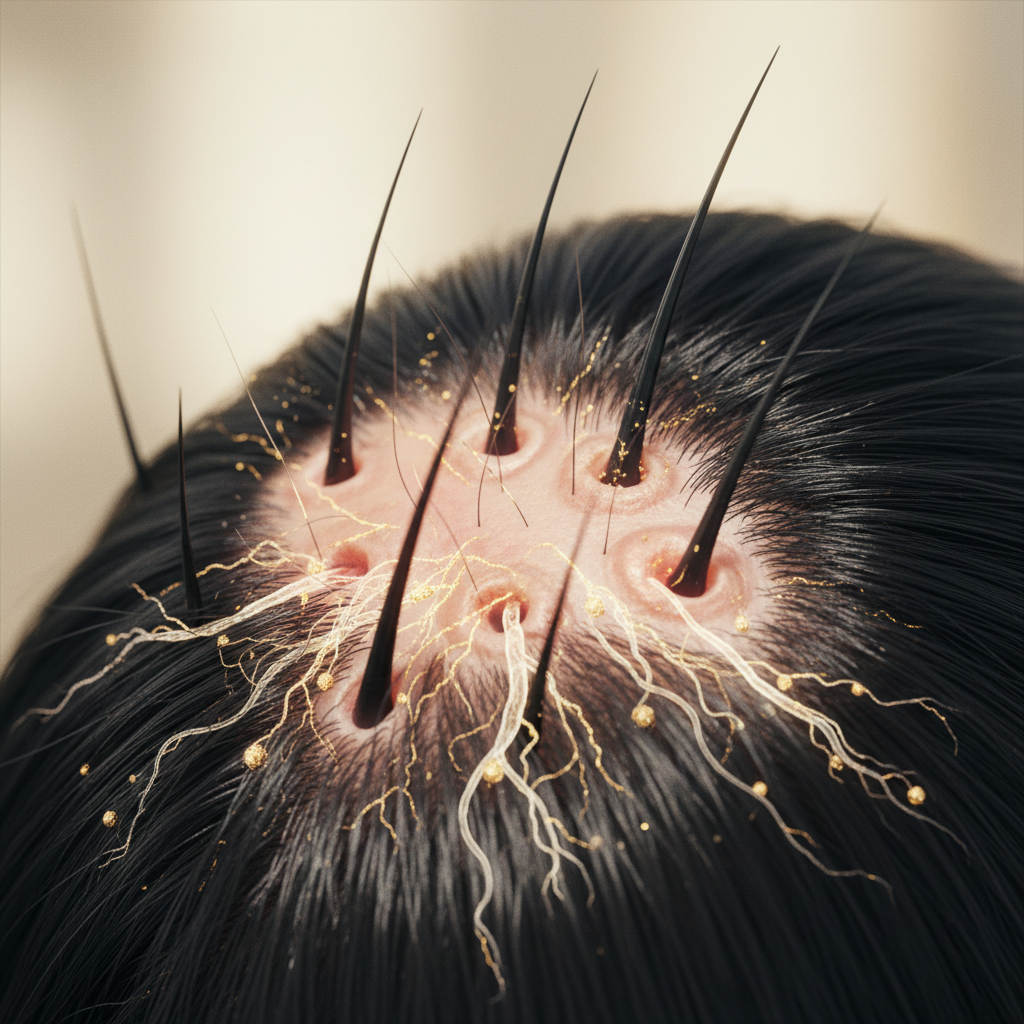
Under sustained inflammatory stress, hair follicles enter the catagen (regression) phase prematurely. The follicle transitions abruptly from active growth (anagen) to the resting phase (telogen), culminating in diffuse hair shedding roughly two to three months later.
In inflammatory scarring alopecias, the inflammation targets the bulge region of the follicle, where epithelial stem cells reside. If these stem cells are destroyed, the follicle loses its capacity to regenerate, replacing viable tissue with fibrous scar tissue. This is why calming inflammatory pathways promptly is crucial for preserving density.
Common scalp conditions: signs and triggers
To tailor your management strategy, you must distinguish between the common presentations of scalp irritation.
| Condition | Primary Symptoms | Common Triggers | Medical vs Cosmetic Care |
|---|---|---|---|
| Seborrhoeic Dermatitis | Greasy, yellowish flakes, red patches, moderate itching | Malassezia yeast overgrowth, excess sebum, stress | Medicated washes (ketoconazole, zinc pyrithione); clarifying care |
| Contact Dermatitis | Sudden burning, intense itch, localised redness, blistering | Hair dyes (PPD), fragrances, harsh surfactants, preservatives | Eliminate trigger; topical corticosteroids via GP |
| Scalp Psoriasis | Well-demarcated plaques, thick silvery-white scales, dry skin | Autoimmune dysfunction, physical trauma, genetic factors | Prescription topical steroids, vitamin D analogues, biologic therapies |
| Folliculitis | Small red bumps or pustules centered on hair follicles, tenderness | Bacterial (Staphylococcus) or fungal infection, friction, blocked pores | Antibacterial/antifungal washes; prescription antibiotics for severe cases |
| Dry Scalp / Barrier Breakdown | Fine white flakes, tight sensation, mild intermittent itch | Cold weather, over-washing, alkaline shampoos (pH > 6.0) | Gentle, pH-balanced hydration, barrier-repairing topicals |
What you can do: practical steps to soothe the scalp
Managing Scalp Inflammation requires a structured, gentle regimen designed to restore balance without stripping the skin.
1. Maintain an optimal scalp pH
The scalp barrier thrives in an acidic environment, typically between pH 4.5 and 5.5. Alkaline hair products disrupt this mantle, elevating skin pH and encouraging bacterial proliferation. Choose formulas buffered to this physiological range to preserve the acid mantle and keep the microbiome stable.
2. Cleanse regularly and deliberately
Leaving sebum to accumulate creates a reservoir of lipid food for opportunistic fungi. Wash your hair regularly using lukewarm water (around 37°C to 38°C). Hot water strips essential lipids and triggers rebound vasodilation, which increases redness and itching.
3. Incorporate evidence-backed soothing ingredients
Look for calming topical agents supported by dermatological literature:
- Niacinamide (Vitamin B3): Enhances epidermal ceramide synthesis and dampens inflammatory cytokine release.
- Allantoin: Promotes cell proliferation and soothes irritated tissue.
- Salicylic acid (0.5% to 2%): Provides gentle keratolytic action, breaking down thick scale so topical soothers can penetrate.
- Tea tree oil (diluted, low concentration): Offers natural antimicrobial action against Malassezia and Staphylococcus, provided you are not allergic to terpene compounds.
- Aloe vera: Rich in acemannan, providing cooling hydration and reducing tissue redness.
4. Minimise mechanical and chemical trauma
Avoid aggressive scratching with fingernails; use the soft pads of your fingers when cleansing. Pause chemical treatments, such as bleaching, permanent dyeing (especially with paraphenylenediamine, or PPD), and chemical relaxers, until all inflammatory symptoms have resolved completely.
Supporting the scalp with Watermans
When managing day-to-day scalp discomfort and maintaining an environment primed for healthy hair, product formulation matters. Watermans GrowMe Shampoo is formulated to wash away excessive sebum, dead skin cells, and surface pollutants without stripping the delicate epidermal barrier. By pairing gentle cleansing surfactants with targeted botanical ingredients like rosemary extract, allantoin, and biotin, it supports clean micro-circulation and soothes irritated roots. Used alongside balanced lifestyle practices, this regular hygiene step helps maintain a calm, refreshed scalp foundation suitable for optimal hair retention.
When the cause may be something else
Not all scalp irritation originates from simple product build-up or mild dandruff. If your scalp exhibits thick, adherent silvery plaques extending past the hairline, you may be dealing with scalp psoriasis. If you notice isolated patches of hair loss where the skin looks shiny, smooth, or lacks visible follicular openings (pores), this points toward a cicatricial (scarring) alopecia.
Similarly, severe burning sensations accompanied by tingling or pain without visible rash could represent trichodynia, a neuro-sensory issue often linked to stress, central nervous system sensitivity, or early telogen effluvium. Treating these presentations purely with surface cleansers will not resolve the root problem.
When to get professional advice
You should arrange a consultation with a GP, dermatologist, or qualified trichologist if you encounter any of the following red flags:
- Symptoms fail to improve after 2 to 3 weeks of gentle, targeted home care.
- Yellow crusting, oozing, or painful pustules develop (signs of secondary bacterial infection).
- Severe tenderness or persistent burning disrupts your sleep.
- You observe patches of sudden, unexplained hair loss or visible widening of your parting.
- The inflammation spreads to your face, ears, or neck.
Frequently asked questions about Managing Scalp Inflammation
Can diet help when managing scalp inflammation?
Diet plays a supportive role. Diets high in refined carbohydrates and saturated fats can alter sebum composition and promote systemic inflammation. Incorporating omega-3 fatty acids (from oily fish, flaxseed, and walnuts), zinc, and antioxidant-rich foods helps regulate inflammatory cascades. However, dietary adjustments support medical and topical care; they do not replace topical treatments for acute flare-ups.
How often should I wash my hair when managing scalp inflammation?
Wash frequency depends on your hair texture and sebum production, but most inflamed scalps benefit from washing every 1 to 2 days. Leaving the scalp unwashed allows sebum, yeast, and sweat to pool, worsening follicular inflammation. If your hair is dry or coily, focus a gentle cleanser directly on the scalp without roughly scrubbing the lengths.
Will managing scalp inflammation stop my hair from falling out?
Yes, if the hair loss is non-scarring shedding driven by inflammatory stress (such as telogen effluvium triggered by seborrhoeic dermatitis). Calming perifollicular inflammation protects the hair matrix and normalises the hair growth cycle. However, if hair loss is driven by androgenetic alopecia or autoimmune scarring diseases, anti-inflammatory care alone will not fully halt hair thinning.
Is apple cider vinegar effective for scalp inflammation?
Diluted apple cider vinegar (one part vinegar to four parts water) can help restore a healthy acidic pH and provide mild antimicrobial effects. However, raw or undiluted vinegar is highly acidic (pH 2 to 3) and can cause chemical burns, exacerbating tissue inflammation. Always patch test before applying home remedies to compromised skin.
Summary
Managing Scalp Inflammation requires an evidence-based approach focused on calming irritation, balancing the skin microbiome, and protecting the skin barrier. While simple lifestyle adjustments and gentle, pH-balanced cleansers work wonders for mild flaking and seasonal dryness, chronic or severe cases require targeted medical interventions. Listen to the signals your scalp sends: treat it with the same care and respect you give to the rest of your skin, and seek clinical guidance whenever symptoms persist.
Sources and references
- British Association of Dermatologists. Seborrhoeic Dermatitis Patient Information Leaflet. 2020.
- National Institute for Health and Care Excellence (NICE). Psoriasis: Assessment and Management (Clinical Guideline CG153). 2017.
- Borda, L.J. And Wikramanayake, T.C. Seborrheic Dermatitis and Dandruff: A Comprehensive Review. Journal of Clinical and Investigative Dermatology, 2015.
- Trüeb, R.M. The Impact of Oxidative Stress on Hair. International Journal of Cosmetic Science, 2015.
- American Academy of Dermatology. Scalp Conditions: Diagnosis and Treatment Guidelines. 2022.
Find these ingredients in Watermans products
- Zinc: you will find this ingredient in our Hair Vitamins.
- Oleic Acid: you will find this ingredient in our Camellia & Black Castor Hair & Body Oil.
- Niacinamide: you will find this ingredient in our Hair Mask.
- Aloe Vera: you will find this ingredient in our Curly Hair Conditioner.