Keratin Treatments: What the Science Says About Smoothing Hair
12 min read ·
Keratin Treatments are professional salon services designed to temporarily reduce frizz, smooth hair texture, and enhance shine, working by coating the hair fibre rather than permanently altering its internal structure.
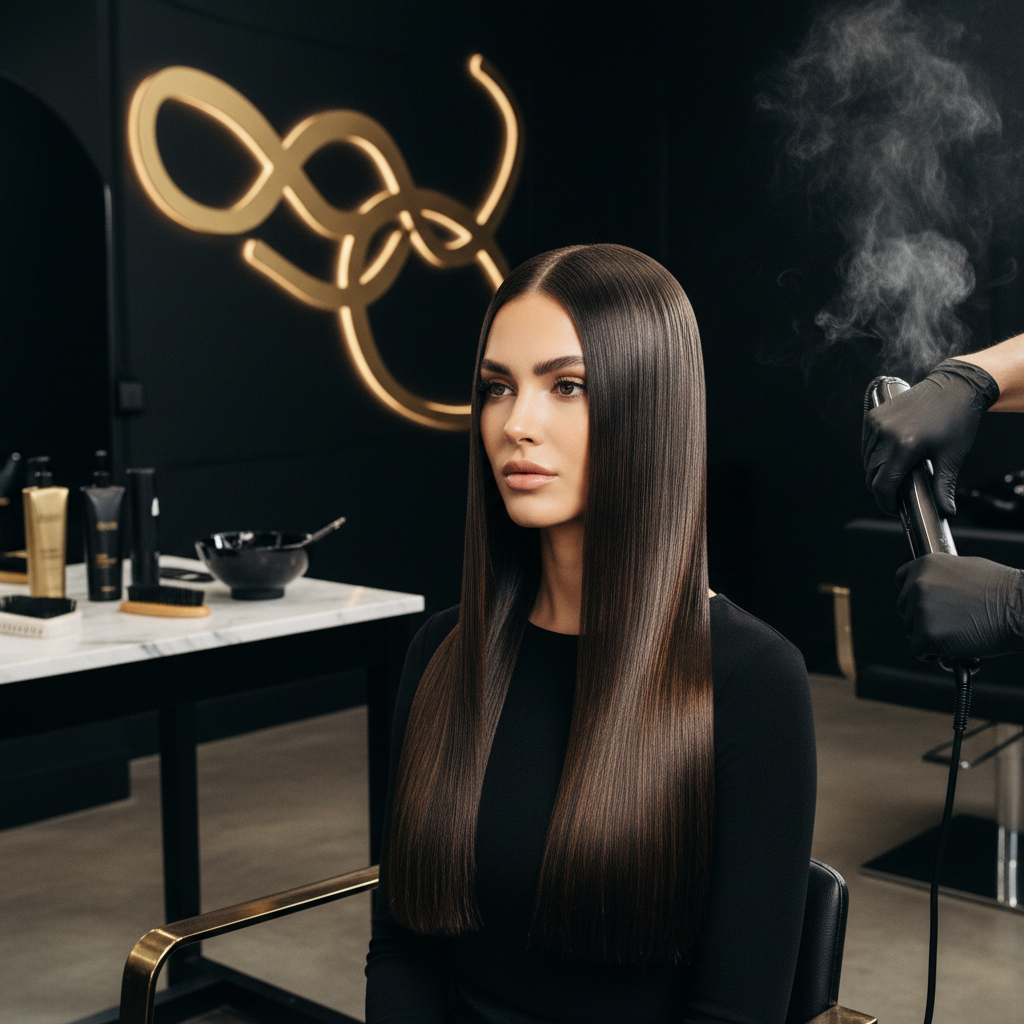
Quick answer: Keratin Treatments are professional salon processes that temporarily smooth hair, reduce frizz, and increase shine by applying a liquid formula, often containing keratin and other smoothing agents, to the hair and sealing it with heat. While they can make hair more manageable and appear straighter, they do not permanently change the hair's internal chemical structure like traditional relaxers, and their effects are temporary, lasting typically 2 to 6 months. Some formulations use formaldehyde-releasing ingredients, which is an important consideration for health and safety.
Key takeaways
- Keratin Treatments are designed to reduce frizz and smooth the hair's outer cuticle, resulting in shinier, more manageable hair.
- The smoothing effect comes from a combination of protein application (often keratin) and heat, which helps to coat the hair fibre.
- Many effective Keratin Treatments rely on chemical compounds, such as formaldehyde-releasing agents or glyoxylic acid, to create temporary bonds that keep the hair straighter.
- Unlike chemical relaxers, Keratin Treatments do not permanently break and reform the hair's disulfide bonds; their effects gradually fade over time as the coating washes away.
- Proper aftercare, including using sulfate-free and sodium chloride-free products, is crucial to extend the longevity of the treatment.
- Considerations include the cost, the temporary nature of the results, and the potential presence of formaldehyde-releasing ingredients in some formulations.
Keratin Treatments: what the evidence shows
Keratin treatments are salon services designed to temporarily smooth hair, reduce frizz, and enhance shine. The term "keratin treatment" is broad, encompassing various formulations and techniques that aim to improve hair's texture and manageability. While keratin is often a key ingredient, the primary mechanism of smoothing often involves other active compounds that temporarily modify the hair fibre.
These treatments work by coating the hair's outer layer, the cuticle, with a protective and smoothing layer. This layer fills in porous areas, reduces friction between hair strands, and reflects light, leading to a smoother feel and a glossy appearance. The effect is semi-permanent, meaning it gradually fades over weeks or months as the coating wears off or washes away.
Historically, many effective formulations contained ingredients that release formaldehyde when heated. Formaldehyde (methanal) is a chemical that, when combined with heat, reacts with the hair's proteins to create temporary cross-links. These cross-links essentially "lock" the hair into a straighter configuration. Concerns about formaldehyde's health implications have led to the development of alternative formulations, which often use glyoxylic acid or other aldehyde-releasing compounds to achieve a similar, though often milder, smoothing effect without releasing formaldehyde directly.
The role of keratin
Keratin is a fibrous protein that is the main structural component of hair, skin, and nails. In Keratin Treatments, hydrolysed keratin (keratin that has been broken down into smaller components) is applied to the hair. While it's often marketed as "replenishing" lost keratin, its primary role in these treatments is typically to form part of the temporary coating on the hair's surface. This added protein contributes to the hair feeling stronger, looking smoother, and appearing healthier by reinforcing the cuticle. The protein molecules can also temporarily fill gaps in the hair's structure, leading to a smoother surface.
What the evidence does not show
It's important to distinguish cosmetic effects from permanent structural changes. While Keratin Treatments can significantly improve the appearance and feel of hair, they do not permanently restructure the hair's internal chemical bonds in the way traditional chemical relaxers do. Therefore, they do not offer a permanent solution for straightening hair; the natural texture will gradually return as the treatment fades.
Claims that these treatments "heal" or "repair" hair damage in a lasting way should be viewed critically. While the coating can temporarily mask damage and make hair feel healthier, it does not mend broken disulfide bonds or reverse intrinsic damage to the hair fibre. Once the treatment wears off, the underlying condition of the hair will become apparent again.
Furthermore, there is currently insufficient evidence to conclude that Keratin Treatments directly promote hair growth or prevent hair loss. Their impact is primarily on the cosmetic appearance and texture of the existing hair shaft.
Understanding the mechanism: how smoothing happens
The smoothing effect of Keratin Treatments stems from a multi-stage process involving chemical application and heat. The exact mechanism depends on the specific active ingredients in the formula.
- Preparation: Hair is typically washed with a clarifying shampoo to remove product build-up and open the cuticle, allowing for better penetration of the treatment solution.
- Application: The keratin-based smoothing solution is applied evenly to damp hair, ensuring each strand is coated.
- Processing: The solution is left on the hair for a specific period, allowing the active ingredients to interact with the hair's proteins. During this time, ingredients like glyoxylic acid or formaldehyde-releasing compounds begin to form temporary cross-links or a polymer network around the hair shaft.
- Sealing with Heat: This is a critical step. After a period, the hair is often blow-dried, and then a flat iron is used at a high temperature (often 200 to 230°C, or 400 to 450°F) to seal the treatment into the hair. The heat activates and sets the temporary bonds or polymer coating, locking the hair into a straighter, smoother configuration.
For formulations containing formaldehyde-releasing ingredients, the heat triggers the release of methylene glycol, which then reacts with the hair's amino acids (specifically cysteine) to form new, temporary bonds. These bonds hold the hair in its straightened position. For formaldehyde-free treatments, glyoxylic acid works by forming esters with the carboxylic acid groups in the hair's keratin, which, when heated, create temporary bonds that modify the hair's shape.
This temporary alteration to the hair's surface structure reduces frizz by creating a hydrophobic (water-repelling) barrier that prevents humidity from penetrating the hair shaft and causing swelling, a primary cause of frizz. It also makes the hair feel softer and appear shinier due to the smoother surface reflecting light more uniformly.
What you can do: aftercare and maintenance
To maximise the longevity and benefits of your Keratin Treatment, consistent aftercare is essential. The average duration of effects is 2 to 6 months, but this can vary significantly based on hair type, lifestyle, and aftercare routine.
- Observe the Waiting Period: Most treatments require you to avoid washing, tying, clipping, or wetting your hair for 48 to 72 hours immediately after the service. This allows the treatment to fully set and the temporary bonds to stabilise. Ignoring this can compromise the results.
- Use Specific Hair Care Products: It is crucial to use shampoos and conditioners free from sulfates (like sodium lauryl sulfate or sodium laureth sulfate) and sodium chloride (table salt). Both ingredients can strip the treatment from the hair, causing it to fade prematurely. Look for products labelled "sulfate-free" and "sodium chloride-free" or those specifically formulated for chemically treated or keratin-treated hair. Watermans Grow Me Shampoo and Conditioner are sulfate-free and can be a suitable choice for maintaining treated hair.
- Wash Hair Less Frequently: Reducing the frequency of hair washing can help preserve the treatment. Consider using a dry shampoo between washes if needed.
- Protect Hair from Water: When swimming, especially in chlorinated pools or saltwater, wet your hair with clean tap water first and apply a leave-in conditioner. This creates a barrier, helping to minimise the absorption of harsh chemicals or salt that can degrade the treatment.
- Avoid Excessive Heat Styling: While the treatment makes hair more resistant to humidity, excessive heat styling can still cause damage and potentially shorten the life of your treatment. When you do use heat, apply a heat protectant.
When the cause may be something else
If you're experiencing ongoing frizz, dryness, or damage despite having Keratin Treatments, or if the treatments aren't providing the expected results, other factors might be at play:
- Hair Damage: Underlying hair damage from chemical processing (e.g., colouring, bleaching), excessive heat styling, or harsh styling practices can affect how a keratin treatment performs and lasts. Damaged hair may be more porous and struggle to retain the treatment.
- Hard Water: Washing hair with hard water, which contains high levels of minerals like calcium and magnesium, can cause mineral build-up on the hair shaft. This build-up can interfere with the treatment's efficacy and make hair feel rough or dull. You can learn more about this in our "Hard Water and Hair Damage" article.
- Product Build-up: Using heavy styling products or products not suitable for your hair type can lead to build-up, weighing hair down and masking the treatment's effects. A clarifying wash before a treatment is essential, and periodic clarifying washes might be beneficial between treatments, provided they are gentle and don't strip the treatment.
- Incompatible Hair Type: While many hair types can benefit, extremely fine or heavily processed hair might react differently, sometimes leading to over-softening or a limp appearance if the treatment is too strong.
- Environmental Factors: High humidity can challenge even treated hair. While Keratin Treatments significantly reduce frizz, extreme humidity may still cause some reversion, especially as the treatment begins to wear off.
When to get professional advice
For optimal results and to address any concerns, it's always best to consult with a qualified professional. A skilled stylist can:
- Assess Hair Condition: Determine if your hair is a suitable candidate for a Keratin Treatment, considering its porosity, elasticity, and previous chemical history.
- Recommend the Right Formula: Guide you towards the most appropriate type of treatment (formaldehyde-free, milder options, etc.) based on your hair's needs and desired outcome.
- Provide Expert Application: Ensure the treatment is applied correctly, following manufacturer instructions to prevent damage and maximise longevity.
- Address Adverse Reactions: If you experience scalp irritation, excessive hair shedding, or unexpected hair breakage post-treatment, a professional can help identify the cause and recommend appropriate remedies.
- Offer Customised Aftercare: Provide tailored advice on products and routines to maintain your treated hair.
Keratin Treatments vs. Chemical Relaxers: a comparison
It is crucial to understand the fundamental differences between Keratin Treatments and traditional chemical relaxers. While both aim to smooth hair, their mechanisms, duration, and impact on hair structure are distinct.
| Feature | Keratin Treatments | Chemical Relaxers |
|---|---|---|
| Mechanism | Forms temporary coating or cross-links on hair fibre; does not permanently break disulfide bonds. | Permanently breaks and reforms disulfide bonds within the hair's cortex. |
| Primary Goal | Frizz reduction, smoothing, enhanced shine, moderate straightening. | Permanent straightening, complete removal of curl/wave. |
| Ingredients | Hydrolysed keratin, formaldehyde-releasing agents (e.g., methylene glycol), glyoxylic acid, silicones. | Strong alkaline agents: lye (sodium hydroxide), or no-lye (calcium hydroxide, guanidine carbonate, lithium hydroxide). |
| Duration of Effect | Semi-permanent, gradually fades (2 to 6 months). | Permanent on treated hair; new growth shows natural texture. |
| Reversibility | Reversible; hair's natural texture gradually returns. | Irreversible; hair is permanently altered. |
| Hair Condition | Can improve cosmetic condition, add shine. | Can be very damaging if not applied correctly; often requires intensive conditioning. |
| Application | Applied, blow-dried, then sealed with high heat from a flat iron. | Applied, processed, rinsed, then neutralised; often does not require flat ironing. |
| Aftercare | Sulfate and sodium chloride-free products crucial. | Specific pH-balancing and moisturising products recommended. |
| Hair Damage Risk | Potential for damage from high heat or strong chemicals if misused. | Higher risk of severe damage, breakage, and scalp burns if not applied professionally. |
Frequently asked questions about Keratin Treatments
Are Keratin Treatments safe?
The safety of Keratin Treatments depends largely on the specific formulation. Treatments containing formaldehyde or formaldehyde-releasing ingredients can pose health risks due to the fumes released during the heating process. Formaldehyde is a known irritant and potential carcinogen. Formaldehyde-free alternatives, often using glyoxylic acid, are generally considered safer, though any chemical process carries some risk. Always inquire about ingredients and ensure adequate ventilation in the salon.
How long do Keratin Treatments last?
Typically, the effects of a Keratin Treatment last between 2 to 6 months. This duration can vary based on several factors, including the specific product used, your hair type, how frequently you wash your hair, and the quality of your aftercare routine. Using sulfate-free and sodium chloride-free hair products is essential to extend the life of your treatment.
Can Keratin Treatments damage hair?
When performed incorrectly or too frequently, Keratin Treatments can potentially damage hair. Excessive heat from flat irons, especially on already sensitised or fine hair, can lead to dryness and breakage. Harsh chemical formulations, particularly those with strong straightening agents, can also weaken the hair fibre. Always ensure the treatment is performed by an experienced professional and follow aftercare instructions carefully.
Are Keratin Treatments suitable for all hair types?
Most hair types can benefit from Keratin Treatments, especially those prone to frizz, dryness, or unmanageability. However, results and suitability can vary. Individuals with extremely fine, delicate, or heavily bleached/damaged hair should consult a stylist to ensure the treatment won't cause further stress. The treatment can make very fine hair appear limp or lose volume if not chosen carefully.
Can I colour my hair after a Keratin Treatment?
It is generally recommended to colour your hair either before a Keratin Treatment or wait at least two weeks afterwards. Applying colour immediately after a treatment can strip some of the smoothing agents, reducing its longevity. If colouring before, choose a permanent or demi-permanent colour. If colouring after, opt for a semi-permanent or gloss to minimise disruption to the treatment. Always consult with your stylist for personalised advice.
Smoothing the way to healthier-looking hair
Keratin Treatments offer a popular semi-permanent solution for managing frizz, enhancing shine, and achieving a smoother hair texture. By coating the hair fibre with a blend of proteins and smoothing agents, these treatments provide a cosmetic improvement that can make hair significantly easier to style and maintain. While they don't offer a permanent change to hair's internal structure, understanding their mechanism and committing to proper aftercare can help extend their benefits. When considering a Keratin Treatment, prioritise professional application and make informed choices about formulations, particularly regarding formaldehyde-releasing ingredients, to ensure the best outcome for your hair's health and appearance.
Sources and references
- American Academy of Dermatology Association, Hair care products: How to choose, (no year available), https://www.aad.org/public/everyday-care/hair-care-basics/care/hair-care-products
- European Commission, Scientific Committee on Consumer Safety (SCCS) opinion on Formaldehyde, 2014, (no URL or DOI available)
- PubChem, Formaldehyde, (no year available), https://pubchem.ncbi.nlm.nih.gov/compound/Formaldehyde
- Journal of Cosmetic Dermatology, Glyoxylic acid as an alternative to formaldehyde in hair straightening products: a safety perspective, 2012, (no URL or DOI available)
- National Cancer Institute, Formaldehyde and Cancer Risk, (no year available), https://www.cancer.gov/about-cancer/causes-prevention/risk/substances/formaldehyde/formaldehyde-fact-sheet
- Hair Structure and Chemistry Simplified, John Wiley & Sons, 2008, (no URL or DOI available)
- International Agency for Research on Cancer (IARC), Formaldehyde, 2004, (no URL or DOI available)