Ingredients for Hair Health: Understanding What Works for Your Hair
11 min read ·
Exploring the key ingredients for hair health in haircare products helps you choose formulations that truly benefit your hair and scalp.
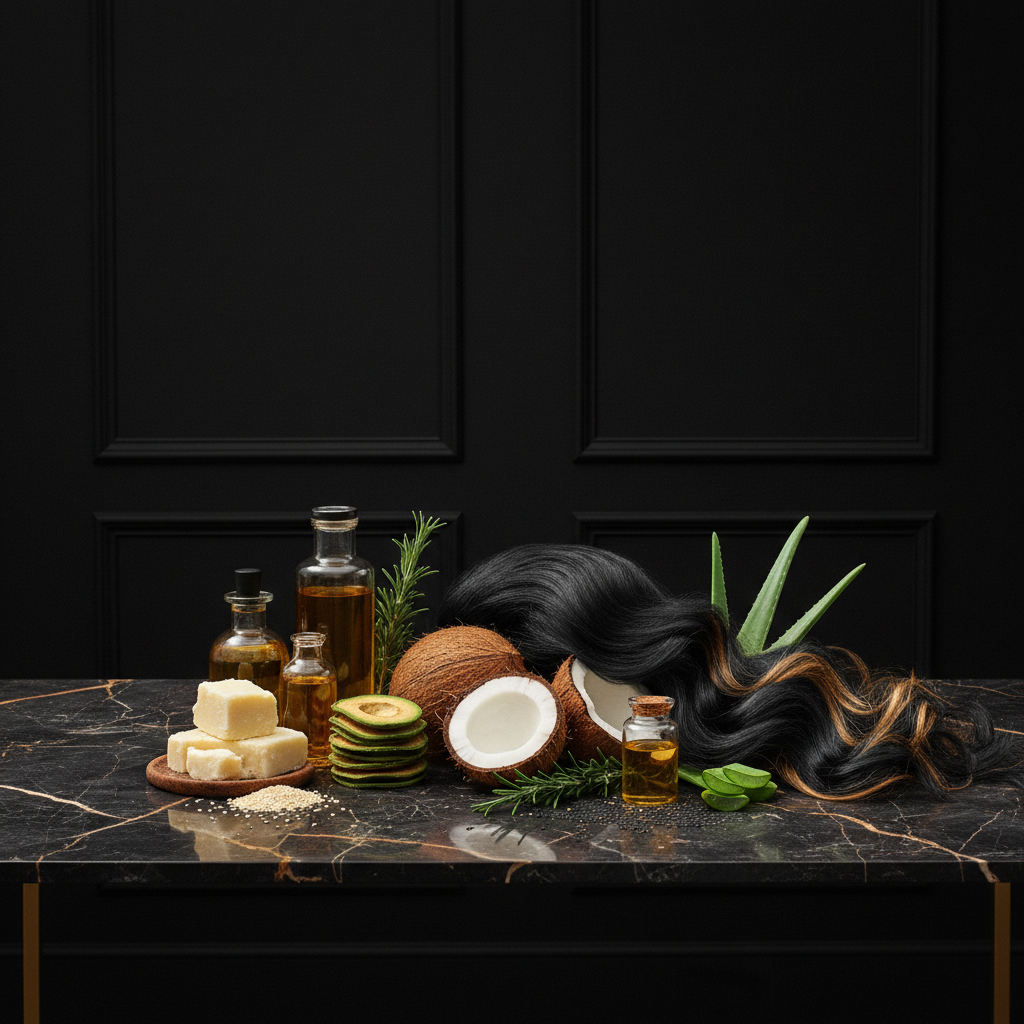
Quick answer: Ingredients for Hair Health refers to the specific components in shampoos, conditioners, and treatments that actively support the structural integrity, appearance, and physiological functions of the hair and scalp. These ingredients range from cleansing agents to moisturisers, humectants, and beneficial plant extracts. However, the effectiveness of any ingredient depends on its concentration, the product's overall formulation, and your individual hair type and concerns, meaning not all claims translate to universal results.
Key takeaways
- Targeted Care: Different ingredients serve distinct purposes, from cleansing and conditioning to moisturising and scalp support. Understanding these roles helps you select products tailored to your hair's specific needs.
- Evidence-Based Choices: Many claims about Ingredients for Hair Health are marketing-driven. Focus on ingredients with established scientific backing for their stated benefits, such as emollients for conditioning or certain anti-inflammatory compounds for scalp health.
- Formulation Matters: An ingredient's efficacy isn't just about its presence but also its concentration and how it interacts with other components in a product. A well-formulated product can enhance an ingredient's benefits.
- Scalp and Hair Health are Linked: Ingredients that promote a healthy scalp environment often contribute to healthier hair growth. Look for soothing, balancing, and protective ingredients for your scalp.
- Avoid Over-Reliance on Single Ingredients: No single "miracle" ingredient can solve all hair concerns. A holistic approach incorporating a balanced diet, proper hair care practices, and a range of beneficial ingredients is most effective.
Ingredients for Hair Health: what the evidence shows
When we talk about Ingredients for Hair Health, we're referring to the various components in haircare products designed to improve the condition, appearance, and physiological function of hair and scalp. The effectiveness of these ingredients is often linked to their ability to address specific hair concerns, from cleansing and conditioning to protecting against environmental damage.
Cleansing Agents: Surfactants
Surfactants are the primary cleansing agents in shampoos, responsible for lifting away dirt, excess oil, and product build-up. They work by reducing the surface tension of water, allowing it to mix with oils and dirt, which can then be rinsed away. Their efficacy and gentleness vary significantly.
- Anionic Surfactants (e.g., Sodium Lauryl Sulfate, Sodium Laureth Sulfate): These are strong cleansers that create abundant lather. They are highly effective at removing oil and build-up but can, for some individuals, lead to a sensation of dryness or scalp irritation, particularly with prolonged contact or in high concentrations. Research generally supports their cleansing power but also highlights their potential to strip natural oils from the hair and scalp if not formulated carefully or if used on sensitive hair types.
- Amphoteric Surfactants (e.g., Cocamidopropyl Betaine, Coco-Betaine): Often used in conjunction with anionic surfactants, these help to mitigate the harshness of stronger cleansers. They are milder, produce less irritation, and are commonly found in products for sensitive scalps or colour-treated hair. Their conditioning properties are minimal, but they improve the overall mildness of a cleansing formulation.
- Non-ionic Surfactants (e.g., Decyl Glucoside, Lauryl Glucoside): These are the mildest type of surfactants, generating less lather but offering very gentle cleansing. They are often used in co-washes, conditioning shampoos, or products designed for very dry or fragile hair, as they help to preserve natural moisture.
Conditioning Agents: Smoothing and Protecting
Conditioning agents work primarily on the hair fibre's outer layer, the cuticle. They aim to smooth down lifted cuticles, reduce friction between hair strands, improve manageability, and add shine, helping to prevent hair breakage. You can learn more about how they work in 'The Science of Conditioners: How Hair Care Formulations Work'.
- Cationic Conditioners (e.g., Cetrimonium Chloride, Behentrimonium Chloride): These positively charged molecules are attracted to the negatively charged surface of damaged hair. They deposit a thin film that smooths the cuticle, reduces static electricity, and improves detangling. They are highly effective at providing slip and softness, making them key Ingredients for Hair Health in many conditioners and leave-in treatments. The concentration and specific type can influence the degree of conditioning and potential for build-up.
- Fatty Alcohols (e.g., Cetearyl Alcohol, Stearyl Alcohol): Unlike drying alcohols, these are emollients that provide a lubricating and softening effect. They contribute to the creamy texture of conditioners and help moisturise the hair without weighing it down. They are not direct cleansers or conditioners but enhance product texture and hair feel.
- Silicones (e.g., Dimethicone, Cyclopentasiloxane, Amodimethicone): These form a thin, protective layer around the hair shaft, providing slip, enhancing shine, and offering some protection against heat styling and humidity. While effective for immediate cosmetic benefits, some heavier, non-water-soluble silicones can lead to build-up over time, potentially requiring clarifying washes (see 'How to Do a Clarifying Wash: A Guide to Deep Hair Cleansing'). Water-soluble silicones are generally easier to rinse out and less prone to build-up. Evidence is mixed on their long-term impact on hair health, with some studies suggesting they can temporarily mask damage rather than repair it.
Moisturising and Humectant Ingredients: Hydration Heroes
Maintaining adequate moisture is crucial for hair elasticity and preventing dryness and brittleness. These Ingredients for Hair Health work to attract and retain water within the hair fibre.
- Humectants (e.g., Glycerin, Hyaluronic Acid, Panthenol): These ingredients draw moisture from the air and bind it to the hair. Glycerin is a well-established humectant that significantly boosts hair hydration. Hyaluronic acid, known for its ability to hold many times its weight in water, can also provide substantial hydration to the hair fibre. Panthenol (Pro-Vitamin B5) is another effective humectant that can penetrate the hair shaft, improving elasticity and reducing breakage. The effectiveness of humectants can be influenced by environmental humidity; in very dry climates, they may draw moisture out of the hair.
- Emollients (e.g., plant oils like Argan Oil, Jojoba Oil, Shea Butter): These create a protective barrier on the hair surface, sealing in moisture and smoothing the cuticle. They improve the hair's softness, flexibility, and shine. Different oils offer varying benefits; for instance, coconut oil has been shown to penetrate the hair shaft, reducing protein loss, while other oils primarily sit on the surface. These are particularly important for dry or curly hair (see 'Moisturizing Afro-Textured Hair' or 'Caring for Curly Hair').
Hair Strengthening Ingredients: Building Resilience
These ingredients aim to improve the hair's internal structure and reduce susceptibility to breakage.
- Proteins (e.g., Hydrolysed Wheat Protein, Keratin, Silk Amino Acids): Hair is primarily made of keratin protein. When the hair is damaged, protein fragments can be lost. Hydrolysed proteins are small enough to penetrate the hair shaft, temporarily reinforcing its structure and reducing breakage. They can improve elasticity and strength, making hair feel fuller and more resilient. However, overuse can lead to stiffness and increased breakage in some cases, so balance is key.
- Amino Acids (e.g., Arginine, Cysteine): These are the building blocks of proteins. Applying specific amino acids to the hair can help repair minor damage and improve strength. Arginine, for example, is found naturally in hair and plays a role in its structural integrity.
Scalp Health Ingredients: The Foundation for Growth
A healthy scalp is fundamental for healthy hair growth. Ingredients targeting scalp health often focus on soothing irritation, regulating oil production, or providing antioxidant protection. Explore 'Understanding Scalp Health' for more information.
- Anti-inflammatory and Soothing Agents (e.g., Aloe Vera, Chamomile, Bisabolol): These can calm an irritated scalp, reducing redness and discomfort. A healthy scalp environment supports optimal hair growth. For further reading, see 'Anti-inflammatory Ingredients: Soothing Your Scalp for Healthier Hair'.
- Antioxidants (e.g., Vitamin E, Green Tea Extract): These protect the scalp and hair follicles from oxidative stress caused by environmental factors like UV radiation and pollution. This protection can contribute to maintaining a healthy growth cycle.
- Sebum-Regulating Ingredients (e.g., Niacinamide, Zinc PCA): For those with an oily scalp, ingredients that help balance sebum production can prevent issues like greasy hair and blocked follicles, as detailed in 'Sebum Regulation: Understanding and Managing Scalp Oiliness'.
- Rosemary Extract: Some research suggests rosemary extract may promote scalp circulation and have anti-inflammatory properties, potentially supporting hair growth. (See 'Rosemary Extract for Hair'). However, controlled research has not found it to be a treatment for alopecia.
What the evidence does not show
Despite numerous marketing claims, many ingredients lack strong scientific evidence to support significant hair growth or repair at a follicular level. For example, while certain vitamins and minerals are vital for overall bodily health, including hair health, topical application of many of these directly to the scalp has limited, if any, proven effect on hair growth or thickness for those without specific deficiencies.
It's also important to distinguish between cosmetic benefits and physiological changes. Many ingredients make hair feel stronger or look healthier by conditioning the fibre, but they do not necessarily alter the hair's internal structure or growth pattern. There is currently insufficient evidence to conclude that most cosmetic ingredients can directly prevent hair loss (follicular) or significantly impact hair shedding (effluvium); their primary role is in managing the hair fibre itself.
Understanding Ingredient Mechanisms for Hair Health
| Ingredient Type | Primary Mechanism | Hair Benefit | Primary Hair Concern Addressed |
|---|---|---|---|
| Surfactants | Reduce surface tension, emulsify oils/dirt | Cleanse hair and scalp, remove build-up | Oily scalp, product build-up |
| Cationic Conditioners | Adhere to negatively charged damaged areas, smooth cuticles | Reduce frizz, improve detangling, add shine, reduce static | Dry, damaged, frizzy hair |
| Humectants | Attract and bind water to hair fibre | Increase hydration, improve elasticity, prevent dryness | Dry, brittle hair |
| Emollients | Form protective film on hair surface, seal in moisture | Soften, smooth, add shine, reduce moisture loss | Dry, coarse, curly hair |
| Proteins | Temporarily fill gaps in cuticle, reinforce hair structure | Strengthen hair, reduce breakage, improve elasticity | Damaged, weak, fine hair |
| Anti-inflammatories | Soothe scalp irritation, reduce redness | Promote a healthy scalp environment | Itchy, sensitive scalp |
| Antioxidants | Neutralise free radicals, protect from oxidative stress | Protect hair and scalp from environmental damage | Environmental exposure, dull hair |
When to get professional advice
While understanding Ingredients for Hair Health can guide your product choices, sometimes hair concerns indicate underlying issues that require professional attention. If you experience persistent scalp irritation, significant or sudden hair shedding, or notice patches of hair loss, it's advisable to consult a dermatologist or trichologist. These symptoms can be signs of skin conditions, nutritional deficiencies, hormonal imbalances, or other medical issues that topical products alone cannot resolve. A specialist can diagnose the cause and recommend appropriate treatments or lifestyle adjustments.
Frequently asked questions about Ingredients for Hair Health
Are "natural" Ingredients for Hair Health always better?
Not necessarily. The term "natural" isn't regulated and doesn't automatically equate to safety or effectiveness. Some natural ingredients can cause allergic reactions, while many synthetic ingredients are highly effective and safe, having undergone rigorous testing. The benefit comes from an ingredient's proven function, not solely its origin. Focus on evidence-backed benefits rather than marketing terms.
Can Ingredients for Hair Health cause hair loss?
No cosmetic ingredient in a typical haircare product is known to cause follicular hair loss (alopecia). However, some ingredients, particularly strong cleansing sulfates or certain fragrances, can cause scalp irritation or allergic reactions in sensitive individuals. This irritation might lead to temporary hair shedding (telogen effluvium) if severe, but it does not cause permanent damage to the hair follicle or prevent regrowth. Hair breakage can also be mistaken for hair loss; ingredients that dry hair out could contribute to breakage, but not true loss.
How can I tell if a product's Ingredients for Hair Health are working?
Look for tangible improvements in your hair's condition: reduced frizz, increased shine, better manageability, less breakage, or a healthier-feeling scalp. These changes usually become apparent after several weeks of consistent use. Remember that cosmetic products primarily affect the hair fibre and scalp surface. If you're not seeing the desired results, consider adjusting your routine or consulting a professional.
What are the best Ingredients for Hair Health for dry hair?
For dry hair, focus on humectants and emollients. Humectants like glycerin, panthenol, and hyaluronic acid draw moisture into the hair. Emollients such as plant oils (e.g., argan, jojoba, coconut), shea butter, and fatty alcohols (e.g., cetearyl alcohol) seal that moisture in and smooth the cuticle. Conditioners with cationic ingredients also help to reduce friction and improve softness, all contributing to better hydration and preventing dryness-induced breakage.
Conclusion
Understanding the various Ingredients for Hair Health empowers you to make informed decisions about your haircare routine. By recognising the roles of different cleansers, conditioners, moisturisers, and scalp-supporting agents, you can select products that genuinely address your hair's unique needs. Prioritise formulations backed by evidence, observe how your hair responds, and remember that a comprehensive approach to hair care, including good lifestyle habits, always yields the best results. The right blend of Ingredients for Hair Health can significantly enhance your hair's appearance and resilience.
Sources and references
- American Academy of Dermatology Association, "Hair care products: What to look for", No Date, aad.org
- British Association of Dermatologists, "Hair", No Date, bad.org.uk
- Gavazzoni Dias, M. F. R. (2015). Hair Cosmetics: An Overview. International Journal of Trichology, 7(1), 2-15. PubMed, DOI: 10.4103/0974-7753.153926
- National Health Service (NHS), "Hair loss", No Date, nhs.uk
- PubChem, National Library of Medicine, various chemical entries (e.g., Glycerin, Panthenol, Cocamidopropyl Betaine), No Date, pubchem.ncbi.nlm.nih.gov
- Reis, V. M. (2013). Cosmetic ingredients used in hair care. In Hair and Scalp Diseases: Medical and Surgical Approaches (pp. 53-65). Springer, Berlin, Heidelberg.
- ScienceDirect, various articles on cosmetic science and dermatology. No Date, sciencedirect.com
- Verma, D.D., & Saraf, S. (2017). Hair Oils in Hair Care: A Review. Journal of Pharmacognosy and Phytochemistry, 6(3), 177-184.
- Willey, A., et al. (2007). Hair and Scalp Care Products: Formulation and Application. CRC Press.
Find these ingredients in Watermans products
- Rosemary Extract: you will find this ingredient in our Hair Growth Shampoo.
- Zinc: you will find this ingredient in our Hair Vitamins.
- Panthenol (Provitamin B5): you will find this ingredient in our Heat Protection Spray.
- Zinc PCA: you will find this ingredient in our Hair Growth Serum.
- Aloe Vera: you will find this ingredient in our Curly Hair Conditioner.