Heat Damage Mechanisms in Hair: The Biophysical Evidence
9 min read ·
Understand the physical Heat Damage Mechanisms in Hair, from keratin denaturation and lipid breakdown to bubble hair deformity, with evidence-based prevention tips.
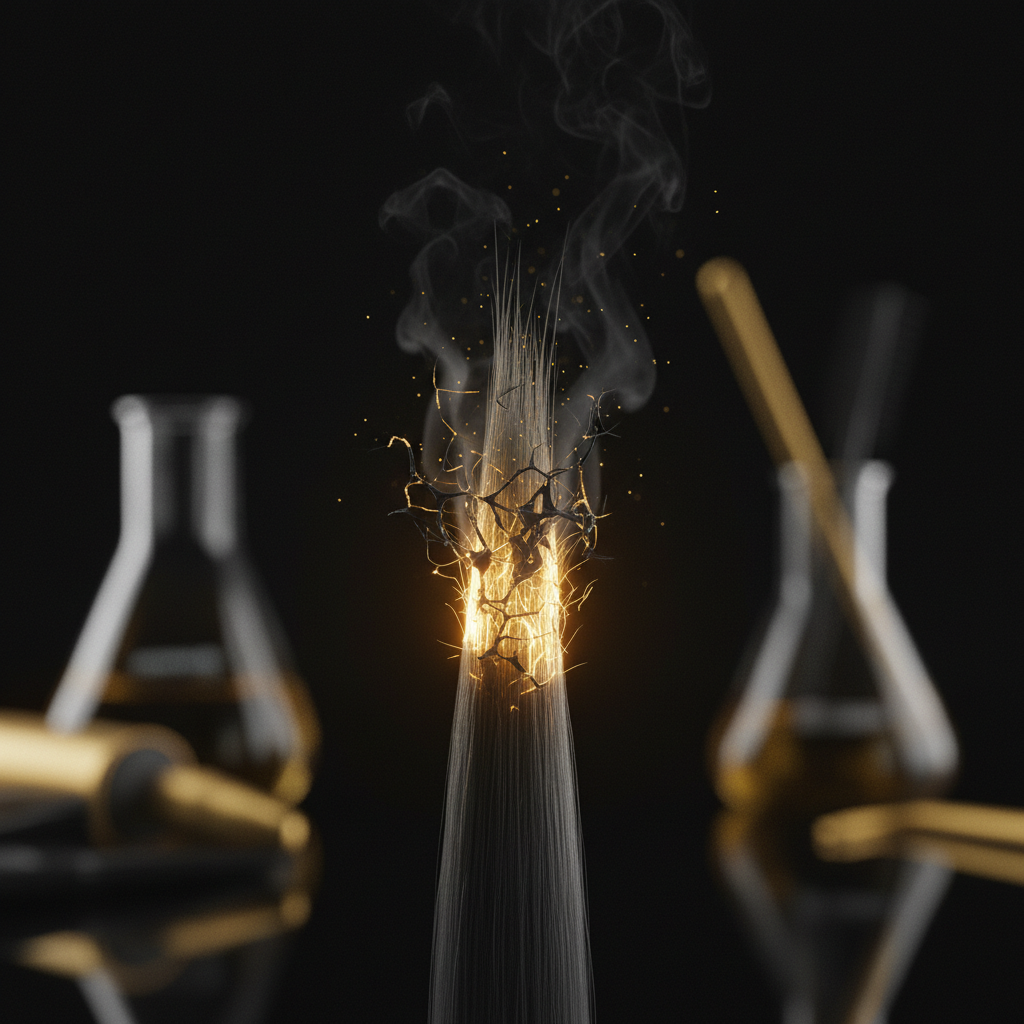
Quick answer: Understanding Heat Damage Mechanisms in Hair requires examining how thermal energy physically alters the hair shaft. Excessive heat degrades keratin proteins, breaks structural disulphide bonds, strips protective surface lipids, and vaporises internal water, leading to cuticle blistering and cortical micro-cavities. These processes result in hair breakage, loss of elasticity, and chronic porosity. While cosmetic conditioning agents can lubricate the surface and temporarily mask rough textures, thermal damage alters the structural protein matrix permanently and cannot be biologically reversed once it occurs.
Key takeaways
- Thermal tools operating between 150°C and 230°C cause progressive structural breakdowns within both the cuticle and cortex of the hair.
- Thermal denaturation permanently alters alpha-keratin helical proteins into disordered beta-sheet conformations, reducing fibre elasticity and tensile strength.
- The 18-methyleicosanoic acid (18-MEA) lipid layer on the cuticle burns off at high temperatures, turning hydrophobic hair into water-absorbing, porous hair prone to swelling and frizz.
- Applying intense heat to wet hair can flash-boil internal moisture, creating steam bubbles that rupture the shaft (known as bubble hair deformity).
- Heat damage represents physical hair breakage and shaft degradation, not follicular hair loss; thermal appliances do not cause alopecia unless severe burns reach the scalp.
Heat Damage Mechanisms in Hair: what the evidence shows
Research into the biophysics of hair fibres demonstrates that thermal styling tools induce profound chemical and physical modifications. When heat meets the hair fibre, the severity of the degradation depends on temperature, exposure duration, moisture levels, and chemical pre-treatments.
Cuticle ablation and lipid degradation
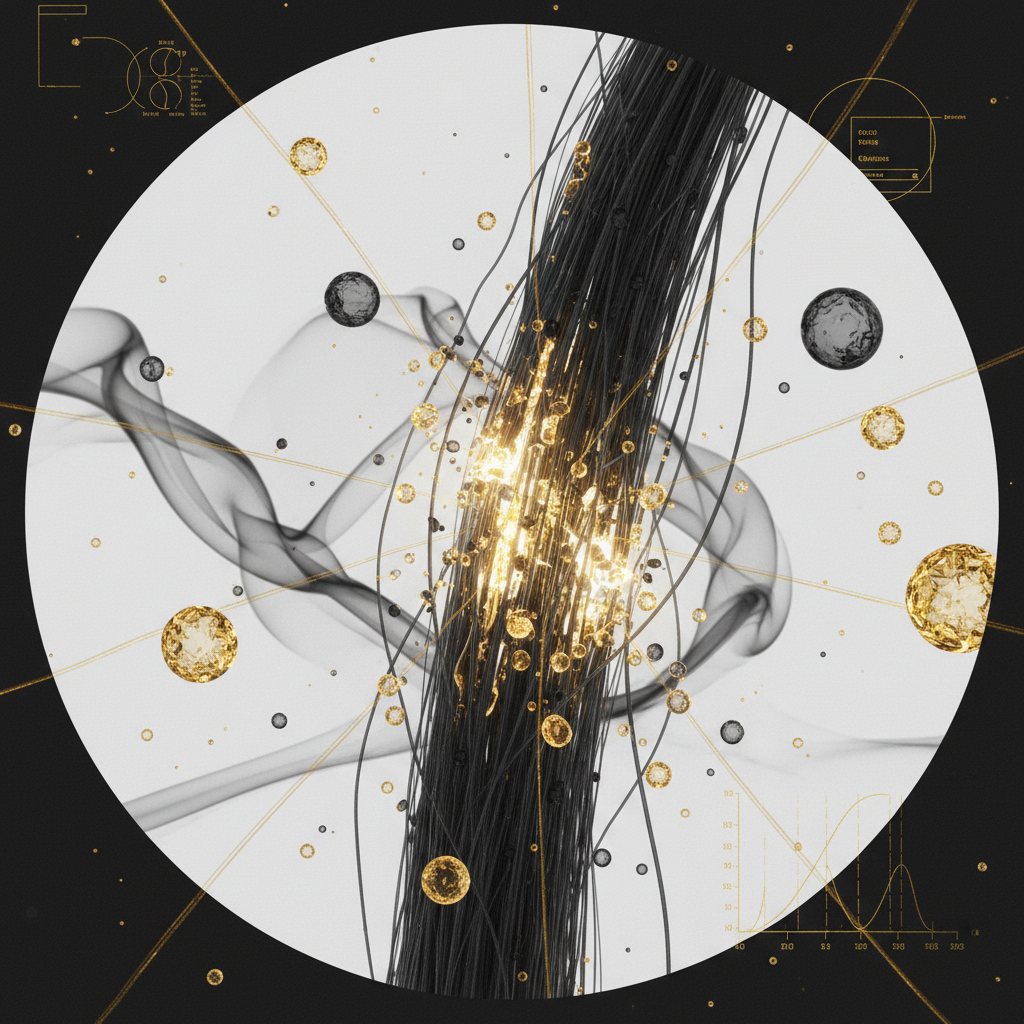
The outermost shield of the hair shaft is the cuticle, comprising overlapping scales coated with 18-methyleicosanoic acid (18-MEA). This thin lipid monolayer provides natural hydrophobicity, allowing water to bead off while reducing friction between neighbouring strands.
At temperatures around 140°C to 160°C, thermal oxidation begins stripping these surface lipids. As 18-MEA degrades, the protective barrier vanishes. Exposed to further heat, the edges of the cuticle cells lift, crack, and chip away. This process, known as cuticle ablation, leaves the underlying cortex unprotected against mechanical friction, ambient humidity, and UV radiation.
Keratin protein denaturation
The hair cortex consists of tightly packed alpha-keratin intermediate filaments surrounded by a high-sulphur protein matrix. These coiled proteins give hair its stretch, bounce, and strength.
Thermal styling causes progressive denaturation of these proteins:
- Below 140°C: Free moisture evaporates from the shaft, temporarily softening the fibre but leaving the primary protein backbone largely stable.
- 140°C to 180°C: The alpha-helical keratin structure begins to destabilise, partially unwinding into random coils or amorphous beta-sheet configurations.
- Above 200°C: Extensive thermal decomposition occurs. Disulphide cross-links, which bind neighbouring keratin chains together, break down through oxidation into cysteic acid residues. Once these covalent bonds rupture, the hair loses its structural memory, resulting in permanently limp curls, extreme brittleness, and longitudinal splitting.
Flash-boiling and bubble hair
A particularly destructive mechanism occurs when thermal tools meet damp or wet hair. Water trapped inside the porous cortex heats up far faster than it can naturally diffuse out through the cuticle layer.
At 100°C and above, this internal water boils rapidly, turning into pressurised steam. The expanding gas creates discrete micro-cavities within the cortex, visibly ballooning the hair shaft. Under scanning electron microscopy, these deformities appear as localized pockets known as bubble hair deformity. Hair with these internal steam pockets becomes exceptionally fragile, snapping under minimal mechanical stress such as gentle brushing.
| Temperature threshold | Structural mechanism in hair | Observable hair consequence |
|---|---|---|
| 100°C to 120°C | Rapid evaporation of water; risk of internal steam pockets if hair is wet | Temporary dryness, roughness, bubble hair if wet |
| 140°C to 160°C | Oxidation of surface lipids (18-MEA) | Loss of shine, increased surface friction, static, tangling |
| 180°C to 200°C | Alpha-keratin denatures into beta-sheet proteins; matrix softening | Reduced tensile strength, curl pattern loosening |
| Above 215°C | Irreversible cystine bond degradation; structural pyrolysis | Severe breakage, split ends, fraying, complete loss of elasticity |
What the evidence does not show
It is critical to separate established biophysical reality from marketing myths and misunderstandings regarding thermal appliances:
- Heat does not cause biological hair loss: Styling irons do not switch off hair follicles or cause telogen effluvium, androgenetic alopecia, or alopecia areata. Thermal styling causes hair breakage (fracturing along the shaft), not hair shedding from the root, unless an iron physically burns the scalp skin and creates a cicatricial scar.
- No product can "repair" thermal damage: Cosmetics, conditioners, and bond-builders cannot rebuild severed protein backbones into their original biological state. Products can deposit polymers, silicones, and hydrolysed proteins to temporarily fill gaps, smooth cuticles, and increase lubricity, but the underlying structural integrity remains altered until the hair is trimmed away.
- Heat protectants do not block 100% of thermal transfer: Modern heat-protectant formulations generally reduce thermal conductivity, slow the rate of temperature rise, and minimise surface friction. However, clinical studies show they typically prevent between 30% and 50% of structural degradation. They mitigate damage rather than eliminate it.
Recognizing the signs of heat-damaged hair
Because hair is non-living tissue, it cannot heal itself. Thermal damage manifests as distinct mechanical and visual changes:
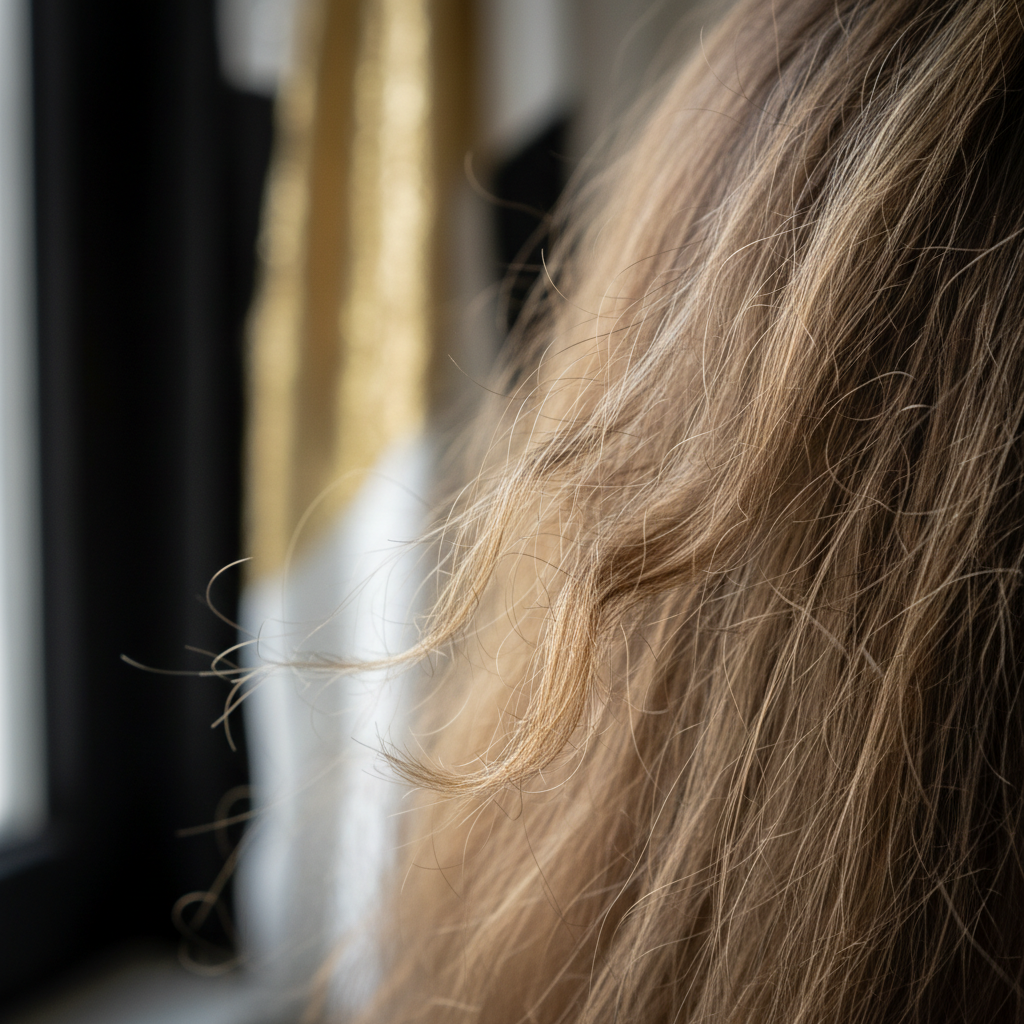
- Loss of natural curl or wave pattern: Heat alters the structural cortex proteins that maintain the curl memory, leaving textured hair with uneven, straightened patches that refuse to revert after washing.
- High porosity and rapid moisture absorption: Stripped of protective 18-MEA, damaged strands absorb water instantly like a sponge, swell rapidly, and take hours to dry while remaining perpetually frizzy.
- Trichoptilosis and trichorrhexis nodosa: Severely degraded cuticles allow cortical fibres to splay outwards into classic split ends (trichoptilosis) or form fragile, brush-like nodes along the shaft that snap readily (trichorrhexis nodosa).
- Altered surface texture and lack of shine: Lifted and chipped cuticle scales scatter light rather than reflecting it evenly, creating a dull, rough, straw-like appearance.
What you can do to protect the hair fibre
Mitigating thermal damage requires a structured approach to heat styling habits:
- Dry hair completely before using hot tools: Never use flat irons, curling wands, or crimpers on damp or wet hair. Removing moisture prevents steam expansion and the formation of bubble hair cavities.
- Cap tool temperatures: Set styling irons to the lowest effective temperature. For fine, bleached, or chemically treated hair, keep temperatures below 150°C. For coarse, resistant hair, avoid exceeding 185°C.
- Use barrier formulations: Apply leave-in heat protectants containing film-forming polymers (such as polyquaternium compounds, amodimethicone, or hydrolysed wheat protein) to distribute heat evenly and reduce friction.
- Limit mechanical passes: Avoid passing hot plates over the same section of hair repeatedly. Single, smooth, controlled passes cause substantially less protein denaturation than multiple rapid passes.
- Incorporate restorative conditioning: Regular use of products containing ceramides, panthenol, and fatty acids helps reinforce the intercellular cement between cuticle scales, lowering friction and reducing cumulative snap.
When the cause may be something else
If hair snaps easily or feels excessively dry without significant thermal tool use, other damaging mechanisms may be responsible:
- Chemical processing: Bleaching, high-lift dyes, and chemical relaxers aggressively cleave disulphide bonds and destroy the 18-MEA layer independently of heat.
- Photodamage: Prolonged exposure to ultraviolet radiation oxidises amino acids (particularly tryptophan and cystine), degrading the hair protein matrix similarly to heat.
- Mechanical wear: Vigorous backcombing, tight elastic bands, or brushing dry textured hair breaks cuticles through physical shear stress.
- Underlying medical factors: If hair is falling from the scalp in diffuse sheets or distinct patches, this indicates follicular shedding (such as telogen effluvium, iron deficiency, or thyroid dysfunction) rather than shaft damage from styling tools.
When to seek professional advice
Consult a qualified trichologist or dermatologist if you notice sudden, diffuse thinning at the roots, scalp tenderness, scaling, or patches of bare skin. If the issue is confined to the hair lengths and ends, a professional hair stylist can assess the degree of fibre degradation and execute a blunt cut to eliminate split ends before they travel further up the shaft.
Supporting hair health with Watermans
While severely heat-damaged hair shafts ultimately require progressive trims, supporting the scalp environment and newly emerging hair growth helps you build long-term resilience.
Watermans focuses on delivering cosmetic, botanical-led scalp and hair care. Formulations such as Watermans GrowMe Shampoo incorporate rosemary, caffeine, biotin, and hydrolysed lupin protein to cleanse the scalp and create an optimal foundation for new fibres. Pairing targeted cleansing with nutrient-dense conditioning strengthens the feeling of the hair fibre, helping new growth maintain natural elasticity as you implement safer thermal styling routines.
Frequently asked questions about Heat Damage Mechanisms in Hair
What are the main Heat Damage Mechanisms in Hair?
The primary Heat Damage Mechanisms in Hair involve the thermal stripping of the protective 18-MEA lipid layer, structural denaturation of alpha-keratin proteins into disorganized beta-sheets, breakdown of disulphide bonds into cysteic acid, and internal steam vaporization (bubble hair) when hot tools are applied to damp fibres.
Can heat protectant sprays completely prevent thermal damage?
No. Heat protectant sprays contain polymers and conditioning agents that distribute heat more evenly and reduce surface friction, but they do not block all thermal energy. Scientific testing indicates they generally reduce structural degradation by roughly 30% to 50%, depending on the temperature used.
Is heat damage reversible with bonding treatments?
No, true heat damage cannot be reversed. Bond-building products and deep conditioners deposit polymers and temporary cross-linking agents that fill cortical gaps and smooth lifted cuticles. While these improve cosmetic softness and manageability, the underlying keratin matrix remains permanently altered until trimmed away.
Does blow-drying cause the same damage as a straightening iron?
Blow-dryers typically operate at lower temperatures (around 60°C to 100°C) than flat irons (which often exceed 180°C to 230°C). However, holding a dryer too close to the hair shaft for extended periods or drying damp hair on high heat can still degrade the cuticle and cause moisture-flash damage.
Can heat styling cause permanent hair loss?
Heat styling causes hair breakage along the fibre, not hair loss from the follicle. An iron will not interfere with the natural hair growth cycle unless it directly burns the scalp tissue, creating scar tissue that permanently destroys underlying hair follicles.
Conclusion
The physical Heat Damage Mechanisms in Hair are predictable consequences of exposing protein fibres to extreme thermal thresholds. From the rapid oxidation of surface lipids at 140°C to the irreversible breakdown of cortical keratin bonds above 200°C, high temperatures compromise hair integrity from the outside in. Because hair is non-living tissue that cannot regenerate, prevention remains the only definitive cure. By moderating styling temperatures, ensuring hair is bone-dry before hot tool application, and protecting new growth as it emerges, you can safeguard your hair against structural breakdown and maintain long-term fibre strength.
Sources and references
- Journal of Cosmetic Science, "Thermal degradation of hair keratin", 2004.
- International Journal of Cosmetic Science, "The effect of heat on hair chemical and physical properties", 2011.
- Journal of the American Academy of Dermatology, "Bubble hair: a unique presentation of heat-induced hair shaft deformity", 1992.
- Cosmetic Science and Technology, "Hair Proteomics and Thermal Treatment Damage Profiles", 2018.