Hair Thinning: Causes, Signs, and Management for Denser-Looking Hair
14 min read ·
Hair Thinning refers to a noticeable reduction in the overall volume and density of hair on the scalp, which can be influenced by various factors, but does not equate to hair loss or baldness.
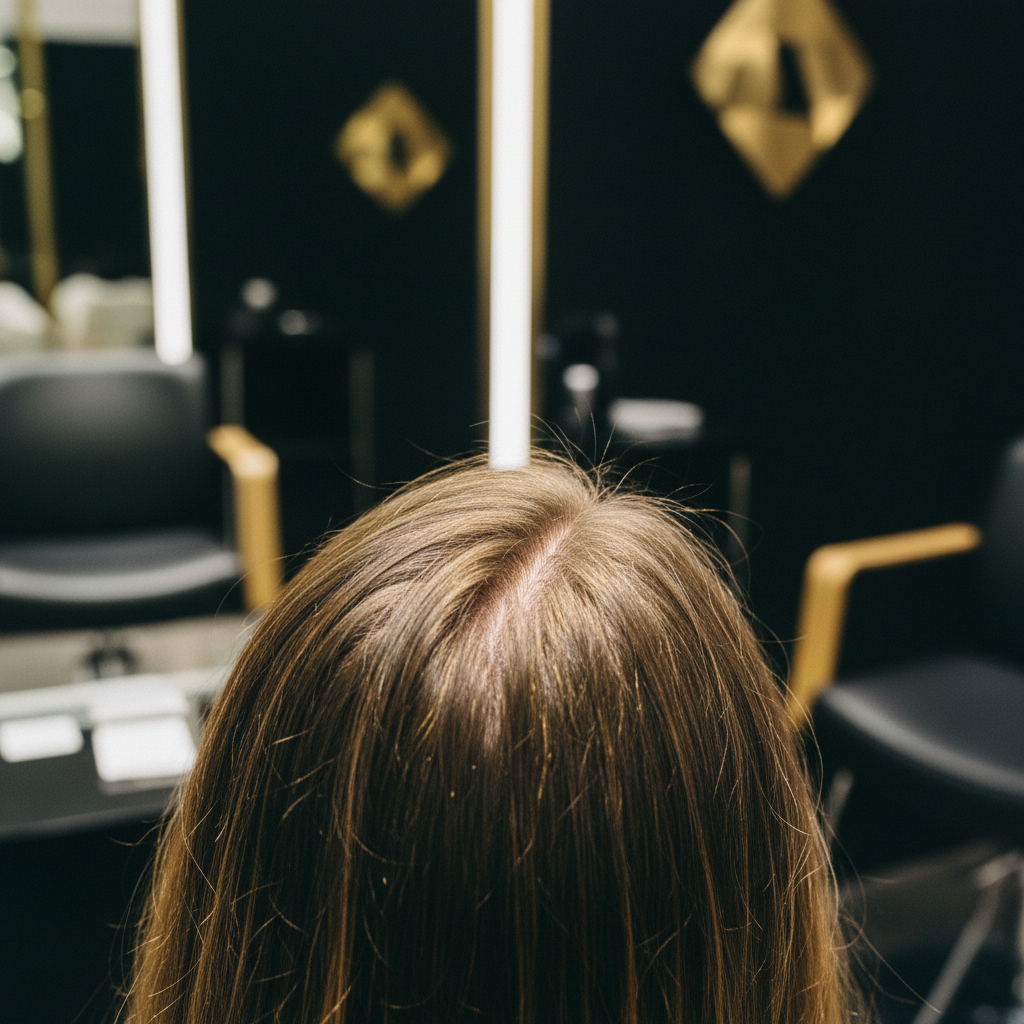
Quick answer: Hair Thinning describes a reduction in the density and thickness of hair, making the scalp more visible and the hair feel less voluminous. It's a common concern that can stem from various factors, including genetics, hormonal shifts, nutritional status, and lifestyle, but it is distinct from hair loss, which involves complete shedding from the follicle, or hair breakage, where the hair fibre snaps.
Key takeaways
- Hair Thinning is a reduction in hair density and thickness, not a form of hair loss or breakage.
- Androgenetic alopecia, a genetic condition, is the most common cause of progressive Hair Thinning.
- Hormonal changes, nutritional deficiencies, certain medical conditions, and stress can also contribute to Hair Thinning.
- It often progresses gradually, with hair feeling finer and the scalp becoming more visible over time.
- Maintaining a healthy lifestyle, balanced nutrition, and gentle hair care practices can help support denser-looking hair.
- Consulting a healthcare professional is advisable to identify the underlying cause of persistent or significant Hair Thinning.
Hair Thinning: what the evidence shows
Hair Thinning is characterised by a decrease in the number of hair strands per square centimetre of the scalp or a reduction in the diameter of individual hair fibres. This leads to an overall impression of less voluminous hair and increased scalp visibility. It's important to distinguish Hair Thinning from hair shedding (where hairs detach from the follicle) and hair breakage (where the hair shaft breaks). While these can sometimes co-exist, they are distinct phenomena with different underlying causes and manifestations.
The human hair growth cycle consists of three main phases: anagen (growth), catagen (transition), and telogen (resting and shedding). Hair Thinning often occurs when there is a disruption to this cycle. For instance, a shortened anagen phase means hairs spend less time growing to their full length and thickness, or a higher proportion of hairs entering the telogen phase prematurely can lead to a perceived reduction in density. Miniaturisation, a process where hair follicles shrink over time, producing progressively finer and shorter hairs, is a hallmark of many types of progressive Hair Thinning, particularly androgenetic alopecia.
The most common causes of Hair Thinning
Several factors can contribute to Hair Thinning, often working in combination. Understanding these can help identify potential management strategies.
1. Genetics (Androgenetic Alopecia)
Androgenetic alopecia is the most prevalent cause of progressive Hair Thinning in both men and women, often referred to as male-pattern or female-pattern hair loss. It is a hereditary condition influenced by genetics and androgens (male hormones). In individuals genetically predisposed to this condition, hair follicles in affected areas become sensitive to dihydrotestosterone (DHT), a derivative of testosterone. This sensitivity causes the hair follicles to gradually miniaturise, producing finer, shorter, and less pigmented hairs with each growth cycle. Eventually, these follicles may cease producing terminal hairs altogether. The pattern of thinning differs between sexes: in men, it typically presents as a receding hairline and thinning at the crown; in women, it usually appears as a diffuse thinning over the crown, with the frontal hairline largely preserved.
2. Hormonal changes
Hormonal fluctuations can significantly impact hair density and are a frequent cause of temporary or long-term Hair Thinning.
- Pregnancy and Postpartum: During pregnancy, elevated oestrogen levels often prolong the anagen (growth) phase, leading to fuller, denser hair. However, after childbirth, oestrogen levels drop sharply, causing a large number of hairs to enter the telogen (resting) phase simultaneously. This can result in significant hair shedding, known as telogen effluvium, typically 2 to 4 months postpartum, which can manifest as widespread Hair Thinning. This shedding is usually temporary, and hair density often recovers within 6 to 12 months.
- Menopause: The hormonal shifts during menopause, particularly a decrease in oestrogen and progesterone, can lead to a relative increase in androgen activity. This hormonal imbalance can contribute to Hair Thinning in a pattern similar to female-pattern Hair Thinning, often characterised by diffuse thinning over the crown.
- Thyroid Disorders: Both an underactive thyroid (hypothyroidism) and an overactive thyroid (hyperthyroidism) can disrupt the hair growth cycle. Thyroid hormones play a crucial role in hair follicle function. Imbalances can lead to diffuse Hair Thinning across the scalp, which typically resolves once the thyroid condition is managed effectively.
3. Nutritional deficiencies
Adequate nutrition is essential for healthy hair growth, as hair follicles are among the most metabolically active cells in the body. Deficiencies in certain vitamins and minerals can impair hair follicle function and lead to Hair Thinning or increased shedding.
- Iron: Iron deficiency, with or without anaemia, is a common cause of Hair Thinning, especially in women. Iron is vital for many biological processes, including DNA synthesis in hair follicles. Low iron stores can disrupt the anagen phase.
- Zinc: Zinc is a co-factor for many enzymes and plays a role in hair tissue growth and repair. Deficiency can lead to Hair Thinning, often accompanied by other symptoms like impaired immune function.
- B Vitamins (especially Biotin and B12): Biotin is essential for keratin infrastructure, a primary protein in hair. While severe biotin deficiency is rare, mild deficiencies might contribute to Hair Thinning. Vitamin B12 deficiency can also impact hair health, particularly in individuals following vegan or vegetarian diets.
- Protein: Hair is primarily composed of protein (keratin). Insufficient protein intake can force hair follicles into a resting phase, leading to diffuse Hair Thinning.
4. Stress and lifestyle factors
Chronic physical or psychological stress can significantly impact hair health. Severe or prolonged stress can trigger telogen effluvium, where a large number of growing hairs are prematurely pushed into the resting phase. This can result in noticeable Hair Thinning about 2 to 3 months after a stressful event. Managing stress through techniques like mindfulness, regular exercise, and adequate sleep can help mitigate its impact on hair.
Lifestyle choices, including restrictive diets, excessive heat styling (see also: Heat Styling Safety Best Practices and Heat Styling: Understanding Its Effects and How to Protect Your Hair), and harsh chemical treatments (see also: Chemical Hair Treatments: What They Are and How They Affect Hair), can also contribute to hair breakage and a perceived reduction in density. Smoking has also been linked to accelerated hair thinning.
5. Medical conditions and medications
Several medical conditions and medications can cause or exacerbate Hair Thinning:
- Autoimmune Diseases: Conditions like lupus or alopecia areata can cause hair loss, which may initially present as thinning in affected areas.
- Skin Conditions: Scalp conditions such as psoriasis or severe seborrhoeic dermatitis can cause inflammation and damage to hair follicles, leading to Hair Thinning or shedding.
- Medications: Certain drugs, including some used for blood pressure, depression, acne, and cancer treatment (chemotherapy), can cause Hair Thinning as a side effect.
Signs of Hair Thinning to look for
Recognising the signs of Hair Thinning early can help in identifying potential causes and management options. Hair Thinning typically progresses gradually, so it's important to observe subtle changes over time. Unlike sudden hair loss (e.g., in alopecia areata), thinning is often a more diffuse reduction in hair density.
Key signs include:
- Increased scalp visibility: You might notice your scalp becoming more apparent, especially when your hair is parted or wet. This is often the most noticeable early sign of diffuse thinning.
- Reduced hair volume: Your hair may feel less full or dense than before. Styles that once felt voluminous might now appear flat or lack body.
- Wider hair part: The part in your hair may appear wider or more pronounced over time.
- Hair feeling finer: Individual hair strands might feel thinner or less robust than they used to. This is due to the miniaturisation of hair follicles producing finer hairs.
- More hair on brush or in drain: While some daily shedding is normal (typically 50 to 100 hairs), a significant increase in the amount of hair collected after brushing or showering could indicate increased shedding contributing to overall thinning.
- Difficulty holding styles: Hair that previously held styles well might now struggle, appearing limp or falling flat more quickly due to reduced density and strength.
It is important to differentiate these signs from hair breakage, where hair snaps along the shaft, leading to shorter pieces but not necessarily reduced follicle count. Breakage might manifest as frizz, split ends, or uneven lengths, but not typically increased scalp visibility across the board. If you're experiencing multiple of these signs, it's worth investigating the underlying cause.
What you can do to support denser-looking hair
While treating the underlying cause is paramount, several strategies can help support existing hair and contribute to the appearance of denser, healthier hair. These actions are generally aimed at optimising scalp health, minimising damage, and ensuring adequate nutritional support.
1. Optimise your nutrition
A balanced diet rich in essential vitamins and minerals is fundamental for hair health. Focus on incorporating:
- Protein: Lean meats, fish, eggs, dairy, legumes, and nuts provide the building blocks for hair.
- Iron: Red meat, spinach, lentils, and fortified cereals. Consider supplementation only under medical guidance, as excess iron can be harmful.
- Zinc: Oysters, beef, pumpkin seeds, and lentils.
- B Vitamins: Whole grains, leafy greens, avocados, and eggs. Biotin and B12 are particularly noted for hair health.
- Vitamin D: Fatty fish, fortified foods, and sunlight exposure. Vitamin D receptors are present in hair follicles and play a role in the hair cycle.
- Omega-3 Fatty Acids: Fatty fish (salmon, mackerel), flaxseeds, chia seeds, and walnuts, which can help reduce inflammation and nourish the scalp.
2. Gentle hair care practices
Minimising physical and chemical stress on your hair can help prevent breakage and promote a healthier environment for growth.
- Washing and conditioning: Use mild, sulphate-free shampoos (see also: Sulfate-Free Shampoo Benefits) and nourishing conditioners (see also: The Science of Conditioners: How Hair Care Formulations Work and Choosing the Right Hair Conditioner). Avoid excessive scrubbing of the scalp or harsh pulling of wet hair. Consider the sibling article Hair Cleansing and Conditioning.
- Drying: Gently towel-dry hair by blotting, rather than rubbing vigorously. Air-drying or using a low-heat setting on a hairdryer can reduce heat damage (see also: Hair Drying Techniques).
- Combing and brushing: Use a wide-tooth comb or a brush designed for detangling on wet hair (see also: How to Detangle Afro Hair Without Breakage). Start from the ends and work your way up to avoid tugging and breakage.
- Styling: Limit tight hairstyles that pull on the hair follicles, which can lead to traction alopecia over time. Reduce reliance on heat styling tools. If using them, always apply a heat protectant.
3. Scalp health
A healthy scalp is crucial for healthy hair growth. Regular, gentle scalp massage can help improve circulation to the follicles. Consider clarifying washes (see also: How to Do a Clarifying Wash: A Guide to Deep Hair Cleansing) to remove product buildup and maintain a clean environment. Addressing conditions like dandruff (see also: Dandruff: Causes and Treatments Explained) or excess oiliness (see also: Oily Scalp Care: Understanding and Managing Excess Sebum and Oily Scalp: Causes, Management, and When to Seek Help) can also support follicle health (see also: Understanding Scalp Health).
4. Manage stress
As stress can contribute to Hair Thinning, incorporating stress-reduction techniques into your daily routine is beneficial. Examples include meditation, yoga, deep breathing exercises, regular physical activity, and ensuring adequate sleep.
5. Consider topical treatments
Some topical ingredients have been studied for their potential to support hair density. For example, rosemary extract has shown some promise in preliminary studies (see also: Rosemary Extract for Hair). However, always consult with a healthcare professional before starting new treatments.
When the cause may be something else
While Hair Thinning is often associated with the conditions mentioned above, it's crucial to recognise that other, more severe conditions might manifest with similar symptoms. It's particularly important to differentiate Hair Thinning from types of alopecia, which are distinct medical conditions involving significant hair loss.
- Alopecia Areata: An autoimmune condition causing patchy, non-scarring hair loss. It typically presents as distinct, smooth, round patches of hair loss, rather than diffuse thinning.
- Traction Alopecia: Caused by prolonged tension on hair follicles from tight hairstyles. This leads to hair loss, often around the hairline or areas of repeated stress.
- Scarring Alopecias: A group of inflammatory conditions that destroy hair follicles, replacing them with scar tissue, leading to permanent hair loss in affected areas. These often involve symptoms like itching, pain, or burning.
- Telogen Effluvium (severe acute): While mild telogen effluvium can contribute to diffuse Hair Thinning, a severe, sudden onset can result in dramatic shedding and noticeable hair loss across the scalp, often triggered by a significant physiological stressor (e.g., major surgery, severe illness, rapid weight loss).
- Anagen Effluvium: Characterised by sudden, widespread hair loss due to a disruption of the anagen phase, most commonly caused by chemotherapy or radiation therapy (see also: Anagen Effluvium).
If your Hair Thinning is sudden, severe, accompanied by scalp pain, itching, redness, or presents in distinct patches, it's vital to seek professional medical advice promptly.
When to get professional advice
It's advisable to consult a general practitioner, dermatologist, or trichologist if you experience persistent or significant Hair Thinning, especially if:
- The thinning is sudden or rapid.
- You notice distinct bald patches.
- It's accompanied by scalp redness, itching, pain, or burning.
- You have other symptoms like fatigue, weight changes, or unexplained illness.
- You are concerned about the extent of your Hair Thinning and its impact on your well-being.
A healthcare professional can help diagnose the underlying cause through examination, blood tests (e.g., for iron, thyroid function, vitamin levels), and sometimes scalp biopsies. They can then recommend appropriate treatment plans, which may include medical therapies, dietary adjustments, or referrals to specialists.
Frequently asked questions about Hair Thinning
Can hair thinning be reversed?
Whether Hair Thinning can be reversed depends entirely on its underlying cause. Thinning due to temporary factors like stress, nutritional deficiencies, or hormonal shifts (e.g., postpartum) often resolves with appropriate management of the cause. However, thinning due to genetic conditions like androgenetic alopecia is often progressive, but its progression can sometimes be slowed down or managed with specific treatments and lifestyle adjustments.
Is shampoo effective for Hair Thinning?
Shampoo alone typically cannot "treat" Hair Thinning, especially if it's due to internal factors like genetics or hormones. However, some shampoos are formulated with ingredients that can help improve scalp health, reduce inflammation, or contain ingredients like caffeine or specific botanical extracts that some studies suggest might support hair follicles. The primary role of shampoo is cleansing, which is crucial for a healthy scalp environment.
How long does it take for hair to thin noticeably?
Hair Thinning is generally a gradual process. For conditions like androgenetic alopecia, it can take years for the changes to become significantly noticeable. For thinning caused by telogen effluvium (e.g., after stress or illness), noticeable shedding often begins 2 to 4 months after the triggering event. Individual experiences vary, but consistent observation over several months is usually required to perceive significant thinning.
Does hard water cause Hair Thinning?
Hard water itself does not directly cause Hair Thinning. However, the minerals in hard water can accumulate on the hair and scalp, leading to residue buildup that can make hair feel dry, brittle, and more prone to breakage, which can give the appearance of thinning (see also: Hard Water and Hair Damage: Understanding the Impact on Your Hair). It can also make hair more difficult to manage and potentially exacerbate existing scalp conditions, but it does not cause follicles to miniaturise or hair to fall out from the root.
What's the difference between Hair Thinning and hair loss?
Hair Thinning refers to a reduction in the diameter of individual hair strands or a decrease in the overall number of hairs, making the hair appear less dense. Hair loss, conversely, refers to the actual shedding of hair from the follicle, which can lead to noticeable bald patches or significant reduction in hair count. While thinning can precede or be part of hair loss conditions, they are distinct terms.
Watermans and Hair Thinning
Watermans haircare products are formulated to support the appearance of denser, stronger, and healthier hair. The range is designed to work in harmony with your natural hair growth cycle and help address common concerns related to Hair Thinning, such as reducing breakage and improving the overall condition of the hair and scalp.
Watermans Grow Me Hair Growth Shampoo and Conditioner, for example, are formulated with ingredients such as biotin, caffeine, and argan oil. These ingredients are chosen to help stimulate the scalp, nourish the hair follicles, and strengthen the hair fibre, contributing to a fuller, thicker look and feel. The Grow Me Hair Vitamins offer a complementary approach, providing a blend of vitamins and minerals like biotin, zinc, and selenium, which are essential nutrients for maintaining healthy hair growth from within.
It's important to note that cosmetic products like shampoos, conditioners, and supplements support existing hair health and the appearance of fuller hair. They do not claim to treat underlying medical conditions that cause Hair Thinning or hair loss. Consistent use as part of a healthy hair care routine can help optimise the environment for hair growth and minimise factors that contribute to breakage.
Sources and references
- American Academy of Dermatology Association, Hair Loss: Diagnosis and Treatment, aocd.org.
- British Association of Dermatologists, Hair Loss, bad.org.uk.
- Cleveland Clinic, Hair Loss, my.clevelandclinic.org.
- Healthy Hair, Nutrition and Hair Health, PMC5315033, doi: 10.4103/0974-7753.171797.
- International Journal of Trichology, Iron Deficiency and Hair Loss, PMC3670003, doi: 10.4103/0974-7753.97800.
- National Institutes of Health, Dietary Supplements for Hair Loss: A Narrative Review, PMC6380979, doi: 10.1007/s13555-019-0268-x.
- NHS, Hair loss, nhs.uk.
- The Journal of Clinical and Aesthetic Dermatology, Female Pattern Hair Loss: A Review of the Pathogenesis, Diagnosis, and Management, PMC5389675.
- The Skin Cancer Foundation, The Effects of Sun on Hair and Scalp, skincancer.org.
- University of California San Francisco, Hair Loss Overview, ucsfhealth.org.
- World Journal of Mens Health, The Role of Nutrition in Hair Loss, PMC7864389, doi: 10.5534/wjmh.200150.