Understanding Hair Shedding vs. Hair Loss: A Comprehensive Guide
11 min read ·
Understanding Hair Shedding vs. Hair Loss is crucial for managing hair health, as these two common concerns have distinct causes and implications.
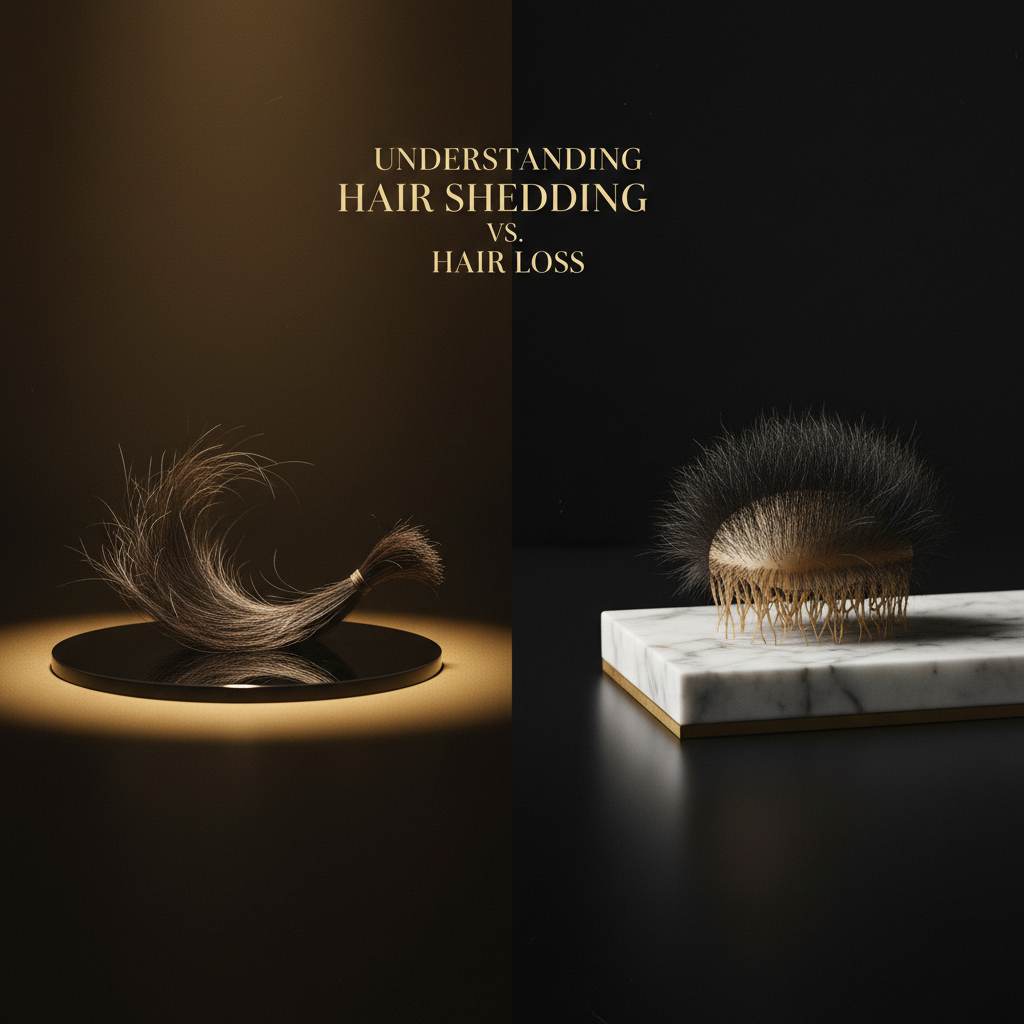
Quick answer: Understanding Hair Shedding vs. Hair Loss involves distinguishing between the natural process of old hairs falling out and a medical condition where hair production stops or significantly slows. Hair shedding is a normal part of the hair growth cycle, typically leading to temporary, diffuse thinning, while hair loss (alopecia) refers to a reduction in the total number of hair follicles, often resulting in more significant, persistent, or patterned thinning. It's important to recognise these differences to determine the correct approach for maintaining hair and scalp health. The main limitation is that self-diagnosis can be misleading, and professional assessment is often needed to pinpoint the exact cause of any significant change.
Key takeaways
- Hair shedding is a normal part of the hair growth cycle, where old hairs are replaced by new ones.
- Hair loss, or alopecia, indicates a disruption in the hair growth cycle, leading to reduced hair density or bald patches.
- It's normal to shed 50 to 100 hairs daily, but sudden increases in shedding might indicate a temporary condition like telogen effluvium.
- If you notice receding hairlines, widening parts, or bald spots, this suggests hair loss rather than typical shedding.
- Understanding the distinction between shedding and loss is vital for appropriate management and seeking professional advice.
- Hair breakage, where the hair shaft snaps, is different from both shedding and loss, and is often due to external damage.
Understanding Hair Shedding vs. Hair Loss: what the evidence shows
The distinction between hair shedding and hair loss is fundamental to understanding hair health. While often used interchangeably in everyday conversation, they represent different physiological processes and have varied implications for scalp and hair. Hair shedding is a natural and expected part of the hair growth cycle. Each hair follicle goes through phases: anagen (growth), catagen (transition), and telogen (rest). At the end of the telogen phase, the old hair is released from the follicle, and a new hair begins its anagen phase. This process means a certain amount of shedding is always occurring.
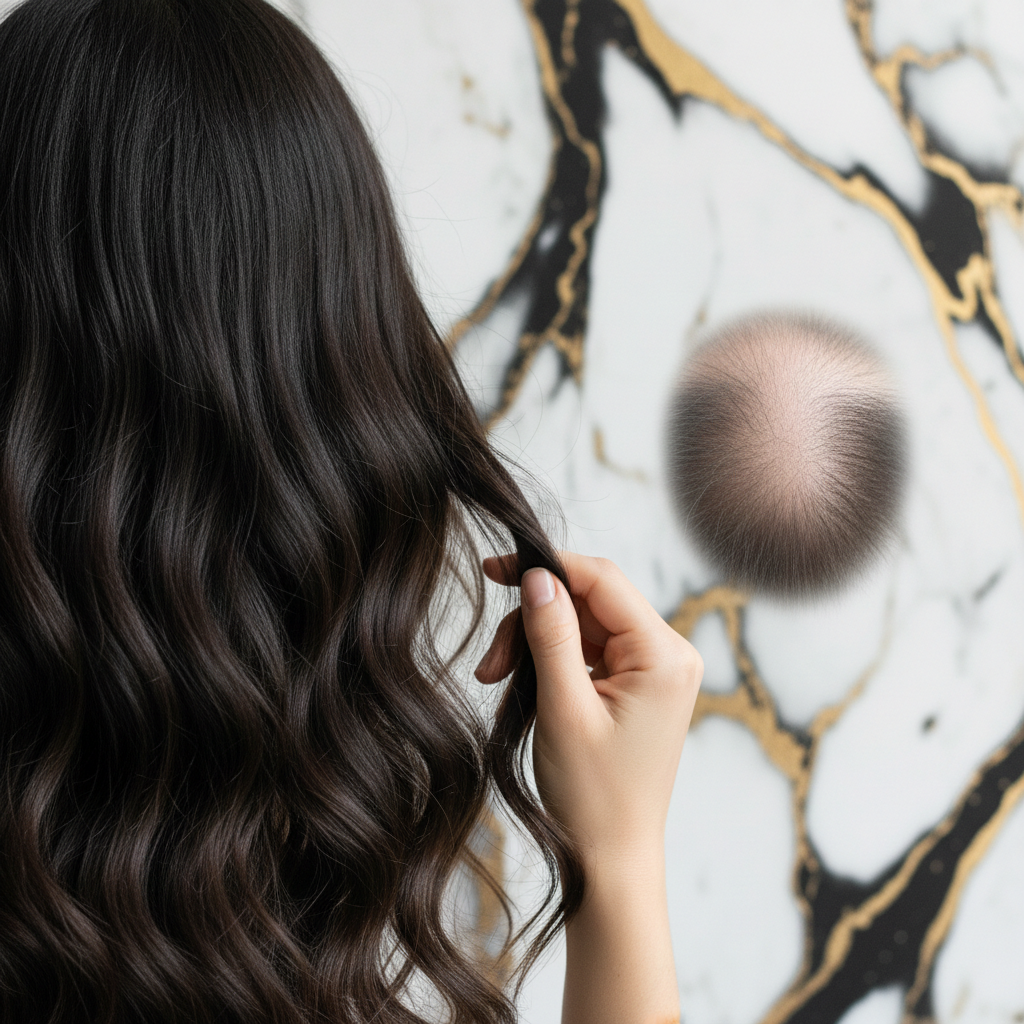
Evidence from dermatological studies indicates that it's entirely normal for a person to shed approximately 50 to 100 hairs per day. This number can fluctuate based on factors like hair washing frequency, styling habits, and even hormonal changes. For example, some individuals experience increased shedding in autumn or spring, or after pregnancy (telogen effluvium). This type of shedding is generally temporary and reversible, as the follicles remain active and produce new hairs.
In contrast, hair loss, medically termed alopecia, refers to a condition where there is a net reduction in the number of hair follicles or a significant impairment of the hair growth cycle. This isn't just about old hairs falling out; it's about new hairs failing to grow or growing much thinner and weaker. Alopecia can manifest in various forms, such as androgenetic alopecia (pattern baldness), alopecia areata (autoimmune condition causing patchy loss), or scarring alopecia (follicle destruction). These conditions often involve genetic predispositions, hormonal imbalances, immune system dysfunction, or physical damage to the scalp that prevents new hair growth. The key difference is that with hair loss, the hair follicles themselves are often compromised, leading to a persistent reduction in hair density.
The mechanism of shedding: a natural cycle
Hair follicles on the human scalp are not synchronised; each operates on its own growth cycle. This asynchronous growth ensures that we don't experience mass shedding, unlike some animals. The anagen phase, where hair actively grows, can last for 2 to 7 years. Following this, the catagen phase is a short transition lasting about 2 to 3 weeks, during which the hair follicle shrinks. Finally, the telogen (resting) phase lasts for about 3 months. During this phase, the hair is dormant, and eventually, it detaches from the follicle, making way for a new anagen hair to emerge.
When shedding occurs, it typically means hairs in the telogen phase are being released. If the cycle is healthy, a new hair immediately begins to grow from the same follicle. Temporary conditions like telogen effluvium occur when a significant number of hairs prematurely enter the telogen phase due to a stressor (e.g., illness, surgery, childbirth, severe emotional stress, certain medications). This results in a sudden, noticeable increase in shedding about 2 to 3 months after the trigger, lasting typically for 3 to 6 months until the cycle normalises.
The mechanism of hair loss: compromised growth
Hair loss, or alopecia, indicates a more fundamental problem with the hair follicle itself. In androgenetic alopecia, for instance, a genetic sensitivity to dihydrotestosterone (DHT) causes follicles to gradually miniaturise. This means each new hair grows back thinner, shorter, and lighter in colour with each cycle, eventually leading to a complete cessation of hair production from that follicle. This process is progressive and leads to characteristic patterns of hair thinning, such as a receding hairline or thinning at the crown in men, and diffuse thinning over the top of the scalp in women.
Other forms of hair loss have different mechanisms. Alopecia areata, an autoimmune condition, involves the immune system mistakenly attacking healthy hair follicles, leading to sudden, often circular patches of hair loss. Scarring alopecias (cicatricial alopecias) involve inflammation that permanently destroys the hair follicle, replacing it with scar tissue, meaning hair can never regrow in those areas. Each type of hair loss involves a distinct pathology that prevents the normal, robust growth of new hair.
Signs to look for
Recognising the signs of shedding versus hair loss can help you understand what's happening with your hair.
Signs of normal hair shedding:
- Diffuse thinning: You might notice more hairs on your pillow, in your brush, or in the shower drain, but your overall hair density doesn't appear significantly reduced.
- Temporary: The increased shedding is often linked to a recent event (stress, illness, seasonal change) and tends to resolve within a few months.
- Even distribution: Shedding occurs relatively evenly across the entire scalp.
Signs of hair loss (alopecia):
- Receding hairline: Particularly common in men, where the hairline moves back from the temples.
- Widening part: In women, the part line on the top of the head often becomes noticeably wider.
- Bald spots or patches: Circular or irregularly shaped areas of complete hair absence, characteristic of alopecia areata or scarring alopecias.
- Overall reduction in hair density: Your hair feels and looks significantly thinner, and your scalp might be more visible than before.
- Persistent: The thinning or loss continues or progresses over time, rather than resolving.
- Miniaturised hairs: New hairs growing in affected areas are noticeably finer and weaker.
What you can do
For normal shedding, consistent good haircare practices are usually sufficient. This includes gentle washing, conditioning, and avoiding harsh styling techniques that can cause breakage. A balanced diet rich in vitamins and minerals is also beneficial for overall hair health. If you suspect increased shedding due to telogen effluvium, managing stress, addressing any underlying health issues, and ensuring adequate nutrition can help your hair cycle return to normal.
For diagnosed hair loss, specific treatments vary greatly depending on the type and cause. These can include topical treatments (e.g., minoxidil), oral medications, steroid injections, or even hair transplant surgery. It's essential to consult with a dermatologist or trichologist for an accurate diagnosis and personalised treatment plan.
When the cause may be something else
Sometimes, what appears to be shedding or hair loss is actually hair breakage. Hair breakage occurs when the hair shaft snaps due to external damage, not because it has fallen out from the follicle. This is often caused by:
- Chemical damage: Perms, relaxers, bleaching, and excessive colouring can weaken the hair structure.
- Heat damage: Overuse of hot styling tools like straighteners, curling irons, and blow dryers without heat protection.
- Mechanical stress: Tight hairstyles, aggressive brushing, or excessive friction.
- Poor hair condition: Lack of moisture, protein, or general care can make hair brittle and prone to snapping.
If your hair appears shorter, or you find many small, broken pieces of hair rather than full-length strands with a bulb at the end, breakage is likely the issue. This isn't a problem with the follicle but with the hair fibre itself.
When to get professional advice
You should seek professional advice from a GP, dermatologist, or trichologist if you notice any of the following:
- A sudden and significant increase in hair shedding that lasts for more than a few months.
- Development of bald patches or spots on your scalp.
- A noticeably receding hairline or widening part.
- Scalp itching, burning, pain, or redness alongside hair changes.
- Any persistent and unexplained changes in your hair's density or texture.
- Concerns that your hair loss might be related to an underlying medical condition or medication.
Early diagnosis can be crucial, particularly for progressive forms of hair loss, as some treatments are more effective when started sooner.
Shedding vs. Hair Loss: A Comparison
| Feature | Hair Shedding (Telogen Effluvium) | Hair Loss (Alopecia) | Features | Hair Shedding (Telogen Effluvium) | Hair Loss (Alopecia) | Hair Breakage | |:--------------------|:--------------------------------------------------------------------|:---------------------------------------------------------------------------------------------------------------------|:--------------------------------------------------| | Definition | Normal process of old hair shedding and new hair growth | Medical condition where hair growth is impaired or stopped | Hair shaft snaps due to external damage | | Amount | 50 to 100 hairs per day (can be higher temporarily) | Varies, but often a noticeable, persistent reduction in overall hair density | Hair appears shorter, often with split ends | | Timing | Part of the continuous hair cycle; temporary increases linked to stressors | Progressive and persistent; can be sudden (e.g., alopecia areata) or gradual (e.g., androgenetic alopecia) | Occurs with physical/chemical stress over time | | Hair Condition | Hairs shed are usually full-length, often with a white bulb at the root | Hairs may become miniaturised (finer, shorter) or cease to grow entirely; bald patches or receding areas | Broken hairs are typically shorter pieces, without a root bulb | | Cause | Natural end of telogen phase; temporary stressors (e.g., illness, hormones) | Genetics, hormones (DHT), autoimmune issues, follicle damage, underlying medical conditions | Chemical treatments, heat styling, harsh brushing, lack of moisture | | Follicle Status | Healthy, active, and producing new hair | Compromised, miniaturised, or destroyed | Healthy follicle, but damaged hair shaft | | Prognosis | Typically resolves on its own; hair regrows naturally | Often requires medical intervention; prognosis varies greatly by type | Reversible with improved haircare and avoiding damage |
Frequently asked questions about Understanding Hair Shedding vs. Hair Loss
How much hair shedding is normal per day?
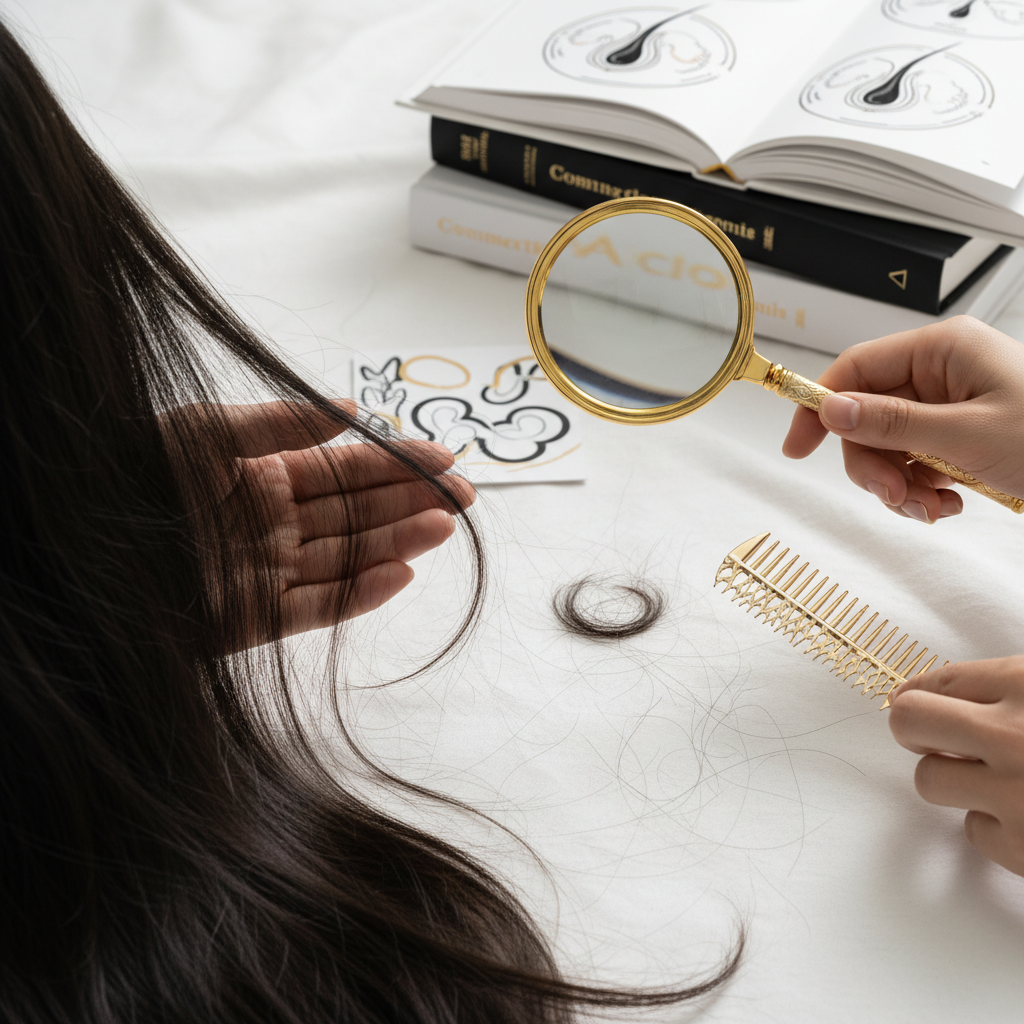
It's considered normal to shed between 50 and 100 hairs each day. This is part of the natural hair growth cycle, as old hairs make way for new ones. You might notice more hairs on your brush or in the shower, but this shouldn't lead to a visible reduction in your hair's overall thickness. Factors like washing frequency can also influence how many hairs you see shed on a given day.
Can stress cause hair shedding?
Yes, significant physical or emotional stress can absolutely lead to increased hair shedding. This condition is called telogen effluvium. It occurs when a stressful event causes a larger than normal proportion of your hair to prematurely enter the resting (telogen) phase. The increased shedding typically begins about 2 to 3 months after the stressful event and usually resolves within 3 to 6 months once the stress is managed.
Is it possible to stop hair shedding completely?
No, it's not possible or desirable to stop hair shedding completely because it's a fundamental part of the hair's natural life cycle. Hairs must shed to allow new ones to grow. The goal is to ensure that the shedding is within a normal range and that new hair growth is healthy. If you're experiencing excessive shedding, the aim is to identify and address the underlying cause to normalise the cycle.
How do I know if I have hair loss or just shedding?
Understanding Hair Shedding vs. Hair Loss largely depends on the pattern and persistence. If you notice a receding hairline, widening part, or distinct bald patches, it's more likely hair loss. If shedding is diffuse, temporary, and doesn't lead to a noticeable reduction in overall hair density, it's probably normal shedding or telogen effluvium. When in doubt, a professional diagnosis is always recommended.
Can hair products cause hair loss or shedding?
Cosmetic hair products generally do not cause true hair loss (alopecia), which affects the follicle. However, some products can cause hair breakage if they are harsh, drying, or used incorrectly, leading to the appearance of thinner hair. Additionally, some individuals may experience temporary shedding if they have an allergic reaction or irritation to certain ingredients, but this is usually reversible once the product is discontinued. For afro, curly or wavy hair, products like Frojus are specifically formulated to reduce breakage by prioritising moisture and gentle care.
When should I see a doctor for hair concerns?
You should see a doctor or dermatologist if your hair shedding is sudden, excessive, persistent, or if you develop bald patches, a receding hairline, or any scalp discomfort like itching or pain. These could be signs of an underlying medical condition or a form of alopecia that requires professional diagnosis and treatment. Early intervention can often lead to better outcomes.
Conclusion
Distinguishing between hair shedding and hair loss is a vital step in maintaining healthy hair and scalp. While shedding is a normal, temporary process, hair loss signifies a more complex underlying issue with the hair follicles themselves. Recognising the distinct signs, understanding the mechanisms, and knowing when to seek professional help are crucial. Understanding Hair Shedding vs. Hair Loss empowers you to take appropriate action, whether that's adjusting your haircare routine or consulting a specialist for targeted treatment. For those looking to support their hair's natural vitality and strength, Watermans Haircare offers products designed to optimise scalp health and promote the appearance of fuller, thicker-looking hair.
Sources and references
- American Academy of Dermatology Association, "Hair Loss: Diagnosis and Treatment", Year not specified, aad.org
- British Association of Dermatologists, "Hair Loss", Year not specified, bad.org.uk
- NHS, "Hair loss", Year not specified, nhs.uk
- National Institute of Arthritis and Musculoskeletal and Skin Diseases (NIAMS), "Alopecia Areata: Questions and Answers", 2020, niams.nih.gov