Hair Masks for Dry Hair: Deep Hydration for Parched Strands
4 min read ·
Hair Masks for Dry Hair offer concentrated conditioning to improve moisture levels, reduce breakage, and enhance the overall health and appearance of dry, brittle hair.
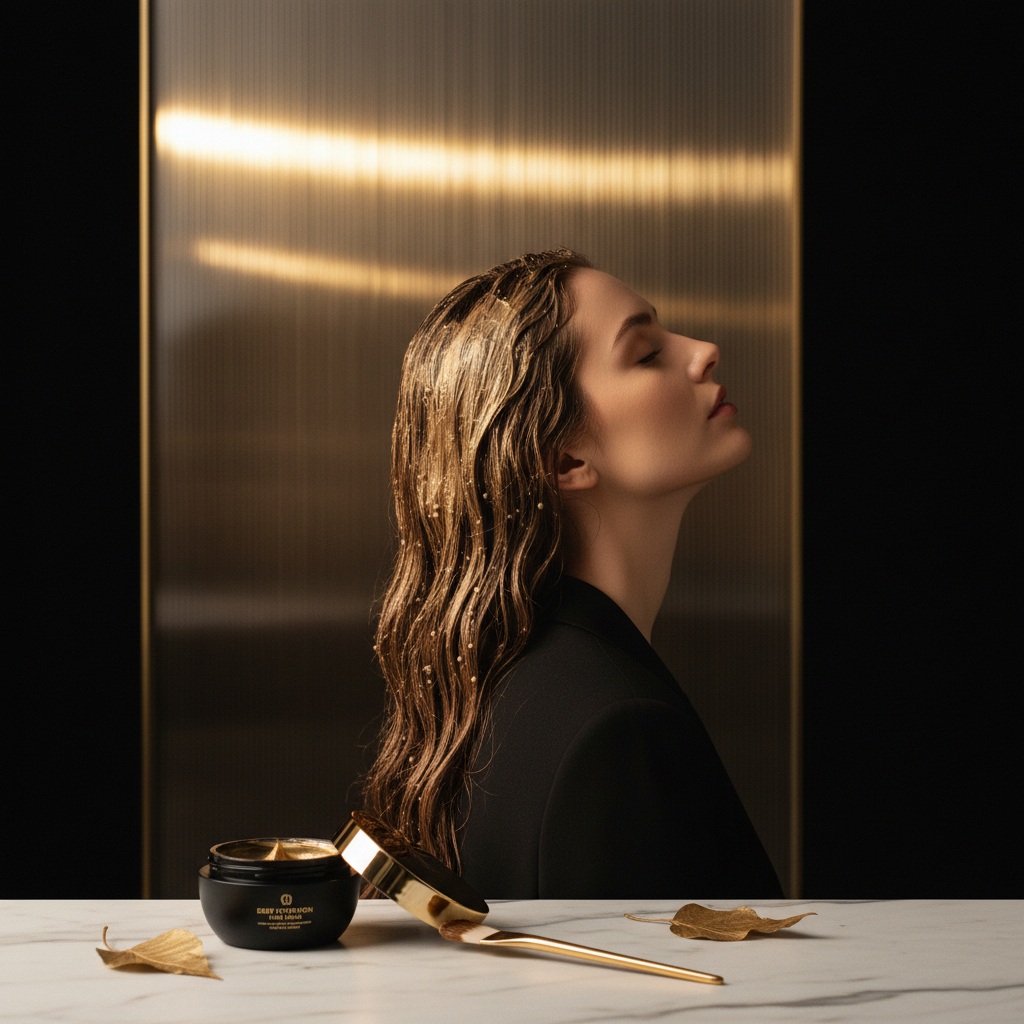
Quick answer: Hair Masks for Dry Hair are intensive conditioning treatments formulated with a higher concentration of beneficial ingredients than regular conditioners to deeply moisturise and strengthen parched strands. They work by penetrating the hair shaft to replenish lost moisture, smooth the cuticle, and reduce signs of damage, resulting in softer, shinier, and more manageable hair. While highly effective for improving hair's cosmetic appearance, they do not treat underlying medical conditions that might cause dryness.
Key takeaways
- Hair masks provide a concentrated dose of moisture and nutrients to dry hair, improving its feel and appearance.
- They work by smoothing the hair's outer cuticle layer and, in some cases, temporarily reinforcing the hair fibre.
- Key ingredients often include humectants (e.g., glycerin), emollients (e.g., natural oils, butters), and hydrolysed proteins.
- Regular use, typically once or twice a week, can significantly reduce symptoms like frizz, dullness, and increased susceptibility to breakage.
- For persistent or severe dryness, especially if accompanied by scalp irritation or shedding, consulting a dermatologist or trichologist is advisable.
Hair Masks for Dry Hair: what the evidence shows
Hair Masks for Dry Hair are deep conditioning treatments designed to deliver an intensive boost of hydration and nourishment to hair that lacks sufficient moisture. Unlike standard daily conditioners, hair masks typically contain a higher concentration of active ingredients, such as emollients, humectants, and hydrolysed proteins, allowing them to penetrate the hair shaft more deeply and provide longer-lasting benefits. Their primary role is to improve the cosmetic characteristics of dry hair, making it feel softer, look shinier, and be more manageable.
The effectiveness of hair masks largely stems from their ability to improve the condition of the hair's outer layer, the cuticle. In dry or damaged hair, the cuticle scales can be raised, leading to a rough texture, increased friction, and greater vulnerability to damage and moisture loss. Hair masks work to smooth these scales, creating a more uniform surface that reflects light better (enhancing shine) and reduces friction between hair fibres (leading to less tangling and breakage). The rich ingredients also help to temporarily fill in gaps and reinforce the hair structure, which can make the hair feel stronger and more resilient.
Controlled research consistently shows that treatments rich in emollients and humectants can significantly increase the hair fibre's elasticity and reduce its porosity, leading to improved moisture retention. For instance, studies on the effects of various oils, such as coconut oil, have demonstrated their ability to penetrate the hair shaft and reduce protein loss, especially during washing, which is crucial for maintaining hair strength and integrity. Other ingredients, like panthenol, are known to bind to the hair surface, providing lubrication and a perceived increase in diameter, contributing to a fuller feel.
The mechanism of action: How hair masks tackle dryness
Dry hair often results from a compromised cuticle, the protective outer layer of each hair strand, which allows moisture to escape. When the cuticle is damaged or raised, hair feels rough, looks dull, and is more prone to frizz and breakage. Hair masks are formulated to address these issues through a combination of mechanisms:
- Replenishing moisture: Humectants, such as glycerin and hyaluronic acid, draw water from the environment into the hair shaft, increasing its internal moisture content. This plumps the hair fibre, making it more flexible and less prone to snapping.
- Sealing the cuticle: Emollients, including natural oils (like argan or coconut oil) and butters (like shea butter), form a protective film on the hair surface. This film smooths down the cuticle scales, reducing friction, enhancing shine, and physically sealing in the moisture provided by humectants. This barrier also protects against further moisture loss and environmental damage.
- Temporary fibre reinforcement: Hydrolysed proteins (e.g., wheat, keratin, or lupin protein) have a low molecular weight, allowing them to temporarily enter the hair shaft or deposit on its surface. They can help to patch up areas of damage, adding structural support and reducing the likelihood of breakage. However, this effect is temporary and cosmetic, not a permanent repair of the hair's internal structure.
- Reducing friction and static: The lubricating effect of emollients helps to reduce friction between hair strands, which is a major contributor to tangling and breakage, especially in dry hair. This also helps to minimise static electricity, leading to less frizz and flyaways.
By working on these levels, hair masks improve the hair's ability to retain moisture, enhance its physical properties, and provide a smoother, shinier appearance.
What the evidence does not show
While effective for cosmetic improvement, it
Find these ingredients in Watermans products
- Panthenol (Provitamin B5): you will find this ingredient in our Heat Protection Spray.
- Shea Butter: you will find this ingredient in our Curly Hair Conditioner.