Understanding Hair Growth Cycles
4 min read ·
Hair growth occurs in three distinct phases: anagen, catagen, and telogen, each playing a crucial role in the hair shaft's life.
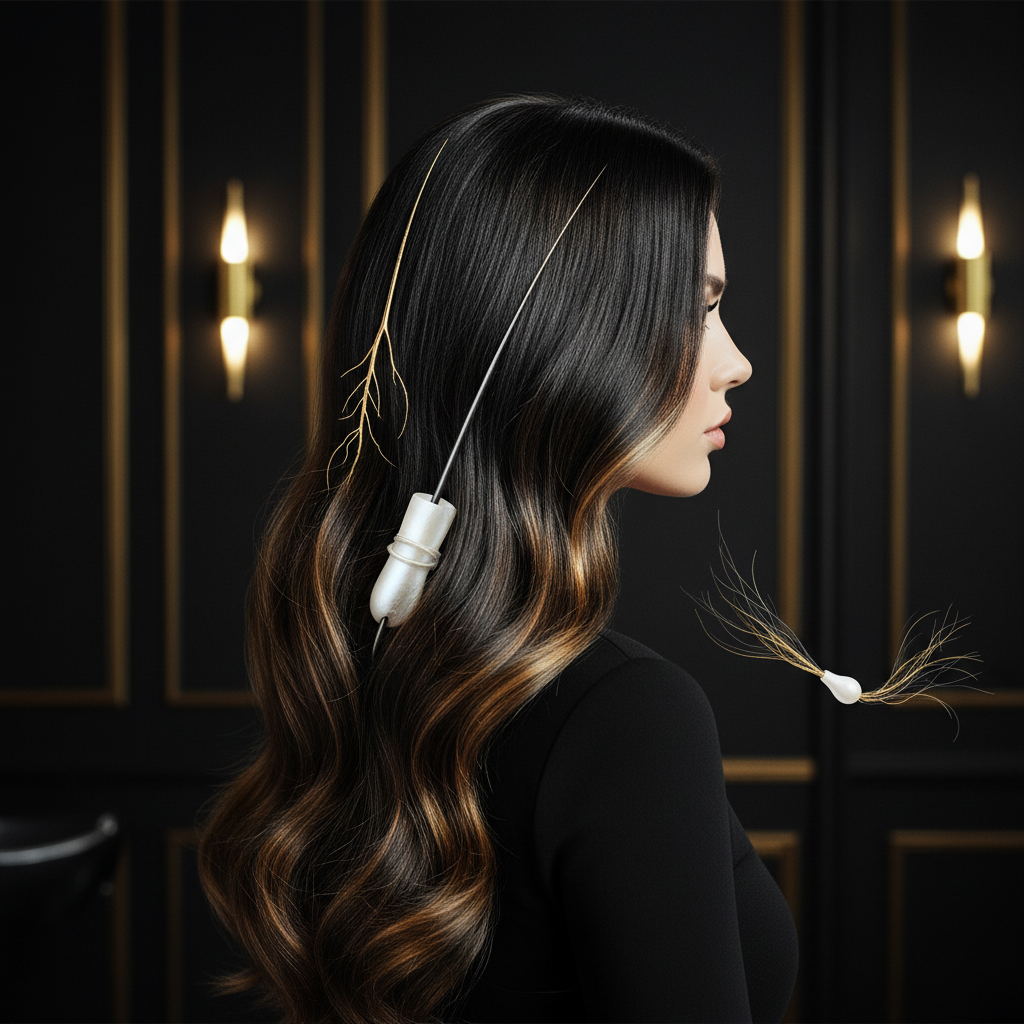
Hair growth is a fascinating biological process, occurring in a cyclical pattern across three main phases: anagen, catagen, and telogen. A proper understanding of these phases is fundamental to appreciating how hair grows, why shedding occurs, and how various factors can influence overall hair health and density.
The Anagen Phase: Active Growth
The anagen phase is the active growth period for hair. During this stage, cells in the hair follicle rapidly divide, forming new hair fibres. The longer a hair remains in the anagen phase, the longer it can grow.
- Duration: This phase typically lasts between two to seven years, varying significantly from person to person and across different body locations. For example, the anagen phase for scalp hair is much longer than for eyebrow hair.
- Characteristics: Hair in the anagen phase is firmly attached to the scalp, nourished by blood supply at the base of the follicle. Approximately 85-90% of all hairs on the head are in the anagen phase at any given time.
- Factors Influencing Duration: Genetics predominantly dictate the length of the anagen phase. However, nutrition, overall health, age, and even stress levels can influence its duration. Certain medical conditions and medications can prematurely shorten this phase, leading to increased shedding and reduced hair density.
The Catagen Phase: Transitional Stage
Following the anagen phase, hair enters the catagen phase, a short transitional period.
- Duration: This phase generally lasts about two to three weeks.
- Characteristics: During catagen, the hair follicle shrinks, detaching from the dermal papilla, which is the nourshing blood supply. The hair shaft stops growing and becomes a "club hair", meaning it has a bulb at the base that is no longer active. Only about 1% of scalp hairs are in this phase at any given time.
- Purpose: The catagen phase is essentially a preparation for the resting phase. It allows the follicle to regenerate and prepare for a new cycle of growth.
The Telogen Phase: Resting and Shedding
Article: Telogen Effluvium
The telogen phase is the resting stage before the hair is shed.
- Duration: This phase typically lasts around two to four months.
- Characteristics: During telogen, the club hair rests in the follicle. Approximately 10-15% of scalp hairs are in this phase. At the end of the telogen phase, the old hair is shed to make way for new hair growth, which begins anagen once more in the same follicle.
- Normal Shedding: It is normal to shed 50 to 100 telogen hairs per day. This is a natural part of the hair cycle and not a cause for concern. Excessive shedding beyond this range may indicate an underlying issue.
- Exogen Phase: Some researchers refer to an additional exogen phase, which is the active shedding portion of the telogen phase. This distinct period highlights the process of hair release from the follicle.
The Impact of the Hair Cycle on Hair Health
Understanding the hair growth cycle is critical for diagnosing and treating various hair conditions. For instance, a condition called telogen effluvium involves a higher-than-normal percentage of hairs entering the telogen phase prematurely, leading to diffuse shedding. Androgenic alopecia, commonly known as male or female pattern baldness, is characterized by a shortening of the anagen phase and miniaturization of hair follicles, resulting in finer, shorter hairs.
Maintaining a healthy scalp environment and providing essential nutrients can support optimal hair growth. Ensuring proper nutrition, managing stress, and using haircare products formulated to support hair health can help prolong the anagen phase and minimise premature shedding. For example, products containing ingredients that stimulate blood flow to the scalp or provide key vitamins and minerals can contribute to a healthier growth cycle.
Summary of Hair Growth Phases
| Phase | Duration | Characteristics | Percentage of Hairs (Scalp) |
|---|---|---|---|
| Anagen | 2-7 years | Active growth, hair firmly attached | 85-90% |
| Catagen | 2-3 weeks | Transitional, follicle shrinks, club hair forms | ~1% |
| Telogen | 2-4 months | Resting, shedding, new anagen begins | 10-15% |
This cyclical nature of hair growth ensures that hair is continuously renewed, maintaining overall hair density and health. Disruptions to this cycle, whether due to genetics, lifestyle, or health conditions, can manifest as changes in hair thickness, growth rate, and shedding patterns.
Where Watermans fits
If you want a routine built around the science above, these are the products from the range that apply here: