Hair Damage and Nutrition
6 min read ·
Understanding how nutrition impacts hair health is crucial for preventing damage and maintaining strong, vibrant hair from the inside out.
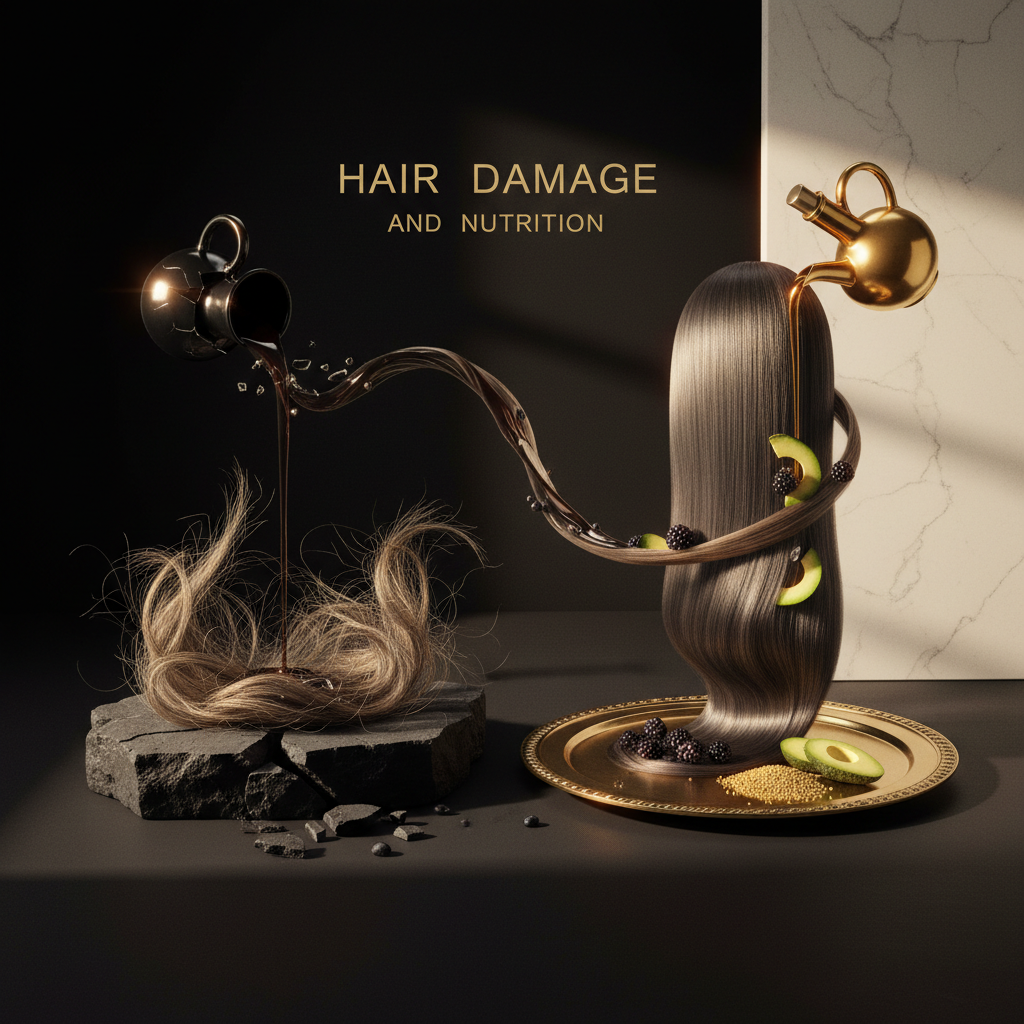
The Role of Nutrition in Hair Health
Healthy hair is a reflection of overall bodily well-being, with nutrition playing a foundational role. While topical treatments address external concerns, the building blocks for hair growth, strength, and resilience are supplied through the diet. Deficiencies in key nutrients can lead to various forms of hair damage, including thinning, breakage, and dullness.
Essential Nutrients for Hair
- Proteins: Hair is primarily composed of a protein called keratin. Adequate protein intake is essential for keratin production and overall hair structure. Insufficient protein can lead to weaker hair strands and reduced growth.
- Vitamins:
- Vitamin A: Important for cell growth, including hair cells. It also helps in producing sebum, the natural oil that conditions the scalp and hair. However, excessive Vitamin A can lead to hair loss.
- B Vitamins: Biotin (B7) is widely recognized for its role in hair health, contributing to keratin infrastructure. Other B vitamins like B12 and folate are crucial for red blood cell production, which carries oxygen and nutrients to the hair follicles. Niacin (B3) helps improve blood circulation to the scalp.
- Vitamin C: A powerful antioxidant that helps protect against oxidative stress, which can lead to hair aging. It is also vital for collagen production, a protein that is part of the hair structure, and aids in iron absorption.
- Vitamin D: Linked to hair follicle cycling and new hair growth. Deficiencies have been associated with hair loss.
- Vitamin E: Another antioxidant that helps protect hair follicles from damage and supports healthy circulation.
- Minerals:
- Iron: Essential for red blood cells to carry oxygen to cells, including hair follicles. Iron deficiency (anemia) is a common cause of hair loss.
- Zinc: Plays a crucial role in hair tissue growth and repair, and helps keep the oil glands around the follicles working properly. Deficiency can lead to hair loss, while excess can also cause problems.
- Selenium: Important for thyroid function, which indirectly impacts hair growth. It also has antioxidant properties.
- Omega-3 Fatty Acids: Found in certain oils and fish, these healthy fats are anti-inflammatory and support scalp health, contributing to shinier, healthier hair.
Common Types of Hair Damage and Nutritional Links
Hair damage can manifest in various ways, often exacerbated or influenced by nutritional status.
Brittleness and Breakage
Brittle hair that breaks easily can indicate a lack of protein, iron, or biotin. These nutrients are vital for the structural integrity and elasticity of the hair shaft. When the hair lacks sufficient internal strength, it becomes more susceptible to external stressors like heat styling, chemical treatments, and even brushing.
Thinning and Hair Loss
While genetics and hormonal factors are significant contributors, nutritional deficiencies are a common reversible cause of hair thinning and loss. Iron deficiency anemia is a primary culprit, as is a lack of protein, zinc, and B vitamins. Severe caloric restriction or rapid weight loss can also trigger telogen effluvium, a temporary hair shedding condition, due to the body diverting resources from non-essential functions like hair growth.
Dullness and Lack of Luster
Healthy hair reflects light, appearing shiny and vibrant. Dull hair often indicates a compromised outer cuticle layer, which can be a result of nutrient deficiencies. Omega-3 fatty acids, vitamins A and E, and adequate hydration contribute to a smooth, light-reflecting cuticle and healthy sebum production, leading to natural luster.
Slow Growth
Hair growth is an active metabolic process that requires a continuous supply of energy and raw materials. Deficiencies in protein, B vitamins, and iron can slow down the rate of hair growth, making it difficult to achieve desired length.
The Impact of Diet on Scalp Health
Scalp health is inextricably linked to hair health, as the hair follicles reside within the scalp. A healthy diet supports a balanced scalp microbiome and proper sebum production, which are essential for strong growth.
Inflammation and Dryness
Diets high in processed foods, sugar, and unhealthy fats can promote inflammation throughout the body, including the scalp. Chronic scalp inflammation can impair follicle function and contribute to conditions like dandruff and seborrheic dermatitis. Omega-3 fatty acids, with their anti-inflammatory properties, can help mitigate these issues. Adequate hydration is also crucial for maintaining scalp moisture and preventing dryness.
Sebum Production
Sebum is a natural oil produced by the sebaceous glands in the scalp, essential for keeping hair and scalp moisturized and protected. Vitamin A and zinc are involved in regulating sebum production. Both excessive and insufficient sebum can lead to scalp problems and impact hair quality.
Best Dietary Practices for Hair Health
To promote optimal hair health through nutrition, a balanced and varied diet is key. Focus on nutrient-dense whole foods.
- Lean Proteins: Include sources like poultry, fish, eggs, legumes, and lean meats daily.
- Fruits and Vegetables: Consume a wide array of colorful fruits and vegetables for a broad spectrum of vitamins, minerals, and antioxidants.
- Healthy Fats: Incorporate foods rich in omega-3 fatty acids, such as fatty fish (salmon, mackerel), flaxseeds, chia seeds, and walnuts.
- Whole Grains: Choose whole grains over refined grains for B vitamins and iron.
- Hydration: Drink plenty of water throughout the day to support overall cellular function, including hair and scalp health.
Nutritional Supplements
While a balanced diet should be the primary source of nutrients, supplements can be beneficial in cases of diagnosed deficiencies or increased nutritional needs. However, it is crucial to approach supplementation carefully. Excessive intake of certain vitamins and minerals can be detrimental to health, and some can even exacerbate hair loss. Always consult a healthcare professional before starting any new supplement regimen to ensure it is appropriate for individual needs and to avoid potential interactions.
Caution with Over-supplementation
For example, while adequate selenium and Vitamin A are important, high doses can lead to hair loss and other toxicities. Similarly, excessive zinc intake can interfere with copper absorption. It is critical to adhere to recommended daily allowances unless otherwise advised by a medical professional.
Lifestyle Factors Beyond Diet
While nutrition is paramount, other lifestyle factors also significantly influence hair health and can contribute to or alleviate damage.
- Stress Management: Chronic stress can disrupt the hair growth cycle, leading to increased shedding. Techniques like mindfulness, exercise, and adequate sleep are beneficial.
- Gentle Hair Care: Avoid excessive heat styling, tight hairstyles, and harsh chemical treatments that can physically damage the hair shaft and scalp. Using protective products, such as those that shield against heat, can mitigate some of this damage.
- Adequate Sleep: Sufficient rest allows the body to repair and regenerate, which includes the cellular processes involved in hair growth.
- Regular Exercise: Improves blood circulation, delivering essential nutrients and oxygen to hair follicles more efficiently.
By addressing both internal nutrition and external care practices, individuals can significantly improve hair health, minimise damage, and promote strong, vibrant hair.", seo_title=
Find these ingredients in Watermans products
- Biotin, you will find this ingredient in our Hair Growth Shampoo.
- Zinc, you will find this ingredient in our Hair Vitamins.