Hair Care During Pregnancy
2 min read ·
Navigating hair changes during pregnancy involves understanding hormonal influences and adapting routines to maintain hair health and address common concerns like shedding or oiliness.
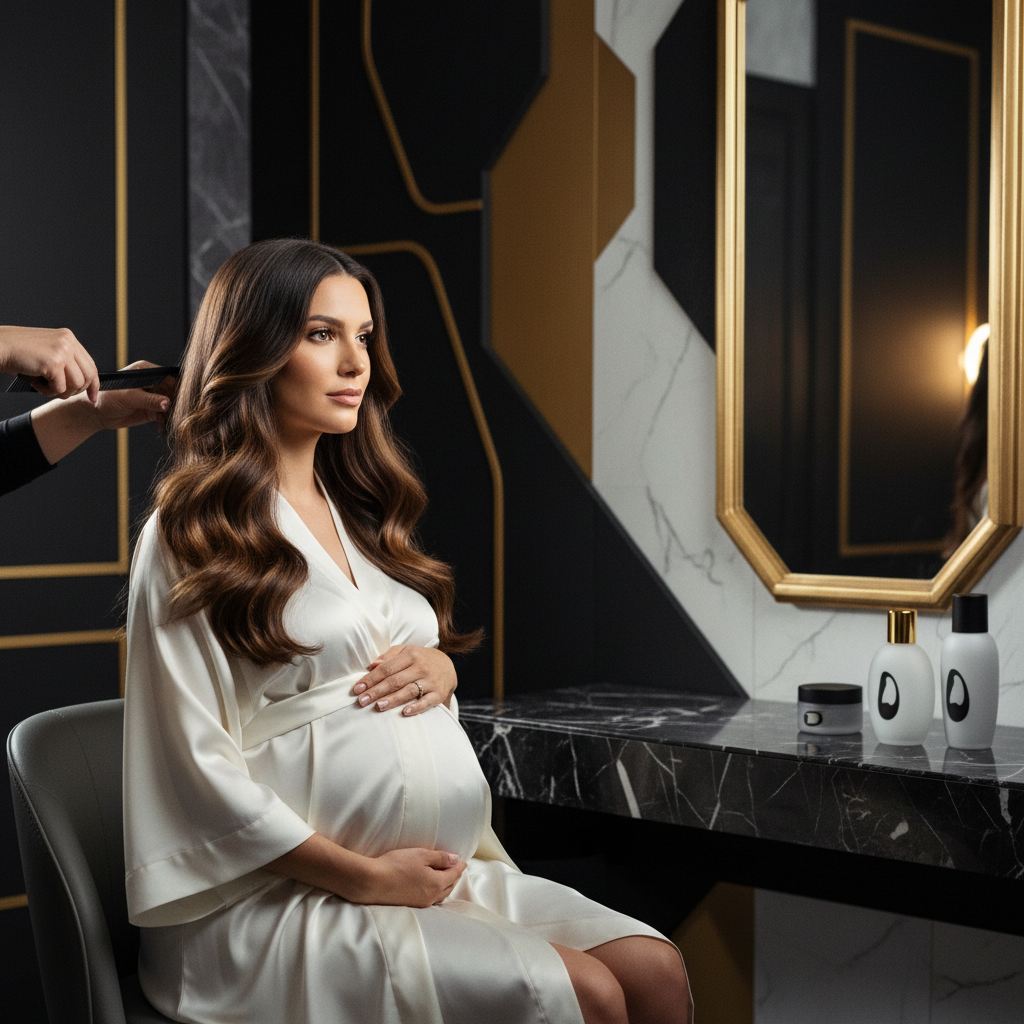
Hormonal Influences on Hair During Pregnancy
Pregnancy introduces a cascade of hormonal changes, primarily fluctuations in estrogen and progesterone. These hormones significantly influence the hair growth cycle, which consists of three main phases:
- Anagen (Growth Phase): Hair follicles actively produce hair strands.
- Catagen (Transition Phase): The hair follicle shrinks, and hair growth stops.
- Telogen (Resting Phase): The hair detaches from the follicle, and a new anagen hair begins to form, pushing out the old hair.
During pregnancy, elevated estrogen levels often extend the anagen phase, leading to a noticeable increase in hair density for many individuals. This decrease in normal shedding can make hair appear thicker and fuller. Conversely, some individuals may experience increased oiliness due to heightened sebum production, which is also influenced by hormonal shifts.
Common Hair Concerns During Pregnancy
While some experience a "pregnancy glow," others may encounter various hair-related challenges:
- Increased Hair Growth or Density: As mentioned, prolonged anagen phase can lead to more hair on the head and sometimes even on other parts of the body.
- Greasy or Oily Hair: Hormonal changes can stimulate sebaceous glands, leading to an overproduction of sebum (natural skin oil). This can make hair feel oilier and require more frequent washing.
- Dry or Brittle Hair: Less commonly, some individuals may experience increased dryness or brittleness in their hair. This could be influenced by changes in hydration levels or nutritional intake.
- Scalp Sensitivity: The scalp may become more sensitive or irritable during pregnancy, reacting differently to certain products or environmental factors.
These changes are temporary and typically revert to pre-pregnancy states within a few months after childbirth.
Post-Pregnancy Hair Shedding (Telogen Effluvium)
One of the most widely reported hair concerns related to pregnancy occurs after delivery. This phenomenon, known as postpartum telogen effluvium, is a result of the sudden drop in estrogen levels. The large number of hairs that remained in the anagen phase during pregnancy rapidly shift into the telogen phase. Approximately two to four months after childbirth, these resting hairs are shed simultaneously, leading to noticeable hair loss.
This shedding is a normal physiological response and is almost always temporary. Hair typically returns to its normal growth cycle within six to twelve months.
Safe Hair Care Practices During Pregnancy
While most hair care practices are safe during pregnancy, it is prudent to review certain aspects:
Hair Washing and Conditioning
Maintain a regular washing routine tailored to your hair
Where Watermans fits
If you want a routine built around the science above, these are the products from the range that apply here: