Hair Care: A Comprehensive Evidence-Based Guide
10 min read ·
Effective Hair Care involves understanding your hair's unique needs and adopting practices grounded in evidence to maintain its health, appearance, and hygiene.
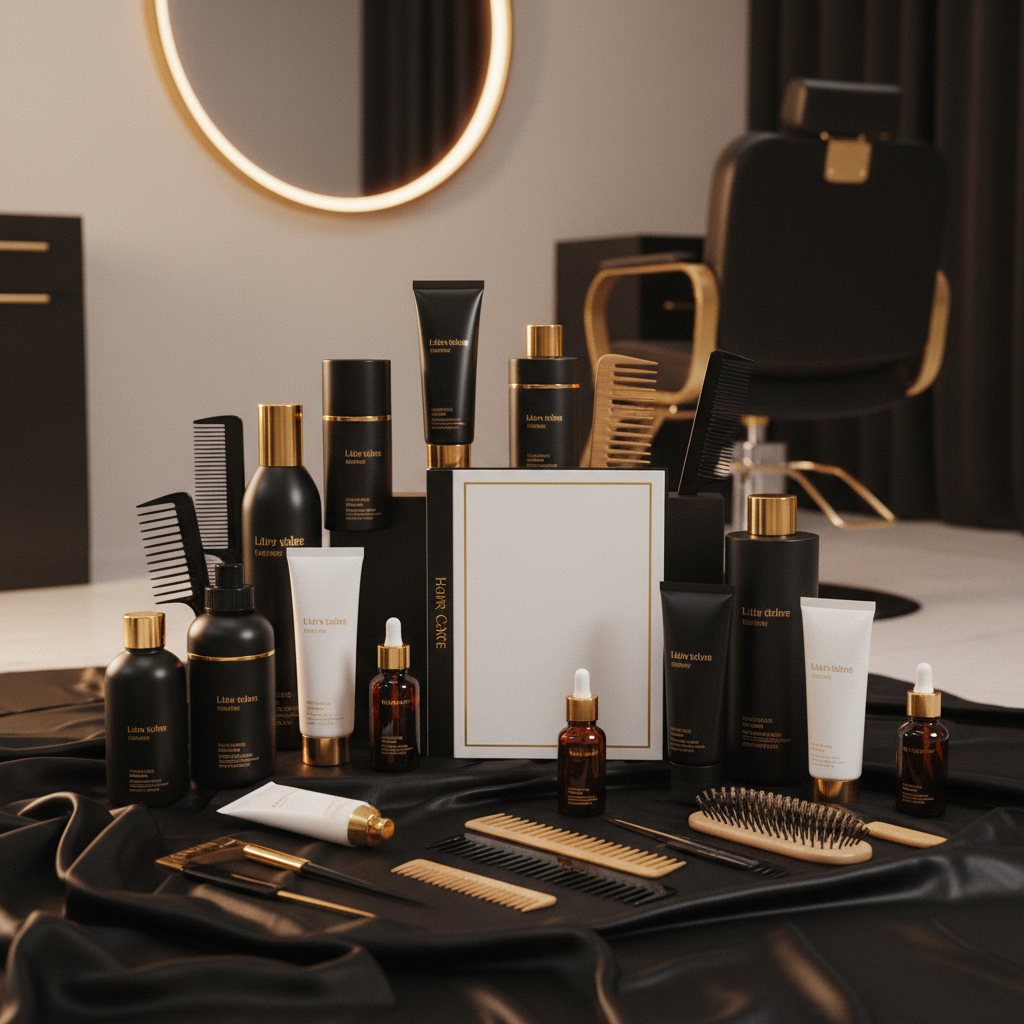
Quick answer: Hair Care refers to the practices and products used to maintain the health, appearance, and hygiene of the hair and scalp. It's a personalised journey, as effective Hair Care routines vary significantly based on individual hair type, lifestyle, and environmental factors. While cosmetics can enhance hair's look and feel, they do not treat underlying medical conditions that affect hair growth or loss, which often require professional medical advice.
Key takeaways
- Hair Care encompasses a range of practices from cleansing and conditioning to styling and protection, all aimed at supporting hair and scalp health.
- Understanding your hair's unique structure, type, and porosity is crucial for selecting appropriate products and techniques.
- A healthy scalp is fundamental for healthy hair growth, and regular, gentle cleansing helps maintain its balance.
- Protection from environmental stressors, such as harsh UV rays and heat styling, is vital to prevent damage and breakage.
- Lifestyle factors, including diet, hydration, and stress management, significantly influence overall hair health.
- Product claims should be evaluated critically; cosmetics enhance hair's appearance and condition, but don't "cure" medical conditions.
Hair Care: what the evidence shows
Hair Care is the intentional maintenance of hair and scalp health through a combination of practices, products, and lifestyle choices. Its primary goal is to keep hair looking and feeling its best, reducing breakage and managing conditions like dryness or oiliness. The effectiveness of any Hair Care routine depends on understanding the hair's biology, its specific characteristics, and the external factors it faces.
Hair Anatomy: understanding your hair
To care for hair effectively, it helps to understand its basic structure (see also: Hair Anatomy: Understanding the Structure and Science of Your Hair). Each hair strand consists of a root, which is anchored in the hair follicle within the skin, and a visible shaft. The hair shaft is made up of three layers:
- Cuticle: This outermost layer is composed of overlapping, scale-like cells. It protects the inner layers from damage and influences the hair's shine and smoothness. A healthy cuticle lies flat, reflecting light well.
- Cortex: The middle layer, making up the bulk of the hair shaft, provides its strength, elasticity, and colour. It contains keratin proteins, which are responsible for the hair's structural integrity.
- Medulla: A central core that is present in some hair types but not all. Its exact function is still being researched, but it may play a role in hair thickness and thermal insulation.
Hair grows in a continuous cycle involving three main phases: anagen (active growth), catagen (transition), and telogen (resting). Disruptions to this cycle, often due to internal health issues, can affect hair growth and shedding patterns. Good Hair Care practices support a healthy growth environment, primarily by maintaining scalp health and preventing damage to the growing hair.
Cleansing and Conditioning: the foundation of Hair Care
Regular cleansing is essential for removing dirt, oil (sebum), dead skin cells, and product buildup from the scalp and hair. This process is typically performed with shampoo, which contains surfactants that emulsify oils and lift impurities away. The frequency of shampooing varies widely among individuals, influenced by factors such as hair oiliness (see also: Oily Scalp: Causes, Management, and When to Seek Help), activity levels, and environmental exposure. For instance, individuals with an oily scalp might wash more frequently than those with dry hair or certain hair types that benefit from less frequent washing, such as Afro-textured hair (see also: Caring for Afro Hair).
Following cleansing, conditioning is crucial. Conditioners are formulated to replenish moisture, detangle, smooth the hair cuticle, and improve manageability (see also: The Science of Conditioners: How Hair Care Formulations Work). They often contain emollients, humectants, and proteins that help to improve hair's texture and manageability, reducing friction and preventing breakage during brushing or styling. Conditioners can be rinse-out, leave-in, or deep conditioning treatments, each offering different levels of hydration and repair.
Evidence suggests that using sulfate-free shampoos may be beneficial for maintaining colour-treated hair and for individuals with sensitive scalps, as they can be gentler cleansing agents (see also: Sulfate-Free Shampoo Benefits). However, traditional sulfates are effective cleansers and safe for most hair types. The key is to choose a product that suits your individual needs and does not cause irritation or excessive dryness.
Product selection: tailoring to your hair type
Selecting the right Hair Care products is paramount. Hair is generally categorised by its texture (straight, wavy, curly, coily), density (fine, medium, thick), and porosity (how well it absorbs and retains moisture, see also: Understanding Hair Porosity: How Your Hair Absorbs and Retains Moisture). Understanding these characteristics helps in choosing formulations that specifically address individual needs.
| Hair Type | Characteristics | Product Considerations | Example Ingredients Commonly Used |
|---|---|---|---|
| Oily | Produces excess sebum, prone to greasiness. | Lightweight formulas, clarifying shampoos (see also: How to Do a Clarifying Wash: A Guide to Deep Hair Cleansing), avoid heavy conditioners and oils near the roots. | Salicylic acid (for scalp), tea tree oil (for scalp), mild surfactants, aloe vera. |
| Dry | Lacks moisture, prone to brittleness and breakage. | Hydrating shampoos and rich conditioners, leave-in treatments, natural oils, minimise heat styling. | Glycerin, hyaluronic acid, argan oil, shea butter, panthenol, hydrolysed proteins. |
| Fine | Small diameter, easily weighed down, can lack volume. | Volumising shampoos and conditioners, lightweight styling products, avoid heavy serums and butters. | Biotin, collagen, rice protein, panthenol, nettle extract. |
| Thick | Large diameter, can be coarse, often requires significant moisture. | Hydrating products, smoothing serums, deep conditioners, styles that enhance manageability. | Keratin, shea butter, coconut oil, avocado oil, jojoba oil. |
| Curly/Coily | Varied curl patterns, prone to dryness, frizz, and tangles. | Hydrating, sulfate-free cleansers, rich conditioners, curl-defining creams, leave-ins, protective styling (see also: Protective Styling: A Comprehensive Guide). | Shea butter, coconut oil, avocado oil, humectants (e.g., glycerin), argan oil, aloe vera. |
| Colour-Treated | Chemically processed, prone to fading, dryness, and damage. | Sulfate-free and colour-safe shampoos, conditioning treatments, UV protection. | Quinoa protein, sunflower extract, antioxidants (e.g., Vitamin E), amino acids, bond-builders. |
Scalp Health: the root of healthy Hair Care
The health of the scalp is intrinsically linked to the health and growth of your hair (see also: Understanding Scalp Health). A healthy scalp is clean, free from irritation, and has balanced sebum production (see also: Sebum Regulation: Understanding and Managing Scalp Oiliness). Conditions such as dandruff, seborrheic dermatitis, and psoriasis can affect scalp health, leading to itching, flaking, and in some cases, temporary hair shedding or irritation that may impact hair quality.
Regular, gentle massage during shampooing can help stimulate blood circulation to the follicles, which is beneficial for nutrient delivery. Some evidence suggests that certain ingredients, such as rosemary extract, may support scalp health and hair growth when applied topically (see also: Rosemary Extract for Hair), though more extensive research is ongoing. Scalp exfoliation can also be beneficial for some individuals to remove buildup, but it should be done gently to avoid irritation (see also: Scalp Exfoliation: Uncovering the Evidence for a Healthier Scalp).
Styling and Protection: preventing damage
Styling practices play a significant role in Hair Care. Excessive heat from styling tools (blow dryers, straighteners, curling irons) can damage the cuticle and inner structure of the hair if not properly mitigated (see also: Heat Styling Safety Best Practices). Using a heat protection spray creates a barrier that helps minimise thermal damage by distributing heat more evenly and reducing direct exposure.
Mechanical stress, such as aggressive brushing, tight hairstyles, or chemical hair treatments (see also: Chemical Hair Treatments: What They Are and How They Affect Hair), can also cause hair breakage. Gently detangling hair, especially when wet and most vulnerable, and using appropriate brushes or combs can significantly reduce physical damage. Protective styles can also help reduce daily manipulation and exposure to environmental stressors, especially for delicate hair types like Afro hair.
Protecting hair from environmental aggressors like UV radiation, pollution, and harsh chemicals (e.g., chlorine in swimming pools) is also important. Wearing hats outdoors or using hair products with UV filters can help prevent sun damage, which can lead to dryness, brittleness, and colour fading.
Lifestyle and Nutrition: holistic Hair Care
Hair health is an indicator of overall bodily health. A balanced diet rich in proteins, vitamins (especially A, C, D, E, and B vitamins like biotin), and minerals (iron, zinc) supports healthy hair growth and strength. Keratin, the primary protein in hair, requires a sufficient intake of dietary protein and specific amino acids for its synthesis. Adequate hydration is also essential for maintaining the moisture content of hair and scalp cells.
Stress, lack of sleep, and certain medications can negatively impact hair health and growth cycles. Chronic stress, for example, is a known trigger for telogen effluvium, a type of temporary hair shedding. Therefore, a holistic approach that includes good nutrition, stress management, and sufficient rest complements external Hair Care routines, contributing to healthier-looking hair from within.
Frequently asked questions about Hair Care
How often should I wash my hair?
The ideal washing frequency for Hair Care depends on your hair type, scalp oiliness, activity level, and environment. People with oily scalps might need to wash every day or every other day, while those with dry, thick, or curly hair may only need to wash once or twice a week. Listen to your hair and scalp, adjusting as needed to keep it clean without stripping natural oils or causing dryness.
Can hard water damage my hair?
Yes, hard water can contribute to hair issues. It contains high levels of dissolved minerals, primarily calcium and magnesium. These minerals can build up on the hair shaft, leaving it feeling dull, stiff, and prone to breakage. This buildup can also make it harder for conditioners to penetrate effectively. Using a clarifying shampoo or a shower filter can help mitigate the effects of hard water (see also: Hard Water and Hair Damage: Understanding the Impact on Your Hair).
What is the best way to prevent hair breakage?
Preventing hair breakage involves gentle handling, proper moisturisation, and protection. Avoid aggressive brushing, especially when hair is wet. Use a wide-tooth comb or your fingers to detangle. Keep your hair well-conditioned and hydrated to maintain its elasticity. Limit heat styling and always use a heat protectant. Regular trims can also help remove split ends before they travel up the hair shaft, reducing further breakage.
Do hair vitamins really work for Hair Care?
While a balanced diet is crucial for hair health, the effectiveness of hair vitamins as supplements is mixed. If you have a specific nutritional deficiency (e.g., iron or biotin deficiency), supplements prescribed by a doctor can help. However, for individuals without deficiencies, there is limited strong evidence to suggest that general hair vitamin supplements significantly improve hair growth or quality beyond what a healthy diet provides. Always consult a healthcare professional before taking supplements.
How can I make my hair grow faster?
There's no scientifically proven method to significantly increase the rate of hair growth, as it's largely determined by genetics (around 0.5 to 1.7 centimetres per month for most people). However, you can support optimal growth by maintaining a healthy scalp environment, eating a balanced diet rich in hair-supporting nutrients, reducing stress, and minimising breakage. Protecting your hair from damage means more of your hair can reach its full potential length without snapping.
Supporting your Hair Care journey
Watermans understands that effective Hair Care is a personal journey, focusing on maintaining hair and scalp health. Our products are formulated to complement a comprehensive Hair Care routine, providing solutions designed to help hair feel stronger and look fuller.
For example, Watermans Hair Growth Shampoo and Conditioner contain ingredients selected to support the appearance of healthy hair. If you have Afro-textured hair, Frojus products are specifically designed with moisturising ingredients to cater to its unique needs, helping to reduce dryness and enhance manageability, forming a crucial part of your daily Hair Care.
Sources and references
- American Academy of Dermatology Association. "Hair care: How to shampoo and condition." Accessed 2023. Www.aad.org
- British Association of Dermatologists. "Hair loss: an overview." Accessed 2023. Www.bad.org.uk
- PubMed Central. "Hair Cosmetics: An Overview." International Journal of Trichology, 2015. DOI: 10.4103/0974-7753.153492
- NHS. "Hair loss." Accessed 2023. Www.nhs.uk/conditions/hair-loss/
- Journal of Clinical and Aesthetic Dermatology. "Hard Water and the Human Body." 2017.
Find these ingredients in Watermans products
- Aloe Vera: you will find this ingredient in our Curly Hair Conditioner.