Frizzy Hair: Understanding the Science Behind Unruly Strands
11 min read ·
Frizzy Hair occurs when the hair cuticle lifts, allowing external moisture to penetrate the hair shaft, causing it to swell and appear rough or unruly, often signalling a need for better hydration and protective care.
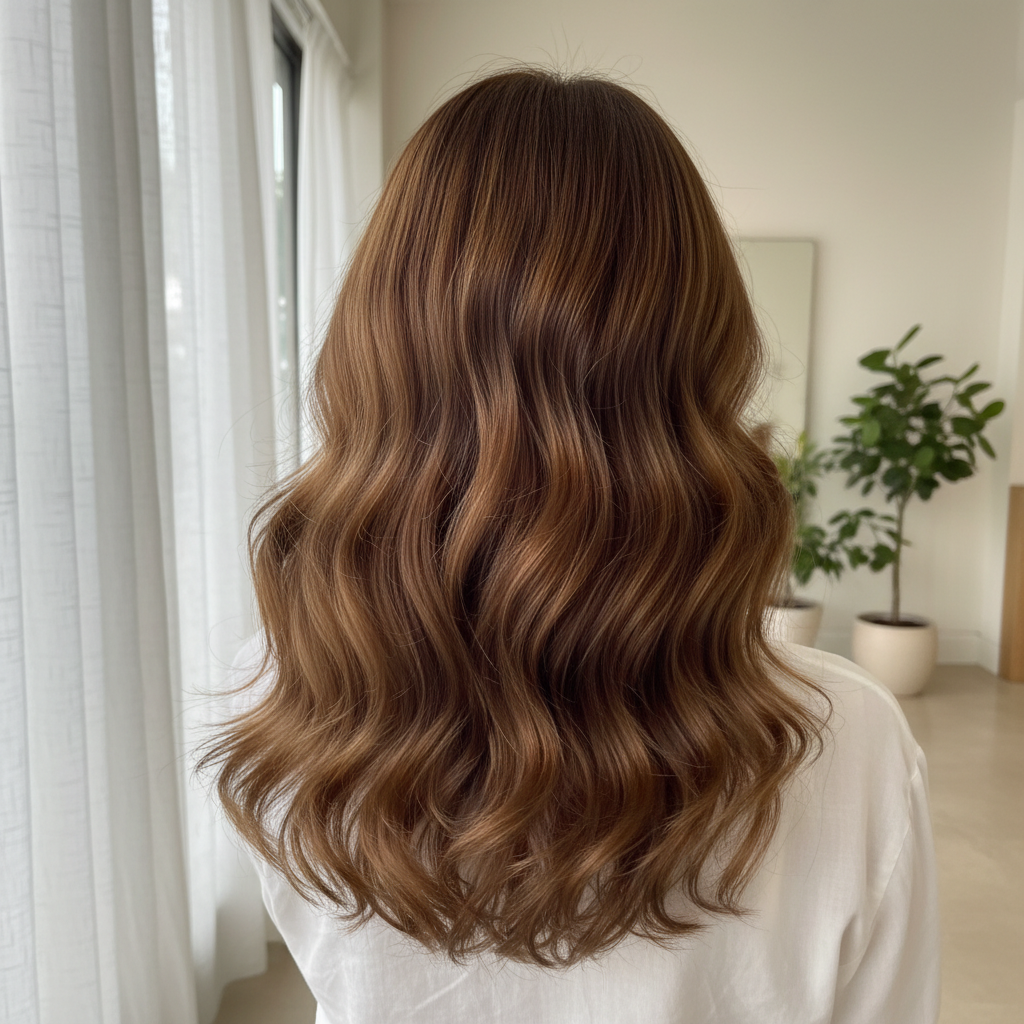
Quick answer: Frizzy Hair is primarily caused by a raised hair cuticle, which allows moisture from the atmosphere to enter the hair shaft, making strands swell unevenly and appear rough or unruly. It's often a sign that hair lacks adequate internal moisture or has been damaged, highlighting the importance of proper hydration and protective styling to keep the cuticle smooth and hair looking sleek.
Key takeaways
- Frizzy Hair happens when the hair's outer cuticle layer is raised, letting humidity penetrate the inner cortex.
- Dryness is a major factor; hair seeks moisture from the air when its internal hydration is low.
- High humidity exacerbates frizz by providing ample external moisture for thirsty hair to absorb.
- Damage from heat, chemical treatments, or harsh brushing can lift the cuticle, increasing frizz.
- Proper hydration, gentle care, and appropriate styling techniques can help smooth the cuticle and reduce frizz.
- Hair type plays a role, with naturally curly or wavy hair often having a more open cuticle structure, making it more prone to frizz.
Frizzy Hair: what the evidence shows
Frizzy Hair is a common concern characterised by hair strands that stand away from the main body of hair, appearing rough, dull, or unmanageable. This phenomenon is rooted in the structure of the hair shaft, specifically its outermost layer, the cuticle. The hair cuticle is a protective layer made up of overlapping, scale-like cells, similar to shingles on a roof. In healthy, smooth hair, these cuticles lie flat, reflecting light and creating a shiny appearance. They also act as a barrier, preventing excessive moisture from entering or escaping the hair fibre.
When the cuticle is raised or damaged, it no longer forms an effective barrier. This allows moisture, particularly from humid environments, to penetrate the hair's inner cortex. The cortex, primarily composed of keratin proteins, absorbs this moisture and swells unevenly. This swelling causes individual hair fibres to buckle, twist, and stand out, creating the characteristic appearance of frizz. The degree of frizz depends on several factors, including the hair's natural structure, its moisture content, and the environmental humidity.
The mechanism behind Frizzy Hair
Understanding the mechanism of Frizzy Hair involves looking at the interplay between hair structure, moisture, and environmental factors. Hair is hygroscopic, meaning it readily absorbs and releases water. When the surrounding air has a high moisture content (humidity), dry or porous hair will absorb this water. This absorption is particularly pronounced when the cuticle is not smooth and sealed.
Each hair strand has an inner core (cortex) that contains water-absorbing proteins. When the cuticle is open, humid air allows water molecules to enter the cortex. As the cortex absorbs water, it swells. However, different parts of the hair fibre may absorb water at different rates or to different extents, leading to uneven swelling and distortion of the hair strand. This uneven swelling causes the hair to bend and coil irregularly, resulting in a chaotic, frizzy texture. Think of it like a sponge that expands unevenly when soaked in water.
Hair types with naturally curly, coily, or wavy textures tend to be more prone to frizz. This is because their cuticle scales may not lie as flat as those on straight hair, creating more opportunities for moisture penetration. Furthermore, the natural curves in curly hair mean that the cuticle is already lifted at certain points along the fibre, making it inherently more susceptible to environmental moisture.
Primary causes and contributing factors
Several factors can lead to a raised cuticle and the subsequent development of Frizzy Hair. Addressing these causes is key to managing and reducing frizz.
Lack of moisture (dryness)
Dry hair is perhaps the most significant factor contributing to frizz. When hair lacks sufficient internal hydration, its outermost layer, the cuticle, tends to lift in an attempt to draw moisture from the surrounding environment. This self-preserving mechanism, while natural, leads directly to frizz. Causes of hair dryness include:
- Infrequent or inadequate conditioning: Conditioners help to smooth the cuticle and seal in moisture. Not using a conditioner, or using one that isn't rich enough for your hair type, can leave the cuticle exposed. See 'The Science of Conditioners: How Hair Care Formulations Work' and 'Choosing the Right Hair Conditioner'.
- Over-washing or harsh shampoos: Frequent washing, especially with shampoos containing strong detergents, can strip the hair of its natural oils (sebum) which are essential for maintaining moisture and a smooth cuticle. This leaves the hair vulnerable to dryness and frizz. For more, see 'Choosing the Right Shampoo: A Comprehensive Guide to Hair Cleansing'.
- Environmental conditions: Exposure to dry climates, harsh winds, or excessive sun can dehydrate the hair over time, making it more prone to frizz. Indoor heating and air conditioning can also contribute to a dry environment.
Humidity
High humidity in the air is a direct catalyst for frizz. Hair, particularly dry or damaged hair, will readily absorb the excess moisture from the atmosphere through its open cuticles. This absorption leads to swelling of the hair shaft and the characteristic frizzy appearance. While humidity doesn't cause the cuticle to lift initially, it dramatically exacerbates frizz once the cuticle is already compromised or naturally open.
Hair damage
Damage to the hair cuticle compromises its integrity, making it difficult for the scales to lie flat. This creates easy pathways for moisture to enter the hair shaft, increasing porosity and leading to frizz. Common sources of damage include:
- Heat styling: Frequent use of hot tools like flat irons, curling irons, and blow dryers without adequate heat protection can scorch, dehydrate, and lift the cuticle. Excessive heat can even create micro-fissures in the hair fibre, further enhancing porosity. See 'Heat Styling Safety Best Practices' and 'Heat Styling: Understanding Its Effects and How to Protect Your Hair'.
- Chemical treatments: Hair dyes, bleaches, perms, and chemical relaxers alter the hair's internal structure and can significantly lift or damage the cuticle during the process. This increased porosity makes chemically treated hair highly susceptible to frizz. Refer to 'Chemical Hair Treatments: What They Are and How They Affect Hair' and 'Maintaining Colour-Treated Hair: Maintaining Colour-Treated Hair: A Guide to Longevity and Health'.
- Mechanical damage: Aggressive brushing, towel-drying hair too vigorously, tight hairstyles, or friction from pillows can physically abrade and lift the cuticle. This type of damage can accumulate over time, leading to chronic frizz. For advice on gentle handling, refer to 'How to Detangle Afro Hair Without Breakage: An Evidence-Based Guide'.
- Hard water: Water with high mineral content, particularly calcium and magnesium ions, can deposit residues on the hair. These deposits can make the hair feel rough, weigh it down, and potentially interfere with the cuticle's ability to lie flat, contributing to frizz and dullness. See 'Hard Water and Hair Damage: Understanding the Impact on Your Hair'.
Hair type and texture
Naturally curly, coily, and wavy hair types are inherently more prone to Frizzy Hair than straight hair. This is due to several structural differences:
- Cuticle structure: The cuticle scales on curly hair tend to be more raised and open, exposing the cortex more readily to moisture fluctuations.
- Hair shape: The elliptical or flattened shape of curly hair strands means the cuticle isn't uniform along the shaft, making it harder for it to lie completely flat.
- Dryness: Curly hair is often naturally drier than straight hair because the scalp's natural oils (sebum) struggle to travel down the curves and coils of the hair shaft, leaving the ends particularly vulnerable to dryness. This lack of natural lubrication contributes significantly to frizz.
Strategies to manage and reduce Frizzy Hair
Managing Frizzy Hair involves a multi-pronged approach that focuses on hydration, cuticle smoothing, and protection from damage and humidity.
| Strategy | How it helps | Notes |
|---|---|---|
| Hydration | Replenishes internal moisture, signalling the hair not to absorb external humidity. Smoother, more hydrated cuticles lie flat. | Use hydrating shampoos and conditioners. Incorporate leave-in conditioners and hair masks regularly, especially if hair is dry or damaged. Look for humectants like glycerin or hyaluronic acid in products, but be mindful of their effect in very high or very low humidity. See 'Hair Hydration: The Science Behind Keeping Hair Moist'. |
| Cuticle Smoothing | Physical or chemical methods to encourage the cuticle scales to lie flat, reducing porosity and reflecting light. | Use products with occlusive ingredients (like silicones or certain oils) to form a temporary barrier. Apply products with a downward motion to follow the cuticle direction. Rinse hair with cool water to help seal the cuticle. |
| Protection | Shields hair from environmental aggressors, heat, and mechanical damage that can lift or compromise the cuticle. | Use heat protectants before styling. Wear hats in strong sun or wind. Sleep on a silk or satin pillowcase. Use microfibre towels instead of rough cotton to gently blot hair dry. Avoid over-brushing, especially when wet, and use wide-toothed combs. |
| Humidity Management | Minimises the hair's exposure to high atmospheric moisture, preventing excessive swelling and frizz. | Use anti-humidity products that create a barrier on the hair surface. Consider styling hair in ways that embrace its natural texture on highly humid days. Avoid touching hair excessively once styled, as this can disrupt the cuticle. |
When to seek professional advice
While Frizzy Hair is primarily a cosmetic concern often manageable with appropriate products and techniques, there are instances where professional advice might be beneficial:
- Sudden onset or unexplained changes: If your hair suddenly becomes very frizzy without a clear reason (e.g., change in products, environment, or styling habits), it might warrant a discussion with a stylist or dermatologist. This could indicate underlying hair damage or a change in hair health.
- Accompanying scalp issues: If frizz is accompanied by persistent scalp itching, flaking, redness, or discomfort, a dermatologist can help diagnose and treat any underlying scalp conditions that might be impacting hair health. For more on scalp health, see 'Understanding Scalp Health: A Foundation for Thriving Hair'.
- Hair breakage: While frizz is about the texture of the hair fibre, if you notice increased hair breakage alongside frizz, it suggests significant damage. A professional can assess the extent of the damage and recommend reparative treatments. Do not confuse frizz with hair loss or shedding; they are distinct issues.
- Difficulty managing: If you've tried various at-home strategies without success, a professional stylist can offer personalised advice, recommend specific treatments, and demonstrate effective styling techniques for your hair type.
Watermans and Frizzy Hair
Watermans products are formulated to support hair health, which can indirectly help manage Frizzy Hair by promoting cuticle health and hydration. For instance, Watermans Condition Me conditioner is designed to provide intense hydration, helping to smooth the cuticle layer and lock in moisture. Regular use of such hydrating products can make hair feel stronger and appear smoother, reducing the likelihood of frizz. Similarly, the Watermans Grow Me shampoo is gentle and aims to cleanse without excessively stripping natural oils, supporting the hair's natural moisture balance. These products contribute to a healthy hair environment, making hair less prone to absorbing excess humidity and becoming frizzy.
Frequently asked questions about Frizzy Hair
What is the main cause of Frizzy Hair?
The primary cause of Frizzy Hair is a raised or damaged hair cuticle, which allows moisture from the air to penetrate the inner hair shaft. This happens most readily when hair is dry and seeking external moisture, or when it's been physically or chemically damaged. High humidity then exacerbates this effect, causing the hair to swell unevenly and appear unruly.
Can Frizzy Hair be a sign of unhealthy hair?
Yes, Frizzy Hair can often be a strong indicator of unhealthy hair, particularly if it's chronic or appears suddenly. It frequently signals a lack of moisture, cuticle damage, or an imbalance in your hair care routine. While some hair types are naturally prone to frizz, excessive frizz usually points to an underlying issue that needs addressing, such as dryness or damage.
Does hard water make hair more frizzy?
Hard water can indeed contribute to Frizzy Hair. The minerals in hard water, like calcium and magnesium, can build up on the hair shaft, creating a rough texture and preventing the cuticle from lying flat. This residue also makes it harder for moisturising products to penetrate effectively, leading to drier hair that is more susceptible to frizz. Regular clarifying washes can help.
How can I stop my hair from getting frizzy in humidity?
To minimise frizz in humidity, focus on hydrating your hair thoroughly, as well-moisturised hair is less likely to absorb external moisture. Use anti-humidity products that create a protective barrier. Avoid excessive brushing of dry hair and try to let your hair air dry as much as possible, or use a diffuser on a cool setting if blow-drying. Consider styling your hair to embrace its natural texture on humid days.
Is frizz different from hair breakage?
Yes, frizz and hair breakage are distinct issues. Frizz refers to the unruly appearance of hair strands due to a raised cuticle and moisture absorption. Hair breakage, on the other hand, is when the hair fibre snaps along its shaft, leading to shorter, often jagged pieces. While damaged hair is prone to both frizz and breakage, they are separate phenomena. Frizz doesn't mean your hair is breaking, but hair that breaks is often also frizzy.
Conclusion
Understanding the science behind Frizzy Hair is the first step towards managing it effectively. It's a common hair characteristic rooted in the hair's cuticle layer and its interaction with moisture, especially when hair is dry or damaged. By prioritising deep hydration, protecting hair from damage, and using appropriate products and gentle techniques, you can encourage the cuticle to lie flat, leading to smoother, shinier, and more manageable hair. Addressing Frizzy Hair is about nurturing your hair's overall health and respecting its natural structure.
Sources and references
- American Academy of Dermatology Association, "Hair care: 10 tips for healthy hair", accessed 2023, aad.org
- British Association of Dermatologists, "Hair loss and hair conditions", accessed 2023, bad.org.uk
- PubMed Central, "The Biology of the Hair Follicle", National Institutes of Health, 2013, ncbi.nlm.nih.gov/pmc/articles/PMC4151351/
- National Hair & Scalp Clinic, "Frizzy Hair", accessed 2023, nhsc.info/frizzy-hair/
- Journal of Cosmetic Science, "The effect of humidity on the mechanical properties of human hair", 2002, cosmeticsandtoiletries.com/research/biology/article/21882895/the-effect-of-humidity-on-the-mechanical-properties-of-human-hair