Frizz Control for Curly Hair: An Evidence-Based Guide to Managing Frizz
12 min read ·
Achieving Frizz Control for Curly Hair involves a multi-faceted approach focusing on moisture, gentle handling, and strategic product use to smooth the cuticle.
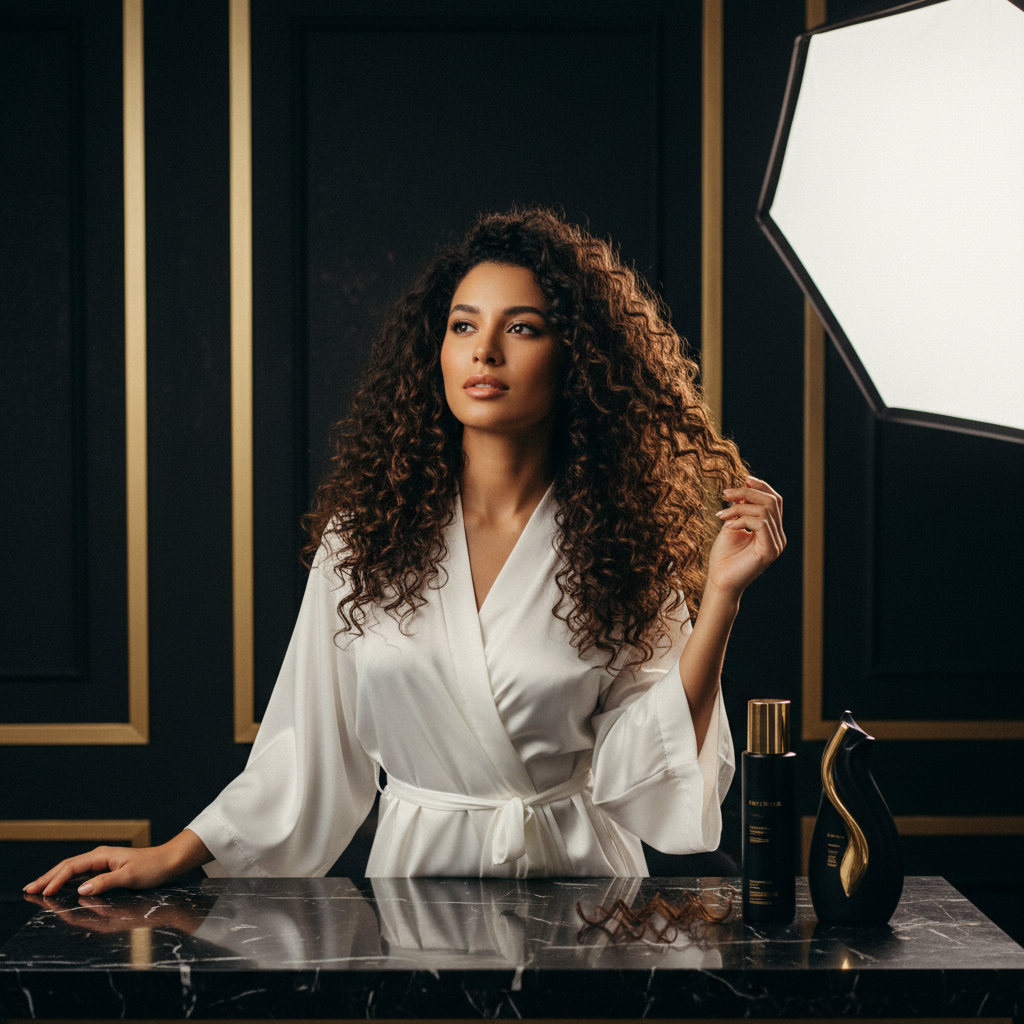
Quick answer: Frizz Control for Curly Hair primarily involves managing hair moisture levels and cuticle integrity. Curly hair naturally tends to be drier, making it more susceptible to frizz when the outer cuticle layer lifts, allowing humidity to enter the hair shaft. Effective strategies focus on deep hydration, gentle care, and protective measures to minimise friction and environmental impact, though complete elimination of frizz in all conditions can be challenging.
Key takeaways
- Frizz in curly hair is largely due to moisture imbalance and cuticle lifting. When the hair's outer layer, the cuticle, is raised, it readily absorbs humidity, causing the hair shaft to swell and appear frizzy.
- Curly hair is inherently prone to dryness because its coiled structure makes it harder for natural scalp oils to travel down the hair shaft, leaving it vulnerable to moisture loss.
- Humidity is a primary environmental trigger. High moisture in the air causes dry, open cuticles to absorb water, disrupting the curl pattern and leading to frizz.
- Effective Frizz Control for Curly Hair relies on a consistent, multi-step routine. This includes hydrating cleansing, deep conditioning, gentle handling, and strategic product selection.
- Choosing the right products is crucial. Look for moisturisers, humectants (in balanced formulations), and film-forming agents that help seal the cuticle and protect against humidity.
- Protecting hair from friction and heat damage further supports cuticle health and reduces frizz over time.
Frizz Control for Curly Hair: what the evidence shows
Frizz is a common concern for individuals with curly hair, characterised by a halo of unruly strands that appear dry, dull, or textured differently from the rest of the curl pattern. It is primarily a consequence of the hair's structural response to a lack of internal moisture and the absorption of moisture from the surrounding environment. Understanding the mechanisms behind frizz is key to effective Frizz Control for Curly Hair.
The Hair Cuticle and Frizz
The outermost layer of a hair strand is the cuticle, composed of overlapping, scale-like cells. In healthy, well-hydrated hair, these cuticular scales lie flat, reflecting light and creating a smooth appearance. This smooth surface also acts as a barrier, preventing excessive moisture loss from within the hair and limiting the absorption of external humidity.
When hair lacks sufficient moisture, the cuticle can lift or open. This lifted cuticle then readily absorbs moisture from the surrounding air, leading to swelling and disruption of the natural curl pattern, which manifests as frizz. The uneven swelling of individual hair fibres causes them to stand out from the main curl pattern, creating the characteristic frizzy appearance.
Hair Porosity and Frizz Susceptibility
Hair porosity, which describes the hair's ability to absorb and retain moisture, significantly influences frizz. Hair with high porosity, meaning it has a more open or damaged cuticle, is particularly susceptible to frizz. It loses moisture quickly and readily absorbs humidity from the atmosphere, leading to rapid swelling and frizzing. This can be due to genetics, or damage from chemical treatments, heat styling, or harsh cleansing.
Conversely, low porosity hair, with a tightly bound cuticle, can also experience frizz. While it resists absorbing external moisture, it can also struggle to absorb beneficial moisture from conditioners and stylers. If not adequately moisturised internally, its surface can still become dry, making it prone to frizz as the cuticle may still lift in an attempt to absorb moisture.
Internal factors contributing to frizz in curly hair
Several factors inherent to curly hair, often exacerbated by external practices, contribute to frizz:
- Natural dryness: Curly hair is inherently prone to dryness. The natural oils (sebum) produced by the scalp have a more challenging path to travel down the curves and bends of a coiled hair shaft, especially in Afro or coily hair types. This means that the ends of curly hair, in particular, often lack sufficient natural lubrication and protection, making them vulnerable to moisture loss and cuticle lifting. You can learn more about this in our article, 'Hair Hydration: The Science Behind Keeping Hair Moist'.
- Structural fragility: The bends in curly hair strands are points of weakness. They are more susceptible to mechanical damage (from brushing, styling, or friction), which can lift or chip the cuticle, exposing the inner cortex and making the hair more vulnerable to environmental factors.
- Damage: Chemical treatments (like colouring, perming, or relaxers), excessive heat styling, and aggressive mechanical handling (rough towel drying, vigorous brushing) can severely compromise the integrity of the cuticle. This damage leads to permanently raised cuticles that cannot lie flat, making the hair consistently susceptible to frizz, regardless of humidity levels.
External factors impacting Frizz Control for Curly Hair
Environmental conditions and daily haircare practices play a significant role in determining the level of frizz experienced:
- Humidity: This is the most direct external contributor to frizz. When the air is moist, dry hair with an open cuticle will absorb this atmospheric water. This absorption causes the hair shaft to swell unevenly, disrupting the defined curl pattern and leading to frizz. The higher the humidity, the more pronounced the effect on hair with compromised cuticles.
- Friction: Physical abrasion is a major enemy of smooth cuticles. Rubbing hair vigorously with a terry towel, sleeping on cotton pillowcases, or frequent manipulation can create friction that roughens the cuticle, causing it to lift. This makes the hair more prone to absorbing humidity and appearing frizzy. Our article 'Hair Damage: Causes, Signs, and Solutions' provides more detail on this.
- Product choice: Using products containing drying alcohols, harsh surfactants, or insufficient moisturising ingredients can strip the hair of its natural oils and moisture, leading to increased dryness and subsequent frizz. Similarly, using products that do not provide adequate humidity protection can leave hair vulnerable in moist environments.
- Hard water: Water containing high levels of minerals, particularly calcium and magnesium, is known as hard water. These minerals can build up on the hair shaft, leaving a rough residue that makes the cuticle feel rough and appear dull. This mineral build-up can also make it harder for moisturisers to penetrate the hair, exacerbating dryness and contributing to frizz. Learn more in 'Hard Water and Hair Damage: Understanding the Impact on Your Hair'.
Strategies for Frizz Control for Curly Hair
Effective frizz control for curly hair involves a multi-faceted approach focused on replenishing moisture, protecting the cuticle, and minimising external stressors.
Hydration-Focused Cleansing and Conditioning
- Gentle Cleansing: Opt for sulfate-free shampoos or co-washes. Sulfates are strong detergents that can strip the hair of its natural oils, leading to dryness and a lifted cuticle. Gentler cleansers preserve the hair's moisture balance. See 'Choosing the Right Shampoo: A Comprehensive Guide to Hair Cleansing' for more.
- Deep Conditioning: Regular deep conditioning treatments (at least once a week) are critical for replenishing moisture and helping to smooth the cuticle. Look for conditioners rich in humectants (like glycerine or hyaluronic acid) to draw in moisture, and emollients (such as shea butter or natural oils) to seal it in and soften the hair. For very dry hair, consider using a hair mask.
- Leave-in Conditioners: Applied after rinsing, a leave-in conditioner provides an ongoing source of moisture and helps to detangle, reducing mechanical stress. It also forms a protective layer on the hair surface, aiding in Frizz Control for Curly Hair by sealing the cuticle and retaining hydration. You can find more information in 'The Science of Conditioners: How Hair Care Formulations Work'.
Gentle Handling and Styling Techniques
- Detangle Wet Hair: Curly hair is most pliable and prone to breakage when dry. Always detangle gently when the hair is wet and coated with conditioner, using a wide-tooth comb or your fingers, working from the ends upwards. This minimises friction and cuticle damage.
- Microfibre Towels or T-Shirts: Avoid rough terry towels. Blotting hair dry with a microfibre towel or an old cotton t-shirt minimises friction and avoids roughing up the cuticle, which can lead to frizz. Gently squeeze out excess water instead of rubbing.
- Air Drying or Diffusing on Low Heat: Whenever possible, allow hair to air dry. If using a blow dryer, attach a diffuser and use a low to medium heat setting to dry hair slowly and evenly. This prevents cuticle damage and helps maintain the natural curl pattern without creating frizz. Our article 'Hair Drying Techniques' offers further guidance.
- "Scrunching" Methods: After applying styling products to wet hair, gently "scrunch" upwards to encourage curl formation and definition. This technique helps to group curls together, reducing individual strands that might otherwise frizz. Always avoid excessive manipulation once hair is partially dry.
Product Selection for Frizz Protection
Choosing the right styling products is a vital step in Frizz Control for Curly Hair. Products should aim to provide moisture, seal the cuticle, and offer protection against humidity.
| Product Category | Primary Function | Key Ingredients (examples) | Application Tips | | :------------------------ | :----------------------------------------------- | :----------------------------------------------------------------------------------------------------------------------------------------------------------------------------------------------------------------------------------------------------------------------------------- | :------------------------------------------------------------------------------------------------------------------------------------------------------------------------------------------------------------------------------------------------------------------------------------------------------------------------------------------------------------------------------------------------------------------------------------------------------------------------------------------------------------------------------------------------------------------------------------------------------------------------------------------------------------------------------------------------------------------------------------------------------------------------------------------------------------------------------------------------------------------------------------------------------------------------------------------------------------------------------------------------------------------------------------------------------------------------------------------------------------------------------------------------------------------------------------------------------------------------------------------------------------------------------------------------------------------------------------------------------------------------------------------------------------------------------------------------------------------------------------------------------------------------------------------------------------------------------------------------------------------------------------------------------------------------------------------------------------------------------------------------------------------------------------------------------------------------------------------------------------------------------------------------------------------------------------------------------------------------------------------------------------------------------------------------------------------------------------------------------------------------------------------------------------------------------------------------------------------------------------------------------------------------------------------------------------------------------------------------------------------------------------------------------------------------------------------------------------------------------------------------------------------------------------------------------------------------------------------------------------------------------------------------------------------------------------------------------------------------------------------------------------------------------------------------------------------------------------------------------------------------------------------------------------------------------------------------------------------------------------------------------------------------------------------------------------------------------------------------------------------------------------------------------------------------------------------------------------------------------------------------------------------------------------------------------------------------------------------------------------------------------------------------------------------------------------------------------------------------------------------------------------------------------------------------------------------------------------------------------------------------------------------------------------------------------------------------------------------------------------------------------------------------------------------------------------------------------------------------------------------------------------------------------------------------------------------------------------------------------------------------------------------------------------------------------------------------------------------------------------------------------------------------------------------------------------------------------------------------------------------------------------------------------------------------------------------------------------------------------------------------------------------------------------------------------------------------------------------------------------------------------------------------------------------------------------------------------------------------------------------------------------------------------------------------------------------------------------------------------------------------------------------------------------------------------------------------------------------------------------------------------------------------------------------------------------------------------------------------------------------------------------------------------------------------------------------------------------------------------------------------------------------------------------------------------------------------------------------------------------------------------------------------------------------------------------------------------------------------------------------------------------------------------------------------------------------------------------------------------------------------------------------------------------------------------------------------------------------------------------------------------------------------------------------------------------------------------------------------------------------------------------------------------------------------------------------------------------------------------------------------------------------------------------------------------------------------------------------------------------------------------------------------------------------------------------------------------------------------------------------------------------------------------------------------------------------------------------------------------------------------------------------------------------------------------------------------------------------------------------------------------------------------------------------------------------------------------------------------------------------------------------------------------------------------------------------------------------------------------------------------------------------------------------------------------------------------------------------------------------------------------------------------------------------------------------------------------------------------------------------------------------------------------------------------------------------------------------------------------------------------------------------------------------------------------------------------------------------------------------------------------------------------------------------------------------------------------------------------------------------------------------------------------------------------------------------------------------------------------------------------------------------------------------------------------------------------------------------------------------------------------------------------------------------------------------------------------------------------------------------------------------------------------------------------------------------------------------------------------------------------------------------------------------------------------------------------------------------------------------------------------------------------------------------------------------------------------------------------------------------------------------------------------------------------------------------------------------------------------------------------------------------------------------------------------------------------------------------------------------------------------------------------------------------------------------------------------------------------------------------------------------------------------------------------------------------------------------------------------------------------------------------------------------------------------------------------------------------------------------------------------------------------------------------------------------------------------------------------------------------------------------------------------------------------------------------------------------------------------------------------------------------------------------------------------------------------------------------------------------------------------------------------------------------------------------------------------------------------------------------------------------------------------------------------------------------------------------------------------------------------------------------------------------------------------------------------------------------------------------------------------------------------------------------------------------------------------------------------------------------------------------------------------------------------------------------------------------------------------------------------------------------------------------------------------------------------------------------------------------------------------------------------------------------------------------------------------------------------------------------------------------------------------------------------------------------------------------------------------------------------------------------------------------------------------------------------------------------------------------------------------------------------------------------------------------------------------------------------------------------------------------------------------------------------------------------------------------------------------------------------------------------------------------------------------------------------------------------------------------------------------------------------------------------------------------------------------------------------------------------------------------------------------------------------------------------------------------------------------------------------------------------------------------------------------------------------------------------------------------------------------------------------------------------------------------------------------------------------------------------------------------------------------------------------------------------------------------------------------------------------------------------------------------------------------------------------------------------------------------------------------------------------------------------------------------------------------------------------------------------------------------------------------------------------------------------------------------------------------------------------------------------------------------------------------------------------------------------------------------------------------------------------------------------------------------------------------------------------------------------------------------------------------------------------------------------------------------------------------------------------------------------------------------------------------------------------------------------------------------------------------------------------------------------------------------------------------------------------------------------------------------------------------------------------------------------------------------------------------------------------------------------------------------------------------------------------------------------------------------------------------------------------------------------------------------------------------------------------------------------------------------------------------------------------------------------------------------------------------------------------------------------------------------------------------------------------------------------------------------------------------------------------------------------------------------------------------------------------------------------------------------------------------------------------------------------------------------------------------------------------------------------------------------------------------------------------------------------------------------------------------------------------------------------------------------------------------------------------------------------------------------------------------------------------------------------------------------------------------------------------------------------------------------------------------------------------------------------------------------------------------------------------------------------------------------------------------------------------------------------------------------------------------------------------------------------------------------------------------------------------------------------------------------------------------------------------------------------------------------------------------------------------------------------------------------------------------------------------------------------------------------------------------------------------------------------------------------------------------------------------------------------------------------------------------------------------------------------------------------------------------------------------------------------------------------------------------------------------------------------------------------------------------------------------------------------------------------------------------------------------------------------------------------------------------------------------------------------------------------------------------------------------------------------------------------------------------------------------------------------------------------------------------------------------------------------------------------------------------------------------------------------------------------------------------------------------------------------------------------------------------------------------------------------------------------------------------------------------------------------------------------------------------------------------------------------------------------------------------------------------------------------------------------------------------------------------------------------------------------------------------------------------------------------------------------------------------------------------------------------------------------------------------------------------------------------------------------------------------------------------------------------------------------------------------------------------------------------------------------------------------------------------------------------------------------------------------------------------------------------------------------------------------------------------------------------------------------------------------------------------------------------------------------------------------------------------------------------------------------------------------------------------------------------------------------------------------------------------------------------------------------------------------------------------------------------------------------------------------------------------------------------------------------------------------------------------------------------------------------------------------------------------------------------------------------------------------------------------------------------------------------------------------------------------------------------------------------------------------------------------------------------------------------------------------------------------------------------------------------------------------------------------------------------------------------------------------------------------------------------------------------------------------------------------------------------------------------------------------------------------------------------------------------------------------------------------------------------------------------------------------------------------------------------------------------------------------------------------------------------------------------------------------------------------------------------------------------------------------------------------------------------------------------------------------------------------------------------------------------------------------------------------------------------------------------------------------------------------------------------------------------------------------------------------------------------------------------------------------------------------------------------------------------------------------------------------------------------------------------------------------------------------------------------------------------------------------------------------------------------------------------------------------------------------------------------------------------------------------------------------------------------------------------------------------------------------------------------------------------------------------------------------------------------------------------------------------------------------------------------------------------------------------------------------------------------------------------------------------------------------------------------------------------------------------------------------------------------------------------------------------------------------------------------------------------------------------------------------------------------------------------------------------------------------------------------------------------------------------------------------------------------------------------------------------------------------------------------------------------------------------------------------------------------------------------------------------------------------------------------------------------------------------------------------------------------------------------------------------------------------------------------------------------------------------------------------------------------------------------------------------------------------------------------------------------------------------------------------------------------------------------------------------------------------------------------------------------------------------------------------------------------------------------------------------------------------------------------------------------------------------------------------------------------------------------------------------------------------------------------------------------------------------------------------------------------------------------------------------------------------------------------------------------------------------------------------------------------------------------------------------------------------------------------------------------------------------------------------------------------------------------------------------------------------------------------------------------------------------------------------------------------------------------------------------------------------------------------------------------------------------------------------------------------------------------------------------------------------------------------------------------------------------------------------------------------------------------------------------------------------------------------------------------------------------------------------------------------------------------------------------------------------------------------------------------------------------------------------------------------------------------------------------------------------------------------------------------------------------------------------------------------------------------------------------------------------------------------------------------------------------------------------------------------------------------------------ ext{Curl Defining Creams} | ext{Enhance curl definition, provide moisture, reduce frizz, offer flexible hold.} | ext{Natural oils (e.g., coconut, argan, jojoba), shea butter, aloe vera, film-forming polymers (e.g., polyquaternium-11).} | ext{Apply to very wet hair, scrunch upwards to encourage curl clumps, then allow to air dry or diffuse.} | | ext{Gels and Custards} | ext{Provide stronger hold, enhance curl definition, create a "cast" to lock in moisture and protect against humidity.} | ext{Film-forming polymers (e.g., PVP, VP/VA copolymer), humectants (e.g., glycerine), plant extracts (e.g., flaxseed gel).} | ext{Apply over a cream or leave-in to damp hair. Scrunch. Once dry, gently "scrunch out the crunch" to reveal soft, defined curls.} | | ext{Anti-Frizz Serums and Oils} | ext{Smooth the hair surface, add shine, create a barrier against humidity, reduce friction.} | ext{Lightweight silicones (e.g., dimethicone, cyclopentasiloxane), natural oils (e.g., argan, macadamia, camellia seed).} | ext{Use sparingly on damp or dry hair, focusing on mid-lengths and ends. Can be used to "break the cast" of a gel.} | | ext{Heat Protection Sprays} | ext{Shield hair from thermal damage when heat styling, helping to maintain cuticle integrity and prevent heat-induced frizz.} | ext{Hydrolysed proteins, silicones, polymers, emollients.} | ext{Always apply before any heat styling (e.g., diffusing, using curling wands) to create a protective barrier.} |
When selecting products, prioritise those that are alcohol-free (specifically denatured alcohol, which can be drying) and contain moisturisng ingredients. For high-humidity environments, look for products specifically formulated with anti-humectant properties (ingredients that prevent water absorption) or stronger hold to prevent the cuticle from swelling.
Long-term maintenance for Frizz Control for Curly Hair
- Silk or Satin Pillowcases: These materials create less friction than cotton, significantly reducing cuticle damage and preventing moisture loss during sleep. This helps to maintain smooth cuticles and reduce frizz.
- Protective Hairstyles: Braids, buns, or twists can protect curls from environmental elements and minimise nightly friction. These styles reduce exposure to humidity and prevent mechanical damage.
- Regular Trims: Removing split ends is crucial. Damaged ends have compromised cuticles that are highly prone to frizz and can cause damage to travel up the hair shaft. Regular trims keep the hair fibre healthy and smooth.
- Consistent Routine: Adhering to a consistent, moisture-rich haircare routine is the most effective long-term strategy for managing and preventing frizz in curly hair. Building good habits around cleansing, conditioning, and styling will yield the best results for Frizz Control for Curly Hair.
Frequently asked questions about Frizz Control for Curly Hair
Why is my curly hair still frizzy after applying product?
This can happen for several reasons. You might not be using enough product for your hair density, the product may lack sufficient humidity protection, or your hair might be too dry internally before product application. Ensure your hair is thoroughly wet and well-conditioned before applying styling products, and consider layering products for added hold and moisture.
Can hair type affect Frizz Control for Curly Hair?
Yes, absolutely. Finer curly hair can be more prone to frizz if overloaded with heavy products, while coarser curly hair might require richer, more emollient products to combat dryness. Understanding your hair's porosity is also key, as high porosity hair needs more intensive sealing and protection from humidity compared to low porosity hair.
Does hard water contribute to frizz in curly hair?
Yes, hard water can significantly contribute to frizz. The minerals in hard water, like calcium and magnesium, can deposit on the hair shaft, creating a rough texture and preventing the cuticle from lying flat. This build-up also makes it harder for moisturisers to work effectively, leaving hair dry and prone to frizz. A chelating shampoo or shower filter can help.
How often should I deep condition for better frizz control?
For most curly hair types, deep conditioning at least once a week is recommended. If your hair is particularly dry, damaged, or you live in a very humid climate, you might benefit from deep conditioning twice a week. This replenishes crucial moisture, strengthens the hair, and helps to smooth the cuticle for improved Frizz Control for Curly Hair.
Are silicones bad for Frizz Control for Curly Hair?
Not necessarily. While some heavy silicones can build up on the hair, lightweight, water-soluble silicones can be beneficial. They form a smooth, protective film over the cuticle, helping to seal in moisture and repel humidity, which is excellent for frizz control. The key is to use them in moderation and clarify your hair regularly to prevent build-up.
What's the best way to refresh curly hair without causing frizz?
To refresh curly hair without causing frizz, gently dampen sections of hair with a fine mist of water, then apply a small amount of leave-in conditioner or a lightweight curl refreshing spray. Gently scrunch or coil curls back into shape. Avoid disturbing the hair too much once it has dried, as this can break up curl clumps and lead to frizz.
Conclusion
Frizz Control for Curly Hair is an ongoing journey that requires a deep understanding of your hair's unique needs and a consistent, tailored approach. By focusing on deep hydration, protecting the delicate cuticle from damage and friction, and using well-chosen products, you can significantly reduce frizz. Remember that curly hair thrives on moisture and gentle care, and creating a routine that supports these principles will lead to healthier, more defined, and less frizzy curls. Watermans understands the unique needs of curly hair and offers products designed to support its hydration and health, thereby minimising frizz.
Sources and references
- American Academy of Dermatology Association, "Hair care tips for people with curly hair", No Date, https://www.aad.org/public/everyday-care/hair-care-basics/care/curly-hair
- Draelos, Z. D. (2010). Hair Cosmetics: An Overview. Journal of Cosmetic Dermatology, 9(3), 237-239.
- Gavazzoni Dias, M. F. R. (2015). Hair Cosmetics: An Overview. International Journal of Trichology, 7(1), 2-15.
- P & G Beauty Science, "The Science of Frizz: Why Hair Becomes Frizzy", No Date, https://us.pg.com/blogs/beauty-science/frizz-hair-science/
- The Trichological Society, "Hair Care", No Date, https://www.trichological.org.uk/hair-care/
Find these ingredients in Watermans products
- Aloe Vera: you will find this ingredient in our Curly Hair Conditioner.