Folliculitis Scalp Symptoms: Evidence-Based Identification and Care
8 min read ·
Learn to recognise folliculitis scalp symptoms early. Explore clinical signs, biological causes, key differences from other scalp conditions, and care steps.
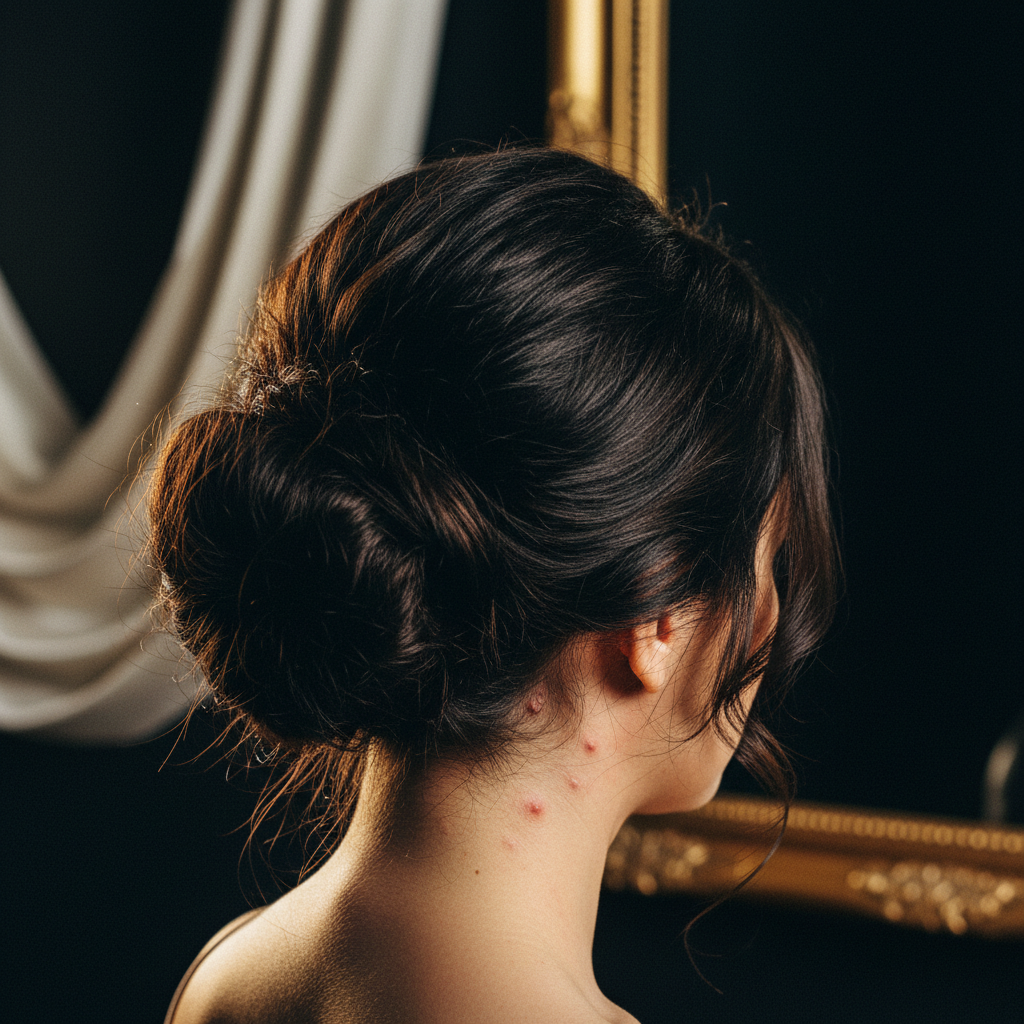
Quick answer: Identifying folliculitis scalp symptoms early prevents superficial inflammation from progressing into deeper follicular damage or scarring hair loss. Classic signs include small, itchy or tender red pustules surrounding individual hair fibres, persistent burning, crusting, and localized tenderness. While mild superficial cases often resolve with antiseptic hygiene, persistent or severe presentations require medical evaluation by a GP or dermatologist to differentiate microbial infection from auto-inflammatory conditions.
Key takeaways
- Folliculitis is an inflammation or infection of the hair follicle opening, most commonly driven by Staphylococcus aureus or Malassezia yeasts.
- Primary signs include clusters of red papules, white-tipped pustules, tenderness, itching, and crusting around the follicular base.
- Distinguishing superficial folliculitis from deeper conditions like folliculitis decalvans or dissecting cellulitis is vital to prevent permanent scarring alopecia.
- Mechanical irritation, tight headwear, heavy pomades, and compromised skin barrier function significantly raise your risk.
- Cosmetic products support scalp cleanliness and comfort, but active bacterial or fungal infections require targeted medical treatments such as topical or oral antimicrobials.
Folliculitis Scalp Symptoms: what the evidence shows
Clinical dermatology categorises folliculitis scalp symptoms according to the depth and driver of the follicular inflammation. When the ostium (the superficial opening of the hair follicle) becomes infected or blocked, inflammatory cells infiltrate the surrounding tissue.
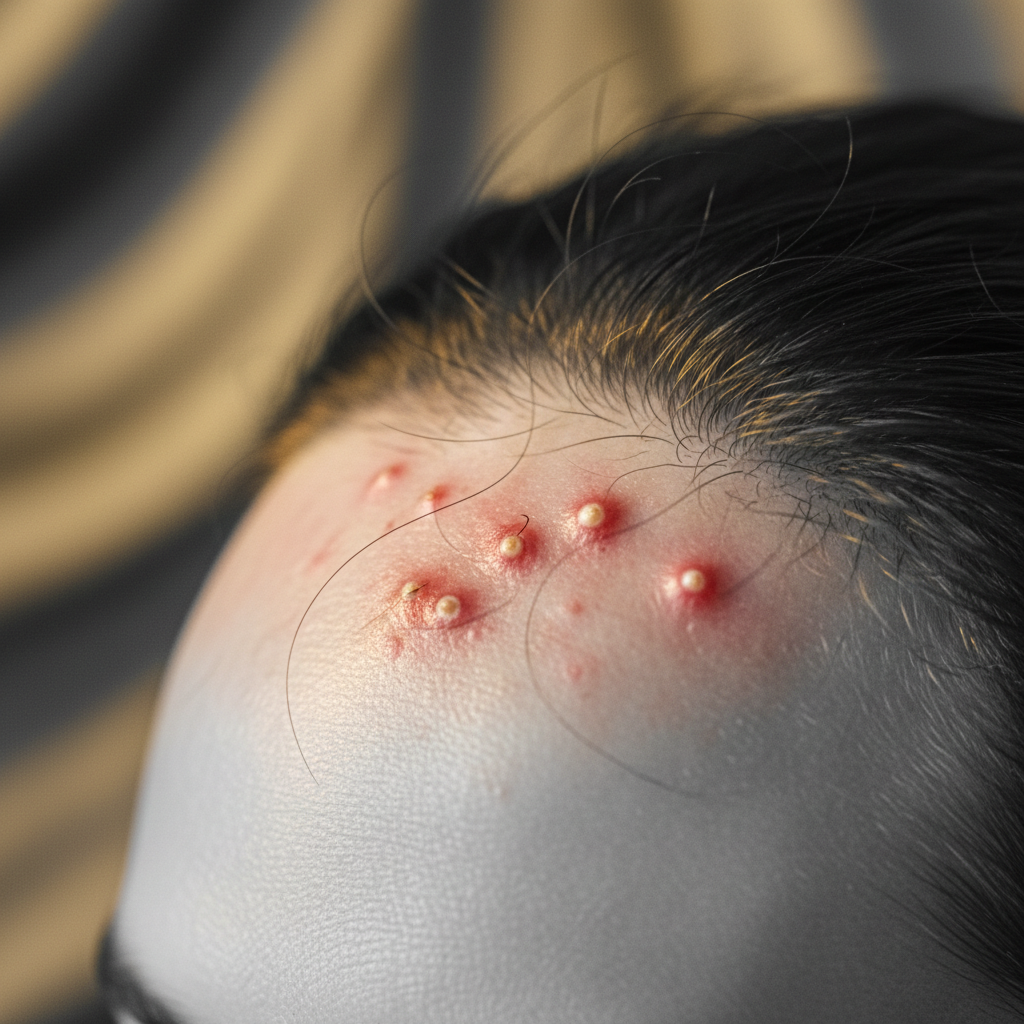
Research published by the British Association of Dermatologists and the NHS demonstrates that the earliest presentation involves perifollicular erythema: small rings of redness centring precisely on a hair shaft. Within 24 to 48 hours, these red bumps frequently progress into pustules containing neutrophils and cellular debris. Unlike standard acne vulgaris, which features open or closed comedones (blackheads and whiteheads), scalp folliculitis erupts without comedones.
The sensory presentation varies based on your individual immune response and the microbial load. Patients report:
- Pruritus (intense itching) across the crown, nape, or temporal regions.
- Soreness or a stinging sensation that worsens when brushing, styling, or resting the head against a pillow.
- A feeling of scalp tightness or localized heat.
- Sticky exudate that dries into yellowish crusts around the hair fibres.
In superficial forms (often termed Bockhart impetigo), the pustules remain tiny and heal without leaving tissue defects. However, when inflammation breaches the follicular basement membrane, it threatens the stem cell reservoir located in the follicle bulge.
What the evidence does not show
Controlled dermatological studies do not show that poor personal hygiene is the sole or primary cause of folliculitis. While sweat and sebum buildup can exacerbate microbial overgrowth, the condition frequently develops in people who wash daily. In many cases, aggressive over-washing with alkaline soaps disrupts the acid mantle (the natural scalp pH of roughly 5.5), compromising the skin barrier and facilitating bacterial invasion.
Furthermore, current medical research does not show that standard cosmetic shampoos can cure deep-seated, chronic, or scarring variants of folliculitis. Shampoos formulated with tea tree oil, piroctone olamine, or salicylic acid provide an optimal hygiene environment, but they do not replace prescription oral antibiotics or targeted antimycotics when deeper structures are inflamed. Finally, mild folliculitis does not cause immediate permanent baldness; hair shedding or thinning only transitions to permanent loss if the follicle bulge undergoes destruction.
Biological mechanism: why the follicle inflames
The scalp hosts a dense microbiome dominated by Cutibacterium acnes, Staphylococcus epidermidis, and lipophilic yeasts of the Malassezia genus. Folliculitis occurs when this delicate equilibrium is disturbed by physical occlusion, barrier disruption, or immunological triggers.
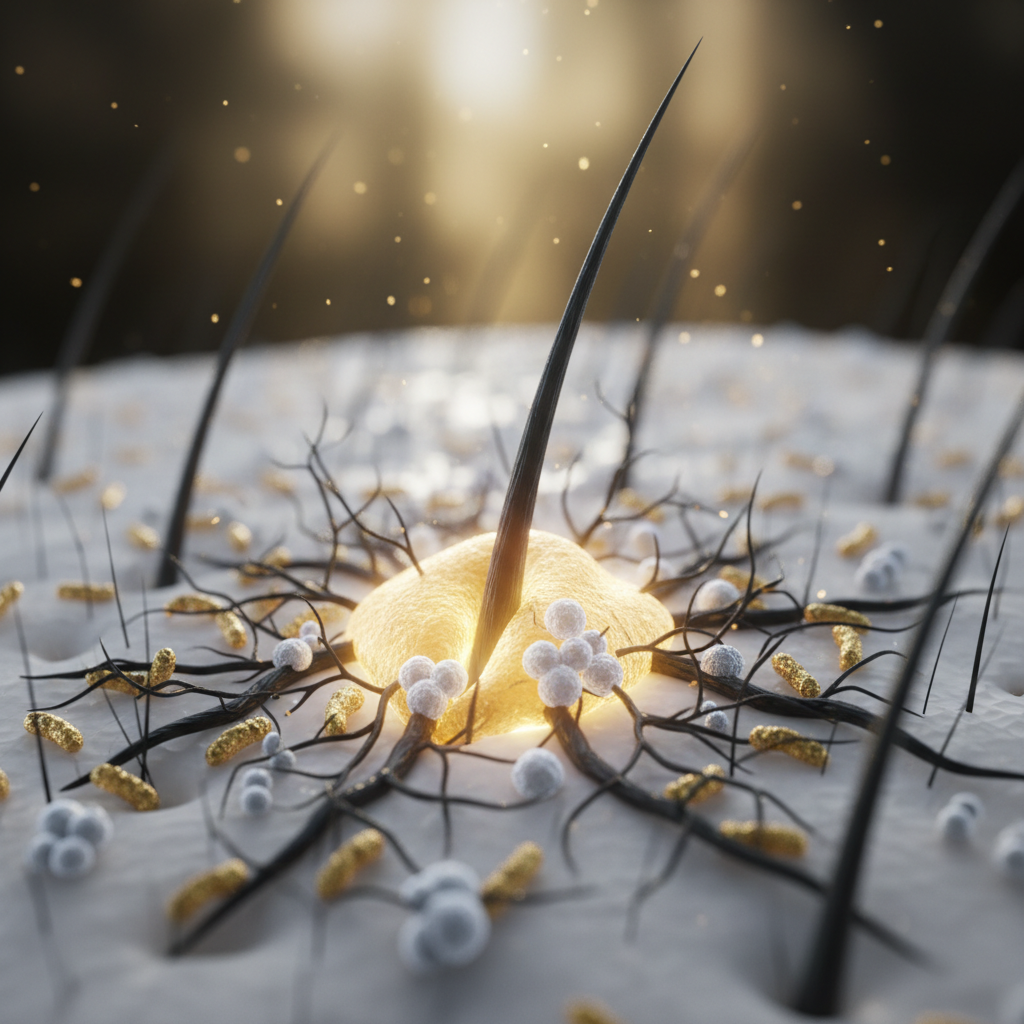
- Microbial overgrowth: Staphylococcus aureus is the primary bacterial culprit in superficial bacterial folliculitis. If the stratum corneum is breached by scratching or friction, S. Aureus colonises the follicular funnel. Alternatively, an overproliferation of Malassezia yeasts produces lipases that break down sebum into irritating free fatty acids, triggering fungal (Pityrosporum) folliculitis.
- Neutrophilic recruitment: As microbial enzymes degrade tissue, the immune system releases pro-inflammatory cytokines (such as IL-1 and TNF-alpha). Neutrophils rush to the follicular canal, forming the visible pus characteristic of the lesion.
- Occlusion and shear stress: Tight helmets, occlusive petroleum-based styling waxes, and pulling styles cause mechanical micro-tears while trapping moisture and sebum. This anaerobic, humid microclimate accelerates pathogen proliferation.
Follicular Occlusion / Friction
 │
 ▼
Barrier Micro-damage (Acid Mantle Alteration)
 │
 ▼
Pathogen Proliferation (S. Aureus / Malassezia)
 │
 ▼
Cytokine Release & Neutrophil Infiltration
 │
 ▼
Visible Follicular Pustule & Erythema
Signs to look for: superficial vs deep variants
Understanding the progression of folliculitis scalp symptoms helps you determine whether home care or urgent clinical intervention is required.
Superficial scalp folliculitis
- Appearance: Small, dome-shaped pustules measuring 1 to 3 mm, each pierced centrally by a hair fibre.
- Distribution: Often scattered across the hairline, nape of the neck, or throughout the crown.
- Sensation: Mild to moderate itching; occasional tenderness.
- Resolution: Lesions usually crust over and heal within 7 to 10 days without scarring.
Deep and chronic forms (e.g., Folliculitis Decalvans, Dissecting Cellulitis)
- Appearance: Large, painful nodules, indurated plaques, or multiple hairs emerging from a single follicular opening (tufted folliculitis).
- Distribution: Often concentrated at the vertex and occipital scalp.
- Sensation: Throbbing pain, severe tenderness, and foul-smelling or blood-tinged discharge upon pressure.
- Risk: High risk of cicatricial (scarring) alopecia where hair follicles are replaced by fibrous scar tissue.
Comparing scalp conditions with similar presentations
Because several scalp conditions present with redness, scaling, or pustules, misdiagnosis is common.
| Condition | Primary Lesion | Comedones Present? | Pruritus Level | Risk of Scarring Alopecia |
|---|---|---|---|---|
| Scalp Folliculitis | Perifollicular pustules, red papules | No | Moderate to High | Low (superficial); High (chronic/deep) |
| Seborrhoeic Dermatitis | Greasy, yellowish flakes on erythematous skin | No | High | None (unless severe secondary infection) |
| Scalp Acne | Papules, pustules, microcomedones | Yes | Low to Mild | Low |
| Scalp Psoriasis | Well-demarcated thick plaques with silvery scales | No | Variable (Mild to High) | None |
| Folliculitis Decalvans | Boggy plaques, pustules, tufted hairs | No | Severe (Painful) | Extremely High (requires immediate medical care) |
What you can do: management and scalp hygiene
For mild, superficial presentations, practical adjustments can calm irritation and support recovery:
- Cleanse with balanced formulations: Use a gentle, pH-balanced (pH 5.0 to 5.5) clarifying shampoo. Ingredients like tea tree oil, salicylic acid, and piroctone olamine help maintain a clean environment without stripping protective moisture.
- Eliminate mechanical friction: Avoid tight caps, helmets with unwashed linings, and hair accessories that rub the inflamed areas. Wash pillowcases every 2 to 3 days in hot water (above 60 degrees Celsius).
- Cease heavy, occlusive styling products: Pause the use of heavy waxes, pomades, and silicone-dense serums directly on the scalp. These trap sebum and feed bacterial or fungal populations.
- Resist the urge to pick or squeeze: Squeezing pustules drives bacteria deeper into the dermis, escalating a superficial issue into a destructive, scarring infection.
- Apply warm compresses: A warm, clean, damp cloth held against the scalp for 10 minutes, three times daily, can encourage natural drainage and relieve discomfort.
Supporting the scalp environment: the Watermans approach
Maintaining an optimal scalp ecosystem plays a key role in avoiding the buildup that precedes follicular irritation. Watermans formulations, such as the Grow Me Shampoo and Condition Me Conditioner, are engineered to cleanse the scalp thoroughly while delivering balancing botanicals like rosemary extract, biotin, and allantoin.
While Watermans products are cosmetic and not formulated to diagnose, treat, or cure bacterial or fungal folliculitis, they provide an invigorating, residue-free wash. This helps remove excess surface oils, environmental pollutants, and dead skin cells, fostering a fresh and balanced foundation where hair can thrive.
When to get professional advice
You should consult a GP, dermatologist, or qualified trichologist if you notice any of the following warning signs:
- Lesions that do not improve after two weeks of careful hygiene.
- Pustules that enlarge, fuse together, or form boggy, painful swellings.
- Spreading areas of baldness or smooth, shiny skin where hair fails to regrow.
- Systemic symptoms, including swollen lymph nodes behind the ears or at the base of the skull, or fever.
- Bleeding, severe pain, or honey-coloured crusting suggestive of impetigo.
A clinician can take a bacterial and fungal swab to identify the exact pathogen and prescribe targeted oral or topical therapeutics.
Frequently asked questions about Folliculitis Scalp Symptoms
What are the earliest folliculitis scalp symptoms?
The earliest signs include discrete red rings or tiny raised bumps encircling individual hair strands, accompanied by a prickling itch or localized tenderness. Within a couple of days, these bumps often develop tiny white or yellow pus-filled tips that can rupture and form crusts.
Can folliculitis scalp symptoms cause permanent hair loss?
Superficial folliculitis causes temporary shedding at most, and normal growth resumes once the infection clears. However, chronic or deep variants, such as folliculitis decalvans, destroy the follicular stem cells in the bulge, resulting in permanent, irreversible scarring alopecia if left untreated.
How do I tell the difference between dandruff and folliculitis?
Dandruff (mild seborrhoeic dermatitis) presents primarily with diffuse flaking and itching without localized pus-filled bumps. Folliculitis features distinct, inflamed pustules centred around hair follicles, often presenting with tenderness and soreness rather than simple flaking.
Does sweating make scalp folliculitis worse?
Yes. Perspiration creates a warm, moist environment that encourages both Staphylococcus aureus bacteria and Malassezia yeasts to proliferate. Leaving dried sweat beneath hats or headbands increases friction and clogs follicular openings, aggravating symptoms.
What ingredients should I avoid when experiencing symptoms?
Avoid heavy mineral oils, petroleum-based pomades, thick butters, and high concentrations of comedogenic styling agents. You should also stay away from harsh, high-pH stripping soaps that compromise the natural scalp barrier.
Summary of managing your scalp health
Recognising active folliculitis scalp symptoms allows you to take swift action before minor irritation escalates into serious follicular damage. By keeping the scalp clean, reducing physical friction, avoiding pore-clogging products, and obtaining medical intervention whenever pustules persist or cause pain, you can protect both your immediate scalp comfort and long-term follicular health.
Sources and references
- British Association of Dermatologists. Folliculitis Patient Information Leaflet. 2020.
- National Health Service (NHS). Folliculitis Overview and Management. 2022.
- Luelmo-Aguilar, J., & Santandreu, M. Z. Folliculitis: Recognition and Management. American Journal of Clinical Dermatology, 2004.
- Chovatiya, R. Pityrosporum Folliculitis: A Comprehensive Review of Pathogenesis, Diagnosis, and Treatment. Journal of the American Academy of Dermatology, 2020.
- Powell, J. J., & Dawber, R. P. Cicatricial alopecia: clinicopathological review. British Journal of Dermatology, 2001.