Dry Hair Treatment: Restoring Moisture and Shine to Parched Strands
11 min read ·
Dry Hair Treatment focuses on replenishing moisture, protecting the hair fibre, and adopting haircare practices that support cuticle integrity and natural oil balance, though results vary by individual hair type and damage level.
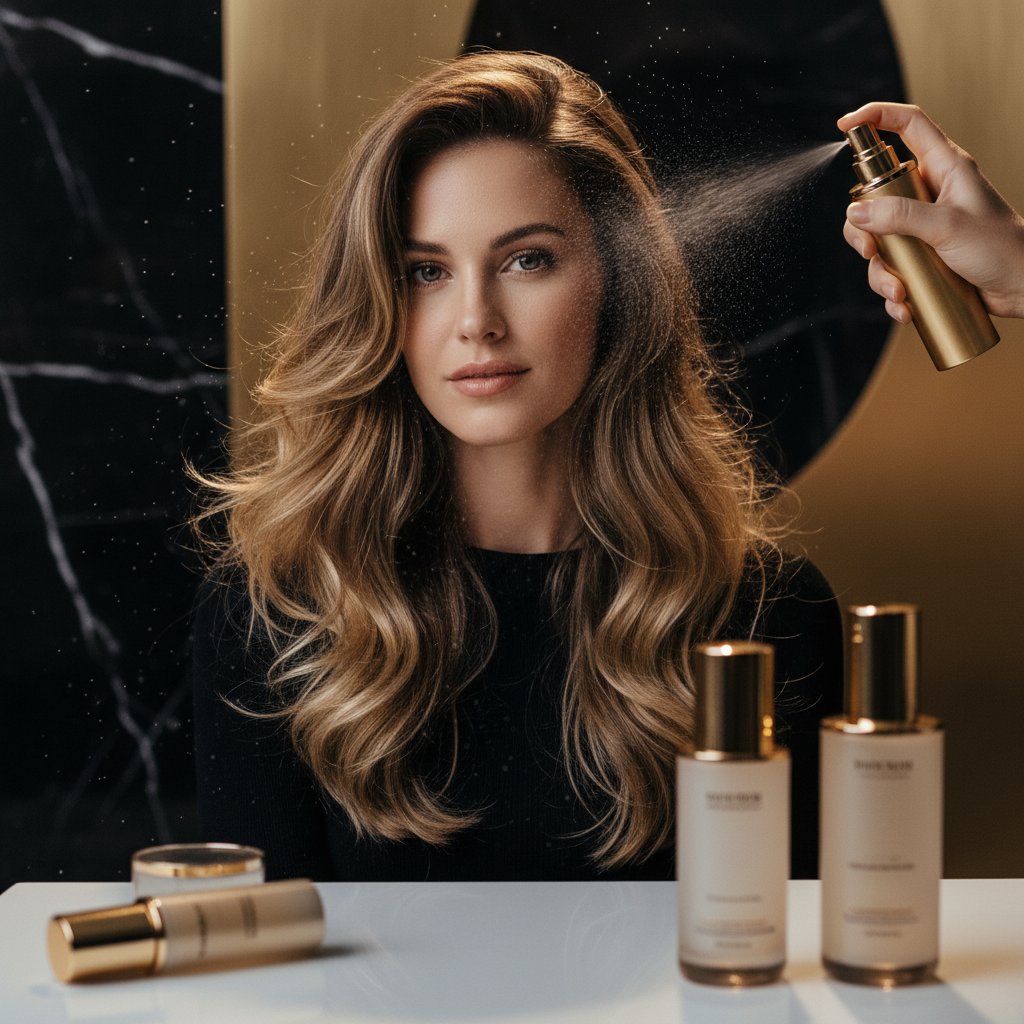
Quick answer: Dry Hair Treatment involves a combination of consistent hydration, protective styling, and gentle haircare practices to restore moisture and improve the health of parched hair. The primary goal is to seal the hair's outer layer, the cuticle, to prevent further moisture loss and reduce breakage, but results can depend on the underlying cause and extent of dryness.
Key takeaways
- Dry hair results from a compromised cuticle layer, allowing moisture to escape, making hair feel rough and appear dull.
- Effective Dry Hair Treatment prioritises gentle cleansing, regular conditioning, and deep hydrating masks to replenish moisture.
- Minimising heat styling, chemical treatments, and harsh environmental exposure protects the hair fibre from damage and dryness.
- Dietary intake of essential fatty acids, vitamins, and adequate water intake can support overall hair health and natural oil production.
- Persistent dryness or associated symptoms may warrant consultation with a GP or dermatologist to rule out underlying medical conditions.
Dry Hair Treatment: what the evidence shows
Dry hair occurs when the hair's outer protective layer, the cuticle, is damaged or raised, allowing essential moisture to escape from the inner cortex. This leads to a rough texture, dull appearance, and increased susceptibility to breakage. The condition of the cuticle is paramount for maintaining hair hydration and overall hair health (Trueb, 2017).
Hair Anatomy and Moisture Retention
Each strand of hair has three main layers: the medulla (innermost, sometimes absent), the cortex (provides strength and colour), and the cuticle. The cuticle is a protective layer of overlapping cells that lie flat in healthy hair, sealing in moisture and reflecting light. When the cuticle is lifted or damaged, moisture is lost, leading to dryness. Sebum, a natural oil produced by sebaceous glands on the scalp, helps to lubricate the hair shaft from root to tip. Insufficient sebum production, or practices that strip it away, can contribute significantly to dry hair.
Identifying the Signs of Dry Hair
Recognising dry hair is the first step toward effective Dry Hair Treatment. Common indicators include:
- Rough Texture: Hair feels coarse or brittle to the touch, lacking suppleness.
- Dull Appearance: The hair lacks its natural shine and vibrancy due to a compromised cuticle that doesn't reflect light smoothly.
- Lack of Elasticity: Healthy hair has a degree of elasticity; dry hair often snaps easily when stretched, rather than returning to its original length.
- Frizz: A raised cuticle allows moisture from the air to penetrate the hair shaft, leading to a frizzy or unruly appearance (Robins et al., 1974).
- Split Ends: The ends of the hair fibre split or fray due to dryness and damage, often visible as white dots or a broom-like appearance.
- Difficulty Styling: Dry hair can be harder to manage, often feeling stiff, tangled, and resistant to styling.
Causes of dry hair: understanding why your hair is parched
Dry hair can stem from a complex interplay of environmental, haircare, and internal factors. Understanding these causes is crucial for selecting the most effective Dry Hair Treatment approach.
Environmental Factors
- Climate: Exposure to arid climates, low humidity, or prolonged indoor heating or air conditioning can dehydrate hair by accelerating moisture evaporation from the hair shaft.
- Sun Exposure: Ultraviolet (UV) radiation can degrade the hair's protein structure and damage the cuticle, making it more porous and susceptible to moisture loss (Harrison & Sinclair, 2003). Wearing a hat or using UV-protective hair products can offer protection.
- Wind: Constant wind exposure can physically abrade the cuticle and increase moisture evaporation.
- Water Exposure: Both chlorine in swimming pools and salt in seawater can strip hair of its natural oils and raise the cuticle, leading to dryness and potential damage (Draelos, 2000).
Haircare Practices and Products
- Over-washing: Washing hair too frequently, particularly with harsh cleansing agents, can remove beneficial sebum and natural moisturising factors.
- Harsh Shampoos: Shampoos containing strong sulfates (e.g., sodium lauryl sulfate, sodium laureth sulfate) can aggressively cleanse, stripping away natural oils along with dirt and product buildup. Opting for sulfate-free shampoos may be beneficial (see Sulfate-Free Shampoo Benefits).
- Excessive Heat Styling: Frequent use of heat tools like blow dryers, flat irons, and curling irons at high temperatures can rapidly evaporate moisture from within the hair shaft and cause thermal damage to the cuticle (see Heat Styling: Understanding Its Effects and How to Protect Your Hair).
- Chemical Treatments: Perms, relaxers, bleaching, and hair colouring treatments can significantly alter the hair's structure, weakening the cuticle and increasing porosity (see Chemical Hair Treatments: What They Are and How They Affect Hair). These processes can leave hair more vulnerable to dryness and damage.
- Inadequate Conditioning: Not regularly using a conditioner or using one that is insufficient for your hair type can leave hair unprotected and prone to moisture loss. Conditioners help to smooth the cuticle and impart moisture (see The Science of Conditioners: How Hair Care Formulations Work).
- Rough Towel Drying: Vigorously rubbing wet hair with a towel can create friction, leading to cuticle damage, frizz, and increased breakage.
Internal Factors and Medical Conditions
- Nutrition: A diet lacking essential fatty acids (e.g., omega-3s), vitamins (especially A, C, E, and biotin), and minerals can negatively impact hair health, including natural oil production (Rushton, 2002).
- Aging: As individuals age, sebaceous glands may produce less sebum, leading to naturally drier hair and scalp (Courtois et al., 1995).
- Hormonal Imbalances: Conditions affecting hormone levels, such as hypothyroidism (an underactive thyroid), can reduce sebum production, resulting in dry and brittle hair.
- Anorexia Nervosa: This eating disorder can lead to severe nutritional deficiencies that impair hair growth and texture, often resulting in dry, fragile hair (Cash, 1997).
Effective Dry Hair Treatment strategies
Treating dry hair involves a comprehensive approach focused on replenishing moisture, protecting the hair fibre, and adopting healthy haircare habits. Consistency is key for any Dry Hair Treatment.
Targeted Haircare Routine for Dry Hair Treatment
- Gentle Cleansing: Reduce the frequency of hair washing to preserve natural oils. When washing, use a moisturising, sulfate-free shampoo. These are formulated to cleanse gently while minimising the stripping of beneficial sebum.
- Intensive Conditioning: Always follow shampooing with a rich, hydrating conditioner. Look for ingredients like shea butter, argan oil, glycerin, hyaluronic acid, and panthenol which are known to attract and seal in moisture (see Hair Hydration: The Science Behind Keeping Hair Moist).
- Deep Conditioning Treatments: Incorporate a deep conditioning mask or hair treatment once or twice a week. These provide a more concentrated dose of moisturising and reparative ingredients, helping to repair the hair shaft and seal the cuticle.
- Leave-in Conditioners: For persistent dryness, a leave-in conditioner can provide continuous moisture, detangling benefits, and protection against environmental stressors throughout the day.
- Hair Oils and Serums: Apply a small amount of natural oil (such as argan, jojoba, or coconut oil) or a silicone-based serum to the mid-lengths and ends of damp or dry hair. These help to seal the cuticle, impart shine, and protect against moisture loss (Gavazzoni Dias, 2015).
Protective Practices
- Minimise Heat Styling: Reduce the frequency of heat tool use. When using them, always apply a heat protection spray beforehand to create a barrier. Opt for the lowest effective heat setting (see Heat Styling Safety Best Practices).
- Air Drying: Allow hair to air dry whenever possible to avoid unnecessary thermal exposure. If blow-drying, use a cool setting.
- Protective Hairstyles: Styles that keep the ends of your hair tucked away (e.g., braids, buns, twists) can protect them from environmental damage and friction, particularly for longer hair.
- Sleep on Silk or Satin: Cotton pillowcases can absorb moisture from hair and create friction, potentially leading to dryness and breakage. Switching to a silk or satin pillowcase or wrapping hair in a silk scarf can reduce these issues (Robbins, 2012).
- Sun Protection: When exposed to prolonged sunlight, wear a hat or use hair products with UV filters to shield your hair from sun damage.
Lifestyle and Nutritional Adjustments
- Hydration: Drinking plenty of water throughout the day supports overall bodily hydration, which indirectly benefits hair health and contributes to a healthy scalp environment.
- Balanced Diet: Consume a diet rich in omega-3 fatty acids (found in oily fish, flaxseeds, walnuts), vitamins (especially A, C, E, and B-complex vitamins), and minerals (like zinc and iron). These nutrients are vital for healthy hair growth, strength, and natural oil production (Rushton, 2002).
- Humidifier: In dry indoor environments, using a humidifier can add moisture to the air, which can benefit both skin and hair.
Distinguishing naturally dry hair from damaged dry hair
It's important to differentiate between hair types that are inherently prone to dryness and hair that has become dry due to external damage. While some hair types (e.g., coily or curly hair) are naturally drier because the helical structure makes it harder for sebum to travel down the hair shaft, all hair types can experience dryness from damage.
| Feature | Naturally Dry Hair | Damaged Dry Hair |
|---|---|---|
| Primary Cause | Hair shaft structure, insufficient sebum | External factors (heat, chemicals), mechanical stress |
| Texture | Can be coarse, often consistent along the strand | Varies; rougher, often with visible splits or breaks |
| Repair Focus | Consistent moisture, hydration, emollients | Repair cuticle, strengthen bonds, moisture |
| Prevention | Hydrating routine, gentle care, protective styling | Avoid damaging practices, heat protection, gentle handling |
When to seek professional advice
If you have implemented Dry Hair Treatment strategies and your hair remains persistently dry, brittle, or shows signs of significant damage or shedding, it's advisable to consult a healthcare professional. A General Practitioner (GP) or dermatologist can rule out underlying medical conditions (e.g., thyroid disorders, nutritional deficiencies) that might be contributing to hair dryness.
Frequently asked questions about Dry Hair Treatment
Why does my hair feel dry even after conditioning?
Even after conditioning, hair can feel dry if the conditioner isn't rich enough for your hair's needs, if the cuticle is severely damaged and unable to retain moisture, or if environmental factors (like very dry air) are rapidly evaporating moisture. Consider a leave-in conditioner or a heavier deep conditioning treatment. The effectiveness of Dry Hair Treatment relies on sealing the cuticle.
Can diet truly affect hair dryness?
Yes, diet can significantly affect hair dryness. Hair health is influenced by overall nutrition. Deficiencies in essential fatty acids (omega-3s), vitamins (especially A, C, E, and biotin), and minerals like zinc can impact the scalp's ability to produce sebum and maintain healthy hair structure, leading to dryness and brittleness. A balanced diet supports the efficacy of any Dry Hair Treatment.
Is hard water contributing to my dry hair?
Hard water, which contains high levels of dissolved minerals like calcium and magnesium, can leave a residue on hair that makes it feel rough, dull, and dry. These minerals can also prevent shampoo from lathering effectively and make it harder to rinse out products completely. Using a chelating shampoo or installing a shower filter can help mitigate these effects (see Hard Water and Hair Damage: Understanding the Impact on Your Hair).
How often should I use a deep conditioning mask for dry hair?
For severely dry or damaged hair, you might start with a deep conditioning mask once a week. As your hair's condition improves, you can reduce this to every two weeks. For maintenance or mild dryness, a mask once a month might suffice. Listen to your hair's needs, as consistency is more important than frequency for a successful Dry Hair Treatment.
What's the difference between hair hydration and moisturisation?
Hydration refers to drawing water into the hair shaft, often with ingredients called humectants (e.g., glycerin, hyaluronic acid). Moisturisation involves sealing that water in with emollients or occlusives (e.g., oils, butters, silicones) to prevent evaporation. Both are crucial for Dry Hair Treatment; you need to hydrate the hair and then moisturise to retain that hydration.
Nurturing your hair back to health
Addressing dry hair effectively involves a holistic approach that tackles both internal and external factors. By understanding the causes, adopting a diligent haircare routine, and making conscious lifestyle choices, you can restore your hair's natural moisture, shine, and elasticity. Consistent and targeted Dry Hair Treatment strategies will help you achieve healthier, more resilient hair.
Watermans solutions for Dry Hair Treatment
Watermans hair care products are formulated with ingredients that support moisture retention and hair health. Our conditioners, such as Watermans Condition Me, contain ingredients designed to smooth the cuticle and replenish lost moisture, helping to combat dryness. For a more intensive Dry Hair Treatment, our Watermans Masque Me is enriched with hydrating components to provide deep nourishment. For those with afro, curly or wavy hair prone to dryness, Frojus products are specifically designed with ingredients like shea butter to provide intense moisture and improve manageability.
Sources and references
- Cash, T. F. (1997). The psychology of hair loss and its implications for treatment. Clinical Dermatology, 15(5), 629-637.
- Courtois, M., L'Ollivier, C., & Bernard, B. A. (1995). Human hair: An atlas of scanning electron microscopy. Paris: Karger.
- Draelos, Z. D. (2000). Hair cosmetics. Dermatologic Clinics, 18(4), 677-683.
- Gavazzoni Dias, M. F. R. (2015). Hair cosmetics: An overview. International Journal of Trichology, 7(1), 2-15.
- Harrison, S., & Sinclair, R. (2003). Telogen effluvium. Clinical and Experimental Dermatology, 28(4), 361-367. (Note: While this paper primarily discusses telogen effluvium, it includes context on environmental stressors like UV affecting hair health).
- Robbins, C. R. (2012). Chemical and physical behaviour of human hair (5th ed.). Springer Science & Business Media.
- Robins, C. R., Kelly, M. W., & Van der Hul, W. J. (1974). The physical and chemical behaviour of hair. Journal of the Society of Cosmetic Chemists, 25(6), 335-349.
- Rushton, D. H. (2002). Nutritional factors and hair loss. Clinical and Experimental Dermatology, 27(5), 396-404.
- Trueb, R. M. (2017). The art of hair care. Dermatology Practice and Conceptual, 7(3), 108-112.
- PubMed Central. (Various articles on hair structure and physiology).
- American Academy of Dermatology Association. (Various patient education materials on hair care).
Find these ingredients in Watermans products
- Biotin: you will find this ingredient in our Hair Growth Shampoo.
- Zinc: you will find this ingredient in our Hair Vitamins.
- Shea Butter: you will find this ingredient in our Curly Hair Conditioner.