Dry Hair: Understanding, Causes, and Effective Care
9 min read ·
Dry Hair lacks moisture, appearing dull, rough, and prone to breakage. It results from a compromised outer cuticle layer, preventing proper hydration. Understanding its causes and adopting targeted care can significantly improve its condition.
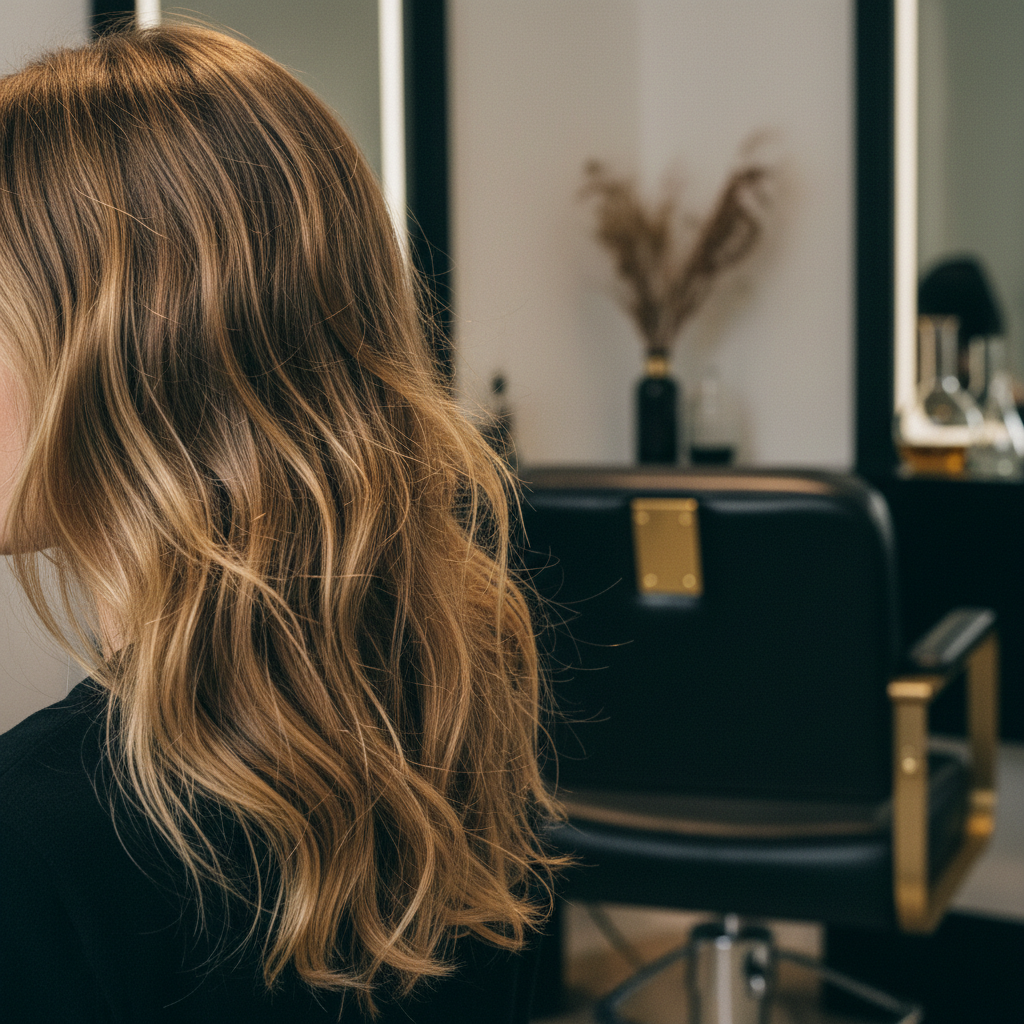
Quick answer: Dry Hair occurs when your hair's outermost protective layer, the cuticle, is disrupted or doesn't lie flat, preventing it from retaining essential moisture. This leads to hair that feels rough, looks dull, and is more prone to tangling and breakage. Effective management of Dry Hair focuses on restoring and sealing the cuticle to improve moisture retention and overall hair health, though severe structural damage may require more intensive treatments.
Key takeaways
- Dry Hair results from insufficient moisture retention, often due to a compromised outer cuticle layer.
- It typically appears dull, feels rough, and is more susceptible to breakage and frizz.
- Environmental factors, chemical treatments, heat styling, and certain health conditions can contribute to Dry Hair.
- Care strategies focus on gentle cleansing, deep conditioning, heat protection, and a balanced diet.
- Understanding the difference between Dry Hair and damaged hair is key for choosing appropriate care.
- Regular trims, protective styling, and avoiding harsh treatments help maintain moisture and integrity.
Dry Hair: What the evidence shows
Dry Hair is a common hair concern characterised by a lack of sufficient moisture within the hair fibre. This often stems from a compromised outer layer of the hair, known as the cuticle. The cuticle is made up of overlapping cells, like shingles on a roof. When these cells lie flat and smooth, they create a protective barrier that seals in moisture and reflects light, giving hair a healthy shine. However, when the cuticle is raised, damaged, or removed, moisture can escape more easily, leading to the characteristic signs of Dry Hair.
The mechanism of Dry Hair
Healthy hair contains approximately 10 to 13% water by weight. When the moisture content drops below this range, hair begins to exhibit the signs of dryness. This reduced moisture is often linked to damage to the hair's lipid layer, which is a thin, protective layer on the surface of the cuticle. This lipid layer, composed primarily of 18-methyl eicosanoic acid (18-MEA), plays a crucial role in the hair's hydrophobicity (water-repelling nature) and contributes to its smoothness and shine. When 18-MEA is lost, for example through chemical treatments or harsh styling, the hair becomes more porous, absorbing water readily but also losing it quickly. This makes the hair fibre susceptible to swelling and contracting, leading to a raised cuticle and increased friction between strands.
Signs of Dry Hair
Recognising Dry Hair involves observing several key characteristics that indicate a lack of internal moisture:
- Dullness: Hair lacks natural lustre and appears flat or lifeless. This is because a raised cuticle scatters light rather than reflecting it evenly.
- Rough Texture: When touched, Dry Hair often feels coarse, brittle, or straw-like. This tactile sensation is a direct result of the irregular, open cuticle.
- Lack of Elasticity: Healthy hair can stretch up to 30% of its length when wet without breaking. Dry Hair has reduced elasticity and is more prone to snapping and splitting, particularly when combed or styled.
- Frizz: Hair appears unruly, with individual strands separating and standing away from the main bulk. This happens because Dry Hair readily absorbs humidity from the air, causing the hair shaft to swell unevenly and the cuticle to lift further.
- Tangles: The uneven surface of Dry Hair strands creates increased friction, causing them to interlock easily and form knots.
What causes Dry Hair?
Dry Hair can be caused by a combination of internal and external factors, all of which contribute to the hair's inability to maintain adequate moisture:
- Environmental Factors: Prolonged exposure to sunlight (UV radiation can degrade hair proteins and lipids), strong winds, or arid (low humidity) climates can strip hair of moisture. Swimming in chlorinated or saltwater can also have a drying effect by removing natural oils.
- Chemical Treatments: Processes like permanent colouring, bleaching, perms, and chemical straightening significantly alter the hair's structure. They often require the cuticle to be lifted aggressively to allow chemicals to penetrate, making it difficult for the hair to seal in moisture afterwards. Bleaching, in particular, can remove the natural lipid layer and internal protein bonds.
- Heat Styling: Frequent use of high-temperature styling tools, such as flat irons, curling irons, and even hair dryers, without adequate heat protection, can rapidly evaporate water from the hair fibre. This thermal damage can also crack or lift the cuticle.
- Mechanical Damage: Aggressive brushing, especially on wet hair, vigorous towel drying, or frequent tight hairstyles can physically abrade the cuticle, leading to increased porosity and moisture loss.
- Insufficient Sebum Production: Sebum, the natural oil produced by scalp glands, acts as a natural conditioner and protective barrier for the hair shaft. Conditions like an underactive thyroid, nutritional deficiencies, or simply genetics can lead to lower sebum production, resulting in Dry Hair. Age can also play a role, as sebum production tends to decrease with age.
- Certain Health Conditions and Medications: Underlying health issues, such as anorexia nervosa or hypoparathyroidism, can manifest in Dry Hair. Some medications can also have dryness as a side effect.
Caring for Dry Hair: Evidence-based strategies
Effective care for Dry Hair focuses on replenishing moisture, protecting the hair from further damage, and sealing the cuticle to lock in hydration.
Gentle cleansing and conditioning
- Sulfate-free shampoos: Opt for mild, sulfate-free shampoos that cleanse without stripping the hair of its natural oils. Sulfates can be too harsh for Dry Hair, exacerbating its condition. Consider reducing wash frequency to preserve natural moisture. For more on this, see "Sulfate-Free Shampoo Benefits" or "The Benefits of Sulfate-Free Hair Products".
- Deep conditioning treatments: Regular use of rich conditioners is crucial. Look for ingredients that provide humectant (moisture-attracting) and emollient (smoothing, sealing) properties. Ingredients like hyaluronic acid, glycerol, shea butter, argan oil, and fatty alcohols can help smooth the cuticle and improve moisture retention. For an in-depth look at how these work, read "The Science of Conditioners: How Hair Care Formulations Work" and "Humectants: Understanding How They Hydrate and Protect Your Hair".
- Leave-in conditioners and hair oils: These products provide continuous hydration and a protective layer throughout the day. Applied to damp hair, they can help seal the cuticle and reduce moisture loss, particularly beneficial for "Hair Hydration: The Science Behind Keeping Hair Moist".
Protection and styling
- Heat protection: Always apply a heat protectant product before using heat styling tools. These products typically contain polymers that form a barrier on the hair shaft, slowing heat transfer and reducing thermal damage. For best practices, refer to "Heat Styling Safety Best Practices" or "Heat Styling: Understanding Its Effects and How to Protect Your Hair".
- Air drying: Whenever possible, allow hair to air dry to minimise exposure to heat. If blow-drying, use a low heat setting and a diffuser.
- Protective styling: Opt for hairstyles that minimise manipulation and exposure to environmental stressors, such as braids, buns, or twists. This is particularly important for "Moisturizing Afro-Textured Hair" and can reduce "Hair Breakage: Causes, Signs, and Solutions".
- UV protection: Consider hair products with UV filters or wear hats when exposed to prolonged sunlight to shield hair from damaging radiation.
General hair health
- Balanced diet: A diet rich in essential fatty acids (e.g., omega-3s from fish, flaxseed), vitamins (A, C, E, biotin), and minerals (zinc, iron) supports overall hair health and the production of healthy sebum. While drinking water supports overall bodily functions, there's no direct evidence that increased water intake significantly hydrates the hair shaft from the inside.
- Regular trims: While trimming doesn't hydrate the hair, it removes split ends and damaged portions that can travel further up the hair shaft, making the hair appear healthier and preventing further breakage.
Dry Hair vs. Damaged Hair
While often exhibiting similar symptoms, it is important to understand the distinction between Dry Hair and hair damage. Dryness refers primarily to a lack of moisture, whereas damage indicates a structural compromise of the hair fibre itself.
| Feature | Dry Hair | Damaged Hair |
|---|---|---|
| Primary Issue | Lack of moisture and natural oils | Structural integrity compromised (cuticle & cortex) |
| Appearance | Dull, rough, frizzy, lack of shine | Brittle, split ends, breakage, sometimes mushy when wet |
| Feel | Coarse, straw-like, stiff | Weak, often elastic or gummy when wet, prone to tangles |
| Main Cause | Environmental factors, low sebum, improper care | Chemical treatments, extreme heat, severe mechanical trauma |
| Treatment Focus | Hydration, moisture retention, cuticle sealing | Protein replenishment, strengthening, gentle handling |
Dry Hair primarily lacks moisture and can often be remedied with an intensified hydration regimen and protection. Damaged hair, conversely, has experienced a breakdown of its protein structure (the cortex) in addition to cuticle damage. This requires treatments that focus on repairing these internal bonds and replenishing lost proteins. Often, damaged hair also presents as dry, but the underlying issue of structural integrity is more severe. For more on this, see "Hair Damage: Causes, Signs, and Solutions".
Frequently asked questions about Dry Hair
What ingredients should I look for in products for Dry Hair?
Look for humectants like hyaluronic acid or glycerol to draw moisture in, and emollients such as natural oils (argan, jojoba, coconut, shea butter) and silicones to seal the cuticle and prevent moisture loss. Proteins like hydrolysed wheat protein can also temporarily strengthen the hair and improve its feel. Consider "Choosing the Right Hair Conditioner" for more details.
Can hard water cause Dry Hair?
Yes, hard water can contribute to Dry Hair. The minerals in hard water, like calcium and magnesium, can build up on the hair shaft, making it feel rough and preventing moisture from penetrating effectively. They can also make hair less able to absorb conditioning treatments. See "Hard Water and Hair Damage: Understanding the Impact on Your Hair" for more information.
How often should I wash Dry Hair?
There's no one-size-fits-all answer, but generally, less frequent washing is better for Dry Hair. Washing too often can strip away natural oils. Aim for two to three times a week, or even less if your hair can tolerate it. Always follow with a good conditioner to replenish moisture.
Is Dry Hair linked to hair loss?
No, Dry Hair itself does not directly cause hair loss (follicular shedding or alopecia). However, severe dryness can make hair more brittle and prone to breakage along the shaft. This breakage can lead to a perceived reduction in hair volume or length, but it is distinct from hair loss from the follicle. If you are experiencing genuine hair loss, consult a healthcare professional.
Can a poor diet really affect my hair's dryness?
Yes, a diet lacking essential nutrients can impact hair health, including its ability to stay moisturised. Deficiencies in vitamins (especially A, C, E, and biotin), minerals (like zinc and iron), and essential fatty acids can hinder the production of healthy sebum and compromise the hair's structural integrity, contributing to Dry Hair.
Watermans products for Dry Hair
Watermans offers products formulated to address the needs of Dry Hair by focusing on hydration and improving hair's condition. Our shampoos provide gentle cleansing without harsh sulfates, helping to preserve natural moisture. Our conditioners and masks contain ingredients chosen to smooth the cuticle, enhance moisture retention, and leave hair feeling softer and more manageable. For example, Watermans Grow Me® Conditioner contains natural ingredients designed to moisturise and improve hair feel, while Watermans GrowPro Hair & Scalp Mask provides intensive conditioning to help restore a healthy appearance.
Sources and references
- American Academy of Dermatology Association, "Hair care products: How to choose", aad.org
- British Association of Dermatologists, bad.org.uk
- Gavazzoni Dias, M. F. R. (2015). Hair Cosmetics: An Overview. International Journal of Trichology, 7(1), 2 to 15.
- Gavazzoni Dias, M. F. R. (2015). Hair characterization based on physical and mechanical properties. International Journal of Cosmetic Science, 37, 23-28.
- National Health Service (NHS), "Hair loss", nhs.uk
- PubMed Central, *ncbi.nlm.nih.gov/pmc/
- Robbins, C. R. (2012). Chemical and Physical Behavior of Human Hair (5th ed.). Springer.","seo_title":"Dry Hair: Causes, Signs & Care","seo_description":"Understand the causes and signs of Dry Hair, and learn effective, evidence-based strategies for care. Restore moisture and improve your hair
Find these ingredients in Watermans products
- Zinc: you will find this ingredient in our Hair Vitamins.
- Shea Butter: you will find this ingredient in our Curly Hair Conditioner.