Deep Conditioning for Damaged Hair: An Essential Guide
5 min read ·
Deep conditioning for damaged hair is a vital step in restoring moisture, strength, and elasticity to compromised strands.
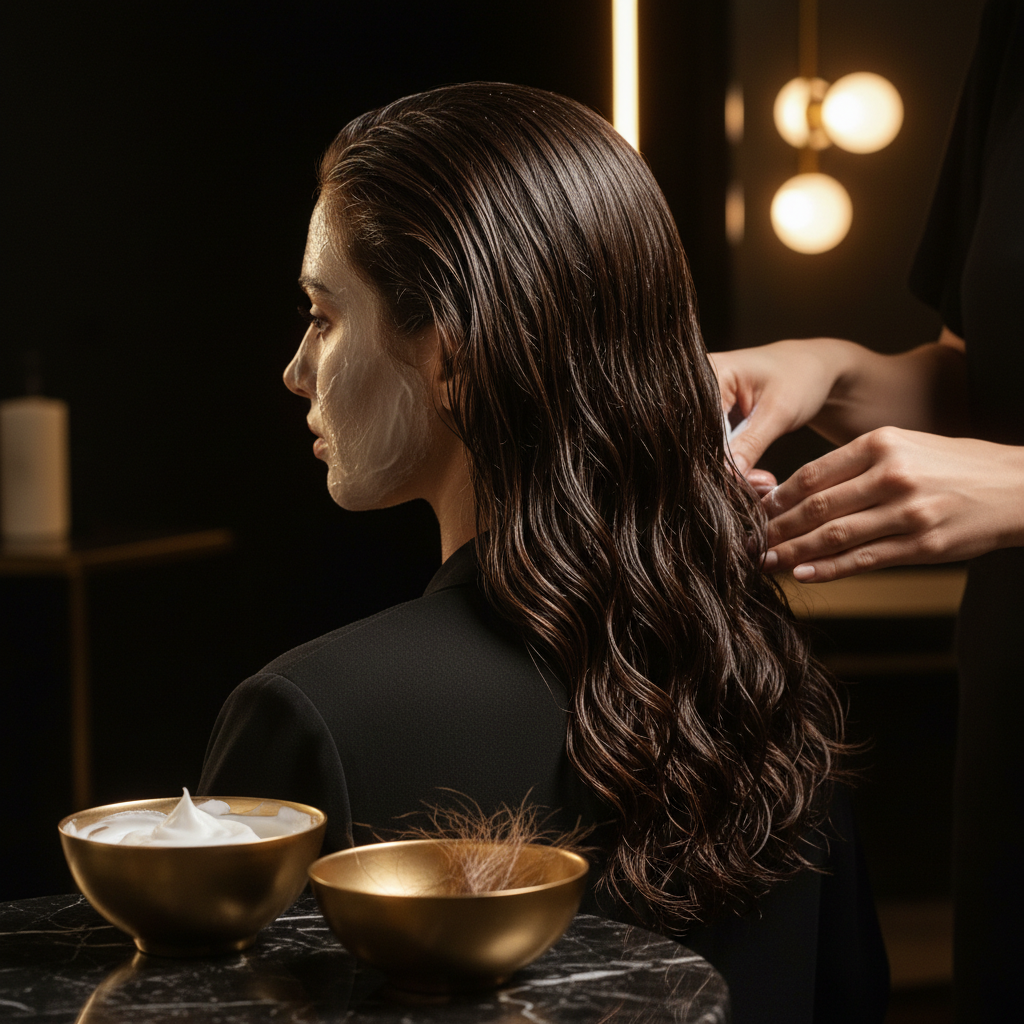
Quick answer: Deep conditioning for damaged hair involves applying a concentrated treatment designed to penetrate the hair shaft more deeply than a regular conditioner, providing intense hydration and nourishment. This process helps to fortify the hair structure, improve elasticity, and reduce the appearance of damage, leading to smoother, stronger-feeling hair. However, deep conditioning cannot repair permanently broken bonds or fundamentally change the hair's inherent structure; it primarily offers cosmetic and protective benefits. It's a crucial step in maintaining hair health and managing existing damage.
Key takeaways
- Deep conditioners are formulated with higher concentrations of active ingredients, such as proteins, humectants, and emollients, compared to regular conditioners.
- They work by temporarily strengthening the hair fibre, increasing its flexibility, and sealing the cuticle to reduce moisture loss.
- Regular deep conditioning can improve the appearance and feel of damaged hair, making it softer, shinier, and more manageable.
- While beneficial, deep conditioning for damaged hair offers cosmetic improvements and protective benefits; it does not permanently "repair" internal hair damage.
- Signs of hair damage that may benefit from deep conditioning include dryness, brittleness, frizz, dullness, and a rough texture.
Deep Conditioning for Damaged Hair: what the evidence shows
Deep conditioning for damaged hair is a widely recommended practice in professional haircare, supported by its observable benefits in improving hair's physical properties and appearance. These treatments are formulated to deliver a higher concentration of beneficial ingredients than standard daily conditioners, allowing for more intensive hydration, protein fortification, and cuticle smoothing. The primary goal is to mitigate the visible and tactile signs of damage, such as dryness, brittleness, and a rough texture.
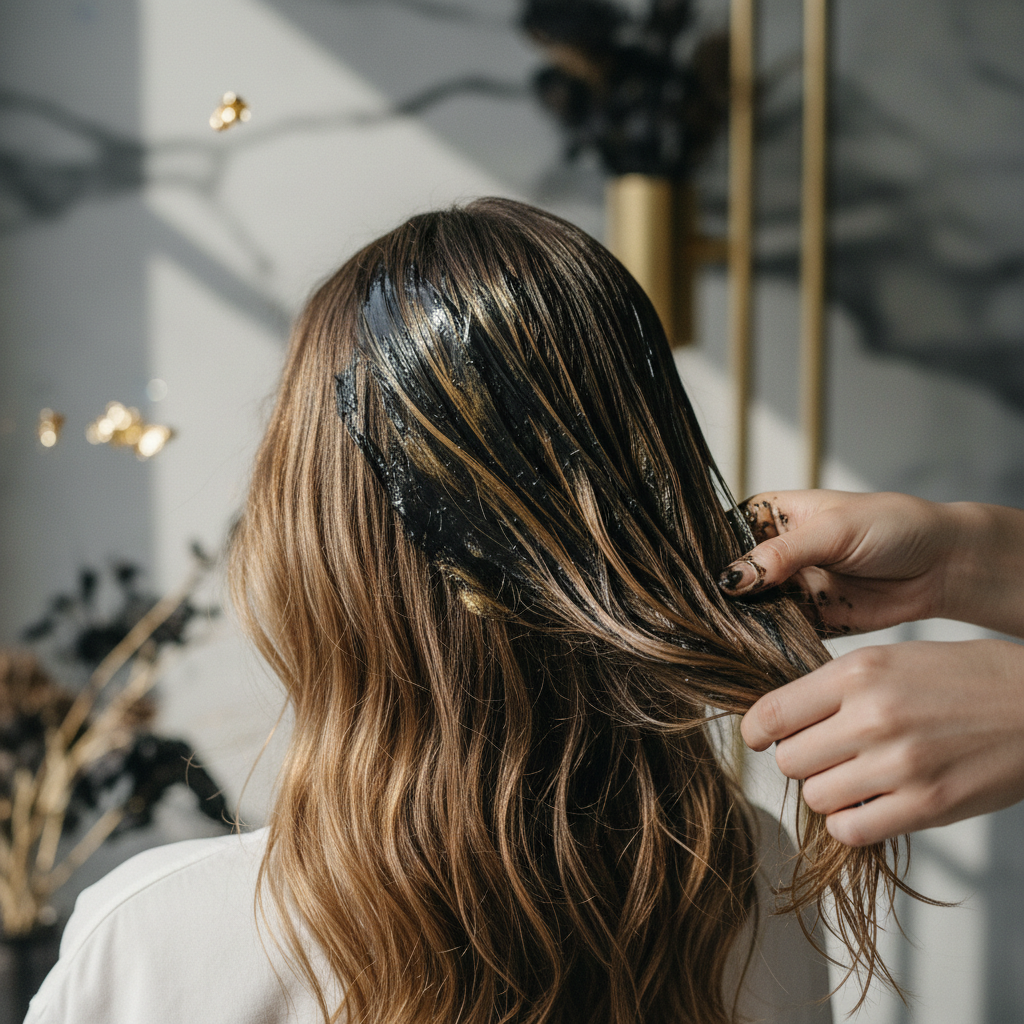
Research into hair science indicates that damaged hair often has a compromised outer cuticle layer, which can be lifted or broken, leading to moisture loss and increased susceptibility to further damage. Deep conditioners, particularly those rich in emollients, humectants, and hydrolysed proteins, work by temporarily patching these compromised areas. Emollients (like natural oils or fatty alcohols) can help to smooth the cuticle, reducing friction and increasing shine. Humectants (such as glycerine) attract and hold water, boosting the hair's internal moisture levels. Hydrolysed proteins (like wheat or keratin proteins) can temporarily bond to the hair shaft, providing a reinforcing effect and improving tensile strength.
Studies on hair fibre properties have shown that regular application of conditioning agents can significantly reduce combing force, improve elasticity, and increase the hair fibre's resistance to breakage. For instance, a 2011 study published in the Journal of Cosmetic Science demonstrated that conditioner application improved the mechanical properties of chemically treated hair, making it more resilient. While these effects are largely cosmetic and temporary, requiring consistent application for sustained benefits, they are crucial for maintaining the health and integrity of damaged hair and preventing further degradation.
It's important to understand that deep conditioning for damaged hair does not reverse internal structural damage, such as broken disulfide bonds caused by chemical processes like bleaching. Instead, it provides a protective coating and improves the superficial condition of the hair, making it feel and look healthier.
Understanding hair damage and its impact
Hair damage occurs when the protective outer layer of the hair shaft, the cuticle, becomes compromised. This can be caused by various factors, including heat styling, chemical treatments (colouring, perming), UV exposure, harsh brushing, and even environmental stressors. When the cuticle is lifted or eroded, the inner cortex, which provides strength and elasticity, becomes exposed and vulnerable. This leads to symptoms like dryness, brittleness, dullness, split ends, and increased breakage. Identifying the type and extent of damage is the first step in effective deep conditioning.
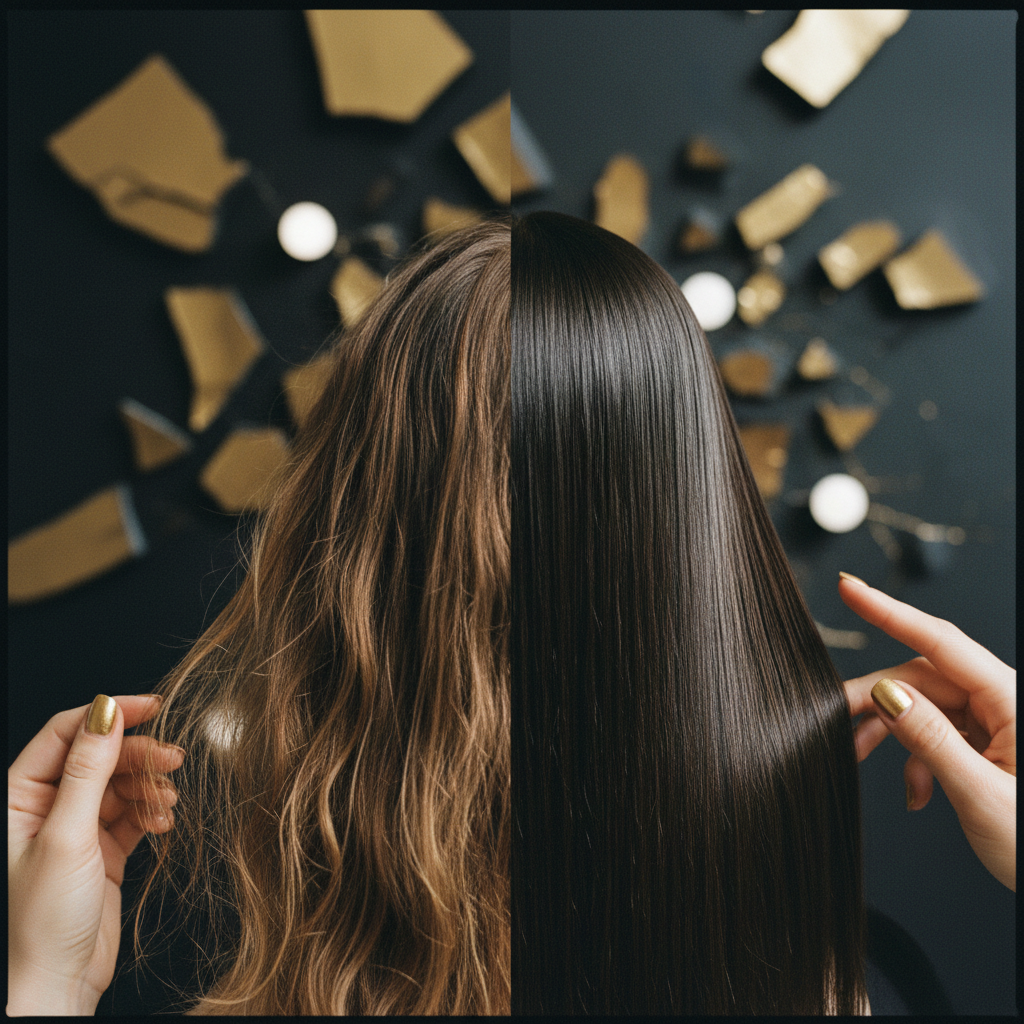
The mechanism: how deep conditioners work
Deep conditioners typically contain a blend of ingredients designed to penetrate the hair shaft or form a protective layer on its surface. Their key mechanisms include:
- Hydration: Humectants (e.g., glycerine, panthenol) draw moisture from the air and into the hair, while emollients (e.g., natural oils, shea butter) help to seal it in, preventing evaporation. This improves flexibility and reduces brittleness.
- Protein reinforcement: Hydrolysed proteins (e.g., wheat, soy, keratin protein) have a low molecular weight, allowing them to temporarily bind to damaged areas of the hair shaft, reinforcing its structure and increasing tensile strength. This can reduce breakage.
- Cuticle smoothing: Cationic surfactants and silicones, commonly found in deep conditioners, have a positive charge that allows them to adhere to the negatively charged surface of damaged hair. This helps to smooth down lifted cuticles, reducing friction, increasing shine, and making hair feel softer.
- pH balancing: Some deep conditioners are formulated with a slightly acidic pH (typically between 3.5 and 5.5). This helps to close the hair cuticle, locking in moisture and making the hair appear smoother and shinier.
These combined actions improve the cosmetic appearance and feel of damaged hair, making it more resilient to everyday styling and environmental stresses.
Signs your hair needs deep conditioning
Recognising the signs of damaged hair is key to knowing when to incorporate a deep conditioning treatment. Look out for:
- Dryness: Hair feels rough, straw-like, or lacks moisture, even after regular conditioning.
- Brittleness: Hair snaps easily, particularly when wet or being styled.
- Frizz: Persistent frizz, especially in humid conditions, indicates a lifted cuticle.
- Dullness: Hair lacks natural shine and vibrancy, appearing lacklustre.
- Tangles: Hair becomes easily tangled and difficult to comb through.
- Split ends: Visible splitting or fraying of the hair ends, indicating advanced cuticle damage.
- Lack of elasticity: When stretched, healthy hair will return to its original length. Damaged hair may stretch excessively or break instead.
If you observe one or more of these symptoms, your hair could benefit from regular deep conditioning.
What you can do to support damaged hair
Beyond deep conditioning, several practices can help improve the condition of damaged hair:
- Gentle cleansing: Use a mild, sulphate-free shampoo to avoid stripping natural oils.
- Reduced heat styling: Minimise the use of hot tools, or always use a heat protectant spray.
- Careful detangling: Detangle hair gently when wet, using a wide-tooth comb and starting from the ends.
- Protective styling: Opt for styles that reduce tension and exposure to environmental stressors.
- Balanced diet: A diet rich in vitamins, minerals, and proteins supports overall hair health.
- Regular trims: Remove split ends to prevent further damage from travelling up the hair shaft.
When the cause may be something else
While deep conditioning for damaged hair can significantly improve its appearance and feel, it
Find these ingredients in Watermans products
- Shea Butter: you will find this ingredient in our Curly Hair Conditioner.