Deep Conditioning for Curly Hair: An Essential Guide to Hydration and Strength
11 min read ·
Deep Conditioning for Curly Hair is a vital practice that infuses intense moisture and nutrients, combating dryness and enhancing curl health.
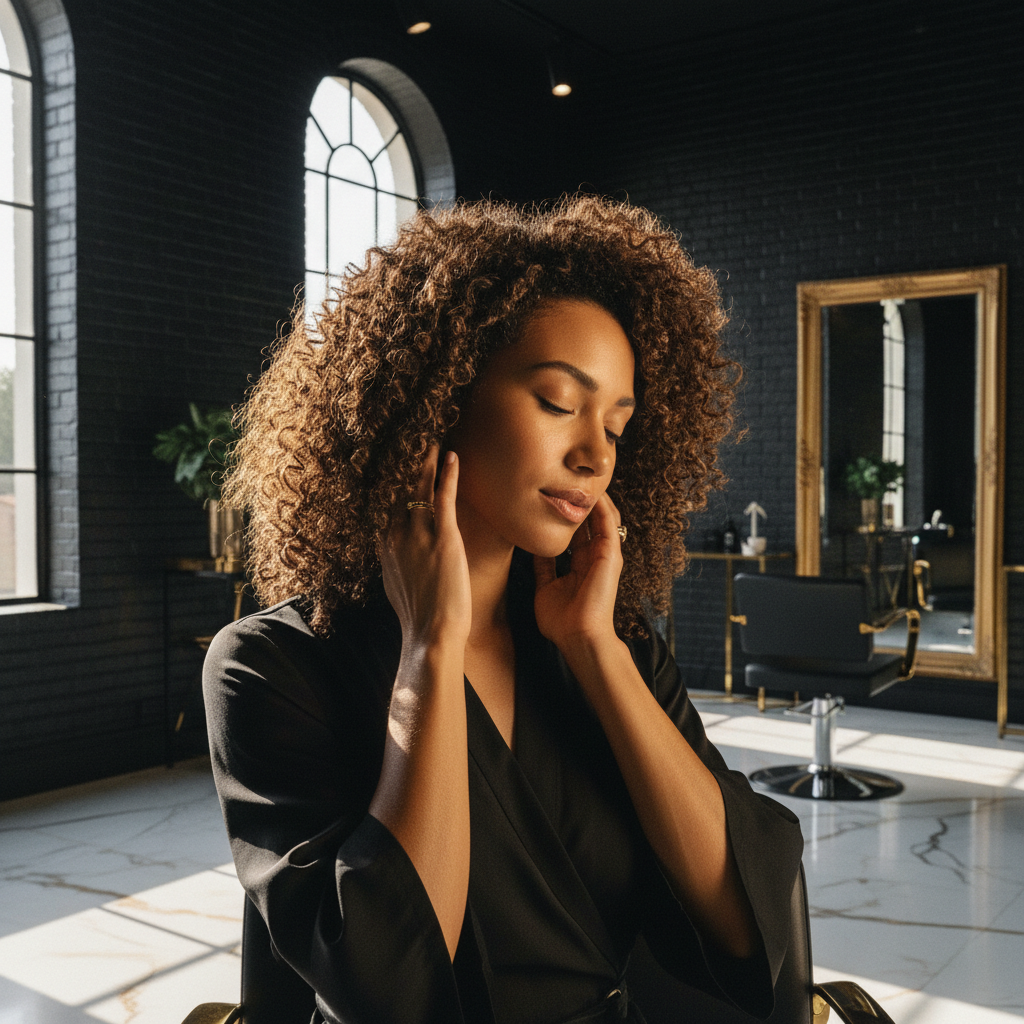
Quick answer: Deep Conditioning for Curly Hair involves applying an intensive treatment that penetrates beyond the surface, delivering concentrated hydration and fortifying ingredients to the hair shaft. This practice is crucial for curly hair due to its unique structure, which often struggles to retain moisture, leading to dryness and potential breakage. Regular deep conditioning improves elasticity, reduces frizz, and enhances the overall health and appearance of curls, but it does not treat underlying follicular issues or conditions like alopecia.
Key takeaways
- Curly hair's unique structure makes it prone to dryness, requiring targeted moisture from deep conditioning.
- Deep conditioning treatments deliver concentrated ingredients that penetrate the hair shaft, unlike regular conditioners.
- Regular use can significantly improve hair elasticity, reduce breakage, enhance definition, and minimise frizz.
- Heat application (e.g., a cap or warm towel) can boost the effectiveness of deep conditioners by helping ingredients penetrate deeper.
- The frequency and type of [deep conditioner](https://watermanshair.com/products/masque-me-luxurious-hair-mask) should be tailored to your hair's specific needs, considering factors like porosity and damage.
- Deep conditioning supports cosmetic hair health; it does not address medical hair loss conditions like alopecia.
Deep Conditioning for Curly Hair: what the evidence shows
Deep Conditioning for Curly Hair is a well-established practice in haircare, supported by an understanding of hair structure and cosmetic science. Curly hair often has an uneven cuticle layer, which can make it difficult for the scalp's natural oils (sebum) to travel down the hair shaft effectively. This structure also means moisture can escape more easily, leaving curls prone to dryness, frizz, and breakage. Deep conditioners are formulated with a higher concentration of beneficial ingredients compared to standard conditioners, designed to penetrate the hair shaft more effectively and provide intensive care.
Evidence suggests that ingredients commonly found in deep conditioners, such as humectants (e.g., glycerin, hyaluronic acid), emollients (e.g., natural oils, fatty alcohols), and hydrolysed proteins, can significantly improve the cosmetic attributes of hair. Humectants draw moisture from the environment into the hair, while emollients smooth the cuticle and create a protective barrier, reducing moisture loss. Hydrolysed proteins can temporarily fill in gaps in the hair's cuticle, increasing its strength and reducing the likelihood of breakage, though their impact is surface-level and temporary. Research published in journals like the Journal of Cosmetic Science frequently discusses the efficacy of these ingredients in improving hair hydration, elasticity, and overall manageability. These treatments are not designed to alter the biological processes of hair growth or treat medical conditions, but rather to enhance the health and appearance of the hair fibre itself.
The mechanism behind deep conditioning
Deep conditioners work through a combination of physical and chemical interactions with the hair fibre. The key is their ability to deliver active ingredients more effectively than regular conditioners. When applied, these rich formulations coat the hair surface and, over time, some ingredients penetrate the outer cuticle layer into the cortex. This process is often enhanced by gentle heat, which can temporarily lift the cuticle, allowing for deeper absorption.
- Moisturisation: Humectants attract water molecules, binding them to the hair. Emollients and occlusives (like some plant oils and butters) form a film on the hair surface, which smooths the cuticle and reduces transepidermal water loss, effectively sealing in moisture. This contributes to improved hair hydration and flexibility, as discussed in articles on Hair Hydration: The Science Behind Keeping Hair Moist.
- Strengthening: Proteins with low molecular weight (e.g., hydrolysed wheat protein) can penetrate the cuticle and temporarily reinforce the hair's internal structure. This helps to reduce breakage, especially in hair that has been chemically treated or is prone to mechanical damage. This is a cosmetic strengthening, making the hair fibre feel stronger and more resilient, rather than altering its biological composition.
- Smoothing and Protection: Cationic surfactants (positively charged molecules) in deep conditioners bind to the negatively charged sites on damaged hair, helping to smooth the cuticle. This reduces friction, tangles, and frizz, making the hair feel softer and appear shinier. This protective layer also offers some defence against environmental stressors and styling damage.
Signs your curly hair needs deep conditioning
Your curly hair will often communicate its need for deep conditioning through several clear signs. If you notice one or more of these, it's likely time for a treatment:
- Excessive dryness: Your hair feels rough, brittle, or coarse to the touch, and lacks its natural softness. This is a primary indicator, as curly hair is inherently prone to moisture loss.
- Increased frizz: While some frizz is natural for curls, excessive, uncontrollable frizz, especially after moisturising, can signal a lack of internal hydration. For more on this, see Dealing with Frizzy Hair and How to Reduce Frizz in Hair.
- Lacklustre appearance: Your curls appear dull and lack their usual shine and vibrancy, often due to a rough or raised cuticle.
- Poor elasticity: Healthy hair should stretch slightly when wet and then return to its original shape. If your hair snaps easily when gently stretched, it indicates a lack of elasticity and moisture. The fibre is snapping, not shedding from the follicle.
- Frequent tangles and knots: Dry, rough cuticles catch on one another, leading to more frequent tangling and difficulty detangling, which can also contribute to hair breakage.
- Loss of curl definition: Your curl pattern appears limp, stretched out, or undefined, struggling to hold its shape.
What you can do: steps for effective Deep Conditioning for Curly Hair
To maximise the benefits of Deep Conditioning for Curly Hair, follow these steps, tailored to ensure optimal absorption and impact:
- Cleanse thoroughly: Begin with freshly shampooed hair. Use a gentle, sulfate-free shampoo to remove product build-up and prepare your hair to absorb the deep conditioner. Refer to "Choosing the Right Shampoo: A Comprehensive Guide to Hair Cleansing" for more guidance.
- Remove excess water: Gently squeeze or blot excess water from your hair with a microfibre towel or old cotton t-shirt. Your hair should be damp, not dripping wet. Too much water can dilute the deep conditioner and reduce its effectiveness.
- Apply generously and evenly: Section your hair, then apply the deep conditioner from root to tip, focusing particularly on the mid-lengths and ends, which tend to be the driest. Ensure every strand is coated. You can use your fingers or a wide-tooth comb to distribute the product.
- Incorporate gentle heat (optional but recommended): Cover your hair with a plastic cap or cling film. Applying gentle, indirect heat helps to lift the hair's cuticle, allowing the active ingredients to penetrate deeper into the hair shaft. You can use a hooded dryer, a heated deep conditioning cap, or simply wrap a warm, damp towel around your head.
- Observe recommended processing time: Leave the deep conditioner on for the time specified by the product manufacturer, typically 15 to 30 minutes. While some suggest longer, there is limited evidence that exceeding 30 to 45 minutes provides additional cosmetic benefits.
- Rinse with care: Rinse your hair thoroughly with cool or lukewarm water until the water runs clear. Cooler water helps to close the hair cuticle, sealing in moisture and enhancing shine. Avoid hot water, which can strip moisture.
- Lock in moisture: After rinsing, apply a leave-in conditioner to further seal in hydration and provide ongoing protection. For afro or very curly hair, consider additional moisturising steps as described in "Moisturizing Afro Hair: An Evidence-Based Guide to Hydration and Care".
Choosing the right deep conditioner for your curly hair
Selecting the correct deep conditioner is vital for achieving desired results. Consider your hair's current needs and condition, particularly its porosity, which refers to how well your hair absorbs and retains moisture (see "Understanding Hair Porosity: How Your Hair Absorbs and Retains Moisture").
| Hair Concern | Recommended Deep Conditioner Type | Key Ingredients to Look For | Application Frequency |
|---|---|---|---|
| Dry, Brittle, Frizzy | Moisturising | Glycerin, Hyaluronic Acid, Aloe Vera, Shea Butter, Coconut Oil, Fatty Alcohols | Weekly to Bi-weekly |
| Weak, Limp, Mushy | Protein | Hydrolysed Wheat Protein, Keratin, Silk Amino Acids, Collagen | Bi-weekly to Monthly (monitor hair) |
| Healthy, Balanced Hair | Balancing/Maintenance | Mix of emollients, humectants, and light proteins | Every 2 to 3 weeks |
| Chemically Treated | Intensive Repair/Moisturising | Ceramides, Amino Acids, Panthenol, Rich Oils | Weekly (adjust as hair improves) |
Note: Overuse of protein can lead to stiff, brittle hair, while excessive moisturising can make hair feel too soft or "mushy." Always observe your hair's response and adjust your routine accordingly. For insights into conditioner ingredients, consult "The Science of Conditioners: How Hair Care Formulations Work".
When the cause may be something else and when to get professional advice
While Deep Conditioning for Curly Hair can significantly improve the cosmetic health of your hair, it's important to recognise its limitations. If you are experiencing persistent dryness, breakage, or scalp issues despite consistent deep conditioning, other factors might be at play.
- Hard water: High mineral content in hard water can accumulate on hair, preventing moisture absorption and leading to dryness and breakage. Consider a chelating shampoo or filter if you live in a hard water area, as discussed in "Hard Water and Hair Damage: Understanding the Impact on Your Hair".
- Underlying scalp conditions: Persistent dryness, flaking, or irritation could indicate a scalp condition like dandruff or seborrheic dermatitis. Deep conditioners primarily target the hair fibre and may not resolve these issues. For such concerns, refer to "Dandruff: Causes and Treatments Explained" or "Understanding Scalp Health: A Foundation for Thriving Hair".
- Nutritional deficiencies: Hair health is intrinsically linked to overall body health. Deficiencies in vitamins, minerals, or protein can manifest as weak, dry, or brittle hair. A balanced diet is crucial.
- Over-processing: Frequent chemical treatments (colouring, relaxing) or excessive heat styling can cause severe, deep-seated damage that even the best deep conditioner can only temporarily alleviate. See "Chemical Hair Treatments: What They Are and How They Affect Hair" and "Heat Styling Safety Best Practices".
- Hair shedding or loss: Deep conditioning treats the hair fibre, not the follicle. If you are experiencing unusual hair shedding (more than 50 to 100 hairs a day) or visible hair thinning, this is distinct from breakage and could indicate a medical condition such as telogen effluvium or alopecia. In these cases, cosmetic treatments like deep conditioning will not be effective, and professional medical advice from a dermatologist or trichologist is essential.
If you have concerns about significant hair shedding, thinning, or persistent scalp problems, consult a healthcare professional. They can diagnose the root cause and recommend appropriate medical treatments or lifestyle changes, which are beyond the scope of cosmetic hair care.
Frequently asked questions about Deep Conditioning for Curly Hair
How often should I deep condition my curly hair?
The ideal frequency for Deep Conditioning for Curly Hair typically ranges from once a week to every two weeks. If your hair is very dry, damaged, or regularly exposed to harsh elements or styling, you might benefit from weekly treatments. For healthier, less damaged hair, every two to three weeks may be sufficient. Pay attention to your hair's individual response and adjust as needed.
Can I leave deep conditioner in my curly hair overnight?
While it might seem beneficial, leaving deep conditioner in your curly hair overnight is generally not recommended and rarely provides additional benefits beyond the recommended processing time. The hair can only absorb a certain amount of product, and prolonged exposure can sometimes lead to product build-up, weighing down the hair, or even hygral fatigue (over-moisturisation) in some cases. Stick to the manufacturer's instructions.
What's the difference between a deep conditioner and a hair mask?
In common haircare terminology, "deep conditioner" and "hair mask" are often used interchangeably to describe intensive conditioning treatments. Both are designed to provide concentrated benefits like hydration, strengthening, or repair, surpassing what a regular conditioner offers. The key is the higher concentration of active ingredients and a longer application time, regardless of the name used on the product packaging.
Does deep conditioning cause product build-up?
Regular deep conditioning itself should not cause significant product build-up if you rinse your hair thoroughly afterwards. However, using deep conditioners too frequently, applying excessive amounts, or not rinsing properly can contribute to build-up. Ensuring a good clarifying wash periodically, as described in "How to Do a Clarifying Wash: A Guide to Deep Hair Cleansing", can help remove any accumulation and keep your scalp and hair feeling fresh.
Can deep conditioning treat hair loss?
No, deep conditioning cannot treat hair loss (alopecia) or conditions that cause hair shedding. Deep conditioners are cosmetic treatments designed to improve the health, appearance, and feel of the existing hair fibre, making it stronger and more moisturised to reduce breakage. Hair loss is a complex issue related to the hair follicle and scalp health, often requiring medical intervention. If you are experiencing hair loss, consult a dermatologist.
Conclusion
Deep Conditioning for Curly Hair is an indispensable practice for anyone looking to maintain vibrant, healthy, and manageable curls. By consistently providing intense hydration and fortifying ingredients, deep conditioning directly addresses the unique structural challenges of curly hair, combating dryness, reducing breakage, and enhancing natural curl definition. While it is a powerful tool for cosmetic hair health, it is important to remember that deep conditioning supports the hair fibre itself and does not offer solutions for underlying medical conditions or hair loss. Incorporating this treatment into your routine can transform the look and feel of your curly hair, leaving it softer, stronger, and more resilient.
Find these ingredients in Watermans products
- Aloe Vera: you will find this ingredient in our Curly Hair Conditioner.
- Wheat Amino Acids, a component of hydrolysed wheat protein, you will find this ingredient in our Heat Protection Spray, which helps to strengthen hair and protect against damage.
- Shea Butter, a rich emollient, you will find this ingredient in our Afro Hair Conditioner, offering intense moisturisation crucial for curly and afro hair types.
- Hydrolysed Lupin Protein, a key ingredient in our Grow Me Shampoo and Conditioner, is known for its cosmetic benefits in strengthening hair and improving hair vitality.
Sources and references
- American Academy of Dermatology Association. "Hair care: How to keep hair healthy." aad.org
- Cosmetic Ingredient Review. "Safety Assessment of Hydrolyzed Wheat Protein and Hydrolyzed Wheat Starch." 2012. cir-safety.org
- Gavazzoni Dias, Maria Fernanda Reese. "Hair Cosmetics: An Overview." International Journal of Trichology, vol. 7, no. 1, pp. 2-15, 2015. pubmed.ncbi.nlm.nih.gov/26229135/
- GOPACOM. "Moisturizing effect on hair of some cosmetic ingredients." Journal of Cosmetic Science, vol. 54, no. 4, pp. 381-394, 2003.
- Robbins, Clarence R. Chemical and Physical Behavior of Human Hair. 5th ed., Springer, 2012.
- The Trichological Society. "Hair Structure." trichological.org.uk
- United States Environmental Protection Agency (EPA). "Water Hardness." epa.gov/