Hair Care for Damaged Hair
4 min read ·
Understanding the causes and signs of damaged hair is the first step toward restoring its health and vitality through targeted care and protective practices.
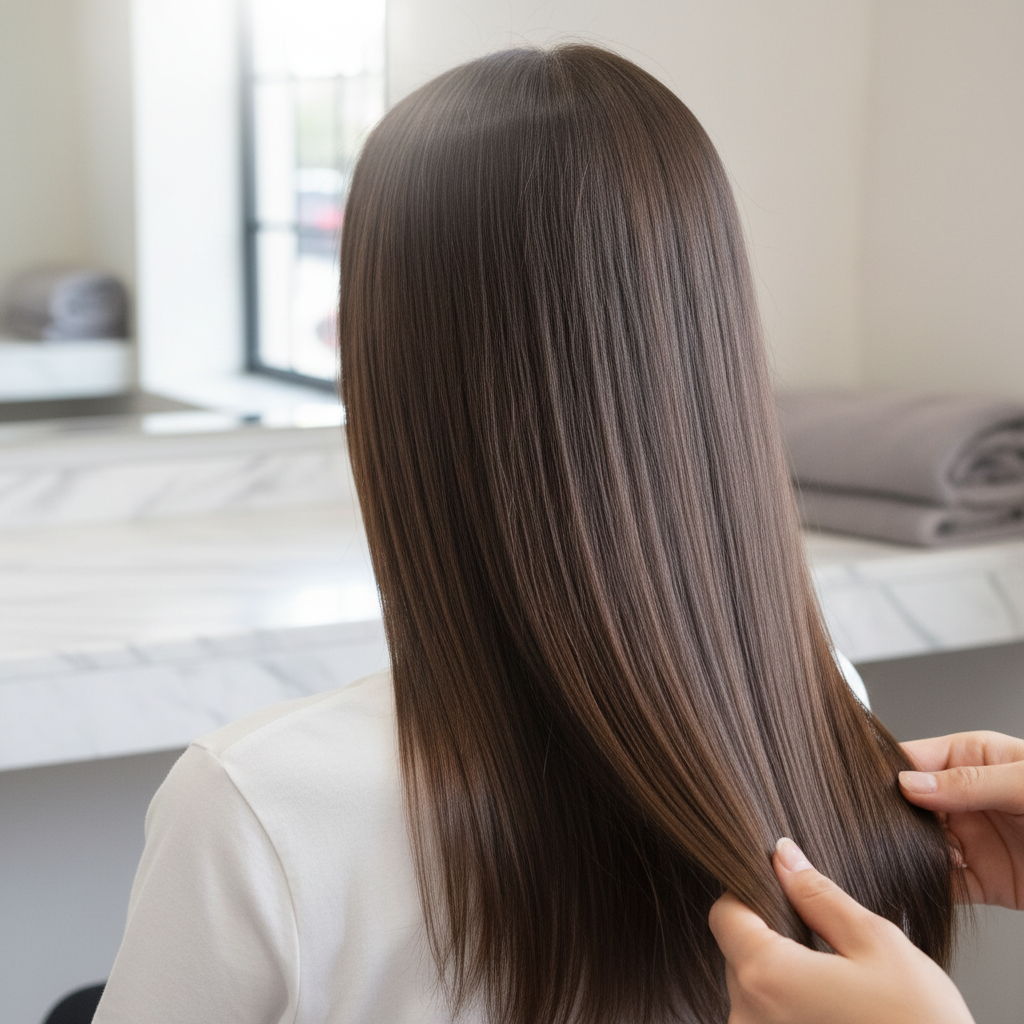
Understanding Damaged Hair
Damaged hair refers to strands that have been compromised in their structural integrity, leading to a dull appearance, rough texture, and increased fragility. The hair's outermost layer, the cuticle, is composed of overlapping cells that act like protective scales. When these scales are lifted, chipped, or broken, the inner cortex becomes exposed, making the hair vulnerable to moisture loss and further degradation.
Common Causes of Hair Damage
Damage can stem from various sources, often a combination of factors:
- Heat Styling: Excessive use of heat tools without adequate protection can denature proteins within the hair shaft, leading to brittleness and breakage. Temperatures above 180°C (356°F) can be particularly damaging.
- Chemical Treatments: Perms, relaxers, and hair dyes utilize chemicals to alter the hair's structure. These processes can weaken disulfide bonds and strip the hair of its natural lipids, resulting in dryness and damage.
- Mechanical Stress: Aggressive brushing, tight hairstyles, and rough towel-drying can cause friction and physical stress, leading to cuticle abrasion and breakage.
- Environmental Factors: Prolonged exposure to UV radiation from the sun, harsh winds, chlorine from swimming pools, and saltwater can degrade the hair's protective layers.
- Nutritional Deficiencies: A lack of essential vitamins, minerals, and proteins in the diet can impair healthy hair growth and lead to weaker, more susceptible strands.
Recognizing Damaged Hair
Identifying damaged hair is crucial for effective treatment. Look for these common signs:
- Frizz: Lifted cuticles make hair strands stand up and separate, creating a frizzy appearance.
- Split Ends: The ends of hair shafts split into two or more sections due to cuticle erosion and protein degradation.
- Breakage: Hair snaps easily, often observed as shorter strands or excessive shedding when brushing.
- Dullness: A compromised cuticle reflects less light, making hair appear lackluster and without shine.
- Dryness: Damaged hair struggles to retain moisture, feeling brittle and rough to the touch.
- Tangling: The raised and uneven cuticle causes strands to snag and knot more easily.
Restoring Hair Health
Once hair is damaged, the primary goal is to minimise further harm and support the growth of new, healthy hair while improving the appearance and manageability of existing strands.
Gentle Cleansing
Use a sulfate-free shampoo formulated for damaged hair. Sulfates can be too harsh, stripping away natural oils and further dehydrating already compromised hair. Focus on cleansing the scalp and allow the lather to rinse down the hair shaft without aggressive scrubbing.
Intensive Conditioning
Conditioners are vital for damaged hair. Look for ingredients that help to smooth the cuticle, provide moisture, and strengthen the hair shaft. Protein-rich conditioners can temporarily fill gaps in the cuticle, providing structural support.
- Daily Conditioner: After every wash, apply a conditioner from mid-lengths to ends, leaving it on for 2-3 minutes before rinsing.
- Deep Conditioning Treatments: Weekly deep conditioning masks are essential. These treatments provide concentrated nutrients and moisture, helping to repair and strengthen the hair. Leave them on for 10-20 minutes, or as directed.
Protective Styling and Heat Management
Reducing mechanical and heat stress is paramount.
- Air Dry When Possible: Minimize heat tool use. If heat styling is necessary, always apply a heat protection spray containing silicones or polymers that create a barrier against high temperatures.
- Low Heat Settings: Use the lowest effective heat setting on styling tools.
- Loose Hairstyles: Avoid tight ponytails, braids, or buns that pull on the hair shaft, especially when wet.
- Wide-Tooth Comb: Detangle wet hair gently with a wide-tooth comb, starting from the ends and working upwards.
Nutrition and Lifestyle
Healthy hair starts from within. A balanced diet rich in proteins, vitamins (especially A, C, D, and E), and minerals (iron, zinc, biotin) supports the hair growth cycle and overall hair health. Hydration is also important; drink plenty of water.
Ingredients to Look For and Avoid
When selecting products for damaged hair, focus on nourishing ingredients.
| Category | Beneficial Ingredients | Avoid (or use sparingly) |
|---|---|---|
| Moisturizing | Hyaluronic acid, glycerin, shea butter, argan oil, jojoba oil | Heavy alcohols (ethanol, isopropyl alcohol) |
| Strengthening | Hydrolyzed keratin, collagen, wheat protein, amino acids | Harsh sulfates (sodium lauryl sulfate, SLES) |
| Smoothing/Shine | Silicones (cyclomethicone, dimethicone), ceramide | Mineral oil (can build up, weigh hair down) |
| Scalp Health | Peppermint oil, tea tree oil, salicylic acid | Strong fragrances, certain preservatives |
Silicone, while often demonized, can be beneficial for damaged hair as it smooths the cuticle, reduces frizz, and provides a protective layer. However, excessive use without proper cleansing can lead to product buildup.
Professional Treatments
For severely damaged hair, professional treatments can offer intensive repair:
- Bond-Building Treatments: These treatments work to repair broken disulfide bonds within the hair shaft, which are often compromised by chemical services.
- Keratin Treatments: These can smooth the hair cuticle and reduce frizz, making hair more manageable, though they often involve chemicals themselves.
Long-Term Hair Care Practices
Consistency is key. Regular trims every 6-8 weeks help remove split ends and prevent further splitting up the hair shaft. Protecting hair from sun exposure with hats or UV-protective sprays is also advised. With patience and a dedicated regimen, even significantly damaged hair can show remarkable improvement in health and appearance over time, as new, stronger hair grows in and existing strands are nurtured back to resilience.
Find these ingredients in Watermans products
- Biotin, you will find this ingredient in our Hair Growth Shampoo.
- Zinc, you will find this ingredient in our Hair Vitamins.
- Shea Butter, you will find this ingredient in our Curly Hair Conditioner.