Cortex Layer Structure: The Architecture of Hair Strength and Elasticity
9 min read ·
Explore the cortex layer structure of human hair: discover how keratin intermediate filaments, melanin, and disulfide bonds govern fibre strength, shape, and elasticity.
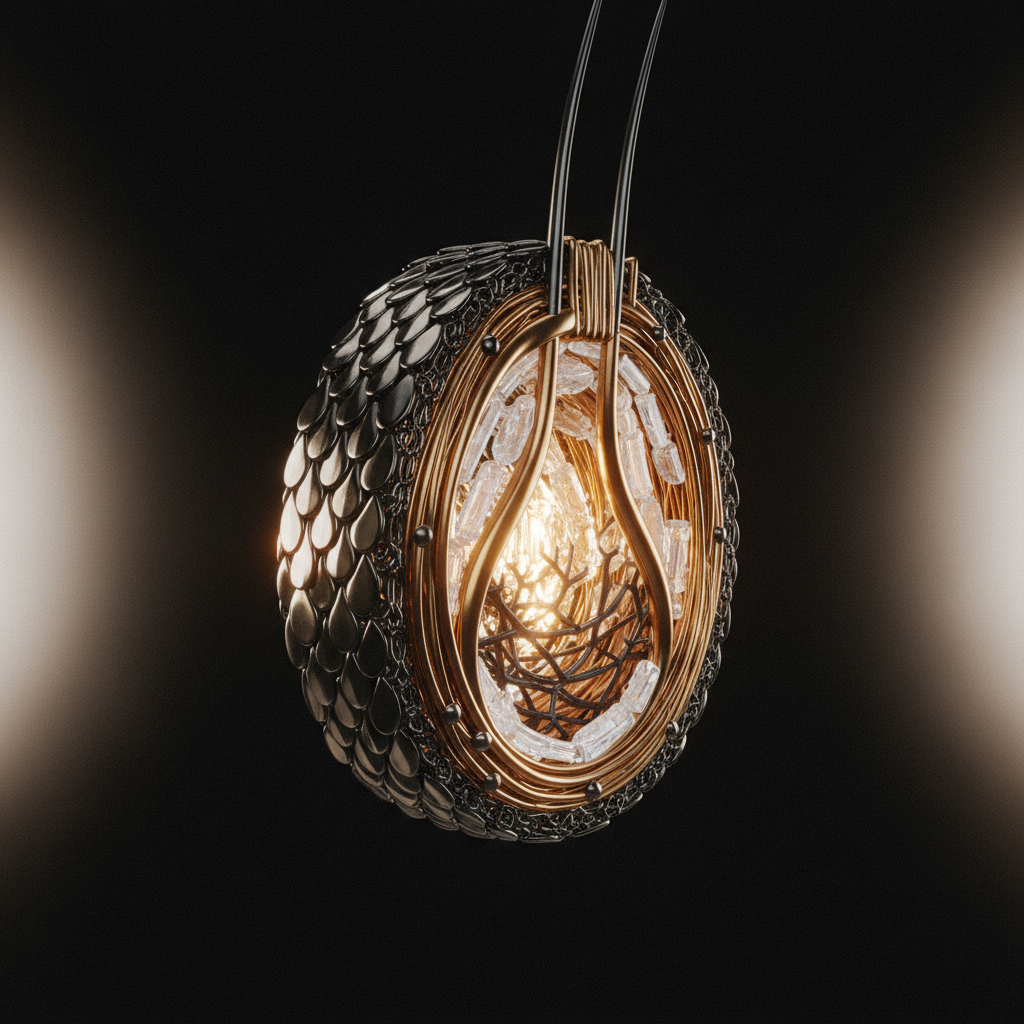
Quick answer: The Cortex Layer Structure makes up roughly 75 to 85 percent of the total hair fibre mass, providing almost all of its mechanical strength, elasticity, shape, and natural colour. Situated directly beneath the outer cuticle, it consists of spindle-shaped cortical cells packed with crystalline keratin intermediate filaments embedded in an amorphous, sulfur-rich protein matrix. While chemically robust, the cortex cannot biologically regenerate once damaged, meaning internal structural breaks caused by chemical processing or extreme heat remain permanent until trimmed away.
Key takeaways
- The cortex is the central structural engine of hair, accounting for up to 85 percent of total fibre weight.
- Its architecture relies on alpha-helical keratin proteins wound into protofilaments, microfibrils, and macrofibrils.
- Natural hair pigment (eumelanin and pheomelanin) resides almost exclusively within the cortical layer inside specialised granules called melanosomes.
- Disulfide bonds formed by cysteine residues provide the cortex with high tensile strength, while hydrogen and salt bonds give hair its temporary flexibility.
- Cortical proteins do not regenerate biologically. Treatments can reinforce or temporarily re-link internal bonds, but they cannot restore lost structural matrix permanently.
Cortex Layer Structure: what the evidence shows
The Cortex Layer Structure determines how hair behaves under physical stress, how it responds to moisture, and how well it holds a style. When researchers examine a cross-section of human hair under transmission electron microscopy, the cortex presents itself as a densely packed assembly of elongated, spindle-shaped cortical cells. Each cell measures roughly 80 to 100 micrometres in length and 2 to 5 micrometres in width, aligned parallel to the longitudinal axis of the hair shaft.
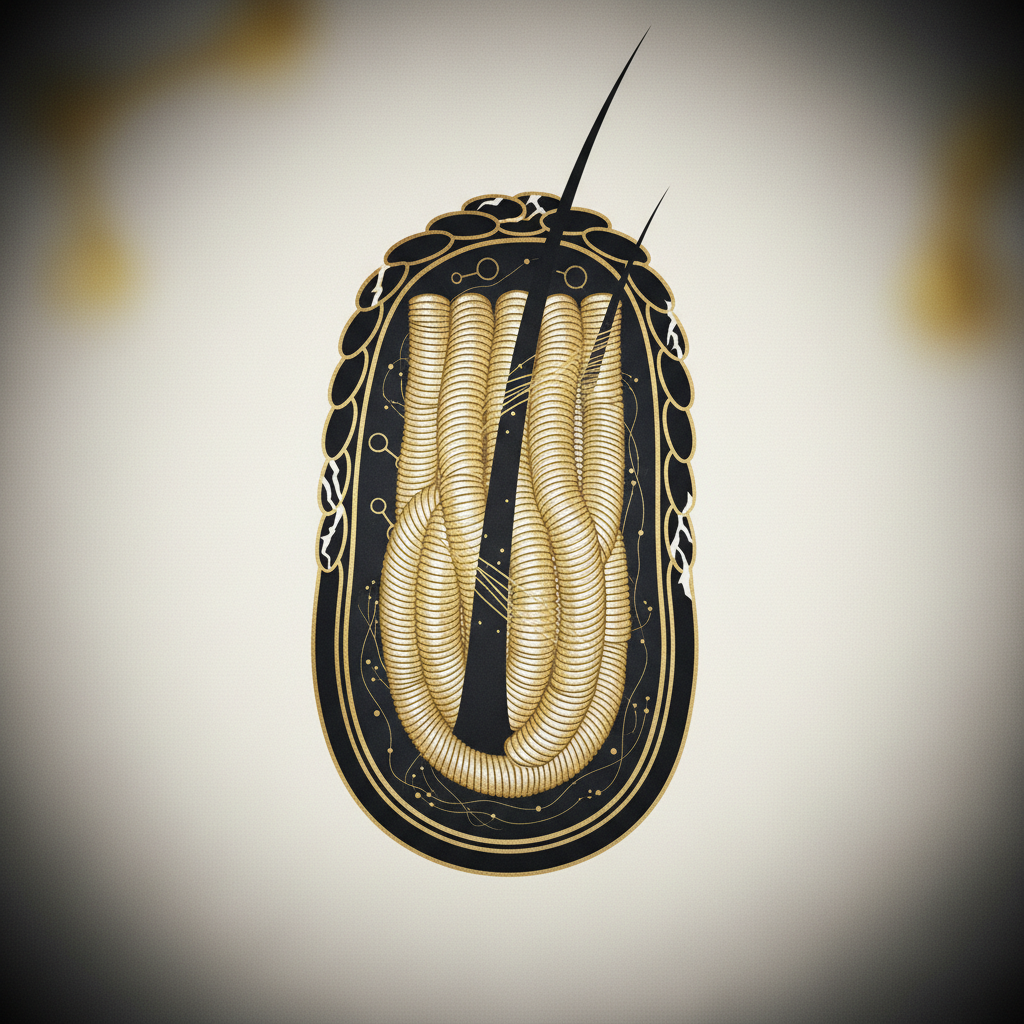
Within these cortical cells sits a hierarchical protein arrangement:
- Alpha-helical polypeptide chains: Individual keratin proteins fold into stable right-handed helices.
- Protofilaments and protofibrils: Pairs of coiled coils dimerise and assemble into higher-order tetrameric filaments.
- Keratin intermediate filaments (macrofibrils): Bundles of sub-filaments cluster together, creating crystalline cables that resist stretching and bending.
- The interfilamentous matrix: A non-crystalline, high-sulfur and high-glycine-tyrosine protein bed that surrounds the macrofibrils like cement between steel reinforcement rods.
This dual-phase system (crystalline filaments embedded within an amorphous matrix) explains why hair can stretch up to 30 percent of its original length when dry, and up to 50 percent when wet, before snapping. The intermediate filaments give the fibre longitudinal tensile strength, while the sulfur-rich matrix absorbs compressive forces and governs torsional rigidity.
Furthermore, the cortex determines your natural hair colour. Melanin granules, produced by melanocytes in the follicular bulb during the anagen growth phase, are deposited directly into the developing cortical cells. The relative ratio of brown-black eumelanin to yellow-red pheomelanin establishes the visible shade of the hair shaft.
Chemical bonds governing the internal matrix
The mechanical integrity of the cortex rests on three distinct chemical bond types. Understanding how these bonds function clarifies why different styling methods produce radically different structural outcomes.
+-------------------+-----------------------------+------------------------------------+
| Bond Type | Relative Abundance | Disrupted By |
+-------------------+-----------------------------+------------------------------------+
| Hydrogen Bonds | Highest (approx. 33% of | Water, moisture, standard heat |
| | temporary fibre strength) | styling (blow-drying, curling) |
+-------------------+-----------------------------+------------------------------------+
| Salt (Ionic) | Moderate | Shifts in pH (acids below 4.0 or |
| Bonds | | alkalines above 5.5) |
+-------------------+-----------------------------+------------------------------------+
| Disulfide | Lowest in total count, but | Chemical reducing agents (perms, |
| (Covalent) Bonds | provides primary permanent | relaxers), bleach, extreme heat |
| | tensile strength | exceeding 215°C to 230°C |
+-------------------+-----------------------------+------------------------------------+
Hydrogen bonds form between adjacent amino acid groups. They break easily in the presence of water, which explains why wet hair stretches more readily and loses its set style. As hair dries, these bonds reform in whatever position the fibre is held.
Salt bonds depend entirely on pH. The hair fibre possesses an isoelectric point around pH 3.67. When exposed to alkaline solutions (such as traditional soaps or colour developers with a pH of 9.0 to 11.0), the negative charges inside the cortex repel each other, swelling the fibre and weakening ionic stability.
Disulfide bonds represent the strongest cross-links within the cortex. Formed between pairs of cysteine amino acid residues, they create covalent bridges that give hair its permanent resilience. Alkaline bleaches and relaxers intentionally cleave these bonds to lift pigment or alter natural curl patterns, permanently altering the underlying architecture.
What the evidence does not show
There is a widespread commercial belief that topical cosmetic treatments can fully rebuild broken cortical architecture back to virgin state. Controlled biophysical research does not support this claim.
While small biomimetic peptides, organic acids, and bond-building chemistries (such as bis-aminopropyl diglycol dimaleate or maleic acid complexes) can penetrate the swollen cuticle to form synthetic cross-links, they do not recreate the original biological lattice of high-sulfur proteins. They act as supplemental reinforcement rather than biological regeneration.
Similarly, cosmetic products cannot transport new melanin granules into depleted cortical cells to reverse grey hair from the outside. Once melanocyte stem cells in the hair follicle exhaust their activity, the cortical cells grow without pigment granules, leaving optical air pockets that scatter light and appear white or silver.
Mechanisms of internal structural breakdown
Cortical degradation rarely occurs without preceding cuticle wear. The outer cuticle serves as an impermeable, hydrophobic shield held together by the 18-methyleicosanoic acid (18-MEA) lipid layer. Once repeated grooming, ultraviolet radiation, or high-pH chemicals strip this lipid barrier, gaps open between cuticle scales.
With the protective shell compromised, environmental insults penetrate directly into the cortex:
- Thermal denaturation: Exposing dry hair to flat irons above 200°C causes alpha-keratin to denature into disordered beta-sheet conformations. Above 230°C, the protein matrix pyrolyses, creating irreversible micro-cavities (bubble hair).
- Cysteic acid formation: Oxidative bleaching breaks covalent disulfide bonds, converting reactive sulfur into cysteic acid. Elevated cysteic acid levels cause porous cortical tissue that holds excessive water, swells abnormally, and snaps under minimal load.
- Photodegradation: Ultraviolet radiation generates free radicals within the cortex, cleaving tryptophan and cystine residues. This light-induced breakdown weakens fine hair types faster than coarse strands.
Signs of cortical degradation
Stylists and consumers can identify when damage has penetrated past the cuticle into the cortex:
- Loss of mechanical elasticity: Healthy hair stretches and bounces back when pulled gently. Degraded cortical tissue stretches gummy-like when wet and fails to recoil, snapping without resistance.
- Extreme porosity: Hair absorbs water almost instantaneously upon wetting, takes hours to dry, and soaks up cosmetic colour unevenly (yielding muddy or overly dark ends).
- Split ends and longitudinal fissures: When the matrix within the cortex degrades, macrofibrils separate from one another like unravelling rope strands, visible as trichoptilosis (split ends).
- Loss of natural curl definition: Naturally curly, coily, or wavy hair suddenly presents limp, flat, or stringy sections that refuse to hold a curl pattern due to fragmented internal disulfide networks.
Managing internal fibre integrity
Because the cortex cannot produce new cells once extruded from the scalp follicle, structural preservation is entirely preventative and restorative in nature.
- Manage mechanical friction: Always detangle hair gently from ends toward the roots using wide-tooth implements or flexible bristle brushes. Detangling wet hair while coated with a slip-inducing conditioner significantly reduces shear strain on weakened cortical fibres.
- Buffer chemical services: If applying bleach or permanent dye, employ lower-volume developers over longer processing intervals rather than aggressive, high-lift concentrations. Ensure post-chemical rinses use acidic formulations (pH 3.5 to 4.5) to restore ionic salt bonds and close the cuticle shield.
- Control heat transfer: Never use thermal tools on damp hair, which causes water within the cortex to vaporise rapidly into steam, forming permanent structural bubbles. Keep thermal styling tools below 185°C whenever possible.
- Incorporate targeted protein support: Hydrolysed vegetable, wheat, or keratin proteins featuring low molecular weights (under 1,500 Daltons) can migrate into cortical micro-fissures, adding temporary structural bulk and dampening mechanical fatigue.
When fibre failure originates at the follicle
It is vital to distinguish between fibre snapping caused by cortical damage and shedding originating at the scalp.
Hair breakage is purely a shaft phenomenon: the fibre snaps mid-length, leaving blunt, jagged ends without an intact white follicular bulb attached. This stems from physical, chemical, or thermal trauma to the cuticle and cortex.
Conversely, hair shedding (telogen effluvium) or progressive hair thinning (androgenetic alopecia) occur beneath the scalp surface within the follicle itself. If you find hairs coming out with a distinct white bulb at one end, or notice wide parting lines and diffuse scalp visibility, the primary issue is biological shedding or miniaturisation, not cortical damage. These conditions require scalp-focused interventions rather than shaft-strengthening bond treatments.
Supporting hair health from the follicle outward
Maintaining resilient cortical integrity begins long before the fibre encounters flat irons or bleaching powders. The quality of keratin synthesis inside the follicle bulb relies on adequate microcirculation, optimal scalp hygiene, and cellular nutrition during the anagen growth phase.
Watermans approaches hair maintenance through this foundational biology. Products like Watermans GrowMe Shampoo and ConditionMe Conditioner deliver nutrient-dense, caffeine- and rosemary-enriched support directly to the scalp environment, while conditioning polymers protect the exterior fibre. Fostering an optimal scalp baseline ensures emerging hair fibres exit the follicle with a dense, robust internal protein matrix ready to withstand daily physical demands.
Frequently asked questions about Cortex Layer Structure
Where is the cortex located within the hair fibre?
The cortex sits between the outer protective cuticle and the innermost central core, known as the medulla. In fine hair types, the medulla is often completely absent, meaning the cortex constitutes almost the entire internal cross-section of the hair strand.
How does the Cortex Layer Structure influence natural hair shape?
Hair shape (straight, wavy, curly, or coily) is determined by the asymmetrical arrangement of cortical cells during follicle synthesis. In curly and afro-textured hair, the distribution of orthocortical and paracortical cells is uneven across the fibre diameter, causing the shaft to twist and bend along its length.
Can hair mask treatments permanently repair the Cortex Layer Structure?
No cosmetic hair mask can permanently repair cortical architecture. Hair masks deposit conditioning agents, fatty alcohols, and proteins that temporarily coat the cuticle or patch minor internal voids. However, these ingredients gradually rinse out over subsequent washes, requiring regular maintenance to sustain cosmetic benefits.
Why does bleaching cause damage to the hair cortex?
Bleaching requires alkaline agents (typically ammonium hydroxide) to force the protective cuticle open so oxidising persulfates can penetrate the cortex. Once inside, the oxidiser destroys natural melanin pigment to lighten the colour, but it simultaneously oxidises structural cystine residues into cysteic acid, degrading the cross-linked matrix.
Does split hair repair itself over time?
Hair is non-living biological tissue once it exits the scalp surface. Cortical cells contain no active cellular machinery, vascular supply, or genetic material capable of dividing or repairing themselves. Split ends represent permanent structural separation of cortical fibrils and must be trimmed away to stop the split from travelling upward.
Understanding and protecting your cortical architecture
The Cortex Layer Structure functions as the internal skeleton of human hair, dictates every mechanical property from natural wave patterns to tensile endurance, and houses the natural pigments that define your shade. Because this intricate matrix of crystalline keratin intermediate filaments and sulfur-dense proteins lacks the biological capacity to self-heal, preserving its integrity requires daily protective habits, thoughtful chemical processing, and respect for thermal thresholds. Balancing gentle mechanical styling with supportive scalp care ensures that hair strands remain strong, pliable, and resilient throughout their lifecycle.
Sources and references
- Robbins, C. R. (2012). Chemical and Physical Behavior of Human Hair (5th ed.). Springer-Verlag.
- Wolfram, L. J. (2003). Human hair: a unique physicochemical composite. Journal of the American Academy of Dermatology, 48(6), S106-S114.
- Feughelman, M. (1997). Mechanical Properties and Structure of Alpha-keratin Fibres: Wool, Human Hair and Related Fibres. UNSW Press.
- Cruz, C. F., et al. (2016). Human hair characteristics and methods to evaluate hair physical and mechanical properties. Cosmetics, 3(4), 37.
- Society of Cosmetic Chemists (SCC). The Biology and Chemistry of the Hair Fiber Monograph Series.