Contact Dermatitis of the Scalp: Causes, Science, and Solutions
10 min read ·
Contact Dermatitis causes acute scalp inflammation, burning, and scaling. Learn the key differences between irritant and allergic reactions and how to manage them.
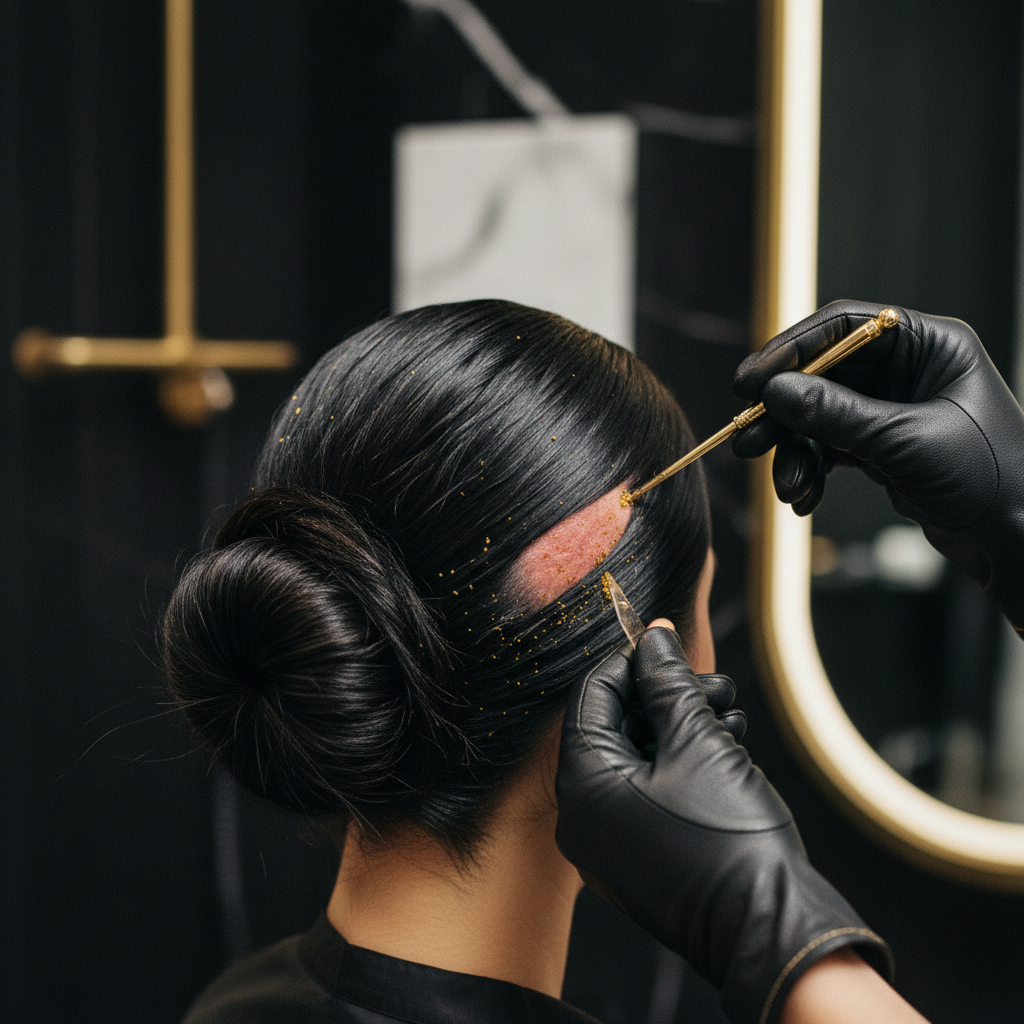
Quick answer: Contact Dermatitis is an inflammatory skin reaction triggered when an external substance touches the scalp or hairline. It occurs as either an immediate non-allergic irritation (irritant contact dermatitis) or a delayed immune-mediated response (allergic contact dermatitis). Common salon and haircare triggers include paraphenylenediamine (PPD) in hair dyes, fragrances, preservatives, and harsh surfactants. While identifying and eliminating the offending chemical usually resolves symptoms within a few weeks, severe or recurring flare-ups require medical patch testing and topical prescription treatment from a doctor.
Key takeaways
- Contact Dermatitis accounts for the majority of occupational skin conditions in hairdressers and common acute scalp reactions in salon clients.
- Irritant contact dermatitis happens when a chemical physically damages the skin barrier, often appearing rapidly after exposure.
- Allergic contact dermatitis is a delayed Type IV hypersensitivity reaction that typically flares 24 to 72 hours after contact.
- Hair dyes containing paraphenylenediamine (PPD), synthetic fragrances, bleaching agents, and isothiazolinone preservatives are the most frequent haircare culprits.
- Contact dermatitis does not cause permanent follicular hair loss, but severe inflammation and secondary scratching can cause temporary hair shedding or mechanical fibre breakage.
- Management relies entirely on identifying the trigger, stopping exposure, restoring the skin barrier, and seeking professional dermatological advice when symptoms persist.
Contact Dermatitis: what the evidence shows
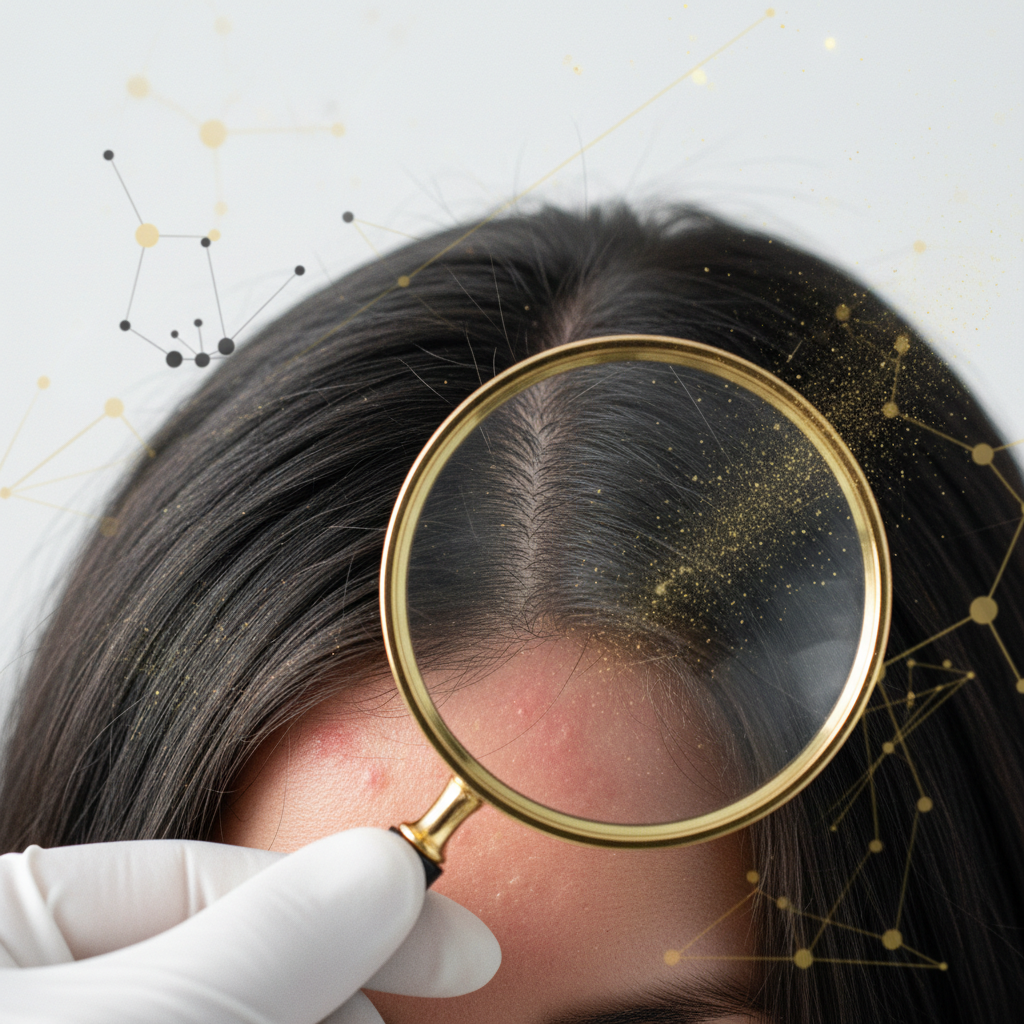
Contact Dermatitis is an inflammatory reaction of the epidermis and dermis resulting from direct cutaneous exposure to an external agent. In the context of haircare and scalp health, dermatological data published by the British Association of Dermatologists and NHS clinical guidelines classify this condition into two distinct pathophysiological categories:
-
Irritant Contact Dermatitis (ICD): This represents roughly 80 percent of all contact dermatitis cases. It is a non-immunological reaction caused by direct chemical, toxic, or physical damage to the stratum corneum (the outermost layer of the skin). Strong alkaline hair relaxers, hydrogen peroxide bleaching agents, undiluted essential oils, and concentrated surfactants can strip natural lipids, degrade keratinocytes, and rupture cell membranes. The severity of ICD depends on the concentration of the chemical, exposure duration, and the pre-existing health of the scalp barrier.
-
Allergic Contact Dermatitis (ACD): This accounts for approximately 20 percent of cases and represents an adaptive, cell-mediated (Type IV) delayed hypersensitivity reaction. During the initial sensitisation phase, a low-molecular-weight chemical (a hapten) penetrates the skin and binds to endogenous proteins. Antigen-presenting Langerhans cells capture these complexes and migrate to local lymph nodes, priming antigen-specific T-cells. Upon subsequent re-exposure, these memory T-cells rapidly migrate to the scalp, releasing pro-inflammatory cytokines that generate marked swelling, erythema, and weeping vesicles.
In clinical trichology and salon environments, hairdressers and consumers face daily exposure to known sensitisers and irritants. Peer-reviewed surveillance registers, such as the European Surveillance System on Contact Allergies (ESSCA), consistently identify permanent oxidative hair colourants (specifically paraphenylenediamine or PPD, and toluene-2,5-diamine), fragrance mixes, cocamidopropyl betaine, and preservatives like methylisothiazolinone as the leading causes of acute scalp dermatitis.
What the evidence does not show
There is no credible scientific evidence showing that Contact Dermatitis directly destroys hair follicles or triggers permanent cicatricial (scarring) alopecia under typical conditions. Follicles sit beneath the epidermis in the dermis, where they remain protected from standard surface irritants.
Furthermore, evidence does not show that switching to products labelled "organic", "botanical", or "natural" provides immunity against allergic contact reactions. Natural plant extracts, such as tea tree oil, limonene, linalool, and botanical essential oils, contain well-documented contact allergens capable of inducing severe cell-mediated responses.
Finally, contact dermatitis is not an internal, systemic toxicity issue caused by "poisons" accumulating in the liver, nor is it contagious. It is strictly a local immune or toxic response confined to the areas exposed to the trigger, although severe facial and periorbital oedema can occur when hair colour rinses down the face.
The biological mechanism: barrier disruption vs immune response
To understand how the scalp reacts, it helps to distinguish the exact biological events behind irritant and allergic presentations.
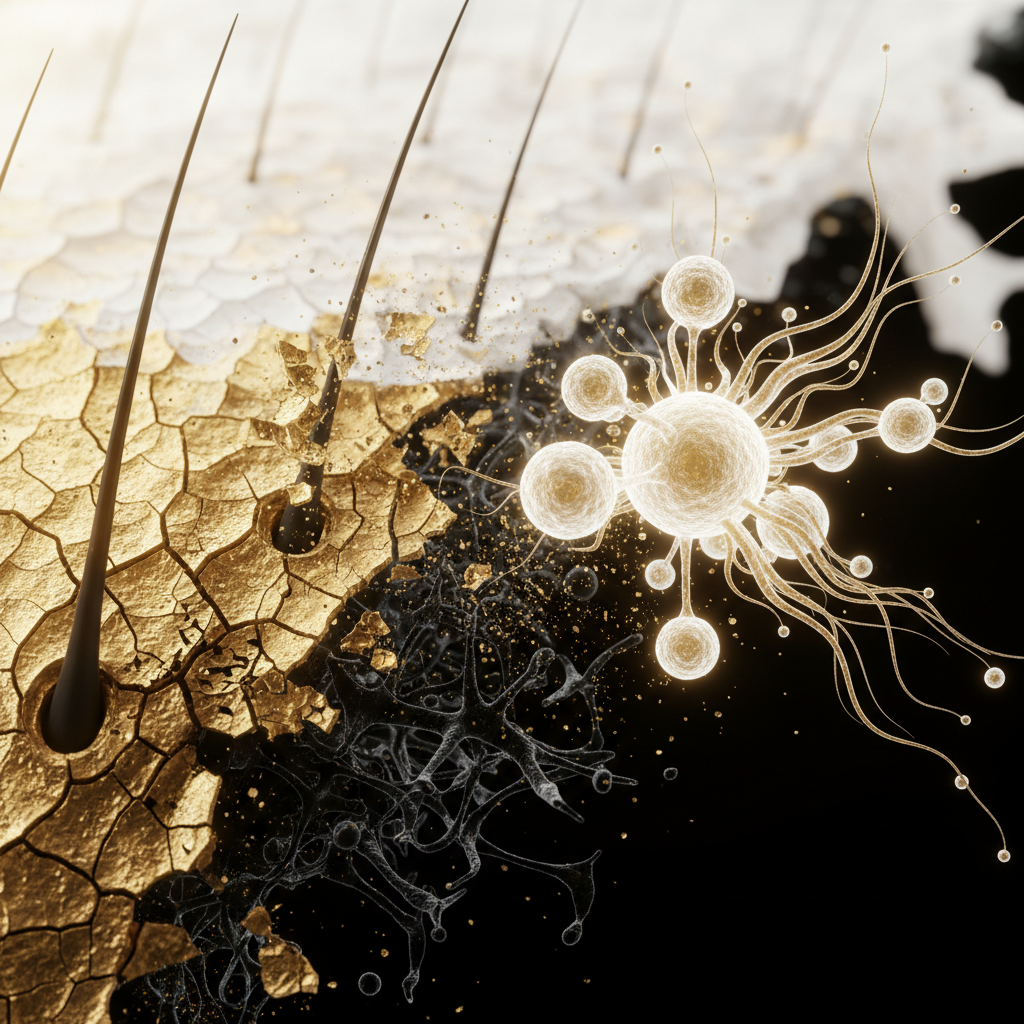
In irritant contact dermatitis, the primary problem is mechanical and chemical barrier breakdown. Healthy scalp skin maintains a slightly acidic pH (typically 4.5 to 5.5) supported by a complex bilayer of ceramides, cholesterol, and free fatty acids. When exposed to harsh alkaline treatments (such as relaxers with a pH above 11 or high-lift lighteners), this lipid matrix is stripped. Water escapes through elevated transepidermal water loss (TEWL), and the chemical penetrates deep into living epidermal layers, triggering an immediate non-specific release of inflammatory mediators like interleukin-1 alpha (IL-1α) and tumour necrosis factor-alpha (TNF-α).
In allergic contact dermatitis, the trigger acts as an immunogen rather than a direct corrosive agent. Even a minuscule amount of the substance, well below the threshold of physical irritation, can provoke a cascade. Once primed memory T-cells encounter the allergen, they orchestrate an inflammatory response that peaks between 48 and 72 hours later. This delay often makes allergic contact dermatitis difficult for consumers to pin down, as they may suspect a styling product used this morning rather than the hair dye applied two days earlier.
| Feature | Irritant Contact Dermatitis (ICD) | Allergic Contact Dermatitis (ACD) |
|---|---|---|
| Primary Mechanism | Direct physical or chemical cell damage | Type IV delayed immune hypersensitivity |
| Onset of Symptoms | Rapid (minutes to a few hours) | Delayed (24 to 72 hours post-exposure) |
| Dose Dependency | High (worse with higher strength/time) | Low (tiny amounts trigger a full response) |
| Common Haircare Culprits | Bleach, relaxers, strong surfactants, alcohol | PPD, fragrance mix, methylisothiazolinone |
| Typical Sensations | Burning, stinging, acute pain, tightness | Intense itching (pruritus), burning |
| Skin Appearance | Dryness, fissures, clear erythema, scaling | Weeping vesicles, papules, facial swelling |
| Diagnostic Confirmation | Clinical exclusion of allergy | Epicutaneous patch testing (dermatology) |
Signs to look for on the scalp and hairline
Recognising Contact Dermatitis early prevents progressive scalp excoriation and secondary infection. Because dense scalp hair can mask early redness, examination of the margins (the hairline, ears, nape of the neck, and eyelids) often reveals the clearest signs:
- Intense pruritus (itching) or acute burning: Severe itching strongly points toward allergic contact dermatitis, whereas a sharp stinging or burning sensation usually suggests chemical irritation.
- Erythema and papules: Bright pink or red patches appearing along the front hairline, behind the ears, and throughout the crown.
- Vesiculation and weeping: In acute allergic flares, tiny fluid-filled blisters form on the scalp, which rupture and weep serum, creating sticky, crusted patches.
- Periorbital swelling: Severe hair dye allergies regularly cause swelling of the forehead and upper eyelids, occasionally swelling the eyes shut.
- Dryness and flaking: Subacute or chronic forms present as thick, recalcitrant scaling that mimics stubborn dandruff or seborrhoeic dermatitis.
- Hair breakage and secondary shedding: While the follicle itself is intact, repeated scratching breaks brittle strands near the scalp. In severe systemic flares, the physiological stress can trigger acute telogen effluvium (diffuse shedding) several months later.
When the cause may be something else
Several common scalp dermatoses share visual characteristics with Contact Dermatitis. Distinguishing between them ensures appropriate treatment:
- Seborrhoeic Dermatitis: Driven by an inflammatory reaction to Malassezia yeast overgrowth in sebum-rich areas. It presents with greasy, yellowish flakes on an erythematous base, often involving the eyebrows, nasolabial folds, and chest. It does not correlate with new product application.
- Scalp Psoriasis: A chronic autoimmune condition characterised by sharply demarcated plaques covered with thick, silvery-white micaceous scales. Psoriatic plaques frequently extend slightly beyond the anterior hairline onto the forehead.
- Atopic Eczema: A widespread constitutional skin barrier defect typically presenting with flexural eczema (creases of elbows and knees), asthma, or hay fever in the personal or family history.
- Folliculitis: A bacterial or fungal infection centred directly on the hair follicles, producing discrete pustules pierced by a hair fibre, rather than widespread confluent erythema.
What you can do: identification and practical care
If you or a client experience an acute flare, take immediate, measured steps to halt the reaction and soothe the scalp barrier:
- Rinse thoroughly: If a product is currently on the scalp and causes immediate burning, wash it off instantly with copious amounts of cool or lukewarm water. Avoid hot water, which increases peripheral vasodilation and exacerbates itching.
- Stop using suspect formulations: Discontinue all recent additions to your haircare routine. Strip your regimen back to a gentle, fragrance-free, neutral shampoo.
- Avoid scratching: Excoriation breaks the skin barrier, inviting opportunistic bacteria such as Staphylococcus aureus, which leads to secondary bacterial infections requiring oral antibiotics.
- Apply cold compresses: Clean, cool, damp cloths placed along the hairline and nape can calm acute histamine-driven pruritus and constrict superficial blood vessels.
- Support barrier recovery: Use mild, emollient-based products designed to replenish surface lipids without introducing essential oils or perfumes.
Maintaining a balanced scalp environment
For general maintenance once acute inflammation has resolved, supporting the scalp's moisture barrier is essential. A calm, well-hydrated scalp provides the optimal environment for healthy hair retention and growth.
Watermans focuses on non-invasive cosmetic care that supports scalp comfort. While cosmetic shampoos cannot treat medical dermatological conditions or replace medical therapies, gentle formulations free from harsh, stripping elements help maintain the skin's surface equilibrium. For those seeking to preserve cosmetic hair density and reduce mechanical breakage after a period of irritation, products formulated with mild conditioning agents, biotin, and restorative proteins help keep the hair fibre resilient without overloading the delicate cutaneous environment.
When to seek professional medical advice
Contact Dermatitis can occasionally escalate into a medical emergency. Seek immediate urgent medical care if you experience:
- Facial swelling that spreads to the eyes, lips, tongue, or neck.
- Difficulty breathing, wheezing, or dizziness (signs of anaphylaxis, which, while rare with topical hair cosmetics, can occur).
- Widespread blistering, weeping, or crusting covering extensive areas of the scalp.
- Signs of secondary bacterial infection, such as yellow crusting, pus oozing from sores, intense heat, or a fever.
For persistent, unexplained rashes, consult a dermatologist. They can perform standard epicutaneous patch testing using standardised baseline series (such as the British Society for Cutaneous Allergy series) to pinpoint the exact chemical compound triggering your symptoms.
Frequently asked questions about Contact Dermatitis
Can hair dye trigger allergic Contact Dermatitis years after safe use?
Yes. Sensitisation to allergens like paraphenylenediamine (PPD) can develop at any point in life. Each exposure allows the immune system another opportunity to recognise the molecule as a foreign antigen. Once your immune system produces memory T-cells specific to that compound, every subsequent application will trigger an allergic response, often progressively worse than the last.
How is Contact Dermatitis diagnosed by a doctor?
A dermatologist diagnoses Contact Dermatitis through clinical history, physical examination, and epicutaneous patch testing. Small chambers containing standardised dilutions of common allergens are taped to your upper back for 48 hours. The skin is examined at 48, 72, and sometimes 96 hours to identify delayed immune reactions and determine whether your condition is allergic or irritant in nature.
Does Contact Dermatitis cause permanent hair loss?
No, Contact Dermatitis does not cause permanent hair loss. The inflammation is confined to the upper epidermal layers and superficial dermis, leaving the deeper follicular stem cells unharmed. However, vigorous scratching can snap hair fibres near the root (breakage), and profound physical stress from severe swelling can trigger temporary shedding (telogen effluvium) weeks later.
What ingredients most frequently cause contact reactions in haircare?
The most common culprits include permanent hair dye intermediates (paraphenylenediamine and toluene-2,5-diamine), synthetic and natural fragrances (limonene, linalool, oakmoss), preservatives (methylisothiazolinone, methylchloroisothiazolinone, DMDM hydantoin), and processing chemicals like ammonium persulphate found in hair lighteners and bleaching powders.
How long does an episode of Contact Dermatitis usually take to clear?
Once you completely eliminate contact with the offending substance, mild to moderate irritant contact dermatitis often resolves within 7 to 14 days. Allergic contact dermatitis may take between 2 to 4 weeks to fully clear, as the primed immune cells gradually deactivate and the damaged epidermal barrier completes its natural 28-day turnover cycle.
Summary
Managing Contact Dermatitis requires clear distinction between physical surface irritation and true immune allergy. By understanding how salon chemicals, preservatives, and dyes interact with the skin barrier, stylists and consumers can make informed choices to safeguard scalp health. Removing triggers promptly, avoiding aggressive scratching, and obtaining an accurate patch-test diagnosis when symptoms persist will protect your skin and ensure your hair continues to thrive in a calm, balanced environment.
Sources and references
- British Association of Dermatologists. (2020). Hair Dye Reactions and Allergic Contact Dermatitis Guidelines.
- National Health Service (NHS). (2022). Contact Dermatitis: Causes, Symptoms, and Management.
- European Society of Contact Dermatitis (ESCD). (2019). Guidelines for Diagnostic Patch Testing in Dermatitis.
- National Institute for Health and Care Excellence (NICE). (2021). Dermatitis - contact: Scenario: Management. Clinical Knowledge Summaries.
- Thyssen, J. P., & Menne, T. (2010). Metal allergy - a review on exposures, penetration, genetics, prevalence, and clinical implications. Chemical Research in Toxicology, 23(2), 309-318.