Colour-Treated Hair: Understanding Its Care and Challenges
9 min read ·
Colour-treated hair requires specific care to maintain its vibrancy and health, addressing changes caused by chemical processes.
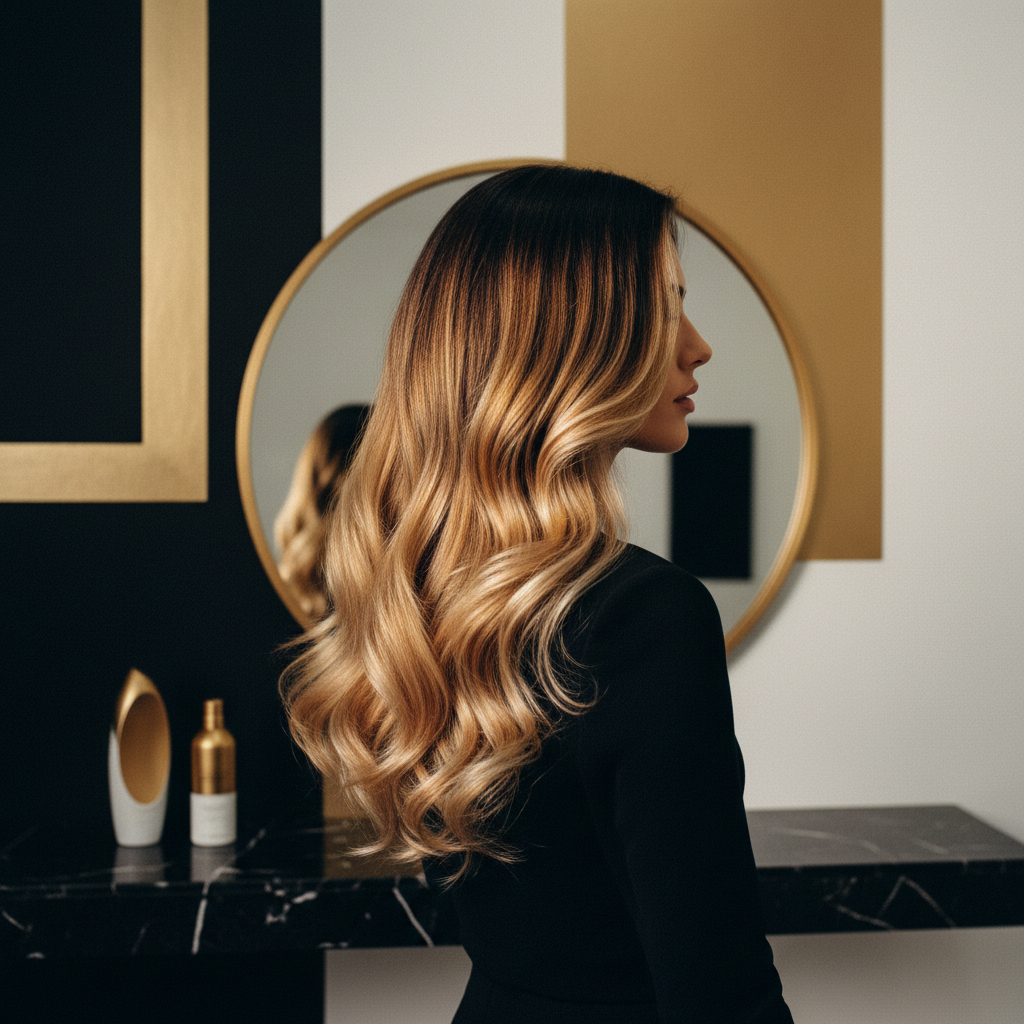
Quick answer: Colour-treated hair refers to hair that has undergone chemical processes to change its natural pigment, such as permanent, demi-permanent, or semi-permanent dyes, highlights, or bleaching. These processes can alter the hair's structure, potentially leading to increased porosity and dryness, and requiring specialised care to maintain colour vibrancy and hair health. Understanding these changes is key to effective management.
Key takeaways
- Chemical colour treatments, especially bleaching, can significantly alter the hair's cuticle and cortex, leading to increased porosity and potential damage.
- Specialised shampoos, conditioners, and treatments designed for colour-treated hair help protect colour molecules, moisturise, and fortify the hair fibre.
- Minimising heat styling, protecting hair from UV exposure, and using lukewarm water for washing can extend colour vibrancy and reduce damage.
- Professional advice is valuable for assessing hair condition before colouring and for recommending appropriate aftercare routines.
- While colour treatments can affect hair condition, they do not directly cause follicular hair loss or shedding; these are distinct issues.
- Regular trims help remove split ends and maintain the overall health and appearance of colour-treated hair.
Colour-Treated Hair: what the evidence shows
Colouring your hair involves chemical processes that open the hair's protective outer layer, the cuticle, to allow dye molecules to penetrate the cortex and alter the natural pigment. The extent of this alteration and potential damage depends on the type of colour treatment used.
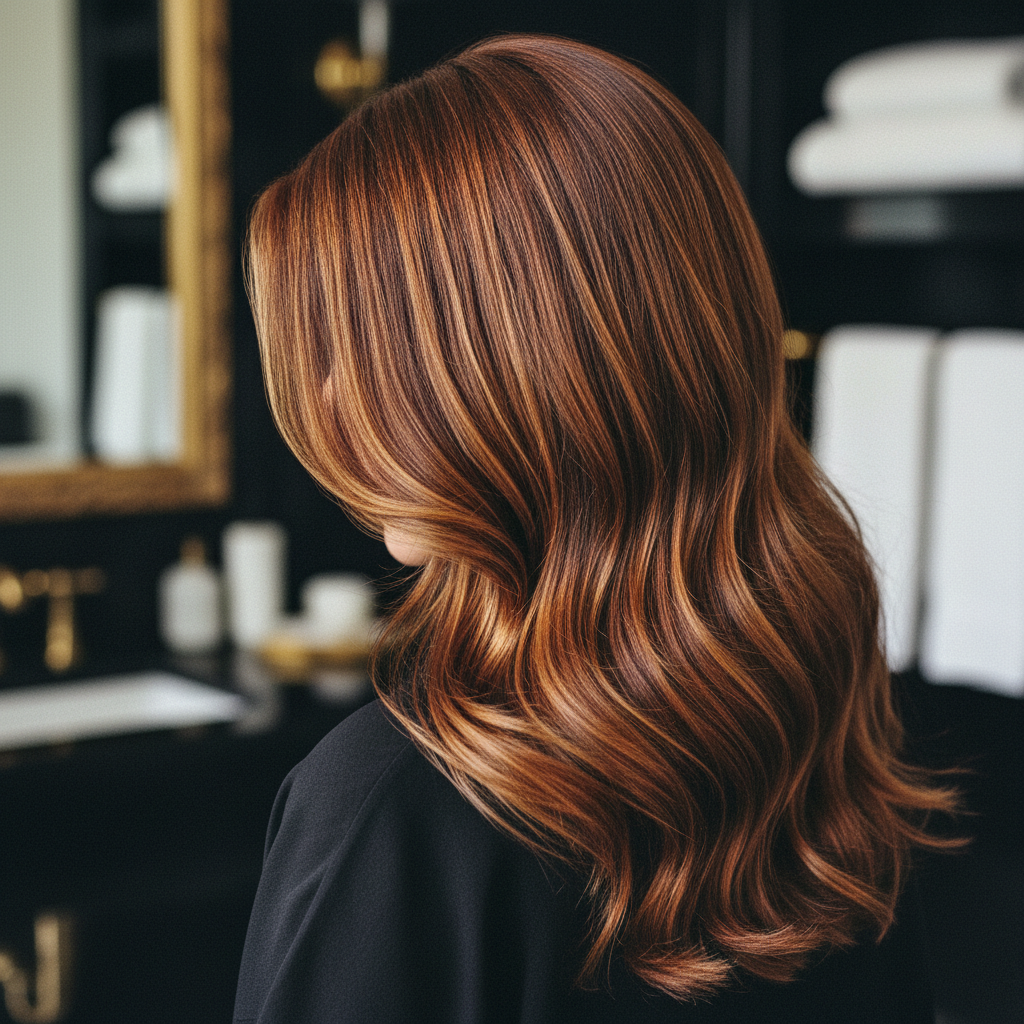
Permanent hair dyes, for example, typically use an alkaline agent (like ammonia) to swell the cuticle and an oxidising agent (hydrogen peroxide) to lighten the natural melanin before depositing new colour. This process is effective for long-lasting colour but can disrupt the hair's protein structure, making it more porous and susceptible to damage. Studies have shown that chemical treatments, particularly those involving bleaching, can reduce the hair's tensile strength and increase cuticle lifting, making hair feel rougher and more prone to breakage.
Demie-permanent and semi-permanent dyes are generally less damaging as they involve milder chemicals or simply deposit colour on the hair surface without deeply altering the natural pigment. However, even these can still affect the hair's moisture balance if not properly cared for.
Research published in the Journal of Cosmetic Science consistently highlights that the primary challenge for colour-treated hair is maintaining colour vibrancy and mitigating damage to the hair fibre. Increased porosity means colour molecules can leach out more quickly, leading to fading. It also means the hair can absorb and lose moisture more easily, leading to dryness and brittleness.
How hair colour treatments affect the hair structure
When hair is coloured, its fundamental structure undergoes changes to allow the dye to take hold. Hair is primarily made of keratin protein. The outermost layer, the cuticle, consists of overlapping scales. Beneath this is the cortex, which contains melanin (the pigment responsible for natural hair colour) and keratin fibres.
During a permanent colouring process, an alkaline agent raises the cuticle scales. This allows hydrogen peroxide to penetrate the cortex. Hydrogen peroxide breaks down the hair's natural melanin, a process called oxidation, creating a lighter base. Simultaneously, dye precursors enter the cortex and react with the peroxide to form larger, new colour molecules. These new molecules become trapped within the cortex. Because the cuticle has been lifted and then may not fully return to its original smooth state, the hair can become more porous. This increased porosity means the hair can absorb and release water and colour more easily, leading to potential dryness and accelerated colour fade.
Bleaching is an even more aggressive process, primarily focusing on melanin destruction without depositing new colour. It uses higher concentrations of hydrogen peroxide and sometimes other lightening agents. This can severely damage the keratin structure, leading to significant protein loss and making the hair much weaker, more brittle, and highly porous.
Signs of damage in Colour-Treated Hair
Recognising the signs of damage in your colour-treated hair is important for adjusting your care routine. These signs indicate that the hair's structure has been compromised and requires attention.
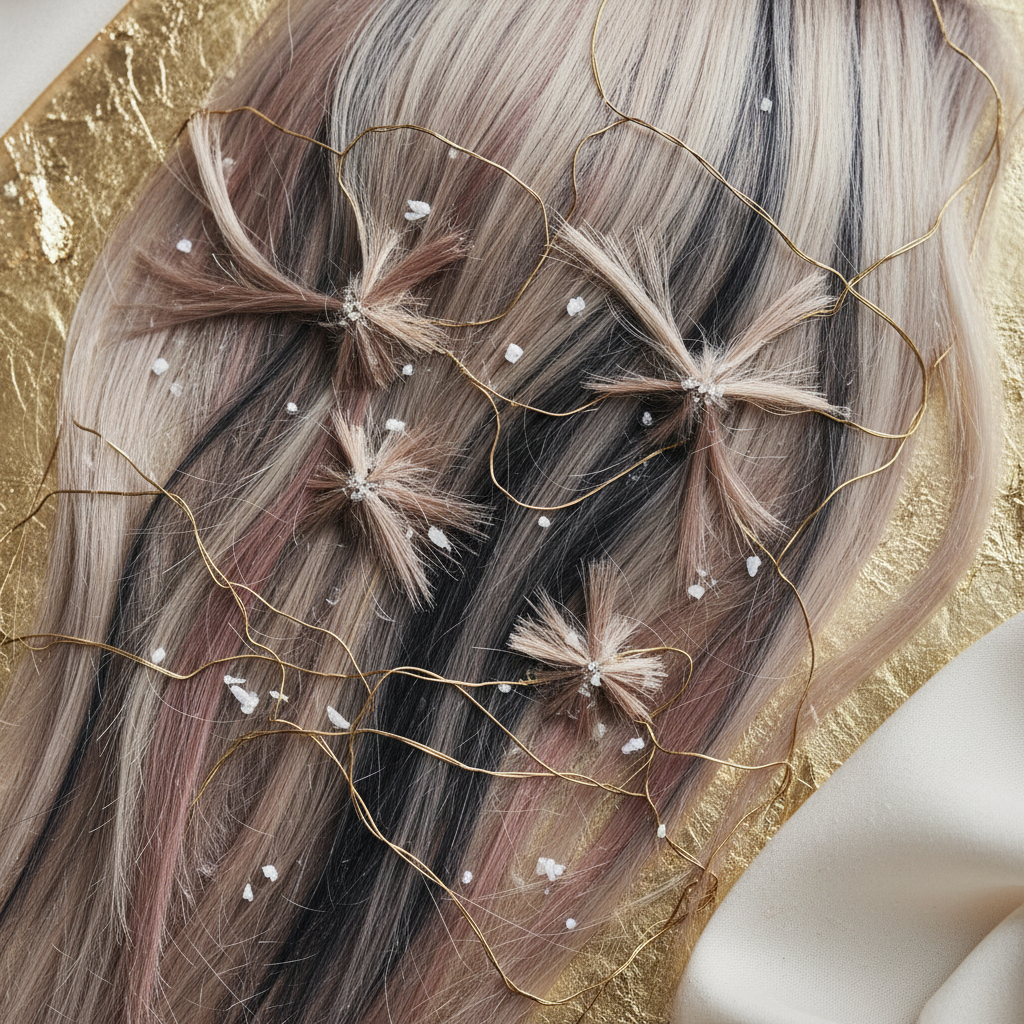
- Dryness and Rough Texture: Hair that feels coarse, straw-like, or lacks its natural softness. This is often due to the cuticle being lifted and the hair's inability to retain moisture effectively.
- Frizziness and Flyaways: Increased frizz, especially in humid conditions, suggests a compromised cuticle that can't lay flat, allowing moisture to penetrate unevenly.
- Lack of Shine: Healthy hair has a smooth cuticle that reflects light. Damaged colour-treated hair often appears dull because its rough surface scatters light rather than reflecting it.
- Increased Breakage: If you notice small pieces of hair snapping off, particularly when brushing or styling, it indicates a weakened hair shaft. This is different from hair shedding from the root.
- Split Ends: The ends of the hair appear frayed or split into two or more sections. This is a common sign of damage that travels up the hair shaft.
- Rapid Colour Fading: While all colour fades over time, excessively fast fading can indicate high porosity, where colour molecules are not being retained within the cortex.
What you can do to care for Colour-Treated Hair
Caring for colour-treated hair involves a multi-pronged approach focused on protecting the colour, restoring moisture, and strengthening the hair fibre.
- Use colour-safe products: Shampoos and conditioners specifically formulated for colour-treated hair are designed to be gentler, often sulfate-free, and contain ingredients that help seal the cuticle and prevent colour washout.
- Minimise washing frequency: Washing hair less often can help preserve colour. Consider using a dry shampoo between washes to extend the time between wet washes. When you do wash, use lukewarm water, as hot water can open the cuticle and accelerate colour fading.
- Condition regularly and use deep treatments: Colour-treated hair benefits greatly from regular conditioning after every wash. Weekly deep conditioning masks or protein treatments can help replenish moisture and fortify the hair shaft. Protein treatments, used sparingly, can temporarily fill gaps in the cuticle layer.
- Protect from heat: Heat styling tools (straighteners, curling irons, blow dryers) can further dry out and damage already compromised hair. Always use a heat protectant spray and opt for lower heat settings. Air-drying when possible is also beneficial.
- Shield from UV rays: Sunlight can degrade hair colour and damage the hair structure. Wear a hat when exposed to strong sun for extended periods, or use hair products that offer UV protection.
- Gentle handling: Wet hair is more vulnerable. Detangle gently with a wide-tooth comb, starting from the ends and working upwards. Avoid harsh brushing or tight hairstyles that can pull and stress the hair.
When to get professional advice
While good home care can significantly improve the condition of colour-treated hair, there are times when professional advice is invaluable. If you notice severe breakage, extreme dryness, or significant colour issues despite following a diligent home care routine, a qualified hairstylist or trichologist can offer a more in-depth assessment.
A stylist can analyse your hair's porosity and elasticity, recommend salon-exclusive treatments, and adjust your colouring regimen to minimise future damage. They can also advise on appropriate protein-to-moisture balance for your specific hair type. If you experience scalp irritation, excessive shedding, or hair loss following a colour treatment, it's crucial to consult a dermatologist or trichologist. These symptoms could indicate an allergic reaction, chemical burn, or an underlying condition unrelated to the colour itself.
Comparing types of hair colour treatments
The table below outlines the general characteristics, typical longevity, and impact on hair for common types of hair colour treatments. This can help you understand why different approaches are needed for different kinds of Colour-Treated Hair.
| Treatment Type | Mechanism | Longevity | Impact on Hair |
|---|---|---|---|
| Semi-Permanent | Deposits colour on the hair surface; no developer | 6 to 8 washes | Minimal; can condition hair |
| Demi-Permanent | Deposits colour and some lifting; low peroxide | 12 to 24 washes | Mild; less damaging than permanent colour |
| Permanent | Lifts cuticle, removes natural pigment, deposits new colour | Until hair grows out or is cut | Moderate; can increase porosity and dryness |
| Bleach/Lightener | Removes natural pigment; no colour deposited | Permanent | High; significant protein loss, increased porosity and breakage |
Frequently asked questions about Colour-Treated Hair
Can Colour-Treated Hair be healthy?
Yes, absolutely. While the chemical process can alter hair structure, with a dedicated care routine, colour-treated hair can look and feel healthy. Using colour-safe, moisturising products, protecting from heat and UV, and regular trims are essential. The key is to address the increased porosity and potential dryness that can result from colouring, ensuring the hair receives adequate moisture and protection.
Does colouring hair cause hair loss?
No, colouring hair does not directly cause follicular hair loss or hair shedding from the root. Hair loss or shedding is typically related to internal factors, scalp health, or damage at the root. However, harsh chemical processing, especially bleaching, can cause significant hair breakage along the shaft. This means the hair fibre snaps, making your hair appear thinner, but it's not true hair loss from the scalp.
How often should I wash my Colour-Treated Hair?
It's generally recommended to wash colour-treated hair as infrequently as possible to preserve colour vibrancy. Two to three times a week is often ideal. If your hair becomes oily between washes, consider using a dry shampoo to absorb excess oil. When you do wash, use cool or lukewarm water and a shampoo specifically formulated for coloured hair.
What ingredients should I look for in colour-safe products?
Look for ingredients that help moisturise, protect, and strengthen hair. Hydrating ingredients like argan oil, shea butter, and hyaluronic acid are beneficial. Proteins like keratin or wheat protein can help strengthen the hair fibre. Antioxidants can help protect against environmental damage. It's also often recommended to choose sulfate-free shampoos, as sulfates can sometimes strip colour more quickly.
Is it okay to swim with Colour-Treated Hair?
Swimming can affect colour-treated hair, especially in chlorinated or saltwater. Chlorine can strip colour and leave hair dry, while saltwater can also be dehydrating. To protect your hair, wet it thoroughly with clean water before swimming, then apply a leave-in conditioner. This helps to create a barrier and reduces the absorption of chlorine or salt. After swimming, rinse your hair immediately with clean water.
Investing in the health of your Colour-Treated Hair
Caring for Colour-Treated Hair is an ongoing process that yields significant rewards in terms of vibrancy, softness, and strength. Understanding how chemical processes affect the hair's structure empowers you to choose the right products and adopt practices that mitigate potential damage. From choosing colour-safe formulations to protecting against environmental stressors, each step contributes to maintaining beautiful, healthy-looking hair. Watermans understands the unique needs of hair that has undergone chemical treatment. Their formulations are designed to support hair strength and promote a healthy scalp environment, which are fundamental for maintaining hair that has been coloured. Their products focus on gentle cleansing and deep conditioning to help manage the increased porosity and potential dryness associated with colour processes, helping to keep your hair looking its best.
Sources and references
- Journal of Cosmetic Science, various issues (e.g., 2005, 2012, 2015). Research on hair damage from chemical treatments and mechanisms of colour retention.
- American Academy of Dermatology Association (AAD). Information on hair care and conditions.
- British Association of Dermatologists (BAD). Patient information leaflets on hair and scalp conditions.
- PubMed. Scholarly articles on hair structure, chemical treatments, and cosmetic science. (www.pubmed.gov)
- National Health Service (NHS). General health and dermatology advice. (www.nhs.uk)
Find these ingredients in Watermans products
- Shea Butter: you will find this ingredient in our Curly Hair Conditioner.