Choosing the Right Hairbrush
4 min read ·
Selecting the appropriate hairbrush for your hair type and styling needs can significantly impact hair health and appearance.
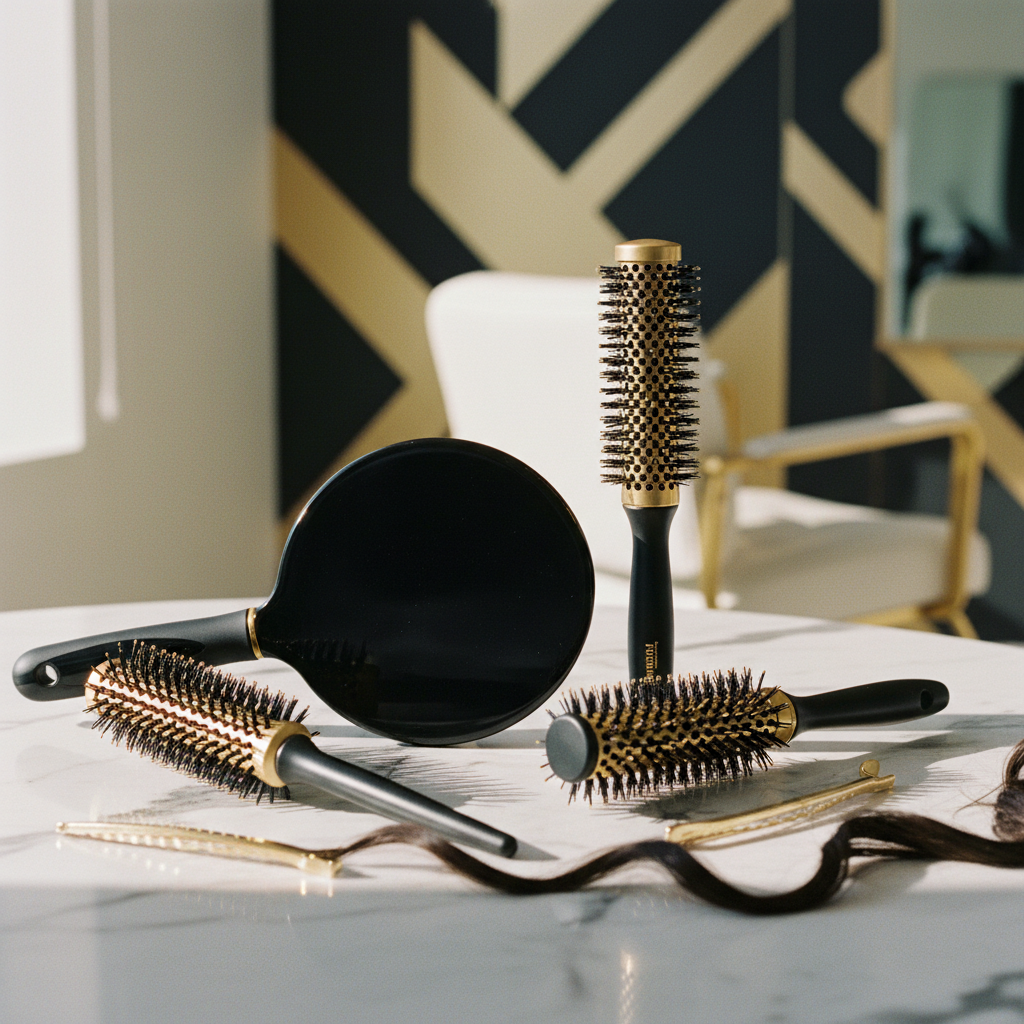
The Importance of the Right Hairbrush
A hairbrush is a fundamental tool in hair care, yet its selection is often overlooked. The correct brush can detangle, distribute natural oils, stimulate the scalp, and aid in styling, all while minimizing damage. Conversely, an unsuitable brush can lead to breakage, frizz, and scalp irritation.
Anatomy of a Hairbrush
Understanding the components of a hairbrush helps in making an informed choice:
- Handle: The part held during use. Ergonomics are key for comfort and control.
- Head/Paddle: The surface where bristles are affixed. Shapes vary, influencing how hair is gathered and brushed.
- Bristles: The individual strands that make contact with hair and scalp. Bristle material, density, and configuration are crucial.
Bristle Types and Their Functions
Bristles are the primary factor in a brush's performance. They are typically made from natural materials, synthetic fibres, or a combination.
Natural Bristles
Most commonly derived from boar, natural bristles are known for their softness and ability to distribute sebum (the scalp's natural oil) evenly along the hair shaft. This process adds shine and acts as a natural conditioner. They are particularly gentle on fine and medium hair types, and beneficial for promoting scalp circulation. However, they may not be effective at detangling very thick or coarse hair.
Synthetic Bristles
Nylon is a common synthetic bristle material. These bristles are often firmer and more durable than natural bristles. Their rigidity makes them excellent for detangling thick, coarse, or curly hair, as they can penetrate dense hair to reach the scalp. Many synthetic bristles are designed with rounded tips to prevent scratching the scalp. Some synthetic bristles are also designed to be heat-resistant, making them suitable for use with heat styling tools.
Mixed Bristles
Brushes with a combination of natural and synthetic bristles offer the benefits of both. The synthetic bristles help to detangle and penetrate thicker hair, while the natural bristles smooth the cuticle and distribute natural oils for shine. This type of brush is versatile and often recommended for a wide range of hair types, especially those with medium to thick hair that desire both detangling and smoothing benefits.
Brush Shapes and Their Uses
The shape of a brush's head influences its primary function:
- Paddle Brushes: These are large, flat, and wide brushes designed for detangling and smoothing large sections of hair. They are gentle and minimise static, making them ideal for long, straight, or wavy hair.
- Round Brushes: Available in various diameters, round brushes are used with a blow dryer to create volume, curls, or straighten hair. Smaller diameters create tighter curls, while larger diameters produce softer waves or add body. Vented round brushes allow for better airflow, speeding up drying time.
- Vent Brushes: Characterized by open spaces or vents in the brush head, these brushes are designed for quick drying. They allow air to circulate through the brush, reducing drying time and minimizing heat exposure. They are often used for general styling and preliminary blow-drying.
- Teasing/Backcombing Brushes: These brushes typically have a narrow head with varying bristle lengths, designed to create volume and lift at the roots by backcombing hair. The fine-toothed nature allows for precise sectioning and manipulation.
- Denman-style Brushes: These feature a cushioned rubber pad with evenly spaced rows of nylon pins. They are particularly effective for defining curls, smoothing, and detangling without creating frizz, especially for naturally curly or coily hair types.
Choosing the Right Brush for Your Hair Type
| Hair Type | Recommended Brush Type | Benefits |
|---|---|---|
| Fine/Thin Hair | Natural Bristle Brush, Paddle Brush | Gentle detangling, distributes natural oils for shine, minimizes breakage. |
| Medium Hair | Mixed Bristle Brush, Paddle Brush, Vent Brush | Versatile for detangling, smoothing, and styling; offers shine and good penetration. |
| Thick/Coarse Hair | Synthetic Bristle Brush, Paddle Brush (firm bristles) | Effective detangling, penetrates dense hair, reduces static. |
| Curly/Coily Hair | Denman-style Brush, Wide-Tooth Comb, Paddle Brush | Defines curls, detangles without disrupting curl pattern, gentle on fragile curls. |
| Long Hair | Paddle Brush | Efficiently detangles large sections, reduces styling time. |
| Short Hair | Smaller Paddle Brush, Vent Brush, Small Round Brush | Ideal for precision styling, adding volume, or general brushing without overwhelming shorter strands. |
Maintenance and Care
Regular cleaning of your hairbrush is essential for hygiene and performance. Remove trapped hair after each use. Periodically, wash brushes with a mild shampoo and lukewarm water to remove product buildup and oils. Allow brushes to air dry completely, ideally bristle-side down, before reuse. This practice extends the life of your brush and prevents the transfer of dirt and product residue back onto clean hair.
Selecting the correct hairbrush is an investment in your hair's overall health and appearance. By considering your hair type, styling goals, and bristle characteristics, you can choose a tool that effectively supports your hair care regimen.