The Science of the Best Hair Washing Routines
8 min read ·
Discover the science behind the Best Hair Washing Routines to balance scalp health, prevent breakage, and maintain vibrant, resilient hair fibres.

Quick answer: The Best Hair Washing Routines balance scalp cleansing with hair fibre preservation, tailoring frequency and technique to individual sebum production, curl pattern, and chemical processing. Rather than following a universal schedule, an optimal routine cleanses the scalp at a skin-compatible pH (around 5.5) to prevent microbial overgrowth like Malassezia, while conditioning mid-lengths and ends to minimise friction and breakage. The main limitation is that no single washing protocol suits every scalp, requiring adjustments as hormones, styling habits, and environmental factors change.
Key takeaways
- The scalp is living skin with an acidic mantle (pH 4.5 to 5.5), whereas the hair shaft is dead protein requiring moisture retention and cuticle protection.
- Washing frequency should match your scalp type: daily to alternate days for oily scalps, and once or twice weekly for dry, coily, or heavily processed hair.
- Focus shampoo application primarily on the scalp and roots, allowing the runoff to gently cleanse the delicate mid-lengths and ends.
- High water temperature swells the hair cuticle and strips natural lipids, so lukewarm or cool water is optimal during washing and rinsing.
- Proper conditioning after every wash replaces protective surface lipids (18-MEA) lost to water exposure and mechanical abrasion.
Best Hair Washing Routines: what the evidence shows
Research in cosmetic dermatology demonstrates that hair cleansing is fundamentally an exercise in surface chemistry and lipid management. Sebum, produced by sebaceous glands attached to each hair follicle, spreads along the hair shaft. While sebum conditions virgin hair, an accumulation of oxidised sebum, environmental pollutants, dead corneocytes, and styling residue can lead to scalp irritation, pruritus, and conditions such as seborrhoeic dermatitis.
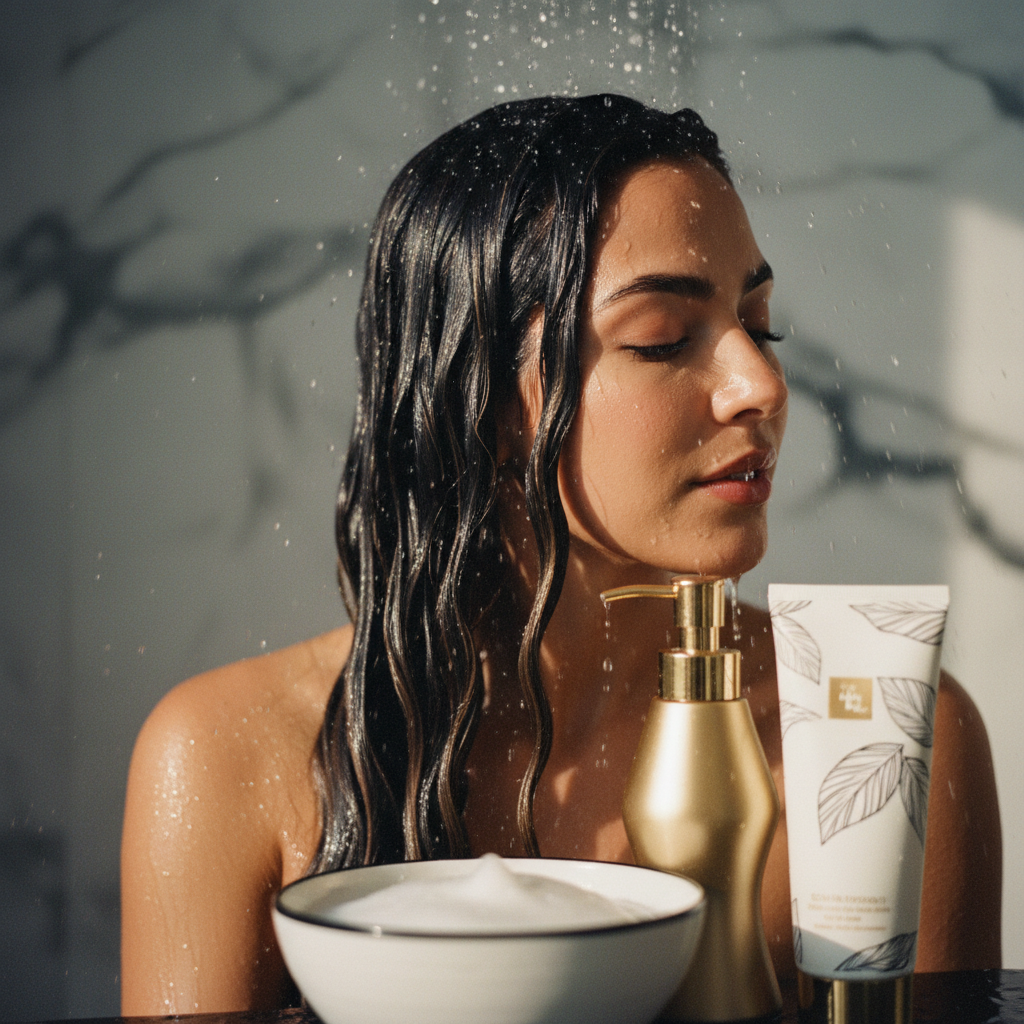
When formulating the Best Hair Washing Routines, dermatological consensus focuses on the role of surfactants. Anionic surfactants (like sodium laureth sulphate) and amphoteric surfactants (such as cocamidopropyl betaine) bind to oily dirt and water simultaneously, allowing sebum to be rinsed away. However, water itself causes hygral fatigue, the repeated swelling and deswelling of the hair fibre cortex. Every wash temporarily lifts the protective outer cuticle scales. A well-designed routine therefore uses surfactants potent enough to prevent microbial proliferation on the scalp, yet gentle enough to preserve the structural integrity of the hair shaft.
Common misconceptions: what the evidence does not show
There are several persistent myths regarding hair washing that controlled studies do not support.
First, hair does not "train itself" to produce less sebum if you stop washing it. Sebaceous gland activity is primarily regulated by internal androgens, particularly dihydrotestosterone (DHT), not by surface washing frequency. Extending the time between washes excessively does not lower sebum output; it simply allows sebum and shed skin cells to accumulate, creating an ideal breeding ground for yeast.
Second, washing does not cause telogen effluvium or androgenetic alopecia. It is common to see loose hairs in the shower drain, leading people to believe washing causes shedding. In reality, healthy humans shed between 50 and 100 telogen hairs per day. Washing simply dislodges hairs that have already detached from the follicle base days or weeks prior.
Finally, "co-washing" (washing exclusively with conditioner) does not adequately cleanse oily or dandruff-prone scalps. While cationic surfactants in conditioners provide mild cleansing without stripping dry curls, they lack the detergency required to remove stubborn sebum and synthetic polymers, which can lead to follicular occlusion over time.
Step-by-step framework: building an optimal routine
Developing effective routines requires matching technique to physical hair properties. Here is the scientifically supported framework for the wash cycle:
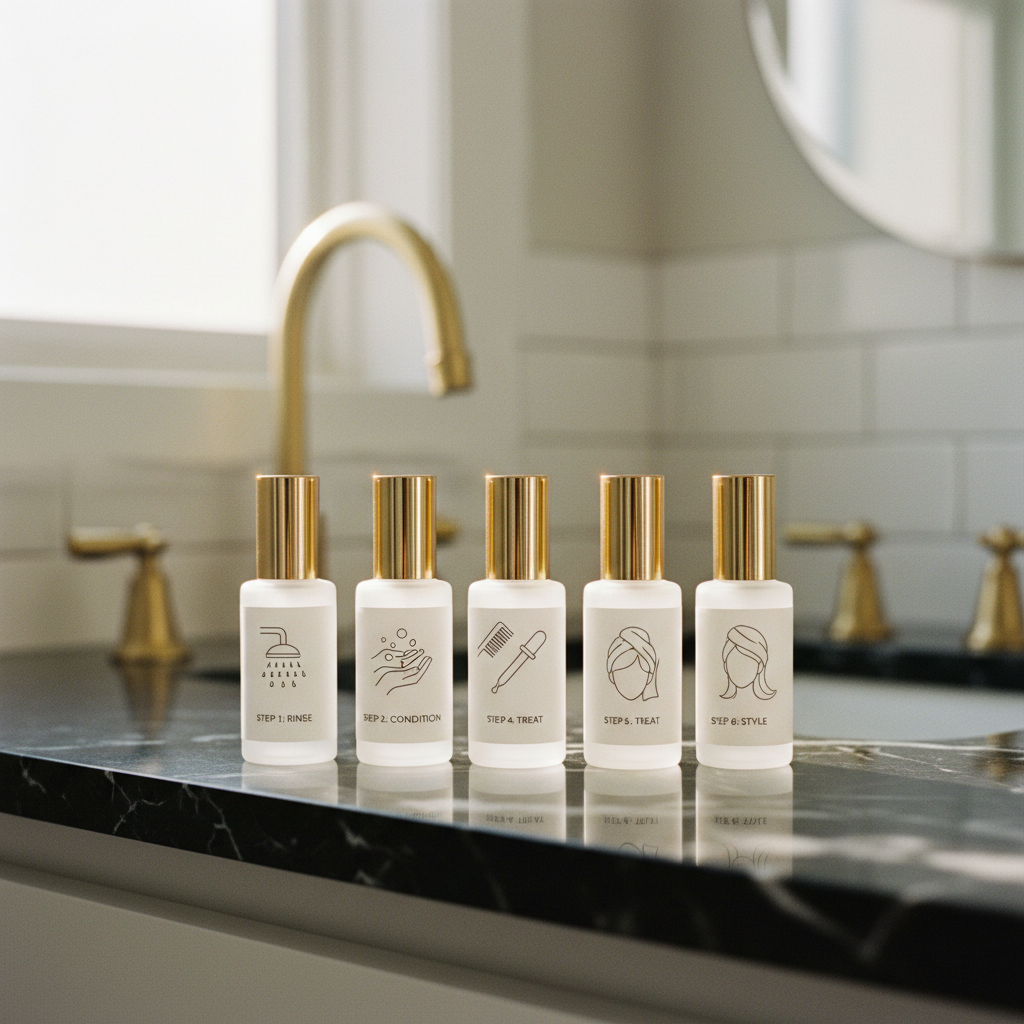
1. Pre-wash preparation
Detangle dry hair gently using a wide-tooth comb or flexible bristle brush, starting at the ends and working upward. Dry hair has stronger hydrogen bonds than wet hair, making it less vulnerable to tensile fracture during knot removal. If your hair is porous, applying a small amount of penetrating oil (such as coconut oil) 30 minutes before washing can reduce excessive water absorption and subsequent protein loss.
2. Wetting and water temperature
Thoroughly saturate the scalp and hair with lukewarm water for at least 60 seconds. Extremely hot water can irritate the skin barrier and cause excessive swelling of the cuticle layer, while cold water fails to melt crystalline sebum components efficiently.
3. Scalp-targeted cleansing
Dispense a 50-pence-sized amount of shampoo into your hands, emulsify with water, and apply directly to the scalp. Use the pads of your fingers, never your fingernails, to massage the skin in small circular motions. This mechanical action dislodges debris without scratching the epidermis. Let the lather run through the lengths when rinsing; do not gather the hair onto the top of your head to scrub, as this creates friction and cuticular damage.
4. Conditioning and cuticle sealing
Gently squeeze out excess water before applying conditioner to the mid-lengths and ends. Conditioners contain cationic surfactants and fatty alcohols that deposit onto the negatively charged, damaged sites of the hair cuticle, restoring lubricity and reducing combing force. Leave on for 2 to 3 minutes, then rinse thoroughly with cool-to-lukewarm water.
| Scalp & Hair Type | Recommended Frequency | Primary Cleanser Focus | Conditioning Approach |
|---|---|---|---|
| Oily scalp / Fine hair | Daily to alternate days | Clarifying or balancing surfactants; lightweight formula | Featherlight conditioning strictly on bottom third of lengths |
| Normal scalp / Medium hair | Every 2 to 3 days | Balanced pH (5.5) maintenance shampoo | Standard rinse-out conditioner from ears down |
| Dry scalp / Coarse hair | Every 4 to 7 days | Hydrating, low-foaming creamy shampoo | Deep conditioning mask with fatty alcohols and emollients |
| Afro & tightly coiled hair | Every 7 to 10 days | Ultra-gentle, sulphate-free moisturising cleanser | Heavy emollient conditioner plus leave-in conditioning sealants |
| Chemically treated / Bleached | 1 to 2 times weekly | Low-pH restorative shampoo to protect weak fibres | Protein-enriched bond builders and intensive lipid conditioners |
Warning signs your washing routine needs adjustment
Your hair and scalp will provide clear physical indicators when your cleansing balance is incorrect:
- Frequent itching and flaking: Often indicates under-washing, leading to an overgrowth of Malassezia yeasts feeding on accumulated sebum.
- Dull, flyaway, static-prone hair: Suggests over-washing with harsh, high-pH detergents that have stripped all surface lipids.
- Heavy roots and dry, brittle ends: Common when the cleanser is too rich for the scalp or conditioner is applied too close to the roots.
- Mid-shaft snapping during detangling: Signals cuticular erosion and mechanical breakage caused by rough washing technique rather than true hair shedding.
Watermans: supporting scalp and hair vitality
When tailoring the Best Hair Washing Routines to support thicker, fuller-looking hair, product selection plays a crucial role. Watermans offers targeted, salon-grade formulations designed to optimise the scalp environment without compromising fibre integrity.
Watermans GrowMe Shampoo delivers a balanced, revitalising cleanse powered by natural ingredients including caffeine, biotin, argan oil, and rosemary extract. It clarifies the scalp surface of build-up while invigorating the appearance of the roots. Paired with Watermans ConditionMe Conditioner, which infuses moisture and structural support using cholesterol and hydrolysed lupin protein, this system ensures the hair fibre remains resilient against wash-day breakage and detangling stress.
When to seek professional clinical advice
While refining your washing habits resolves most everyday cosmetic concerns, certain symptoms warrant evaluation by a GP, dermatologist, or registered trichologist. Seek professional guidance if you notice:
- Sudden, widespread shedding that persists beyond six to eight weeks.
- Distinct circular or patchy bald areas on the scalp.
- Severe redness, burning, tenderness, or crusting that does not respond to over-the-counter anti-dandruff cleansers.
- Visible thinning focused around the crown or widening of your central parting.
A trichologist can perform trichoscopy to evaluate follicular density and distinguish between cosmetic breakage, shedding disorders, and permanent follicular scarring.
Frequently asked questions about Best Hair Washing Routines
How do I identify the Best Hair Washing Routines for my specific hair texture?
Evaluate your scalp's oil production at the roots after 24 hours while assessing your ends. Oily roots demand frequent cleansing (every 1 to 2 days) with lightweight surfactants. Coarser, curlier textures impede sebum travel down the shaft, meaning the Best Hair Washing Routines for these types focus on weekly cleansing accompanied by deeply emollient conditioning to protect against mechanical breakage.
Does double shampooing actually improve hair health?
Double shampooing is beneficial if you wash your hair infrequently, use heavy silicone-based styling products, or have an exceptionally oily scalp. The first wash breaks down stubborn surface oils and cosmetic polymers, while the second cleanse lathers fully to clear residue from the skin. For fine, dry, or daily-washed hair, a single gentle cleanse is usually sufficient.
Is washing hair in cold water necessary for a healthy routine?
Freezing cold water is unnecessary and uncomfortable. However, rinsing conditioner out with lukewarm or cool water is helpful. Moderate cooling helps contract the cuticle layers that swell during the warm wash cycle, leaving the hair surface smoother, less prone to moisture loss, and better able to reflect light.
Can using dry shampoo replace regular hair washing?
No. Dry shampoos use starches or alcohol to absorb surface oils, providing a temporary matte cosmetic appearance. They do not remove sebum, sweat, dead skin cells, or microbial build-up. Overusing dry shampoo without regular water-based cleansing can clog follicles, cause scalp inflammation, and ultimately compromise hair growth.
Summary of effective washing practices
Adopting the Best Hair Washing Routines requires understanding that your scalp is an extension of your skin and your hair lengths are delicate textiles. Focus shampooing efforts firmly at the root to maintain a clean, balanced scalp microbiome, and consistently condition the ends using gentle techniques to prevent friction and breakage. By listening to your hair's responsiveness and adapting your washing schedule to your lifestyle and climate, you create the optimal foundation for resilient, healthy-looking hair.
Sources and references
- British Association of Dermatologists. Seborrhoeic Dermatitis Patient Information Leaflet. 2020.
- D'Souza, P., & Rathi, S. K. Shampoo and Conditioners: What a Dermatologist Should Know? Indian Journal of Dermatology, 2015. DOI: 10.4103/0019-5154.156634.
- Gavazzoni Dias, M. F. Hair Cosmetics: An Overview. International Journal of Trichology, 2015. DOI: 10.4103/0974-7753.153450.
- Robbins, C. R. Chemical and Physical Behavior of Human Hair. 5th ed., Springer-Verlag, 2012.
- Trüeb, R. M. Shampoos: Ingredients, benefits and adverse effects. Journal of the European Academy of Dermatology and Venereology, 2001. DOI: 10.1046/j.1468-3083.2001.00304.x.
Find these ingredients in Watermans products
- Biotin: you will find this ingredient in our Hair Growth Shampoo.