How to Add Volume to Straight Hair: An Evidence-Based Guide
11 min read ·
Discover effective, evidence-backed techniques and products for how to add volume to straight hair, ensuring a fuller, more lifted look.
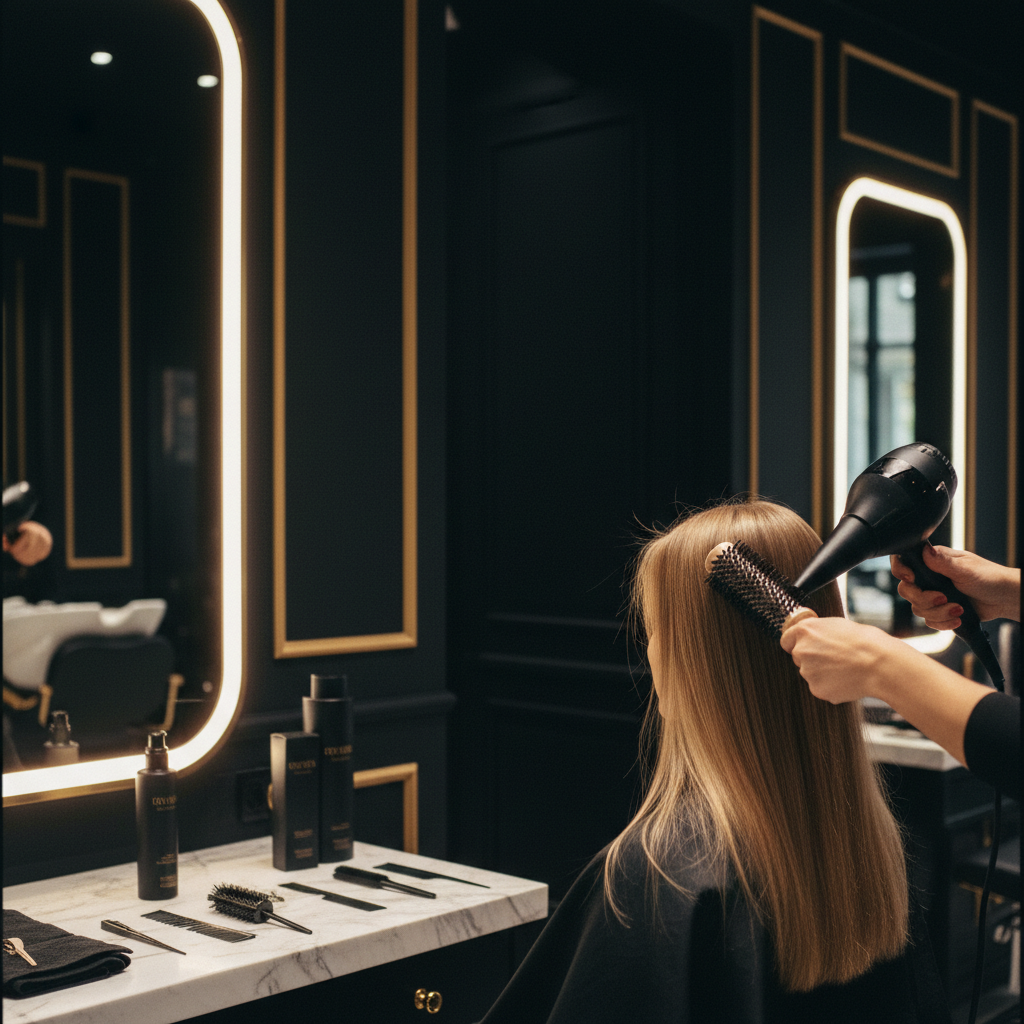
Quick answer: Knowing how to add volume to straight hair involves a combination of specific product choices, strategic drying techniques, and gentle styling methods that lift the hair fibre away from the scalp. The main limitation is that straight hair naturally lacks the internal structure of waves or curls, requiring consistent effort to maintain a voluminous style. Achieving lasting lift often relies on creating friction and support at the roots without weighing down the hair.
Key takeaways
- Targeted Products: Lightweight volumising shampoos, conditioners, and styling products containing polymers or texturising agents can create the perception of fullness by coating the hair fibre or increasing friction between strands.
- Strategic Blow-Drying: Drying hair against its natural growth pattern and focusing heat at the roots with a concentrator nozzle significantly helps to lift the hair away from the scalp.
- Gentle Styling: Techniques like rough-drying hair upside down and using a round brush with tension can physically encourage root lift. Using cool air to set styles helps lock in volume.
- Avoid Over-Processing: Excessive product, heavy conditioners, or vigorous towel-drying can flatten hair or cause damage, counteracting efforts to build volume.
- Scalp Health Matters: A healthy scalp provides a strong foundation for hair growth and can influence the appearance of volume, though it doesn't directly change hair texture.
How to add volume to straight hair: what the evidence shows
Straight hair often appears less voluminous because its cuticles lie flat, and the hair strands themselves have a round cross-section, which makes them smooth and less prone to interlock and create body. Adding volume to straight hair is about manipulating the hair fibre to stand away from the scalp and creating the illusion of greater density. This is achieved through mechanical lift, temporary structural support from styling products, and physical alteration of the hair's position.
The mechanism of volume creation
Volume in straight hair is primarily achieved by creating lift at the root and increasing the space between individual hair strands. This process involves a few key mechanisms:
- Physical Lift: Techniques such as blow-drying hair against its natural growth pattern, using a round brush to create tension at the roots, and backcombing (teasing) physically force the hair to stand up. When hair is dried or set in an elevated position, the hydrogen bonds within the hair fibre reform, "setting" the hair in that lifted state until it gets wet again or is significantly disturbed.
- Product-Induced Support: Many volumising products contain polymers (like PVP or VP/VA copolymers) that form a thin, stiff film around the hair shaft. This film increases the diameter of the hair fibre, making it feel thicker, and provides a scaffold-like support that helps the hair maintain its lifted position. Texturising sprays and powders often use ingredients such as silica silylate to create friction between hair strands, making them less likely to clump together and increasing the overall perception of fullness. These ingredients can also absorb excess oil, preventing hair from becoming weighed down.
- Minimising Weight: Heavy conditioners, excess natural oils (sebum), and product build-up can all weigh down straight hair, counteracting efforts to add volume. Products designed for volume are typically lightweight and aim to cleanse effectively without leaving residue. Some ingredients, like certain silicones, are used sparingly or in specific formulations in volumising products to ensure they don't flatten the hair.
Products for adding volume: what to look for
Choosing the right products is crucial for how to add volume to straight hair. The goal is to provide support and texture without adding excessive weight.
- Volumising Shampoos and Conditioners: These are formulated to cleanse hair without stripping it or leaving heavy residues. Many contain lightweight polymers that temporarily swell the hair shaft or provide a slight coating to create the perception of thicker strands. They often avoid heavy oils or butters. For a deeper cleanse and to remove build-up that can flatten hair, consider incorporating a clarifying wash into your routine, as discussed in "How to Do a Clarifying Wash: A Guide to Deep Hair Cleansing."
- Root Lift Sprays/Mousses: These are applied directly to the roots. They typically contain high concentrations of styling polymers that create a firm, yet flexible, support structure as the hair dries. This helps the hair stand away from the scalp, creating immediate lift.
- Volumising Mousses/Foams: Applied more broadly through the mid-lengths and ends, these provide overall body and light hold. Look for lighter formulations that dry without stiffness or stickiness.
- Texturising Sprays/Powders: These products are designed to increase friction and separation between hair strands. They can contain fine powders (like silica silylate or rice starch) that absorb oil and create a matte finish, making hair feel fuller and more pliable for styling. They are excellent for creating "grip" and preventing hair from looking too sleek.
- Light-Hold Hairsprays: A flexible hairspray can set a style without making the hair feel stiff or crunchy. It provides a light veil of polymers to maintain the volume created during styling.
Styling techniques for lasting volume
Effective styling techniques are paramount for how to add volume to straight hair and ensure it lasts. It's a combination of preparation, drying, and finishing.
- Preparation (Washing and Conditioning): Start with freshly washed hair using volumising shampoo and conditioner. Focus conditioner on the mid-lengths and ends, and rinse thoroughly to ensure no residue remains that could weigh down the hair. Using products specifically designed for fine hair, as detailed in "Fine Hair: A Complete Guide to Understanding and Care," can be beneficial.
- Towel Dry Gently: After washing, gently squeeze excess water from your hair with a microfibre towel. Avoid vigorous rubbing, which can disrupt the cuticle and lead to frizz. Hair should be damp, not dripping wet, before applying styling products.
- Apply Root Lift and Volumising Mousse: Section your hair and apply root lift spray or mousse directly to the roots, focusing on the crown and sides. Distribute it evenly with your fingertips. For overall body, work a small amount of volumising mousse through the mid-lengths and ends.
- Rough Dry Upside Down: Flip your head upside down and rough dry your hair using a blow dryer on a medium heat and speed setting until it's about 70 to 80% dry. This technique naturally encourages the hair to lift away from the scalp, building foundational volume.
- Section and Blow Dry with a Round Brush: Return upright and section your hair into manageable parts. Using a round brush (a 1.5 to 2-inch diameter is often good for straight hair) and your blow dryer with a concentrator nozzle, take a section of hair. Place the brush at the roots underneath the section, lifting the hair upward and outward. Direct heat from the dryer at the roots, following the brush through to the ends. Repeat for all sections, always focusing on lifting the roots. Overdirecting sections (drying hair in the opposite direction from its natural fall) can enhance root lift. For more on safe heat styling, refer to "Heat Styling Safety Best Practices."
- Set with Cool Air: After blow-drying each section, use the cool shot button on your blow dryer. This rapidly cools the hair, reforming the hydrogen bonds and setting the style, helping to lock in the volume. This step is critical for longevity.
- Teasing for Extra Lift (Optional): For targeted volume at the crown, gently tease the underneath sections of hair. Take a small section, hold it upright, and use a fine-toothed comb to gently push the hair downwards towards the scalp, creating a cushioned base. Smooth the top layer over the teased section. Backcombing should be done sparingly and gently to avoid hair damage.
- Apply Texturising Product: Lightly mist a texturising spray through the mid-lengths and ends, or apply a small amount of texturising powder at the roots for added grip and fullness. This helps prevent hair from falling flat.
- Finish with Hairspray: Lightly mist a flexible hold hairspray over your finished style to maintain volume throughout the day without weighing it down.
Common pitfalls when aiming for volume
When you're trying to figure out how to add volume to straight hair, some common mistakes can quickly undo your efforts:
- Using Too Much Product: Applying an excessive amount of heavy conditioner, serum, or styling cream can weigh down fine, straight hair, making it appear flatter. Less is often more with volumising products. Start with a small amount and add more if needed.
- Incorrect Product Application: Volume products are designed for specific areas. Root lifts work best at the scalp, while mousses are often applied through mid-lengths and ends. Applying a heavy mousse directly to the roots can sometimes cause stickiness or product build-up rather than lift.
- Skipping the Rough Dry: Drying hair completely flat from the start prevents the hair from naturally lifting away from the scalp. The initial upside-down rough dry is crucial for building foundational volume.
- Neglecting the Cool Shot: The cool air stream is vital for setting the style. Skipping this step means the hydrogen bonds in the hair may not reform in their desired lifted position, leading to volume that quickly collapses.
- Over-Manipulation: Constantly touching or running fingers through newly volumised hair can disrupt the style, distribute natural oils, and cause it to flatten prematurely.
Watermans and adding volume
Watermans hair care products are designed to support overall hair health, which can contribute to the appearance of fuller-looking hair. While no cosmetic product can fundamentally change your hair's natural texture from straight to curly, healthy hair tends to be more responsive to styling and can hold volume better.
Our products focus on strengthening the hair and optimising scalp health, which are foundational for hair that looks and feels thicker. For instance, ingredients like hydrolysed lupin protein and caffeine in Watermans formulations are known to support hair vitality. Stronger, healthier hair is less prone to breakage, which can contribute to a fuller appearance over time. When hair fibres are healthy, they are also more receptive to volumising styling techniques, helping to maximise the lift and body you create.
Frequently asked questions about How to add volume to straight hair
How often should I wash my hair when trying to add volume?
For how to add volume to straight hair, washing frequency depends on your individual scalp oil production. Oily hair can be weighed down, so washing every 1 to 2 days might be beneficial. If your scalp is less oily, you might extend washes to every 2 to 3 days, using dry shampoo to refresh roots and absorb oil, which can also provide a temporary volume boost.
Can hair extensions help add volume to straight hair?
Yes, hair extensions can effectively add volume and density to straight hair, especially if your hair is fine or sparse. They work by physically increasing the amount of hair. Choosing lightweight, high-quality extensions and ensuring professional application and removal is crucial to prevent damage to your natural hair.
Does hard water affect how to add volume to straight hair?
Hard water can leave mineral deposits on hair, making it feel rough, dull, and potentially weighing it down. This build-up can make it more challenging to achieve and maintain volume. Using a chelating shampoo occasionally or installing a shower filter can help mitigate these effects, as discussed in "Hard Water and Hair Damage: Understanding the Impact on Your Hair."
Is backcombing (teasing) bad for my hair?
Backcombing, when done gently and infrequently, is generally fine for adding targeted volume. However, aggressive or frequent backcombing can cause friction and cuticle damage, leading to breakage. Always use a fine-toothed comb, tease lightly at the roots, and carefully detangle afterwards. For insights into hair damage, see "Understanding Hair Damage: Causes, Signs, and Solutions."
Can diet impact hair volume?
Yes, a balanced diet rich in protein, vitamins (especially B vitamins, vitamin D), and minerals (like iron and zinc) supports healthy hair growth and structure. While diet won't change your hair type, it can influence hair strength and vitality, contributing to hair that appears healthier and more receptive to volumising efforts. Severe nutritional deficiencies can lead to hair shedding or thinning, which would impact perceived volume.
Are there any permanent solutions for how to add volume to straight hair?
There are no permanent solutions that change naturally straight hair into hair with inherent volume like curls or waves without chemical treatments. Perms can add texture and body, but they involve chemical alteration of the hair structure and require maintenance. For cosmetic, non-chemical approaches, consistently applying the right techniques and products is the key to how to add volume to straight hair.
Conclusion
Mastering how to add volume to straight hair involves understanding your hair's natural characteristics and employing a strategic approach that combines product selection with precise styling techniques. By focusing on root lift, creating friction between strands, and avoiding factors that weigh hair down, you can achieve and maintain a fuller, more dynamic look. Consistency in these methods, alongside a commitment to overall hair health, will yield the best results for visibly enhanced volume in straight hair.
Sources and references
- American Academy of Dermatology Association, "Hair loss: Diagnosis and treatment.", Ongoing resource.
- British Association of Dermatologists, "Hair disorders and their management.", Ongoing resource.
- Robbins, Clarence R. Chemical and Physical Behavior of Human Hair. 5th ed., Springer, 2012. (For hair structure and chemical/physical properties).
- Gavazzoni Dias, Maria Fernanda Reis. "Hair Cosmetics: An Overview." International Journal of Trichology, vol. 7, no. 1, 2015, pp. 2 to 15. (For product mechanisms).
- Loussouarn, G., et al. "Physical properties of African and European hair implications for styling." International Journal of Cosmetic Science, vol. 35, no. 1, 2013, pp. 60-65. (For hair fibre characteristics).
- National Institute of Environmental Health Sciences, "Hair Structure and Hair Growth.", Ongoing resource.
- Journal of Cosmetic Science. (General reference for research on hair and cosmetics).
- PubMed. (General reference for peer-reviewed scientific literature).
- The Society of Cosmetic Scientists. (General reference for cosmetic science information.)
Find these ingredients in Watermans products
- Zinc: you will find this ingredient in our Hair Vitamins.