Sulphate Free Scalp Care: Evidence, Mechanism, and Daily Practice
9 min read ·
Discover how Sulphate Free Scalp Care protects the skin barrier, reduces hair breakage, and prevents dryness, supported by dermatological evidence.
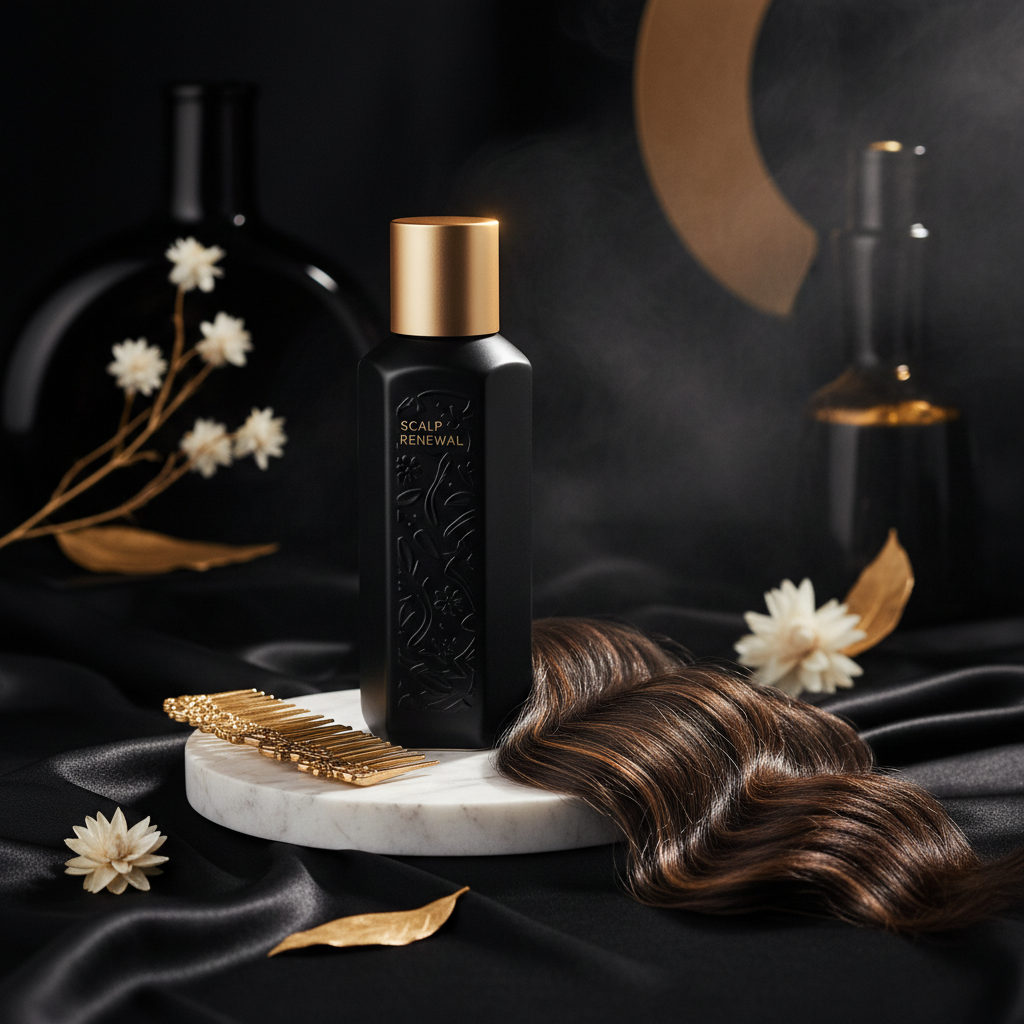
Quick answer: Sulphate Free Scalp Care refers to cleansing regimens that replace aggressive anionic surfactants like sodium lauryl sulphate with milder alternatives to protect the skin barrier and preserve natural lipids. The primary benefit is reduced cutaneous irritation and minimal cuticle stripping, which suits sensitive, dry, or chemically treated scalps. However, the main limitation is that milder surfactants do not remove heavy cosmetic silicones, sebum crusts, or acute microbial buildup as aggressively, meaning individuals prone to seborrhoeic dermatitis may require periodic clarifying or targeted active ingredients.
Key takeaways
- Traditional sulphate surfactants remove sebum effectively, but their small molecular size allows them to penetrate the stratum corneum and denature structural proteins.
- Switching to gentler alternatives helps maintain the scalp mantle at its physiological pH of 4.5 to 5.5.
- Sulphate-free formulations produce less friction on the cuticle layer, reducing mechanical breakage during washing.
- People with high sebum production or those who use non-water-soluble styling polymers may experience residue buildup without deliberate scalp massage or occasional clarifying.
- Sulphate-free care protects cosmetic colour and hair fibre moisture, but it does not treat or cure medical conditions like alopecia or scalp psoriasis.
Sulphate Free Scalp Care: what the evidence shows
Dermatological research shows that Sulphate Free Scalp Care helps protect the skin's moisture barrier by lowering the risk of surfactant-induced barrier disruption. Surfactants are cleansing agents designed to bind to both water and oil, lifting sebum, dirt, and styling products from the scalp. The most common traditional cleansers belong to the alkyl sulphate and alkyl ether sulphate families, specifically sodium lauryl sulphate (SLS) and sodium laureth sulphate (SLES).
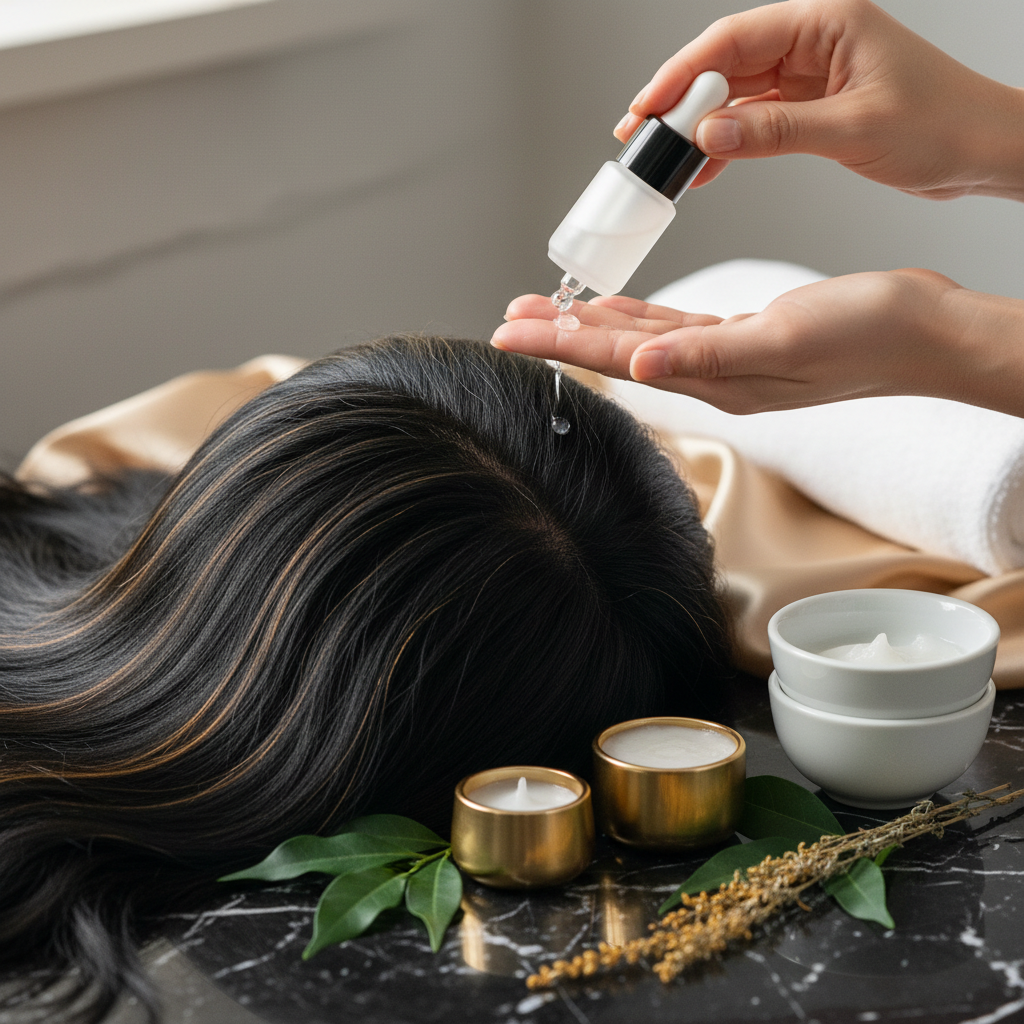
Because SLS possesses a low critical micelle concentration and a relatively small molecular profile, it easily penetrates beyond the surface of the stratum corneum. In clinical patch testing and cosmetic dermatology studies, SLS is frequently used as a positive control to induce controlled skin irritation. Once inside the outer skin layers, it binds to keratin filaments, causing protein denaturation, swelling of the cell matrix, and the unintended elution of intercellular lipids such as ceramides and fatty acids. This process elevates transepidermal water loss (TEWL), leaving the scalp dry, tight, and prone to flaking or itching.
By shifting toward non-sulphate cleansers, formulations avoid this severe protein interaction. Milder surfactants form larger micellar structures in solution. Because these micelles are bulkier, they do not easily penetrate the cellular layers of the epidermis. Instead, they interact solely with surface sebum and environmental debris. The result is a clean scalp that retains its lipid envelope, leading to calmer skin and less inflammatory distress around the follicular infundibulum.
+---------------------------+-----------------------------------+-----------------------------------+
| Feature | Traditional Sulphate Cleansers | Sulphate-Free Surfactant Systems |
+---------------------------+-----------------------------------+-----------------------------------+
| Primary Cleansing Agents | SLS, SLES, Ammonium Lauryl | Glucosides, Isethionates, |
| | Sulphate | Betaines, Taurates |
+---------------------------+-----------------------------------+-----------------------------------+
| Barrier Penetration | High (small micellar size) | Low to minimal (larger micelles) |
+---------------------------+-----------------------------------+-----------------------------------+
| Protein Denaturation | High; can alter stratum corneum | Very low; preserves keratin |
+---------------------------+-----------------------------------+-----------------------------------+
| Effect on Scalp Lipids | Strips natural ceramides/lipids | Leaves essential barrier lipids |
+---------------------------+-----------------------------------+-----------------------------------+
| Lather Profile | Rapid, dense, high-volume foam | Creamy, lower volume, fine foam |
+---------------------------+-----------------------------------+-----------------------------------+
| Cuticle Friction | Higher cuticle swelling and drag | Smooth glide; reduced breakage |
+---------------------------+-----------------------------------+-----------------------------------+
What the evidence does not show
There is no credible scientific evidence demonstrating that sulphates directly cause hair loss or follicular miniaturisation. When people report less hair shedding after switching away from standard shampoos, they are usually confusing hair loss with mechanical hair breakage. Sulphate cleansers can dry out the hair fibre and raise the cuticle scales, making wet hair rougher and more susceptible to snagging, snapping, and tensile failure during brushing.
Furthermore, clinical trials do not support the idea that sulphates are toxic, systemic carcinogens, or inherently dangerous to human health when used in rinse-off cosmetic applications. Regulatory authorities, including the Cosmetic Ingredient Review (CIR) Expert Panel and the European Commission's Scientific Committee on Consumer Safety (SCCS), have repeatedly deemed them safe for rinse-off consumer goods when properly formulated. Choosing gentle alternatives is purely a matter of barrier health, moisture retention, and scalp comfort, not chemical toxicity.
The biological mechanism of gentler cleansers
To appreciate how milder washes function, you have to look at the chemistry of the skin surface. The scalp is a unique biological environment. It has a high density of sebaceous glands, a distinct microbiome dominated by Cutibacterium acnes and Malassezia yeasts, and a naturally acidic surface film (pH 4.5 to 5.5) known as the acid mantle.
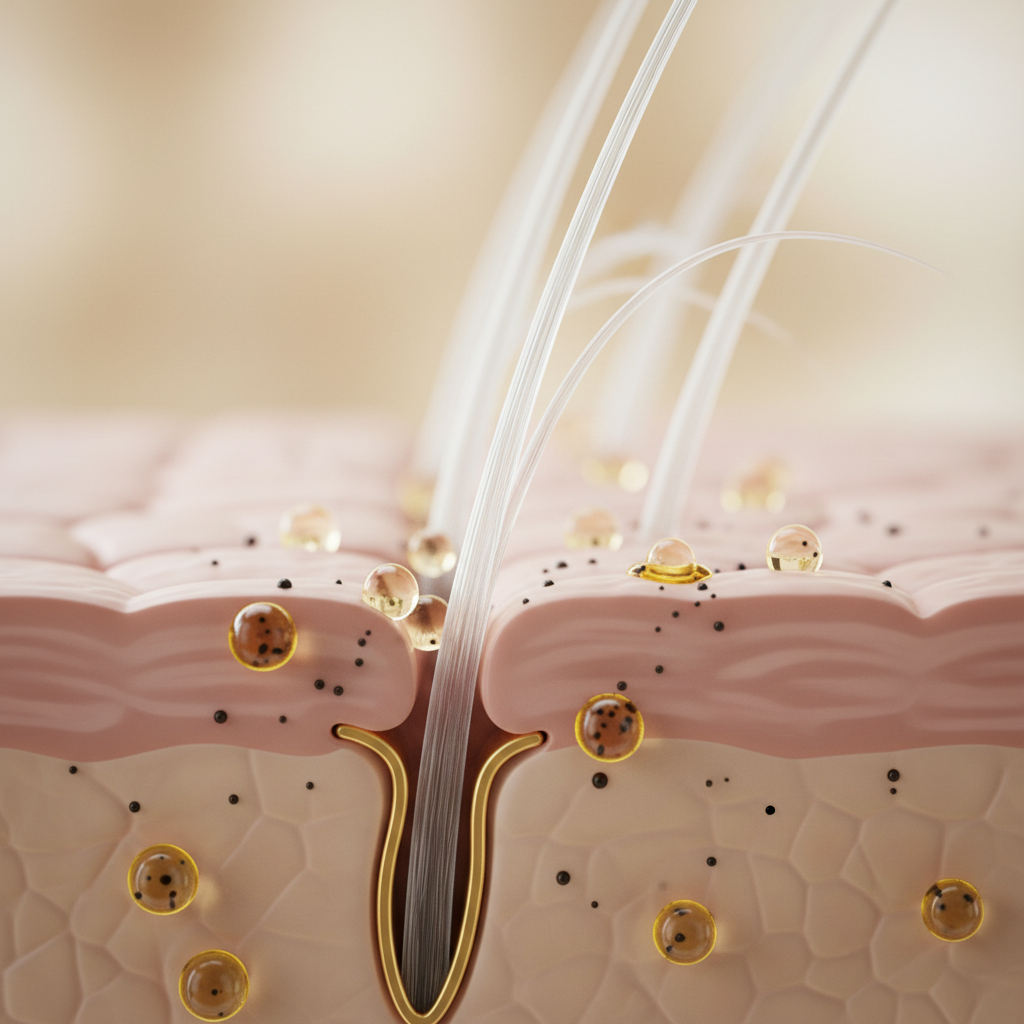
When a harsh, high-pH or highly soluble sulphate formula hits the scalp, several things happen:
- Lipid extraction: It dissolves not only the surface sebum produced by sebaceous glands but also the structural lipids (ceramides, cholesterol, free fatty acids) embedded between corneocytes.
- Protein disruption: It denatures intracellular keratin, weakening the structural integrity of the outer epidermis.
- Microbiome disturbance: By elevating TEWL and altering surface pH, it creates an environment where opportunistic microbes can trigger low-grade inflammatory cascades.
Sulphate-free formulations rely on alternative surfactant families. These include amphoteric surfactants (like cocamidopropyl betaine), non-ionic surfactants (such as decyl glucoside and coco-glucoside), and mild anionics (including sodium cocoyl isethionate and sodium methyl cocoyl taurate). These molecules organise into larger, more stable micelles that cannot slip between skin cells. They dissolve excess free oils without stripping away the vital intercellular cement that keeps your scalp barrier watertight and calm.
Signs your scalp needs a sulphate-free approach
A damaged scalp barrier usually signals its distress clearly. If you experience any of the following symptoms shortly after washing with traditional cleansers, your barrier could be compromised:
- Persistent tightness: The skin on your scalp feels taut, uncomfortable, or prickly within an hour of drying.
- Fine, powdery flaking: Unlike the oily, adherent flakes seen in seborrhoeic dermatitis, this is dry epidermal shedding caused by a dehydrated stratum corneum.
- Increased fibre breakage: Hair snaps easily along the mid-lengths and ends during post-wash detangling due to rough, depleted cuticles.
- Premature colour fading: Chemically coloured hair loses its vibrancy quickly because aggressive surfactants lift the cuticle and wash away pigment molecules.
- Rebound oiliness: In response to severe surface stripping, your scalp may sometimes feel unusually greasy by the following day as sebaceous glands work overtime.
What you can do: best practice for washing
Adopting a milder approach requires a slight adjustment in how you wash your hair. Because gentle surfactants do not instantly cut through heavy grease with a mountain of airy foam, technique matters.
- Thoroughly saturate the scalp: Spend at least 60 seconds rinsing with lukewarm water before applying product. Water alone loosens water-soluble dust and softens sebum.
- Focus on the roots: Emulsify the cleanser between your palms, then work it directly into the scalp using the pads of your fingers, not your nails. Gentle mechanical friction is essential to distribute non-ionic and amphoteric cleansers across the skin.
- Allow contact time: Give the formula 60 to 120 seconds on the skin so the micellar structures can bind to excess oils.
- Rinse meticulously: Sulphate-free formulations are often rich and conditioning. Take extra care to rinse cleanly down to the roots to avoid leaving any conditioning agents sitting on the follicular openings.
- Adjust clarifying frequency: If you use silicone-heavy serums, heavy styling waxes, or work in dusty environments, introduce an occasional clarifying wash every 3 to 4 weeks to keep the scalp surface clear of residue.
When the cause may be something else
A sensitive, flaking, or irritated scalp does not always stem from your shampoo choice. It is easy to blame surfactants when the real issue is an underlying dermatological or systemic condition.
For example, seborrhoeic dermatitis is driven by an overgrowth of Malassezia yeasts feeding on scalp sebum, producing irritating free fatty acids that lead to thick, greasy, yellowish scales. Switching entirely to ultra-mild, oil-rich washes can sometimes worsen this condition, because the yeast continues to thrive if sebum is not sufficiently controlled. In these cases, targeted anti-fungal ingredients such as ketoconazole, zinc pyrithione, or ciclopirox olamine are required, regardless of whether the base formula contains sulphates.
Similarly, scalp psoriasis is an autoimmune disorder that causes rapid skin cell turnover, presenting as silvery plaques and inflammation. Allergic contact dermatitis, nutritional deficiencies, and thyroid imbalances can also trigger scalp tenderness and shedding. If a mild routine does not resolve your symptoms within two to three weeks, look beyond simple product switches.
When to seek professional advice
Consult a qualified trichologist or dermatologist if you encounter any of the following clinical warning signs:
- Intense redness, weeping lesions, or persistent crusting across the scalp.
- Localised patches of baldness, sudden widening of your hair parting, or clumps of hair coming out with intact white roots (telogen shedding).
- Scalp tenderness accompanied by burning sensations or pimple-like bumps around the hair follicles (folliculitis).
- Scaling that resists over-the-counter soothing shampoos and gentle cleansing routines for more than a month.
Supporting scalp balance with Watermans
When formulating products for everyday maintenance, balancing cleansing efficiency with barrier protection is vital. Watermans incorporates gentle, scalp-friendly surfactant systems alongside hair-supporting ingredients like biotin, rosemary, caffeine, and argan oil. This thoughtful balance ensures that daily washing removes environmental residue without stripping the delicate lipid mantle, keeping the scalp environment primed for healthier-looking, stronger-feeling hair from root to tip.
Frequently asked questions about Sulphate Free Scalp Care
Does Sulphate Free Scalp Care actually stop hair loss?
No. Sulphate Free Scalp Care does not stop androgenetic alopecia, telogen effluvium, or other medical hair loss conditions. What it does is minimise cuticle erosion and hair fibre dryness. By preventing cuticle damage, your hair remains more elastic and resistant to mechanical snapping, meaning you will notice far less hair breakage when brushing and styling.
Why does sulphate-free shampoo not lather as much?
Traditional sulphates create rapid, high-volume bubbles because their molecular structure easily traps air and water. Mild alternatives, such as glucosides and isethionates, generate smaller, denser micro-foams. This does not mean they clean less effectively; they simply achieve cleansing through gentle micellar attraction rather than turbulent bubbling.
Can sulphate-free products cause product buildup on my scalp?
They can, especially if you use heavy, non-water-soluble silicones, polyquats, or hair oils. Because mild cleansers do not aggressively strip the hair, stubborn styling polymers can accumulate over several weeks. If you notice your roots feeling heavy or coated, using a dedicated clarifying wash once or twice a month helps maintain scalp balance.
Is Sulphate Free Scalp Care suitable for naturally oily hair?
Yes, but you may need to wash more deliberately. People with oily scalps should massage the cleanser thoroughly for two full minutes or wash twice per session. This ensures the mild surfactant micelles have sufficient contact time to bind with excess sebum without leaving the skin dehydrated.
Summary
Adopting Sulphate Free Scalp Care is an effective, scientifically validated way to preserve the scalp's moisture barrier, prevent transepidermal water loss, and safeguard hair fibre integrity against breakage. While it is not a cure for medical hair loss or stubborn microbial conditions, replacing harsh cleansing detergents with gentle alternatives helps create a calm, balanced foundation that supports the natural resilience of both scalp and hair.
Sources and references
- Cosmetic Ingredient Review (CIR) Expert Panel. (2010). Final Report on the Safety Assessment of Sodium Laureth Sulfate and Related Ingredients. International Journal of Toxicology.
- Draelos, Z. D. (2010). Essentials of Hair Care often Neglected: Hair Cleansing. International Journal of Trichology, 2(1), 24-29.
- Robbins, C. R. (2012). Chemical and Physical Behavior of Human Hair. 5th ed. Springer-Verlag.
- Trüeb, R. M. (2007). Shampoos: Ingredients, benefits and adverse effects. Journal of the European Academy of Dermatology and Venereology, 21(s2), 1-8.
- European Commission Scientific Committee on Consumer Safety (SCCS). (2010). Opinion on Sodium Lauryl Sulfate. SCCS/1376/10.
Find these ingredients in Watermans products
- Zinc: you will find this ingredient in our Hair Vitamins.